Denielle Elliott - Böcker
Visar alla böcker från författaren Denielle Elliott. Handla med fri frakt och snabb leverans.
5 produkter
5 produkter
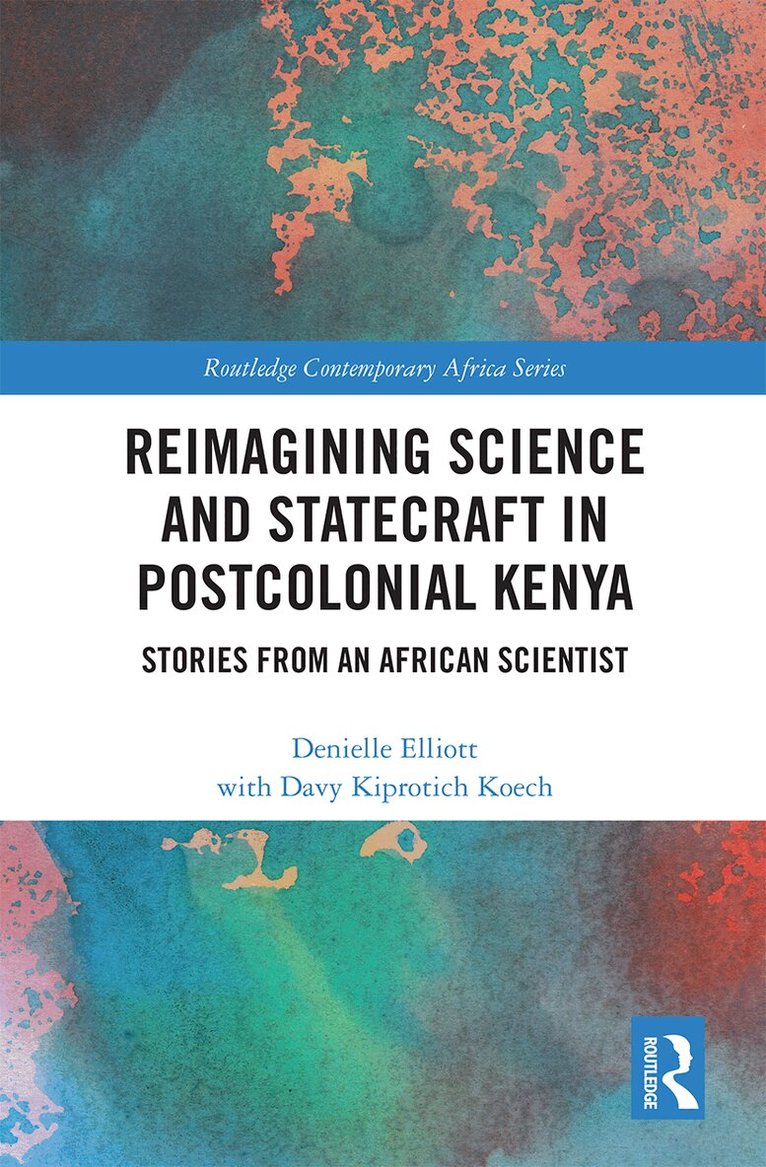
Reimagining Science and Statecraft in Postcolonial Kenya
Stories from an African Scientist
Häftad, Engelska, 2020
635 kr
Skickas inom 10-15 vardagar
This book examines the development of medical sciences in postcolonial Kenya, through the adventures and stories of the controversial Kalenjin scientist Davy Kiprotich Koech. As a collaborative life story project, it privileges African voices and retellings, re-centring the voice of African scientists from the peripheries of storytelling about science, global health research collaborations, national politics, international geopolitical alliances, and medical research.Focusing largely on the development of the Kenya Medical Research Institute (KEMRI) and its collaborations with the US Centers for Disease Control, the Walter Reed Project, Japan’s International Cooperation Agency, the Wellcome Trust, and other international partners, Denielle Elliott and Davy Koech challenge euro-dominant representations of African science and global health in both the contemporary and historical and offer an unconventional account which aims to destabilize colonial and neo-colonial narratives about African science, scientists, and statecraft. The stories force readers to contend with a series of questions including: How do imperial effects shape contemporary medical research and national sovereignty? In which ways do the colonial ghosts of early medical research infuse the struggles of postcolonial scientists to build national scientific projects? How were postcolonial nation-building projects tied up with the dreams and visions of African scientists? And lastly, how might we reimagine African medicine and biosciences?The monograph will be of interest to students, educators, and scholars working in African Studies, Science and Technology Studies, Postcolonial Studies, Global Health, Cultural Anthropology, and Medical Anthropology.
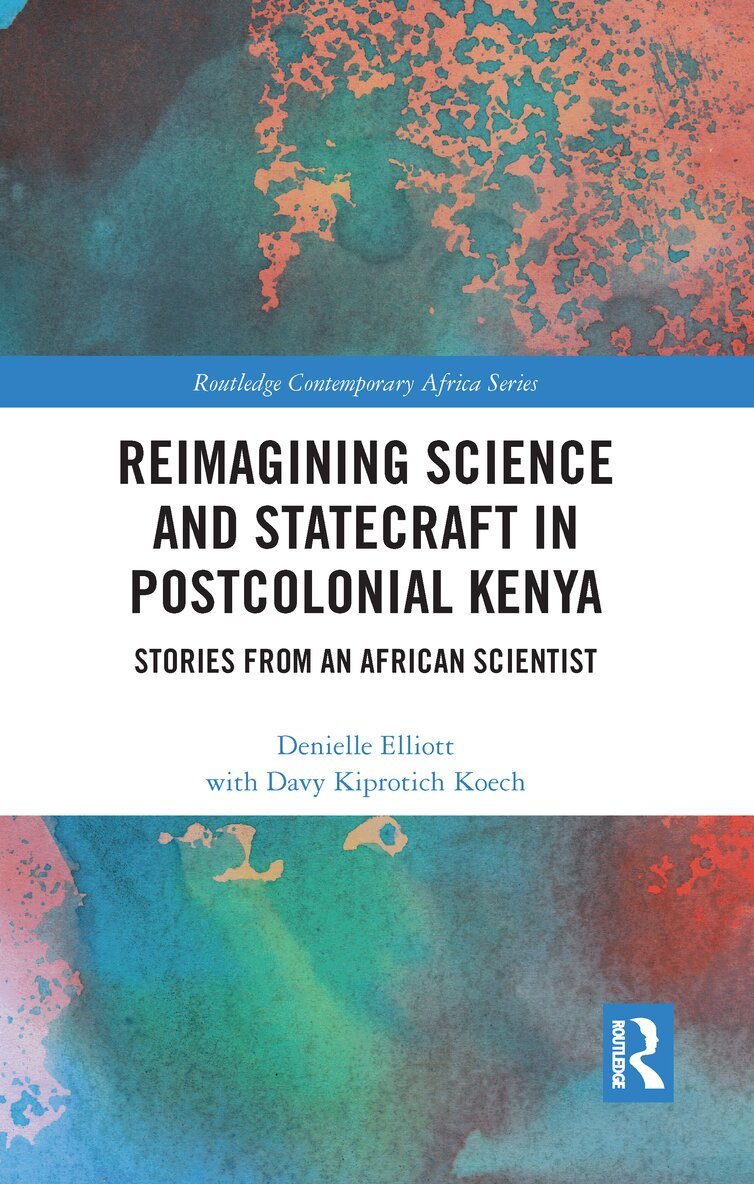
Reimagining Science and Statecraft in Postcolonial Kenya
Stories from an African Scientist
Inbunden, Engelska, 2018
2 151 kr
Skickas inom 10-15 vardagar
This book examines the development of medical sciences in postcolonial Kenya, through the adventures and stories of the controversial Kalenjin scientist Davy Kiprotich Koech. As a collaborative life story project, it privileges African voices and retellings, re-centring the voice of African scientists from the peripheries of storytelling about science, global health research collaborations, national politics, international geopolitical alliances, and medical research.Focusing largely on the development of the Kenya Medical Research Institute (KEMRI) and its collaborations with the US Centers for Disease Control, the Walter Reed Project, Japan’s International Cooperation Agency, the Wellcome Trust, and other international partners, Denielle Elliott and Davy Koech challenge euro-dominant representations of African science and global health in both the contemporary and historical and offer an unconventional account which aims to destabilize colonial and neo-colonial narratives about African science, scientists, and statecraft. The stories force readers to contend with a series of questions including: How do imperial effects shape contemporary medical research and national sovereignty? In which ways do the colonial ghosts of early medical research infuse the struggles of postcolonial scientists to build national scientific projects? How were postcolonial nation-building projects tied up with the dreams and visions of African scientists? And lastly, how might we reimagine African medicine and biosciences?The monograph will be of interest to students, educators, and scholars working in African Studies, Science and Technology Studies, Postcolonial Studies, Global Health, Cultural Anthropology, and Medical Anthropology.
323 kr
Skickas inom 7-10 vardagar
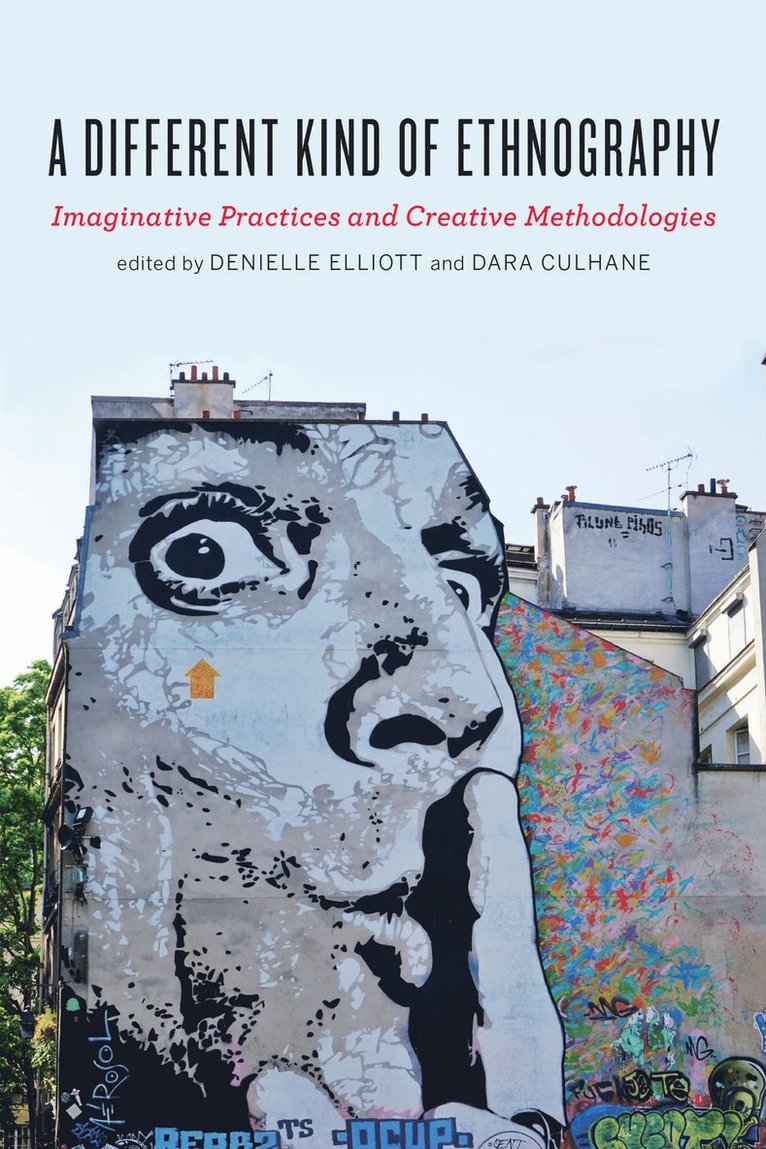
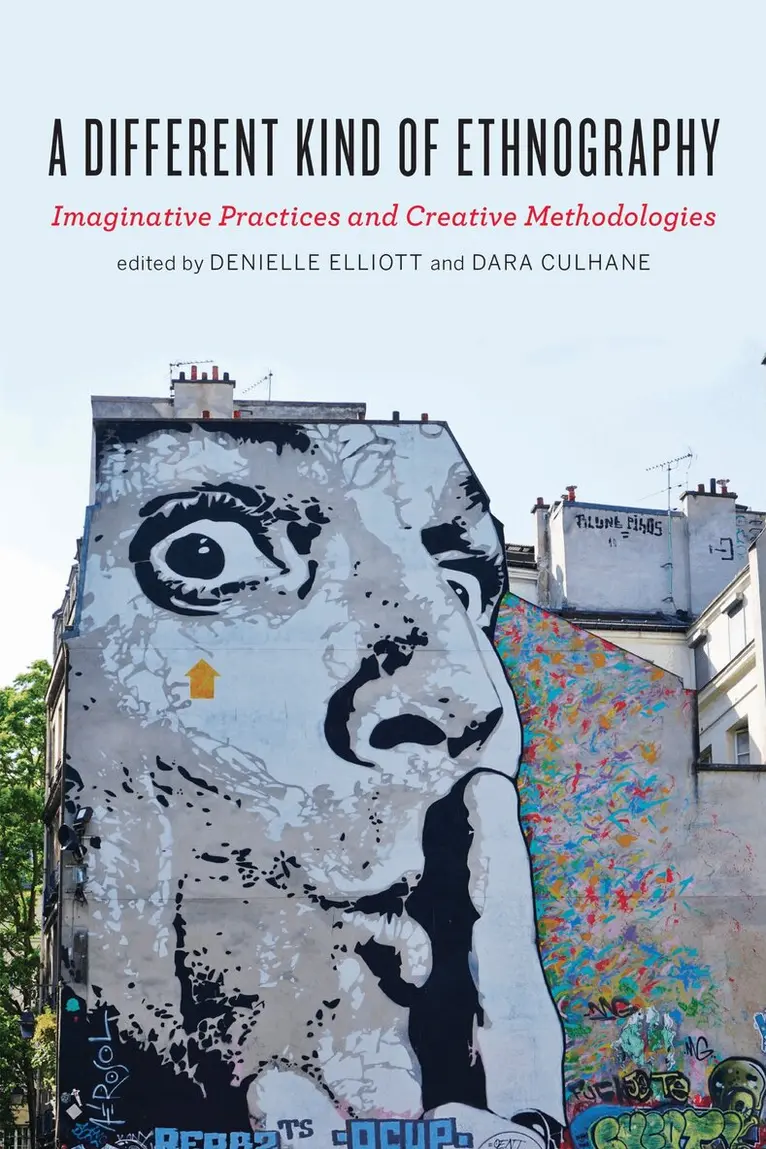
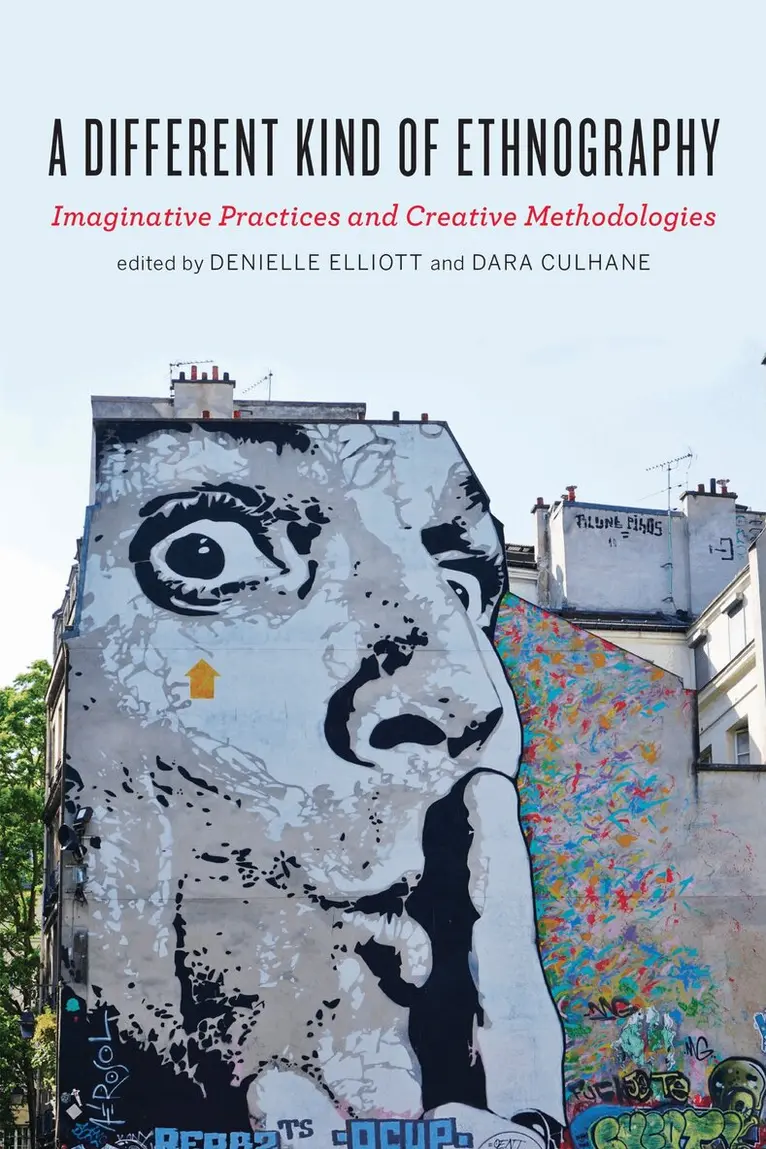
Building on the sensory ethnographic trend in contemporary sociocultural anthropology, this collection introduces the idea of a different kind of ethnography: an imaginative and creative approach to anthropological inquiry that is collaborative, open-ended, embodied, affective, and experimental. The authors treat ethnography as a methodology that includes the whole process of ethnography, from being fully present while engaging with the experience to analyzing representing, and communicating the results, with the hope of capturing different kinds of knowledge and experiencesThe book is structured around various methodologies–sensing, walking, writing, performing, and recording—and includes innovative exercises that allow both seasoned and aspiring ethnographers to develop a practice that can deepen and extend ethnographic inquiry.
1 248 kr
Skickas inom 10-15 vardagar
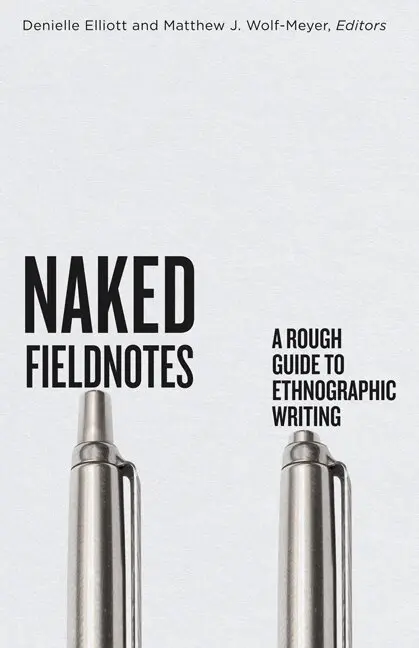
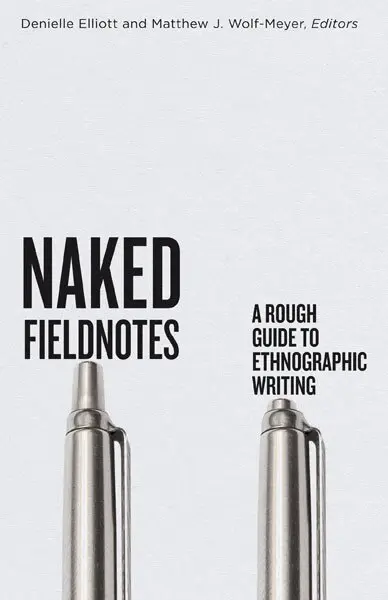
Creative and diverse approaches to ethnographic knowledge production and writing Ethnographic research has long been cloaked in mystery around what fieldwork is really like for researchers, how they collect data, and how it is analyzed within the social sciences. Naked Fieldnotes, a unique compendium of actual fieldnotes from contemporary ethnographic researchers from various modalities and research traditions, unpacks how this research works, its challenges and its possibilities. The volume pairs fieldnotes based on observations, interviews, drawings, photographs, soundscapes, and other contemporary modes of recording research encounters with short, reflective essays, offering rich examples of how fieldnotes are composed and shaped by research experiences. These essays unlock the experience of conducting qualitative research in the social sciences, providing clear examples of the benefits and difficulties of ethnographic research and how it differs from other forms of writing such as reporting and travelogue. By granting access to these personal archives, Naked Fieldnotes unsettles taboos about the privacy of ethnographic writing and gives scholars a diverse, multimodal approach to conceptualizing and doing ethnographic fieldwork. Contributors: Courtney Addison, Te Herenga Waka-Victoria U of Wellington; Patricia Alvarez Astacio, Brandeis U; Sareeta Amrute, The New School; Barbara Andersen, Massey U Auckland, New Zealand; Adia Benton, Northwestern U; Letizia Bonanno, U of Kent; Alexandrine Boudreault-Fournier, U of Victoria; Michael Cepek, U of Texas at San Antonio; Michelle Charette, York U; TomÁs Criado, Humboldt-U of Berlin; John Dale, George Mason U; Elsa Fan, Webster U; Kelly Fayard, U of Denver; Michele Friedner, U of Chicago; Susan Frohlick, U of British Columbia, Okanagan, Syilx Territory; Angela Garcia, Stanford U; Danielle Gendron, U of British Columbia; Mascha Gugganig, Technical U Munich; Natalia Gutkowski, Hebrew U of Jerusalem; T. S. Harvey, Vanderbilt U; Saida Hodžić, Cornell U; K. G. Hutchins, Oberlin College; Basit Kareem Iqbal, McMaster U; Emma Kowal, Deakin U in Melbourne; Mathangi Krishnamurthy, IIT Madras; Shyam Kunwar; Margaret MacDonald, York U in Toronto; Stephanie McCallum, U Nacional de San MartÍn and U de San AndrÉs, Argentina; Diana Ojeda, Cider, U de los Andes in BogotÁ, Colombia; Valerie Olson, U of California, Irvine; Patrick Mbullo Owuor, Northwestern U; Stacy Leigh Pigg, Fraser U; Jason Pine, Purchase College, State U of New York; Chiara Pussetti, U of Lisbon; Tom Rice, U of Exeter; Leslie A. Robertson, U of British Columbia, Vancouver; Yana Stainova, McMaster U; Richard Vokes, U of Western Australia; Russell Westhaver, Saint Mary’s U in Nova Scotia; Paul White, U of Nevada, Reno.
296 kr
Skickas inom 7-10 vardagar
Creative and diverse approaches to ethnographic knowledge production and writing Ethnographic research has long been cloaked in mystery around what fieldwork is really like for researchers, how they collect data, and how it is analyzed within the social sciences. Naked Fieldnotes, a unique compendium of actual fieldnotes from contemporary ethnographic researchers from various modalities and research traditions, unpacks how this research works, its challenges and its possibilities. The volume pairs fieldnotes based on observations, interviews, drawings, photographs, soundscapes, and other contemporary modes of recording research encounters with short, reflective essays, offering rich examples of how fieldnotes are composed and shaped by research experiences. These essays unlock the experience of conducting qualitative research in the social sciences, providing clear examples of the benefits and difficulties of ethnographic research and how it differs from other forms of writing such as reporting and travelogue. By granting access to these personal archives, Naked Fieldnotes unsettles taboos about the privacy of ethnographic writing and gives scholars a diverse, multimodal approach to conceptualizing and doing ethnographic fieldwork. Contributors: Courtney Addison, Te Herenga Waka-Victoria U of Wellington; Patricia Alvarez Astacio, Brandeis U; Sareeta Amrute, The New School; Barbara Andersen, Massey U Auckland, New Zealand; Adia Benton, Northwestern U; Letizia Bonanno, U of Kent; Alexandrine Boudreault-Fournier, U of Victoria; Michael Cepek, U of Texas at San Antonio; Michelle Charette, York U; TomÁs Criado, Humboldt-U of Berlin; John Dale, George Mason U; Elsa Fan, Webster U; Kelly Fayard, U of Denver; Michele Friedner, U of Chicago; Susan Frohlick, U of British Columbia, Okanagan, Syilx Territory; Angela Garcia, Stanford U; Danielle Gendron, U of British Columbia; Mascha Gugganig, Technical U Munich; Natalia Gutkowski, Hebrew U of Jerusalem; T. S. Harvey, Vanderbilt U; Saida Hodžić, Cornell U; K. G. Hutchins, Oberlin College; Basit Kareem Iqbal, McMaster U; Emma Kowal, Deakin U in Melbourne; Mathangi Krishnamurthy, IIT Madras; Shyam Kunwar; Margaret MacDonald, York U in Toronto; Stephanie McCallum, U Nacional de San MartÍn and U de San AndrÉs, Argentina; Diana Ojeda, Cider, U de los Andes in BogotÁ, Colombia; Valerie Olson, U of California, Irvine; Patrick Mbullo Owuor, Northwestern U; Stacy Leigh Pigg, Fraser U; Jason Pine, Purchase College, State U of New York; Chiara Pussetti, U of Lisbon; Tom Rice, U of Exeter; Leslie A. Robertson, U of British Columbia, Vancouver; Yana Stainova, McMaster U; Richard Vokes, U of Western Australia; Russell Westhaver, Saint Mary’s U in Nova Scotia; Paul White, U of Nevada, Reno.