Denise Uwimana - Böcker
Visar alla böcker från författaren Denise Uwimana. Handla med fri frakt och snabb leverans.
3 produkter
3 produkter
97 kr
Tillfälligt slut
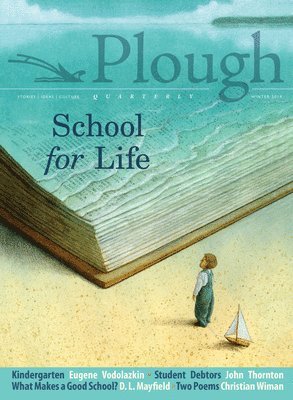
What we want for schools reveals what we value as a society.“What’s the point of school?” Parents have a stock set of responses, but the question remains unsettled, even two centuries after the Prussians invented compulsory education. The Prussian idea of what a school is for – to mold the populace to serve the state – seems unacceptable today. In vogue, instead, are slogans like “acquiring marketable skills” and “realizing your full potential.” These ideas powerfully shape our culture. Ultimately, they boil down to pursuing one supreme value: individual success in a competitive world.Schools are a mirror of our society as a whole; what we want for schools makes plain what and whom we value in our common life. In the Christian tradition, the life of discipleship is also a school. In this educational community, under the instruction of our one Teacher, we learn not to seek empowerment, but to find strength in weakness; not to out-achieve others, but to serve them; not to pursue our passion, but to obey a call.Also in this issue: poetry by Christian Wiman; reviews of new books by Robert Macfarlane, Jackie Morris, Francisco Cantú, Leif Enger, Carol Anderson, Stephanie Land, and Susan Wise Bauer; and art by Margaret McWethy, Albrecht Dürer, Raphael, Gérard David, Jackie Morris, Gustaf Tenggren, Sergey Dushkin, Anja Percival, Dmitry Samofalov, Christoph Wetzel, Sherrie York, Cathleen Rehfield, Paweł Kuczyński, and Jason Landsel.Plough Quarterly features stories, ideas, and culture for people eager to put their faith into action. Each issue brings you in-depth articles, interviews, poetry, book reviews, and art to help you put Jesus’ message into practice and find common cause with others.
99 kr
Tillfälligt slut
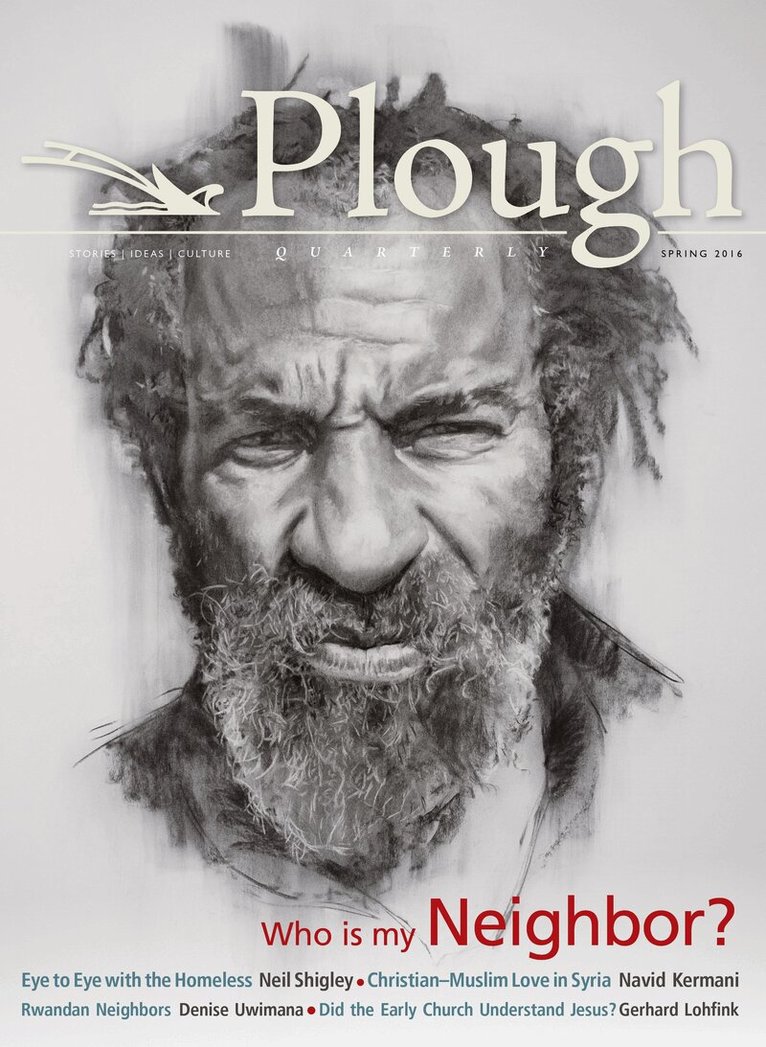
From Jordan to Germany, the influx of refugees is straining goodwill to the breaking point. This issue of Plough Quarterly focuses on the second half of Jesus’ Great Commandment: Love your neighbor as yourself. We found love of neighbor demonstrated by Christians and Muslims in ISIS-controlled Syria, and by volunteers who continue to welcome refugees despite growing public hostility.Here in election-year America, how do we as citizens live out love of neighbor in relation to immigrants? To the unborn threatened by abortion, and to their mothers? To prisoners, especially those held in solitary confinement for unconscionable terms and those on death row? To the victims of crime, and to the law enforcement officers charged with keeping the peace? To our youth, who are the ones most gravely harmed by our culture’s gender confusion?On all these fronts and many others, love of neighbor makes claims on us. But shouldn’t it start within the fellowship of believers, the church? When this happens, we can bear one another’s burdens – for example, those of the soldier returning from war, or the coworker battling an addiction.Perspectives from Navid Kermani, Neil Shigley, Denise Uwimana, Gerhard Lohfink, Michael Yandell, Teresa of Ávila, C.S. Lewis, John Stott, Matthew Loftus, Nathaniel Peters, Eberhard Arnold, Richard J. Foster, and Annemarie Wächter are sure to stimulate reflection and discussion. Then there’s new poetry by Laurie Klein, book reviews, a children’s story by Laura E. Richards, and world-class art by Dean Mitchell, Aristarkh Lentulov, Alex Vogel, Michael D. Fay, Paula Modersohn-Becker, Marc Chagall, Vasilij Ivanovic Surikov, and Sekino Jun’ichirō.Plough Quarterly features stories, ideas, and culture for people eager to put their faith into action. Each issue brings you in-depth articles, interviews, poetry, book reviews, and art to help you put Jesus’ message into practice and find common cause with others.
168 kr
Skickas
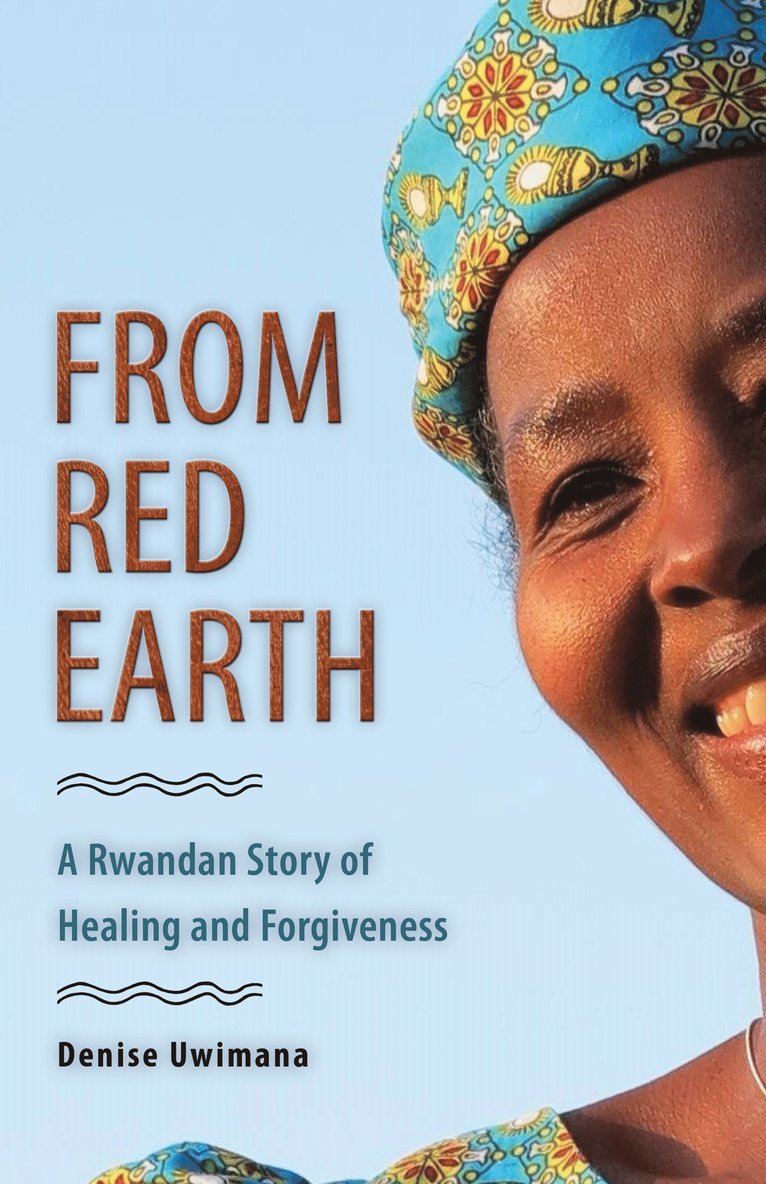
A Hundred Days of Carnage, Twenty-Five Years of RebirthIn the space of a hundred days, a million Tutsi in Rwanda were slaughtered by their Hutu neighbors. At the height of the genocide, as men with bloody machetes ransacked her home, Denise Uwimana gave birth to her third son. With the unlikely help of Hutu Good Samaritans, she and her children survived. Her husband and other family members were not as lucky.If this were only a memoir of those chilling days and the long, hard road to personal healing and freedom from her past, it would be remarkable enough. But Uwimana didn’t stop there. Leaving a secure job in business, she devoted the rest of her life to restoring her country by empowering other genocide widows to band together, tell their stories, find healing, and rebuild their lives. The stories she has uncovered through her work and recounted here illustrate the complex and unfinished work of truth-telling, recovery, and reconciliation that may be Rwanda’s lasting legacy. Rising above their nation’s past, Rwanda’s genocide survivors are teaching the world the secret to healing the wound of war and ethnic conflict. Includes 16 pages of color photographs.