Donald MacLaren – författare
1 824 kr
Läs direkt efter köp
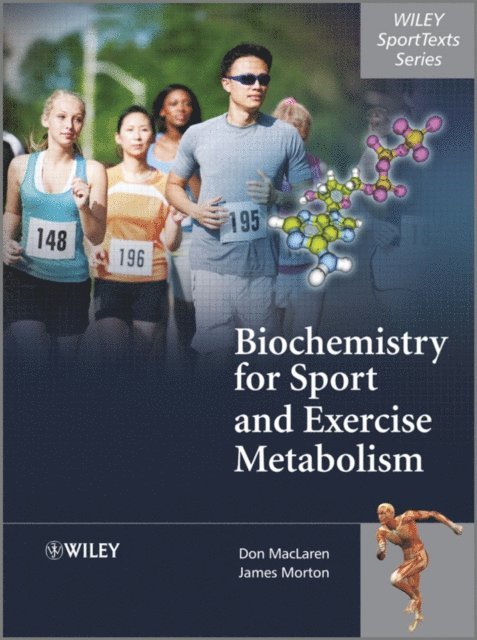
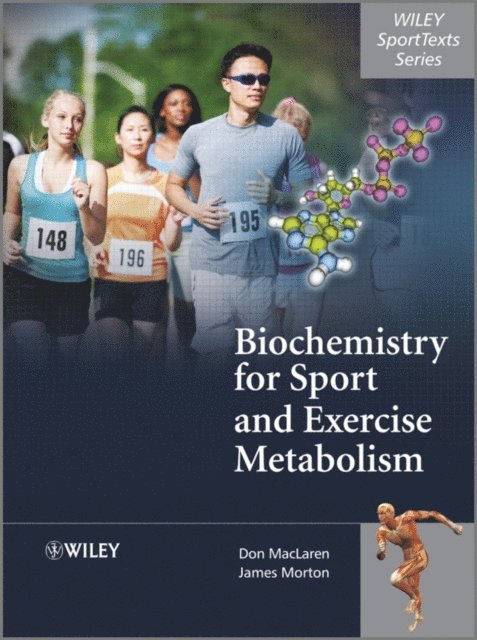
The book opens with some basic information on the subject, including an overview of energy metabolism, some key aspects of skeletal muscle structure and function, and some simple biochemical concepts. It continues by looking at the three macromolecules which provide energy and structure to skeletal muscle - carbohydrates, lipids, and protein. The last section moves beyond biochemistry to examine key aspects of metabolism - the regulation of energy production and storage. Beginning with a chapter on basic principles of regulation of metabolism it continues by exploring how metabolism is influenced during high-intensity, prolonged, and intermittent exercise by intensity, duration, and nutrition.
Key Features:
A clearly written, well presented introduction to the biochemistry of muscle metabolism. Focuses on sport to describe the relevant biochemistry within this context. In full colour throughout, it includes numerous illustrations, together with learning objectives and key points to reinforce learning.Biochemistry for Sport and Exercise Metabolism will prove invaluable to students across a range of sport-related courses, who need to get to grips with how exercise mode, intensity, duration, training status and nutritional status can all affect the regulation of energy producing pathways and, more important, apply this understanding to develop training and nutrition programmes to maximise athletic performance.
686 kr
Skickas inom 5-8 vardagar
875 kr
Läs direkt efter köp
All-new edition of an introductory textbook on sport and exercise biochemistry and muscle metabolism
Biochemistry for Sport and Exercise Metabolism initially examines the essence of the biochemistry of the macronutrients before exploring how exercise mode, intensity, and duration, training status, and nutritional status affects the regulation of energy producing pathways, enabling readers to apply this understanding to develop training and nutrition programs that maximize athletic performance. This textbook includes an overview of energy metabolism, skeletal muscle structure and function and related biochemical concepts, carbohydrates, lipids, and proteins, metabolism, regulation of metabolism, and factors that can influence metabolism, and fatigue.
This revised and updated second edition reflects some of the latest advances in the field, with new content on metabolic regulation as well as adaptations to high intensity and strength exercise, endurance exercise, and intermittent exercise. Furthermore, there is a new chapter on biochemical techniques to provide some pertinent background on how reported metabolic changes during exercise are achieved.
This textbook features learning objectives, keywords, and key points in each chapter to aid in reader comprehension and reinforce information retention.
Written by two highly qualified authors, Biochemistry for Sport and Exercise Metabolism discusses sample topics including:
How the energy supply for muscle contraction is achieved from carbohydrates, lipids and protein Muscle contraction, covering propagation of the action potential, excitation-contraction coupling, and the sliding filament mechanismRegulation of the energy systems providing energy for exerciseTechniques for exercise metabolism, including respiratory analysis, ergometry, blood sampling, metabolomics, a-v differences, muscle biopsy, and isotopesExploration of the metabolic events occurring during high intensity, endurance, and high-intensity intermittent forms of exerciseClearly written and completely comprehensive, the second edition of Biochemistry for Sport and Exercise Metabolism continues to be an invaluable learning resource for students across a wide range of sport-related courses.
875 kr
Läs direkt efter köp
All-new edition of an introductory textbook on sport and exercise biochemistry and muscle metabolism
Biochemistry for Sport and Exercise Metabolism initially examines the essence of the biochemistry of the macronutrients before exploring how exercise mode, intensity, and duration, training status, and nutritional status affects the regulation of energy producing pathways, enabling readers to apply this understanding to develop training and nutrition programs that maximize athletic performance. This textbook includes an overview of energy metabolism, skeletal muscle structure and function and related biochemical concepts, carbohydrates, lipids, and proteins, metabolism, regulation of metabolism, and factors that can influence metabolism, and fatigue.
This revised and updated second edition reflects some of the latest advances in the field, with new content on metabolic regulation as well as adaptations to high intensity and strength exercise, endurance exercise, and intermittent exercise. Furthermore, there is a new chapter on biochemical techniques to provide some pertinent background on how reported metabolic changes during exercise are achieved.
This textbook features learning objectives, keywords, and key points in each chapter to aid in reader comprehension and reinforce information retention.
Written by two highly qualified authors, Biochemistry for Sport and Exercise Metabolism discusses sample topics including:
How the energy supply for muscle contraction is achieved from carbohydrates, lipids and protein Muscle contraction, covering propagation of the action potential, excitation-contraction coupling, and the sliding filament mechanismRegulation of the energy systems providing energy for exerciseTechniques for exercise metabolism, including respiratory analysis, ergometry, blood sampling, metabolomics, a-v differences, muscle biopsy, and isotopesExploration of the metabolic events occurring during high intensity, endurance, and high-intensity intermittent forms of exerciseClearly written and completely comprehensive, the second edition of Biochemistry for Sport and Exercise Metabolism continues to be an invaluable learning resource for students across a wide range of sport-related courses.
717 kr
Läs direkt efter köp
The book opens with some basic information on the subject, including an overview of energy metabolism, some key aspects of skeletal muscle structure and function, and some simple biochemical concepts. It continues by looking at the three macromolecules which provide energy and structure to skeletal muscle - carbohydrates, lipids, and protein. The last section moves beyond biochemistry to examine key aspects of metabolism - the regulation of energy production and storage. Beginning with a chapter on basic principles of regulation of metabolism it continues by exploring how metabolism is influenced during high-intensity, prolonged, and intermittent exercise by intensity, duration, and nutrition.
Key Features:
A clearly written, well presented introduction to the biochemistry of muscle metabolism. Focuses on sport to describe the relevant biochemistry within this context. In full colour throughout, it includes numerous illustrations, together with learning objectives and key points to reinforce learning.Biochemistry for Sport and Exercise Metabolism will prove invaluable to students across a range of sport-related courses, who need to get to grips with how exercise mode, intensity, duration, training status and nutritional status can all affect the regulation of energy producing pathways and, more important, apply this understanding to develop training and nutrition programmes to maximise athletic performance.
175 kr
Skickas inom 5-8 vardagar
2 021 kr
Skickas inom 5-8 vardagar
534 kr
Tillfälligt slut