Dongyou Liu – författare
8 340 kr
Läs direkt efter köp
7 706 kr
Skickas inom 10-15 vardagar
10 679 kr
Läs direkt efter köp
933 kr
Skickas inom 10-15 vardagar
961 kr
Skickas inom 10-15 vardagar
7 302 kr
Skickas inom 10-15 vardagar
1 073 kr
Skickas inom 10-15 vardagar
2 959 kr
Skickas inom 10-15 vardagar
7 536 kr
Skickas inom 10-15 vardagar
746 kr
Skickas inom 10-15 vardagar
789 kr
Skickas inom 10-15 vardagar
6 232 kr
Läs direkt efter köp
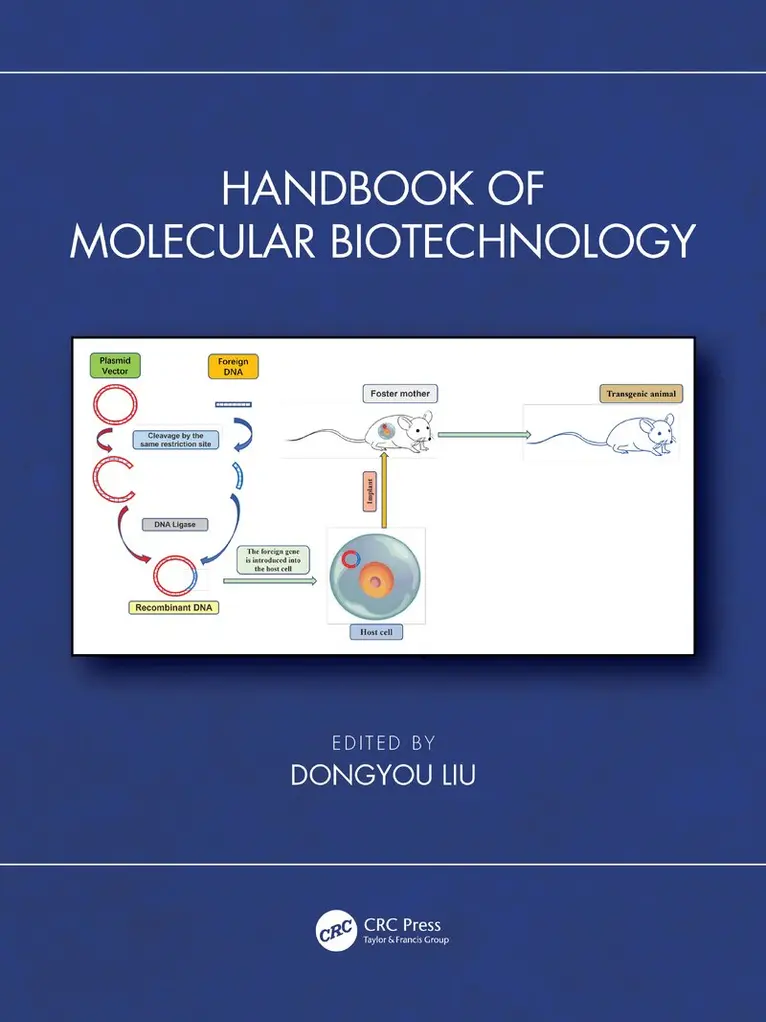
With a history that likely dates back to the dawn of human civilization more than 10,000 years ago, and a record that includes the domestication and selective breeding of plants and animals, the harnessing of fermentation process for bread, cheese, and brewage production, and the development of vaccines against infectious diseases, biotechnology has acquired a molecular focus during the 20th century, particularly following the resolution of DNA double helix in 1953, and the publication of DNA cloning protocol in 1973, and transformed our concepts and practices in disease diagnosis, treatment and prevention, pharmaceutical and industrial manufacturing, animal and plant industry, and food processing.
While molecular biotechnology offers unlimited opportunities for improving human health and well-being, animal welfare, agricultural innovation and environmental conservation, a dearth of high quality books that have the clarity of laboratory manuals without distractive procedural details and the thoroughness of well-conversed textbooks appears to dampen the enthusiasm of aspiring students. In attempt to fill this glaring gap, Handbook of Molecular Biotechnology includes four sections, with the first three presenting in-depth coverage on DNA, RNA and protein technologies, and the fourth highlighting their utility in biotechnology. Recognizing the importance of logical reasoning and experimental verification over direct observation and simple description in biotechnological research and development, the Introduction provides pertinent discussions on key strategies (i.e., be first, be better, and be different), effective thinking (lateral, parallel, causal, reverse, and random), and experimental execution, which have proven invaluable in helping advance research projects, evaluate and prepare research reports, and enhance other scientific endeavors.
Key features
Presents state-of-the-art reviews on DNA, RNA and protein technologies and their biotechnological applications Discusses key strategies, effective thinking, and experimental execution for scientific research and development Fills the gap left by detailed-ridden laboratory manuals and insight-lacking standard textbooks Includes expert contributions from international scientists at the forefront of molecular biotechnology research and developmentWritten by international scientists at the forefront of molecular biotechnology research and development, chapters in this volume cover the histories, principles, and applications of individual techniques/technologies, and constitute stand-alone, yet interlinked lectures that strive to educate as well as to entertain. Besides providing an informative textbook for tertiary students in molecular biotechnology and related fields, this volume serves as an indispensable roadmap for novice scientists in their efforts to acquire innovative skills and establish solid track records in molecular biotechnology, and offers a contemporary reference for scholars, educators, and policymakers wishing to keep in touch with recent developments in molecular biotechnology.
6 052 kr
Läs direkt efter köp
With a history that likely dates back to the dawn of human civilization more than 10,000 years ago, and a record that includes the domestication and selective breeding of plants and animals, the harnessing of fermentation process for bread, cheese, and brewage production, and the development of vaccines against infectious diseases, biotechnology has acquired a molecular focus during the 20th century, particularly following the resolution of DNA double helix in 1953, and the publication of DNA cloning protocol in 1973, and transformed our concepts and practices in disease diagnosis, treatment and prevention, pharmaceutical and industrial manufacturing, animal and plant industry, and food processing.
While molecular biotechnology offers unlimited opportunities for improving human health and well-being, animal welfare, agricultural innovation and environmental conservation, a dearth of high quality books that have the clarity of laboratory manuals without distractive procedural details and the thoroughness of well-conversed textbooks appears to dampen the enthusiasm of aspiring students. In attempt to fill this glaring gap, Handbook of Molecular Biotechnology includes four sections, with the first three presenting in-depth coverage on DNA, RNA and protein technologies, and the fourth highlighting their utility in biotechnology. Recognizing the importance of logical reasoning and experimental verification over direct observation and simple description in biotechnological research and development, the Introduction provides pertinent discussions on key strategies (i.e., be first, be better, and be different), effective thinking (lateral, parallel, causal, reverse, and random), and experimental execution, which have proven invaluable in helping advance research projects, evaluate and prepare research reports, and enhance other scientific endeavors.
Key features
Presents state-of-the-art reviews on DNA, RNA and protein technologies and their biotechnological applications Discusses key strategies, effective thinking, and experimental execution for scientific research and development Fills the gap left by detailed-ridden laboratory manuals and insight-lacking standard textbooks Includes expert contributions from international scientists at the forefront of molecular biotechnology research and developmentWritten by international scientists at the forefront of molecular biotechnology research and development, chapters in this volume cover the histories, principles, and applications of individual techniques/technologies, and constitute stand-alone, yet interlinked lectures that strive to educate as well as to entertain. Besides providing an informative textbook for tertiary students in molecular biotechnology and related fields, this volume serves as an indispensable roadmap for novice scientists in their efforts to acquire innovative skills and establish solid track records in molecular biotechnology, and offers a contemporary reference for scholars, educators, and policymakers wishing to keep in touch with recent developments in molecular biotechnology.
4 588 kr
Läs direkt efter köp
869 kr
Läs direkt efter köp
4 588 kr
Läs direkt efter köp
4 761 kr
Läs direkt efter köp
4 674 kr
Läs direkt efter köp
858 kr
Läs direkt efter köp
1 143 kr
Läs direkt efter köp
1 328 kr
Läs direkt efter köp
1 177 kr
Läs direkt efter köp
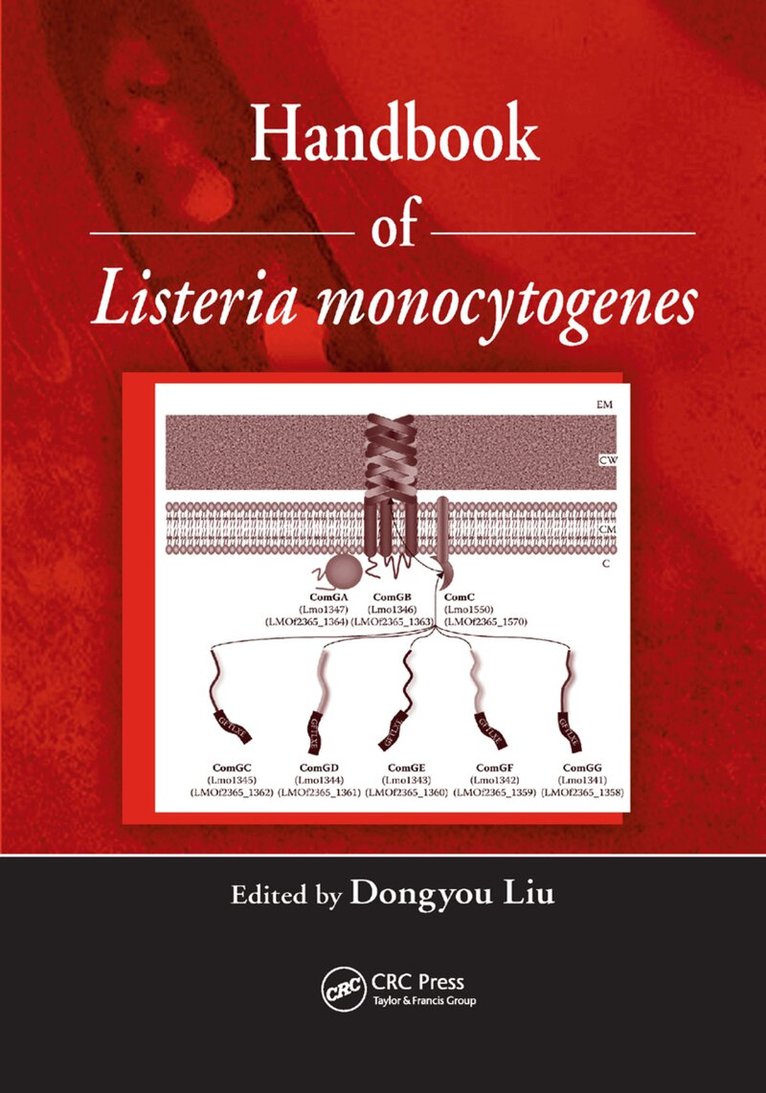
Once feared as a deadly intracellular bacterium with the extraordinary capacity to survive a wide array of arduous external stressors, Listeria monocytogenes is increasingly recognized as a preferred vector for delivering anti-infective and anti-cancer vaccine molecules. A reliable, single-source reference on the fundamental aspects of
4 568 kr
Skickas inom 5-8 vardagar
1 174 kr
Skickas inom 10-15 vardagar
738 kr
Skickas inom 3-6 vardagar
2 758 kr
Skickas inom 10-15 vardagar
1 227 kr
Läs direkt efter köp
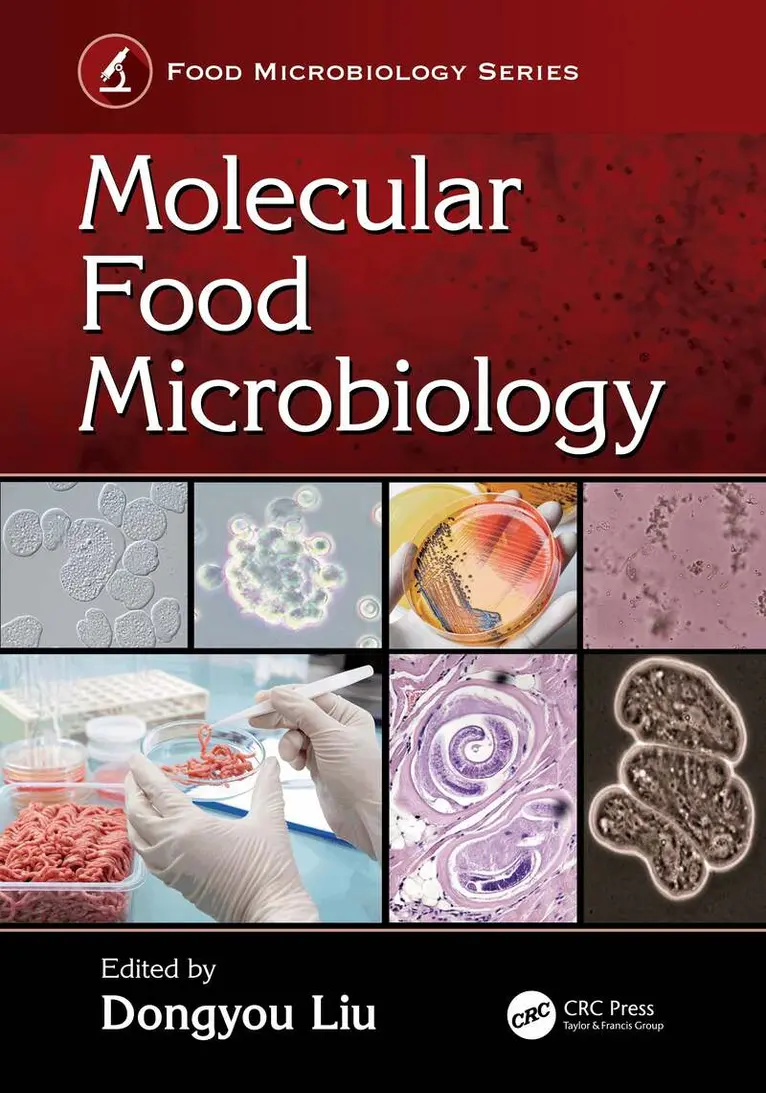
The elucidation of DNA double helix in 1953 and the publication of DNA cloning protocol in 1973 have put wings under the sail of molecular biology, which has since quietly revolutionized many fields of biological science, including food microbiology. Exploiting the power and versatility of molecular technologies, molecular food microbiology extends and greatly improves on phenotypically based food microbiology, leading to the development of better diagnostics for foodborne infections and intoxications, and contributing to the design of more effective therapeutics and prophylaxes against foodborne diseases.
Forming part of the Food Microbiology series, Molecular Food Microbiology provides a state of art coverage on molecular techniques applicable to food microbiology. While the introductory chapter contains an overview on the principles of current DNA, RNA and protein techniques and discusses their utility in helping solve practical problems that food microbiology is facing now and in the future, the remaining chapters present detailed moleuclar analyses of selective foodborne viruses, bacteria, fungi and parasites.
Key Features:
Contains a state of art overview on moleuclar techniques applicable to food microbiology research and development
Presents in-depth molecular analysis of selective foodborne viruses, bacteria, fungi and parasites
Highlights the utility of molecular tecniques for accurate diagnosis and effective control of foodborne diseases
Includes expert contributions from international scientists involved in molecular food microbiology research
Represents a highly informative textbook for students majoring in food, medical, and veterinary microbiology
Offers a contemporary reference for scholars and educators wishing to keep abreast with the latest developments in molecular food microbiology
With contributions from international scientists involved in molecular food microbiology research, this book constitutes an informative textbook for undergraduates and postgraduates majoring in food, medical, and veterinary microbiology; represents an indispensable guide for food, medical, and veterinary scientists engaged in molecular food microbiology research and development; and offers a contemporary update for scholars and educators trying to keep in touch with the latest developments in molecular food microbiology.
1 227 kr
Läs direkt efter köp
The elucidation of DNA double helix in 1953 and the publication of DNA cloning protocol in 1973 have put wings under the sail of molecular biology, which has since quietly revolutionized many fields of biological science, including food microbiology. Exploiting the power and versatility of molecular technologies, molecular food microbiology extends and greatly improves on phenotypically based food microbiology, leading to the development of better diagnostics for foodborne infections and intoxications, and contributing to the design of more effective therapeutics and prophylaxes against foodborne diseases.
Forming part of the Food Microbiology series, Molecular Food Microbiology provides a state of art coverage on molecular techniques applicable to food microbiology. While the introductory chapter contains an overview on the principles of current DNA, RNA and protein techniques and discusses their utility in helping solve practical problems that food microbiology is facing now and in the future, the remaining chapters present detailed moleuclar analyses of selective foodborne viruses, bacteria, fungi and parasites.
Key Features:
Contains a state of art overview on moleuclar techniques applicable to food microbiology research and development
Presents in-depth molecular analysis of selective foodborne viruses, bacteria, fungi and parasites
Highlights the utility of molecular tecniques for accurate diagnosis and effective control of foodborne diseases
Includes expert contributions from international scientists involved in molecular food microbiology research
Represents a highly informative textbook for students majoring in food, medical, and veterinary microbiology
Offers a contemporary reference for scholars and educators wishing to keep abreast with the latest developments in molecular food microbiology
With contributions from international scientists involved in molecular food microbiology research, this book constitutes an informative textbook for undergraduates and postgraduates majoring in food, medical, and veterinary microbiology; represents an indispensable guide for food, medical, and veterinary scientists engaged in molecular food microbiology research and development; and offers a contemporary update for scholars and educators trying to keep in touch with the latest developments in molecular food microbiology.
883 kr
Läs direkt efter köp
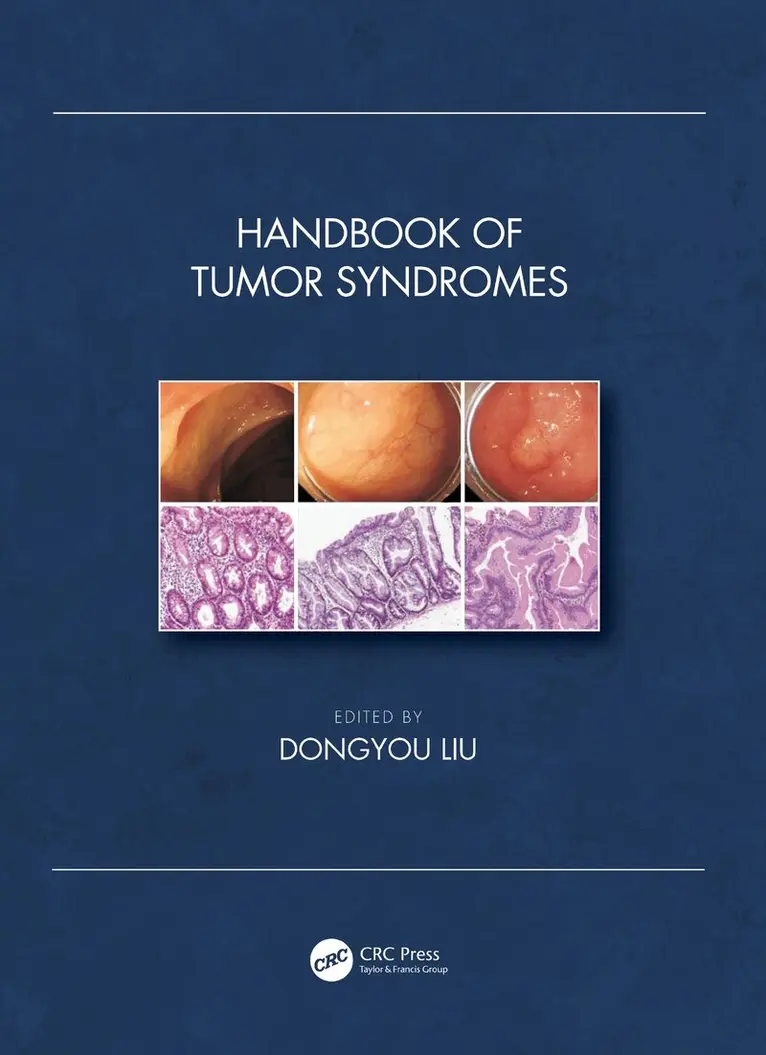
Tumors/cancers are characterized by uncontrolled growths of abnormal cells that extend beyond their usual boundaries and disrupt the normal functions of affected organs and systems. While about 75%–80% of tumors/cancers arise sporadically without a family connection, 20%–25% appear to be familial (including 10%–15% nonhereditary familial tumors [or familial tumors] and 5%–10% hereditary familial tumors [or hereditary tumors]). As nonhereditary and hereditary familial tumors often show both tumor-related and non-tumor-related (or syndromic) symptoms, they are referred to as tumor syndromes (or cancer susceptibility syndromes).
In comparison with sporadic tumors/cancers, tumor syndromes (>300 described so far) tend to occur at a younger age, involve multiple organs and systems, produce multiple (often in a distinct spectrum) and bilateral lesions, form multiple hamartomatous, benign, or precursor lesions; locate in specific site(s), display unique syndromic features, and affect multiple members/generations of a family.
This book provides state-of-art and authoritative coverage of nearly 100 tumor syndromes, with chapters presenting overviews of individual tumor syndromes in relation to their biology, epidemiology, pathogenesis, clinical features, diagnosis, treatment, and prognosis. Featuring contributions from oncologists, clinicians, and specialists, the book offers a reliable, comprehensive reference on tumor syndromes for scholars and students of medicine, dentistry, pharmacology, nursing, public health, and other biomedical disciplines.
Key Features
Reviews the biology, epidemiology, pathogenesis, and clinical features of tumor syndromes
Contains up-to-date information on the diagnosis and treatment of tumor syndromes
Includes expert coverage from leading oncologists and clinicians
Related Titles
J. R. McIntosh, Understanding Cancer: An Introduction to the Biology, Medicine, and Societal Implications of This Disease (ISBN 978-0-8153-4535-0)
P. S. T. Shanmugam, Understanding Cancer Therapies (ISBN 978-1-1381-9815-9)
J. M. Baehring and J. M. Piepmeier, eds., Brain Tumors: Practical Guide to Diagnosis and Treatment (ISBN 978-0-3673-9022-8)
D. Liu, Tumors and Cancers: Endocrine Glands – Blood – Marrow – Lymph (ISBN 978-1-4987-2975-8)
Dongyou Liu, PhD, has worked at several research and clinical laboratories in Australia and the United States for the past three decades, with a focus on molecular characterization of microbial pathogens and detection of human genetic disorders and tumors/cancers. He is the primary author of more than 50 original research and review articles in various peer-reviewed international journals, the contributor of 197 book chapters, and the editor of more than 10 books.
883 kr
Läs direkt efter köp
Tumors/cancers are characterized by uncontrolled growths of abnormal cells that extend beyond their usual boundaries and disrupt the normal functions of affected organs and systems. While about 75%–80% of tumors/cancers arise sporadically without a family connection, 20%–25% appear to be familial (including 10%–15% nonhereditary familial tumors [or familial tumors] and 5%–10% hereditary familial tumors [or hereditary tumors]). As nonhereditary and hereditary familial tumors often show both tumor-related and non-tumor-related (or syndromic) symptoms, they are referred to as tumor syndromes (or cancer susceptibility syndromes).
In comparison with sporadic tumors/cancers, tumor syndromes (>300 described so far) tend to occur at a younger age, involve multiple organs and systems, produce multiple (often in a distinct spectrum) and bilateral lesions, form multiple hamartomatous, benign, or precursor lesions; locate in specific site(s), display unique syndromic features, and affect multiple members/generations of a family.
This book provides state-of-art and authoritative coverage of nearly 100 tumor syndromes, with chapters presenting overviews of individual tumor syndromes in relation to their biology, epidemiology, pathogenesis, clinical features, diagnosis, treatment, and prognosis. Featuring contributions from oncologists, clinicians, and specialists, the book offers a reliable, comprehensive reference on tumor syndromes for scholars and students of medicine, dentistry, pharmacology, nursing, public health, and other biomedical disciplines.
Key Features
Reviews the biology, epidemiology, pathogenesis, and clinical features of tumor syndromes
Contains up-to-date information on the diagnosis and treatment of tumor syndromes
Includes expert coverage from leading oncologists and clinicians
Related Titles
J. R. McIntosh, Understanding Cancer: An Introduction to the Biology, Medicine, and Societal Implications of This Disease (ISBN 978-0-8153-4535-0)
P. S. T. Shanmugam, Understanding Cancer Therapies (ISBN 978-1-1381-9815-9)
J. M. Baehring and J. M. Piepmeier, eds., Brain Tumors: Practical Guide to Diagnosis and Treatment (ISBN 978-0-3673-9022-8)
D. Liu, Tumors and Cancers: Endocrine Glands – Blood – Marrow – Lymph (ISBN 978-1-4987-2975-8)
Dongyou Liu, PhD, has worked at several research and clinical laboratories in Australia and the United States for the past three decades, with a focus on molecular characterization of microbial pathogens and detection of human genetic disorders and tumors/cancers. He is the primary author of more than 50 original research and review articles in various peer-reviewed international journals, the contributor of 197 book chapters, and the editor of more than 10 books.