Douglas M. Strong – författare
Visar alla böcker från författaren Douglas M. Strong. Handla med fri frakt och snabb leverans.
5 produkter
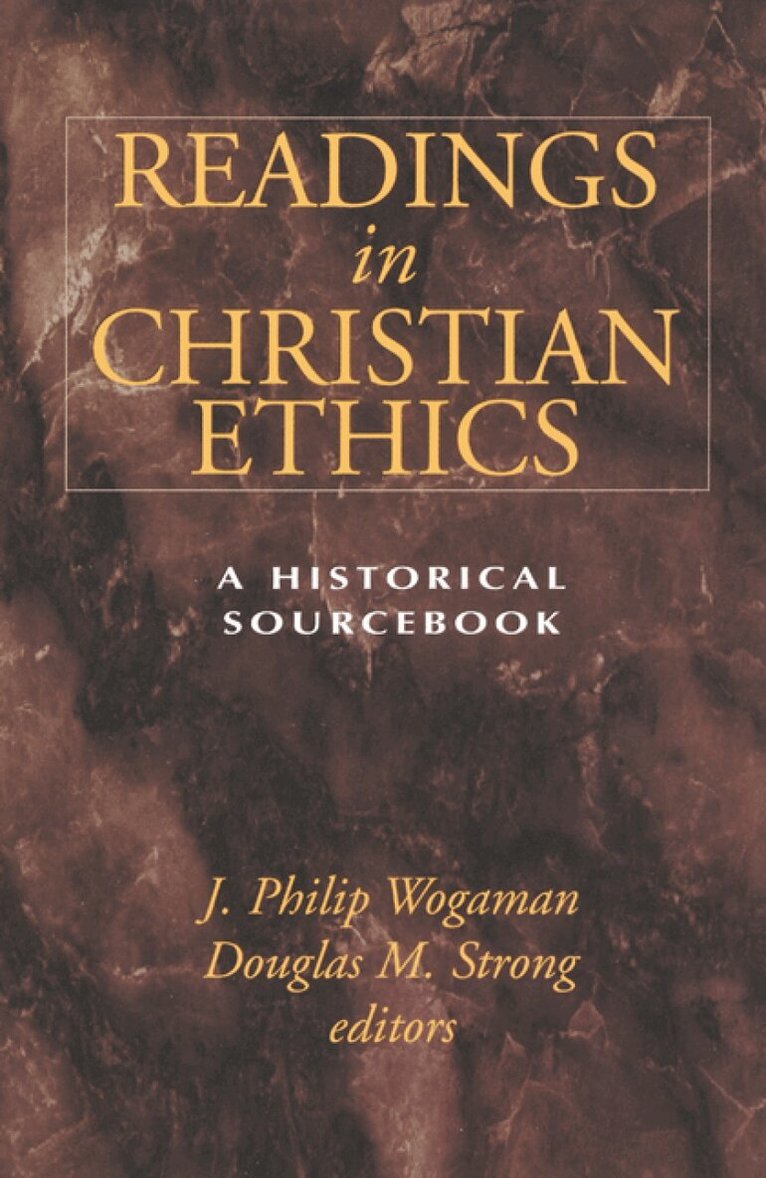
Readings in Christian Ethics
A Historical Sourcebook
Av wogaman, J. Philip Wogaman m. fl.
Häftad, 1996
543 kr
Lägg i varukorg
Readings in Christian Ethics presents in one volume the most consequential ethical writings from the earliest days of Christianity through the late twentieth century. Introductory material for each selection is provided to help set each piece in its proper historical and social context.
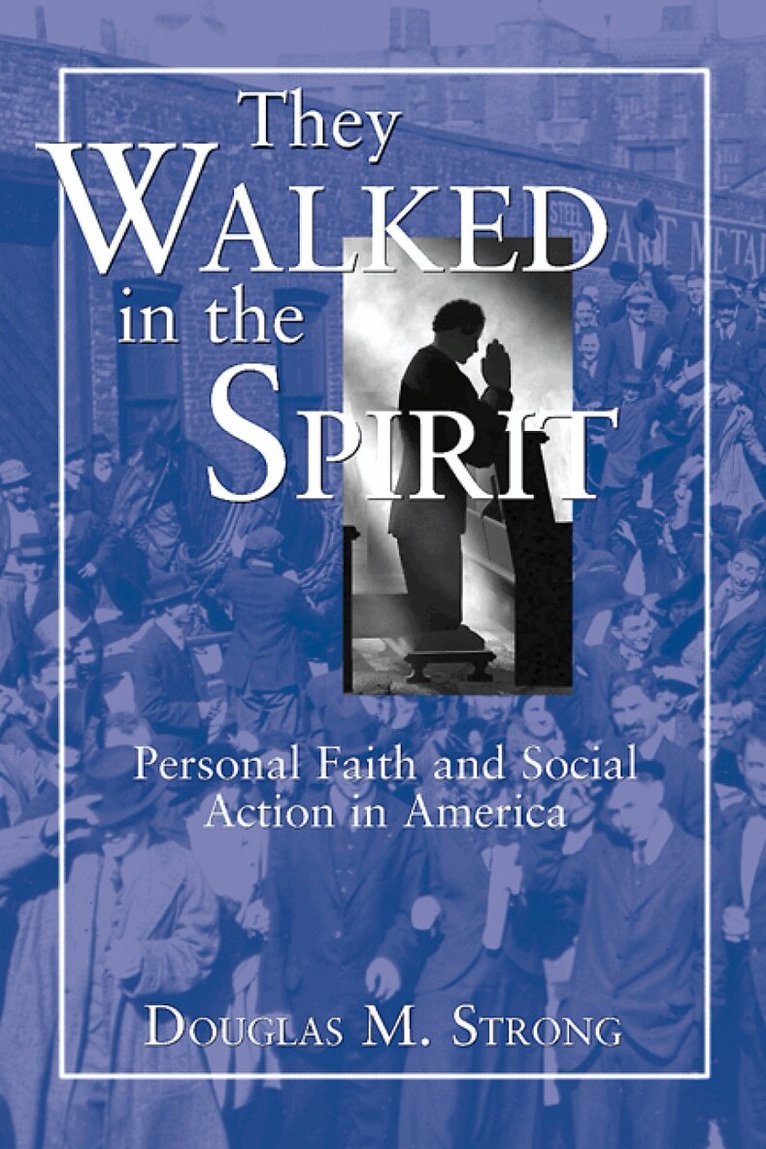
They Walked in the Spirit
Personal Faith and Social Action in America
Av Douglas M. Strong, Douglas M. Strong
Häftad, 1997
356 kr
Lägg i varukorg
Many believe that American Protestantism has long been divided into two groups: those concerned with the impact of religion in the public sphere and those concerned with private faith, individual morality, and personal evangelism. Douglas Strong provides examples of people over the last 150 years …
Awakening to Justice
Faithful Voices from the Abolitionist Past
Av Seattle Pacific University The Dialogue on Race and Faith, Jemar Tisby m. fl.
Häftad, 2024
354 kr
Lägg i varukorg
"O where are the sympathies of Christians for the slave and where are their exertions for their liberation? . . . It seems as if the church were asleep." David Ingraham, 1839 In 2015, the historian Chris Momany helped discover a manuscript that had been forgotten in a storage closet at Adrian …
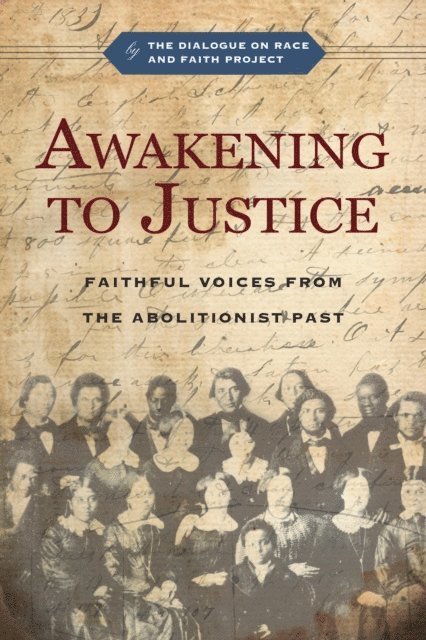
Awakening to Justice
Faithful Voices from the Abolitionist Past
Av Estrelda Y. Alexander, Albert G. Miller m. fl.
E-bok, 2024
303 kr
Lägg i varukorg
"O where are the sympathies of Christians for the slave and where are their exertions for their liberation? . . . It seems as if the church were asleep."David Ingraham, 1839In 2015, the historian Chris Momany helped discover a manuscript that had been forgotten in a storage closet at Adrian College …
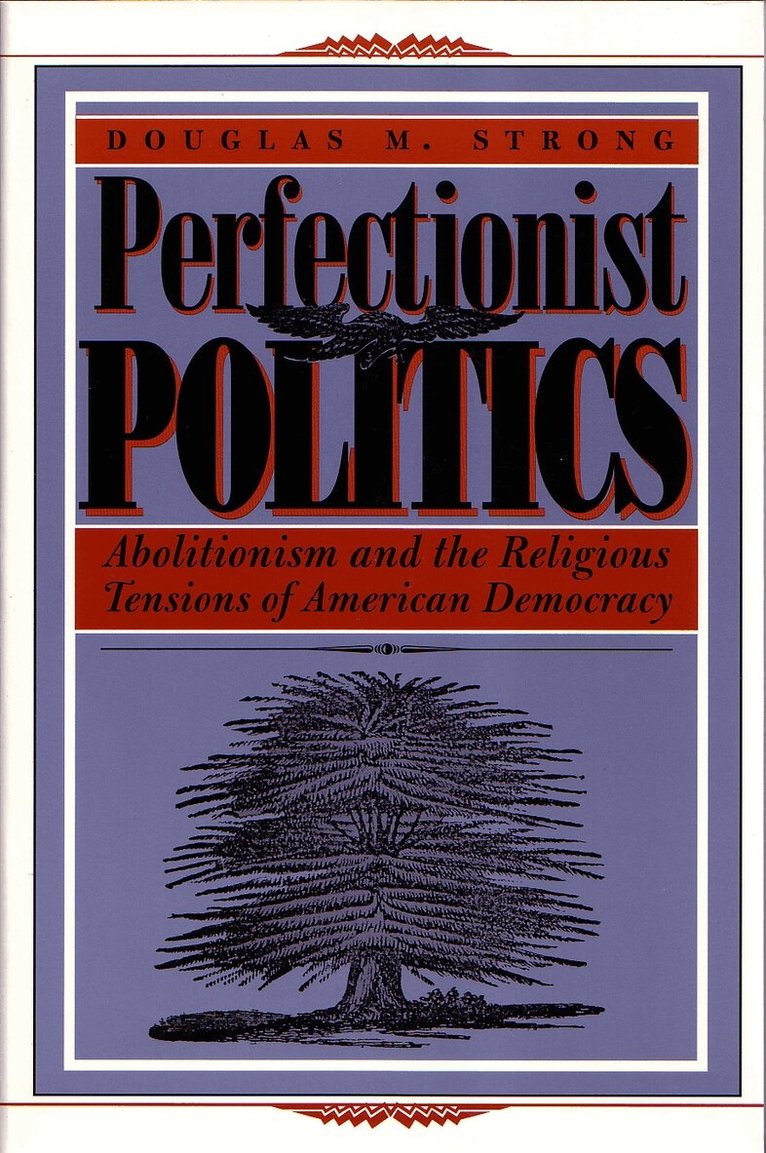
Perfectionist Politics
Abolitionism and the Religious Tensions of American Democracy
Häftad, 2001
217 kr
Tillfälligt slut
This work covers the story of an important antebellum reform movement: ecclesiastical abolitionism. It covers the struggle among the most radical religions to purge their churches and society of sin, especially slavery, and their uncompromising efforts to force morality into political discourse.