3 059 kr
Dudley Andrew – författare
- Inbunden, Engelska, 2016The most famous name in French literary circles from the late 1950s till his death in 1981, Roland Barthes maintained a contradictory rapport with the cinema. As a cultural critic, he warned of its surreptitious ability to lead the enthralled spectator toward an acceptance of a pre-given world. As a leftist, he understood that spectacle could be turned against itself and provoke deep questioning of that pre-given world. And as an extraordinarily sensitive human being, he relished the beauty of images and the community they could bring together.
- Häftad, Engelska, 2016
634 kr
Skickas inom 5-8 vardagar
The most famous name in French literary circles from the late 1950s till his death in 1981, Roland Barthes maintained a contradictory rapport with the cinema. As a cultural critic, he warned of its surreptitious ability to lead the enthralled spectator toward an acceptance of a pre-given world. As a leftist, he understood that spectacle could be turned against itself and provoke deep questioning of that pre-given world. And as an extraordinarily sensitive human being, he relished the beauty of images and the community they could bring together. - E-bokPDF, Engelska, 2016
531 kr
Läs direkt efter köp
The most famous name in French literary circles from the late 1950s till his death in 1981, Roland Barthes maintained a contradictory rapport with the cinema. As a cultural critic, he warned of its surreptitious ability to lead the enthralled spectator toward an acceptance of a pre-given world. As a leftist, he understood that spectacle could be turned against itself and provoke deep questioning of that pre-given world. And as an extraordinarily sensitive human being, he relished the beauty of images and the community they could bring together. - E-bokEngelska, 2016
495 kr
Läs direkt efter köp
The most famous name in French literary circles from the late 1950s till his death in 1981, Roland Barthes maintained a contradictory rapport with the cinema. As a cultural critic, he warned of its surreptitious ability to lead the enthralled spectator toward an acceptance of a pre-given world. As a leftist, he understood that spectacle could be turned against itself and provoke deep questioning of that pre-given world. And as an extraordinarily sensitive human being, he relished the beauty of images and the community they could bring together. - E-bokPDF, Engelska, 2025
93 kr
Läs direkt efter köp
It is often claimed that the French invented cinema. Dominating the production and distribution of cinema until World War 1, when they were supplanted by Hollywood, the French cinema industry encompassed all genres, from popular entertainment to avant-garde practice. The French invented the "auteur" and the "ciné-club"; they incubated criticism from the 1920s to our own day that is unrivalled; and they boast more film journals, fan magazines, TV shows, and festivals devoted to film than anywhere else. This Very Short Introduction opens up French cinema through focusing on some of its most notable works, using the lens of the New Wave decade (1958-1968) that changed cinema worldwide. Exploring the entire French cinematic oeuvre, Dudley Andrew teases out distinguishing themes, tendencies, and lineages, to bring what is most crucial about French Cinema into alignment. He discusses how style has shaped the look of female stars and film form alike, analysing the "made up" aesthetic of many films, and the paradoxical penchant for French cinema to cruelly unmask surface beauty in quests for authenticity. Discussing how French cinema as a whole pits strong-willed characters against auteurs with high-minded ideas of film art, funded by French cinema''s close rapport to literature, painting, and music, Dudley considers how the New Wave emerged from these struggles, becoming an emblem of ambition for cinema that persists today. He goes on to show how the values promulgated by the New Wave directors brought the three decades that preceded it into focus, and explores the deep resonance of those values today, fifty years later. ABOUT THE SERIES: The Very Short Introductions series from Oxford University Press contains hundreds of titles in almost every subject area. These pocket-sized books are the perfect way to get ahead in a new subject quickly. Our expert authors combine facts, analysis, perspective, new ideas, and enthusiasm to make interesting and challenging topics highly readable. - E-bokEngelska, 2023
92 kr
Läs direkt efter köp
It is often claimed that the French invented cinema. Dominating the production and distribution of cinema until World War 1, when they were supplanted by Hollywood, the French cinema industry encompassed all genres, from popular entertainment to avant-garde practice. The French invented the "auteur" and the "ciné-club"; they incubated criticism from the 1920s to our own day that is unrivalled; and they boast more film journals, fan magazines, TV shows, and festivals devoted to film than anywhere else. This Very Short Introduction opens up French cinema through focusing on some of its most notable works, using the lens of the New Wave decade (1958-1968) that changed cinema worldwide. Exploring the entire French cinematic oeuvre, Dudley Andrew teases out distinguishing themes, tendencies, and lineages, to bring what is most crucial about French Cinema into alignment. He discusses how style has shaped the look of female stars and film form alike, analysing the "made up" aesthetic of many films, and the paradoxical penchant for French cinema to cruelly unmask surface beauty in quests for authenticity. Discussing how French cinema as a whole pits strong-willed characters against auteurs with high-minded ideas of film art, funded by French cinema''s close rapport to literature, painting, and music, Dudley considers how the New Wave emerged from these struggles, becoming an emblem of ambition for cinema that persists today. He goes on to show how the values promulgated by the New Wave directors brought the three decades that preceded it into focus, and explores the deep resonance of those values today, fifty years later. ABOUT THE SERIES: The Very Short Introductions series from Oxford University Press contains hundreds of titles in almost every subject area. These pocket-sized books are the perfect way to get ahead in a new subject quickly. Our expert authors combine facts, analysis, perspective, new ideas, and enthusiasm to make interesting and challenging topics highly readable. - Häftad, Engelska, 2023
114 kr
Skickas inom 5-8 vardagar
It is often claimed that the French invented cinema. Dominating the production and distribution of cinema until World War 1, when they were supplanted by Hollywood, the French cinema industry encompassed all genres, from popular entertainment to avant-garde practice. The French invented the "auteur" and the "ciné-club"; they incubated criticism from the 1920s to our own day that is unrivalled; and they boast more film journals, fan magazines, TV shows, and festivals devoted to film than anywhere else. This Very Short Introduction opens up French cinema through focusing on some of its most notable works, using the lens of the New Wave decade (1958-1968) that changed cinema worldwide. Exploring the entire French cinematic oeuvre, Dudley Andrew teases out distinguishing themes, tendencies, and lineages, to bring what is most crucial about French Cinema into alignment. He discusses how style has shaped the look of female stars and film form alike, analysing the "made up" aesthetic of many films, and the paradoxical penchant for French cinema to cruelly unmask surface beauty in quests for authenticity. Discussing how French cinema as a whole pits strong-willed characters against auteurs with high-minded ideas of film art, funded by French cinema's close rapport to literature, painting, and music, Dudley considers how the New Wave emerged from these struggles, becoming an emblem of ambition for cinema that persists today. He goes on to show how the values promulgated by the New Wave directors brought the three decades that preceded it into focus, and explores the deep resonance of those values today, fifty years later. ABOUT THE SERIES: The Very Short Introductions series from Oxford University Press contains hundreds of titles in almost every subject area. These pocket-sized books are the perfect way to get ahead in a new subject quickly. Our expert authors combine facts, analysis, perspective, new ideas, and enthusiasm to make interesting and challenging topics highly readable. - Inbunden, Engelska, 2011
1 163 kr
Skickas inom 7-10 vardagar
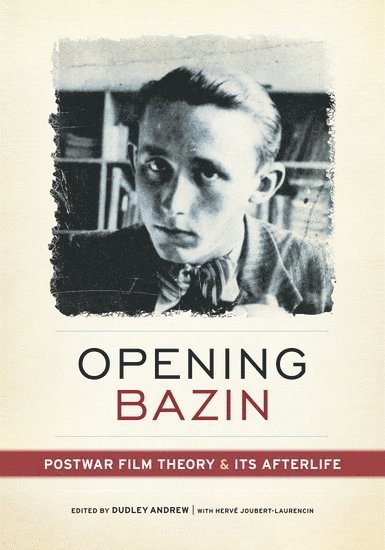
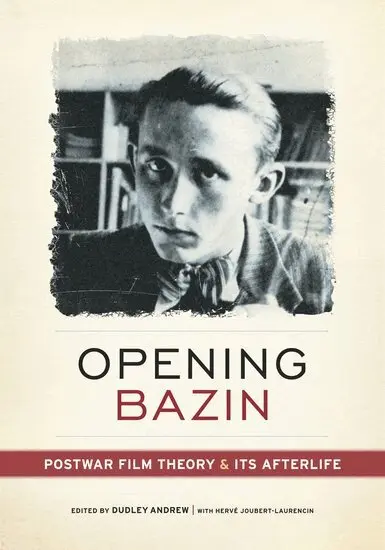
Andre Bazin remains one of the most read, most studied, and most engaging figures ever to have written about film. He is indisputably the cinema's most influential philosopher-critic. Always an important presence within cinema theory, Bazin, who died just over fifty years ago, has seen a massive resurgence of interest among critics, scholars, and students of every persuasion. The journal that he founded in 1951, Cahiers du Cinéma, marked the anniversary year of his death by republishing a dozen of his uncollected essays while Film Comment and Film Quarterly in the US published memorial issues; conferences were held worldwide. Last year also saw the opening of an electronic Bazin archive which consists of his entire output of 2600 pieces on a fascinating array of topics. These events represent an ideal springboard for a major collection about Bazin. The proposed volume will include essays from the best scholars of French cinema in the US and abroad. The contributors represent a pantheon of several generations of the very best film scholars: Gunning, Frodon, Margulies, Conley, MacCabe, Narboni, Vernet, Finally, Fifty years after his death, André Bazin's full range of articles has been catalogued. Armed with this, 33 scholars from four continents have opened Bazin up in this new century, tracing his lineage, debating his aesthetics, locating him in the rich cultural moment of postwar France, and tracking the effect of his thought around the world. This volume reinforces his preeminence as the most gifted and influential of all writers on film. - Häftad, Engelska, 2011
854 kr
Skickas inom 5-8 vardagar
Andre Bazin remains one of the most read, most studied, and most engaging figures ever to have written about film. He is indisputably the cinema's most influential philosopher-critic. Always an important presence within cinema theory, Bazin, who died just over fifty years ago, has seen a massive resurgence of interest among critics, scholars, and students of every persuasion. The journal that he founded in 1951, Cahiers du Cinéma, marked the anniversary year of his death by republishing a dozen of his uncollected essays while Film Comment and Film Quarterly in the US published memorial issues; conferences were held worldwide. Last year also saw the opening of an electronic Bazin archive which consists of his entire output of 2600 pieces on a fascinating array of topics. These events represent an ideal springboard for a major collection about Bazin. The proposed volume will include essays from the best scholars of French cinema in the US and abroad. The contributors represent a pantheon of several generations of the very best film scholars: Gunning, Frodon, Margulies, Conley, MacCabe, Narboni, Vernet, Finally, Fifty years after his death, André Bazin's full range of articles has been catalogued. Armed with this, 33 scholars from four continents have opened Bazin up in this new century, tracing his lineage, debating his aesthetics, locating him in the rich cultural moment of postwar France, and tracking the effect of his thought around the world. This volume reinforces his preeminence as the most gifted and influential of all writers on film. - E-bokPDF, Engelska, 2011
495 kr
Läs direkt efter köp
With the full range of his voluminous writings finally viewable, André Bazin seems more deserving than ever to be considered the most influential of all writers on film. His brief career, 1943-58, helped bring about the leap from classical cinema to the modern art of Renoir, Welles, and neorealism. Founder of Cahiers du Cinéma, he encouraged the future New Wave directors to confront his telltale question, What is Cinema? This collection considers another vital question, Who is Bazin? In it, thirty three renowned film scholars--including de Baecque, Elsaesser, Gunning, and MacCabe--tackle Bazin''s meaning for the 2st century. They have found in his writings unmistakable traces of Flaubert, Bergson, Breton, and Benjamin and they have pursued this vein to the gold mine of Deleuze and Derrida. They have probed and assessed his ideas on film history, style, and technique, measuring him against today''s media regime, while measuring that regime against him. They have located the precious ore of his thought couched within striations of French postwar politics and culture, and they have revealed the unexpected effects of that thought on filmmakers and film culture on four continents. Open Bazin; you will find a treasure. - E-bokEngelska, 2011
495 kr
Läs direkt efter köp
With the full range of his voluminous writings finally viewable, André Bazin seems more deserving than ever to be considered the most influential of all writers on film. His brief career, 1943-58, helped bring about the leap from classical cinema to the modern art of Renoir, Welles, and neorealism. Founder of Cahiers du Cinéma, he encouraged the future New Wave directors to confront his telltale question, What is Cinema? This collection considers another vital question, Who is Bazin? In it, thirty three renowned film scholars--including de Baecque, Elsaesser, Gunning, and MacCabe--tackle Bazin''s meaning for the 2st century. They have found in his writings unmistakable traces of Flaubert, Bergson, Breton, and Benjamin and they have pursued this vein to the gold mine of Deleuze and Derrida. They have probed and assessed his ideas on film history, style, and technique, measuring him against today''s media regime, while measuring that regime against him. They have located the precious ore of his thought couched within striations of French postwar politics and culture, and they have revealed the unexpected effects of that thought on filmmakers and film culture on four continents. Open Bazin; you will find a treasure. - Häftad, Engelska, 2013
902 kr
Skickas inom 3-6 vardagar
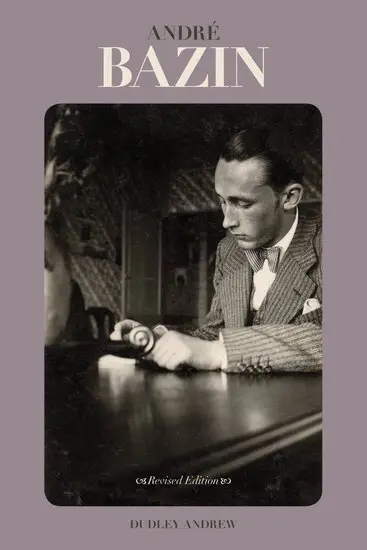
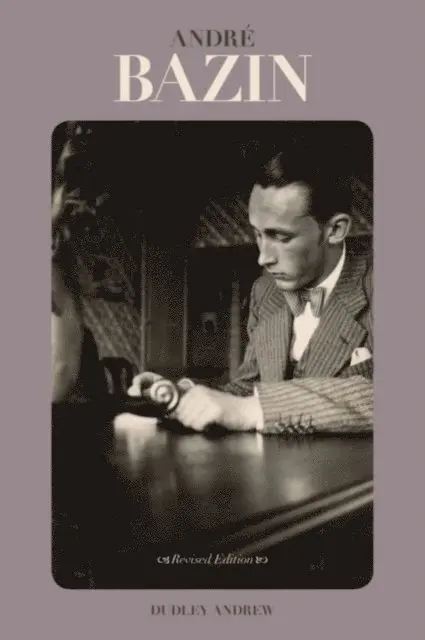
André Bazin, often dubbed the father of the French New Wave, has had an immense impact on film art. He is credited with almost single-handedly establishing the study of film as an accepted intellectual pursuit. The journal that he founded in 1951, Cahiers du Cinéma, remains the most influential archive of cinema criticism. He remains one of the most read, most studied, and most engaging figures ever to have written about film. The last few years have witnessed a massive resurgence of interest in Bazin among critics, scholars, and students of every persuasion. His writings, a mainstay of film theory courses, are now finding a place on the syllabi of core courses in film history, criticism, and appreciation. Andrew's intellectual biography is a landmark in film scholarship. - E-bokPDF, Engelska, 2013
476 kr
Läs direkt efter köp
Andr? Bazin, often dubbed the father of the French New Wave, has had an immense impact on film art. He is credited with almost single-handedly establishing the study of film as an accepted intellectual pursuit. The journal that he founded in 1951, Cahiers du Cin?ma, remains the most influential archive of cinema criticism. He remains one of the most read, most studied, and most engaging figures ever to have written about film. The last few years have witnessed a massive resurgence of interest in Bazin among critics, scholars, and students of every persuasion. His writings, a mainstay of film theory courses, are now finding a place on the syllabi of core courses in film history, criticism, and appreciation. Andrew''s intellectual biography is a landmark in film scholarship. - E-bokEngelska, 2012
476 kr
Läs direkt efter köp
Andr? Bazin, often dubbed the father of the French New Wave, has had an immense impact on film art. He is credited with almost single-handedly establishing the study of film as an accepted intellectual pursuit. The journal that he founded in 1951, Cahiers du Cin?ma, remains the most influential archive of cinema criticism. He remains one of the most read, most studied, and most engaging figures ever to have written about film. The last few years have witnessed a massive resurgence of interest in Bazin among critics, scholars, and students of every persuasion. His writings, a mainstay of film theory courses, are now finding a place on the syllabi of core courses in film history, criticism, and appreciation. Andrew''s intellectual biography is a landmark in film scholarship. - Inbunden, Engelska, 2017
1 059 kr
Skickas inom 5-8 vardagar
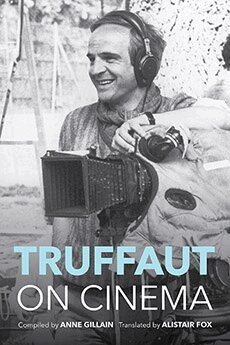
Between 1959 and 1984, French film director François Truffaut was interviewed over three hundred times. Each interview offers critical insight into the genesis of Truffaut's films as he shares the sources of his inspiration, the choice of his themes, and the development of his screenplays. In addition, Truffaut discusses his relationships with collaborators, actors, and the circumstances surrounding the shooting of each film. These texts, originally assembled by Anne Gillain and published in French in 1988, are presented here in a montage arranged chronologically by film. This compilation includes an impressive array of reflections on cinema as an art form. Truffaut defines the aims and practices of the French New Wave, comparing their efforts to the films made by their predecessors and including comments that encompass the entire history of cinema. Truffaut on Cinema provides commentary on contemporary events, a wealth of biographical information, and Truffaut's own artistic itinerary. - Häftad, Engelska, 2017
446 kr
Skickas inom 5-8 vardagar
Between 1959 and 1984, French film director François Truffaut was interviewed over three hundred times. Each interview offers critical insight into the genesis of Truffaut's films as he shares the sources of his inspiration, the choice of his themes, and the development of his screenplays. In addition, Truffaut discusses his relationships with collaborators, actors, and the circumstances surrounding the shooting of each film. These texts, originally assembled by Anne Gillain and published in French in 1988, are presented here in a montage arranged chronologically by film. This compilation includes an impressive array of reflections on cinema as an art form. Truffaut defines the aims and practices of the French New Wave, comparing their efforts to the films made by their predecessors and including comments that encompass the entire history of cinema. Truffaut on Cinema provides commentary on contemporary events, a wealth of biographical information, and Truffaut's own artistic itinerary. - Häftad, Engelska, 1997
395 kr
Skickas inom 10-15 vardagar
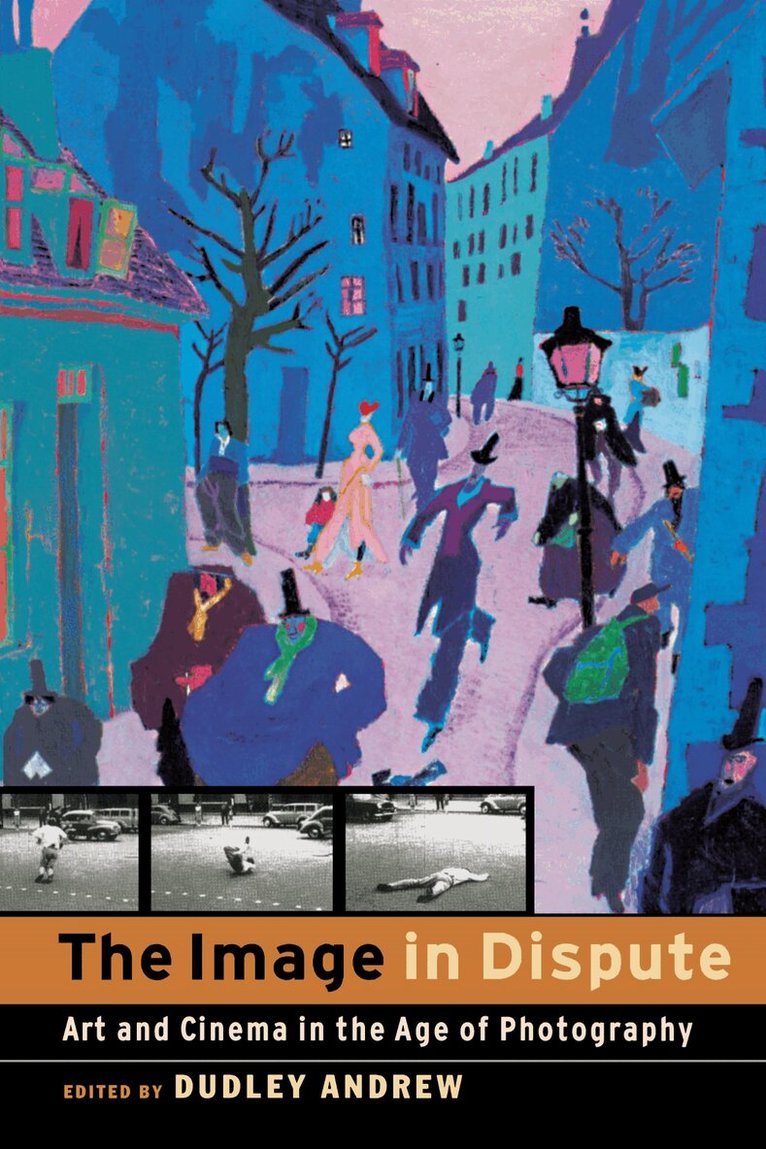
Photography, cinema, and video have irrevocably changed the ways in which we view and interpret images. Indeed, the mechanical reproduction of images was a central preoccupation of twentieth-century philosopher Walter Benjamin, who recognized that film would become a vehicle not only for the entertainment of the masses but also for consumerism and even communism and fascism.In this volume, experts in film studies and art history take up the debate, begun by Benjamin, about the power and scope of the image in a secular age. Part I aims to bring Benjamin's concerns to life in essays that evoke specific aspects and moments of the visual culture he would have known. Part II focuses on precise instances of friction within the traditional arts brought on by this century's changes in the value and mission of images. Part III goes straight to the image technologies themselves-photography, cinema, and video-to isolate distinctive features of the visual cultures they help constitute.As we advance into the postmodern era, in which images play an ever more central role in conveying perceptions and information, this anthology provides a crucial context for understanding the apparently irreversible shift from words to images that characterized the modernist period. It will be important reading for everyone in cultural studies, film and media studies, and art history. - Häftad, Engelska, 2014
269 kr
Skickas inom 5-8 vardagar
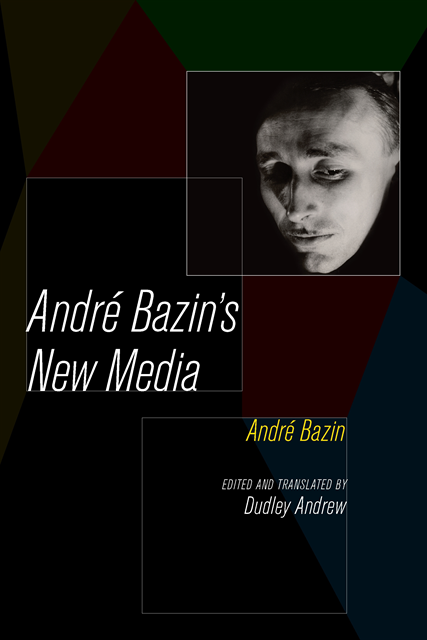
Andre Bazin's writings on cinema are among the most influential reflections on the medium ever written. Even so, his critical interests ranged widely and encompassed the new media" of the 1950s, including television, 3D film, Cinerama, and CinemaScope. Fifty-seven of his reviews and essays addressing these new technologies their artistic potential, social influence, and relationship to existing art forms have been translated here for the first time in English with notes and an introduction by leading Bazin authority Dudley Andrew. These essays show Bazin's astute approach to a range of visual media and the relevance of his critical thought to our own era of new media. An exciting companion to the essential What Is Cinema? volumes, Andre Bazin's New Media is excellent for classroom use and vital for anyone interested in the history of media. - Inbunden, Engelska, 2022
789 kr
Skickas inom 5-8 vardagar
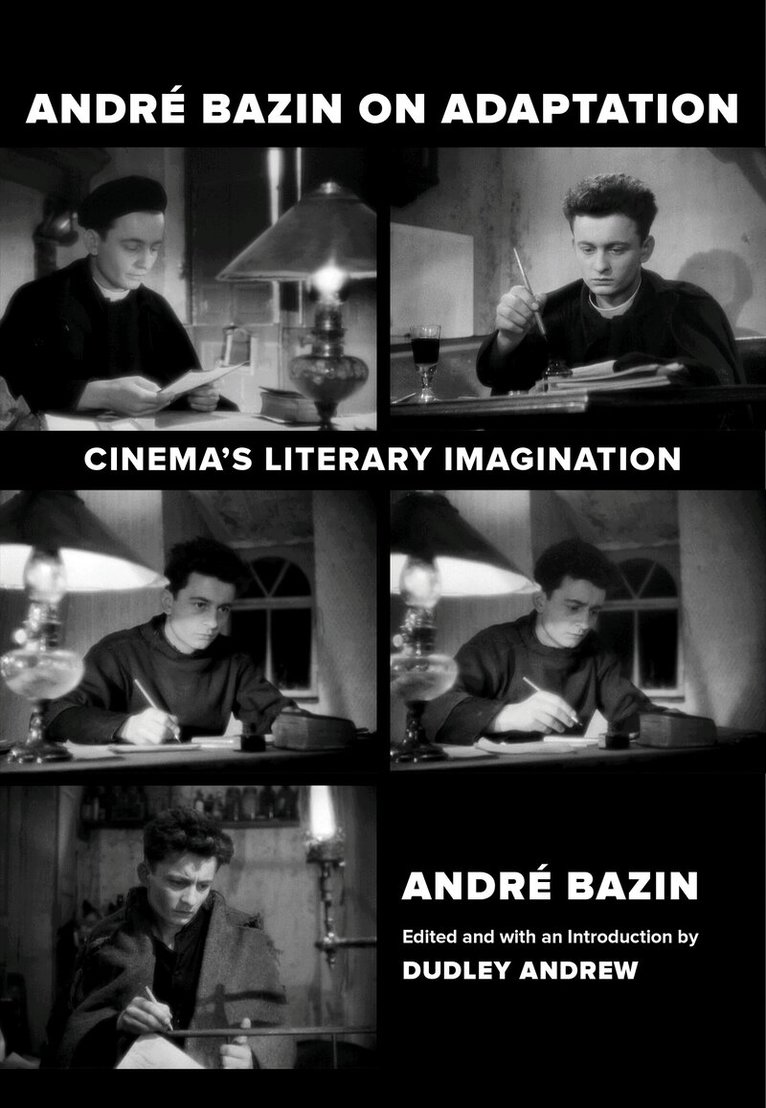
Adaptation was central to André Bazin’s lifelong query: What is cinema? Placing films alongside literature allowed him to identify the aesthetic and sociological distinctiveness of each medium. More importantly, it helped him wage his campaign for a modern conception of cinema, one that owed a great deal to developments in the novel. The critical genius of one of the greatest film and cultural critics of the twentieth century is on full display in this collection, in which readers are introduced to Bazin's foundational concepts of the relationship between film and literary adaptation. Expertly curated and with an introduction by celebrated film scholar Dudley Andrew, the book begins with a selection of essays that show Bazin’s film theory in action, followed by reviews of films adapted from renowned novels of the day (Conrad, Hemingway, Steinbeck, Colette, Sagan, Duras, and others) as well as classic novels of the nineteenth century (Bronte, Melville, Tolstoy, Balzac, Hugo, Zola, Stendhal, and more). As a bonus, two hundred and fifty years of French fiction are put into play as Bazin assesses adaptation after adaptation to determine what is at stake for culture, for literature, and especially for cinema. This volume will be an indispensable resource for anyone interested in literary adaptation, authorship, classical film theory, French film history, and André Bazin’s criticism. - Häftad, Engelska, 2022
295 kr
Skickas inom 5-8 vardagar
Adaptation was central to André Bazin’s lifelong query: What is cinema? Placing films alongside literature allowed him to identify the aesthetic and sociological distinctiveness of each medium. More importantly, it helped him wage his campaign for a modern conception of cinema, one that owed a great deal to developments in the novel. The critical genius of one of the greatest film and cultural critics of the twentieth century is on full display in this collection, in which readers are introduced to Bazin's foundational concepts of the relationship between film and literary adaptation. Expertly curated and with an introduction by celebrated film scholar Dudley Andrew, the book begins with a selection of essays that show Bazin’s film theory in action, followed by reviews of films adapted from renowned novels of the day (Conrad, Hemingway, Steinbeck, Colette, Sagan, Duras, and others) as well as classic novels of the nineteenth century (Bronte, Melville, Tolstoy, Balzac, Hugo, Zola, Stendhal, and more). As a bonus, two hundred and fifty years of French fiction are put into play as Bazin assesses adaptation after adaptation to determine what is at stake for culture, for literature, and especially for cinema. This volume will be an indispensable resource for anyone interested in literary adaptation, authorship, classical film theory, French film history, and André Bazin’s criticism. - Inbunden, Engelska, 2026
1 567 kr
Skickas inom 3-6 vardagar
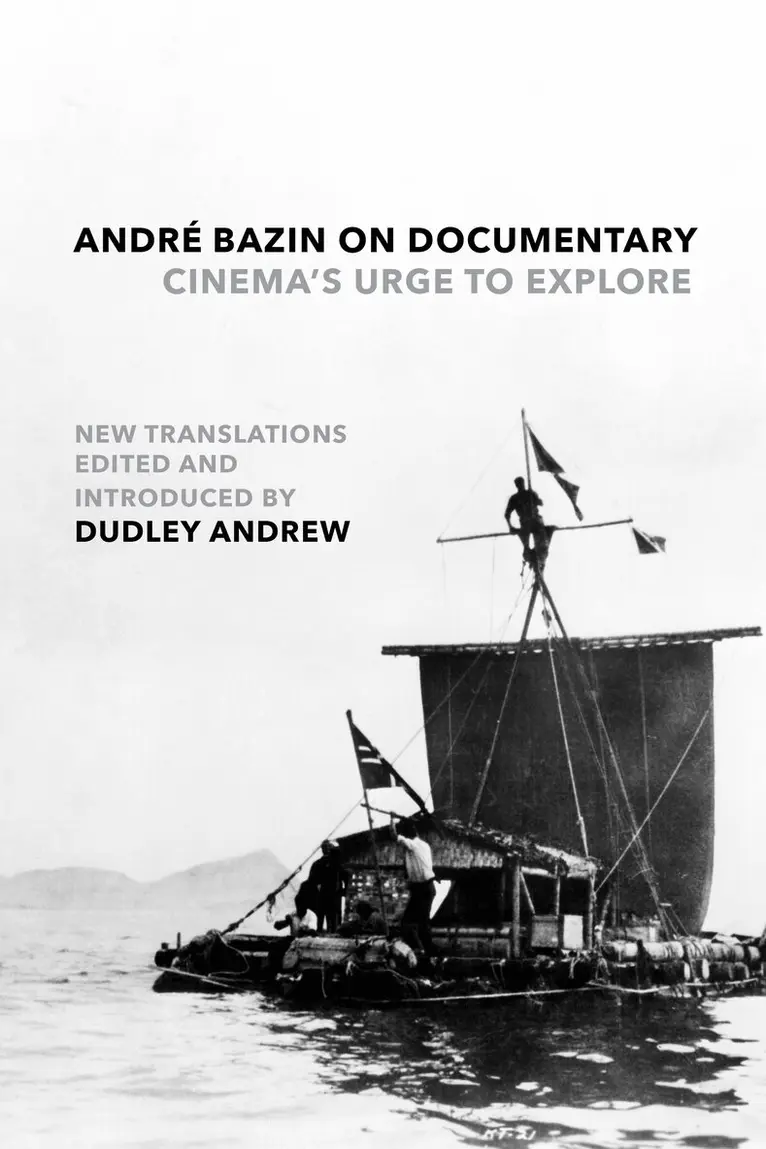
Documentary is at the core of André Bazin’s powerful views of cinema. This collection, curated by renowned film scholar Dudley Andrew, brings to English-language readers sixty-two articles in which Bazin interrogated films about geography, history, animals, painting, and, especially, distant lands and peoples. Both an advocate and critic of popular science and exotic travelogues, Bazin applauded the creativity of impure forms like docu-fiction and the genre he baptized the “essay film.” Engaging minor short subjects, as well as classic works by Robert Flaherty, Jean Rouch, Alain Resnais, and Chris Marker, Bazin’s incisive prose is at once intricately beautiful and playfully entertaining—and his brilliant reflections on both the morality and the aesthetics of documentary remain compelling and urgent today, when spectacles sold as reality flood our screens. - Häftad, Engelska, 2026
269 kr
Skickas inom 5-8 vardagar
Documentary is at the core of André Bazin’s powerful views of cinema. This collection, curated by renowned film scholar Dudley Andrew, brings to English-language readers sixty-two articles in which Bazin interrogated films about geography, history, animals, painting, and, especially, distant lands and peoples. Both an advocate and critic of popular science and exotic travelogues, Bazin applauded the creativity of impure forms like docu-fiction and the genre he baptized the “essay film.” Engaging minor short subjects, as well as classic works by Robert Flaherty, Jean Rouch, Alain Resnais, and Chris Marker, Bazin’s incisive prose is at once intricately beautiful and playfully entertaining—and his brilliant reflections on both the morality and the aesthetics of documentary remain compelling and urgent today, when spectacles sold as reality flood our screens. - E-bokEngelska, 2026
397 kr
Läs direkt efter köp
Documentary is at the core of Andre Bazin's powerful views of cinema. This collection, curated by renowned film scholar Dudley Andrew, brings to English-language readers sixty-two articles in which Bazin interrogated films about geography, history, animals, painting, and, especially, distant lands and peoples. Both an advocate and critic of popular science and exotic travelogues, Bazin applauded the creativity of impure forms like docu-fiction and the genre he baptized the "e;essay film."e; Engaging minor short subjects, as well as classic works by Robert Flaherty, Jean Rouch, Alain Resnais, and Chris Marker, Bazin's incisive prose is at once intricately beautiful and playfully entertaining-and his brilliant reflections on both the morality and the aesthetics of documentary remain compelling and urgent today, when spectacles sold as reality flood our screens. - E-bokEngelska, 2014
432 kr
Läs direkt efter köp
André Bazin’s writings on cinema are among the most influential reflections on the medium ever written. Even so, his critical interests ranged widely and encompassed the "new media" of the 1950s, including television, 3D film, Cinerama, and CinemaScope. Fifty-seven of his reviews and essays addressing these new technologies—their artistic potential, social influence, and relationship to existing art forms—have been translated here for the first time in English with notes and an introduction by leading Bazin authority Dudley Andrew. These essays show Bazin’s astute approach to a range of visual media and the relevance of his critical thought to our own era of new media. An exciting companion to the essential What Is Cinema? volumes, André Bazin’s New Media is excellent for classroom use and vital for anyone interested in the history of media. - Häftad, Engelska, 2003
503 kr
Skickas inom 5-8 vardagar
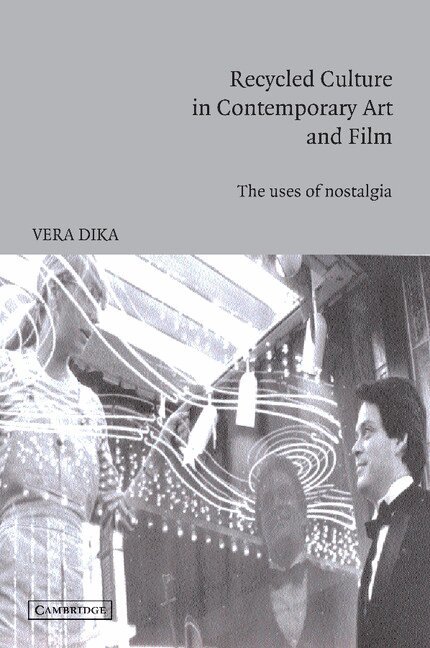
The reuse of images, plots and genres from film history has become prominent in contemporary culture. In this study, Vera Dika explores this phenomenon from a broad range of critical perspectives, examining works of art and film that resist the pull of the past. Dika provides an in-depth analysis of works in several media, including performance, photography, Punk film, and examples from mainstream American and European cinema. Proclaiming the renewed importance of the image and of genre, she investigates works as diverse as Cindy Sherman's Untitled Film Stills, Amos Poe's The Foreigner, Terence Malick's Badlands, and Francis Ford Coppola's One from the Heart. Her study positions avant-garde art work within the context of contemporary mainstream film practice, as well as in relationship to their historical moment. - Inbunden, Engelska, 1991
1 734 kr
Skickas inom 5-8 vardagar
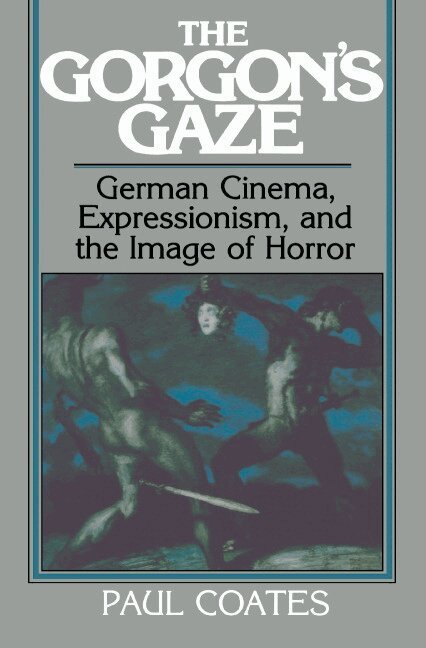
The Gorgon's Gaze is an interdisciplinary study of recurrent themes in German cinema as it has developed since the early twentieth century. Focusing on pertinent films of the pre- and post-World War II eras, Paul Coates explores the nature of expressionism, which is generally agreed to have ended with the advent of sound cinema, and its persistence in the styles of such modern masters of Film noir as Orson Welles and Ingmar Bergman. In considering the possibility of homologies between the necessary silence of pre-sound cinema and the widespread modernist aspiration to an aesthetic of silence, Coates relates theories of the sublime, the uncanny, and the monstrous to his subject. He also reflects upon problems of representability and the morality of representation of events that took place during the Nazi era. - Häftad, Engelska, 1990
448 kr
Skickas inom 5-8 vardagar
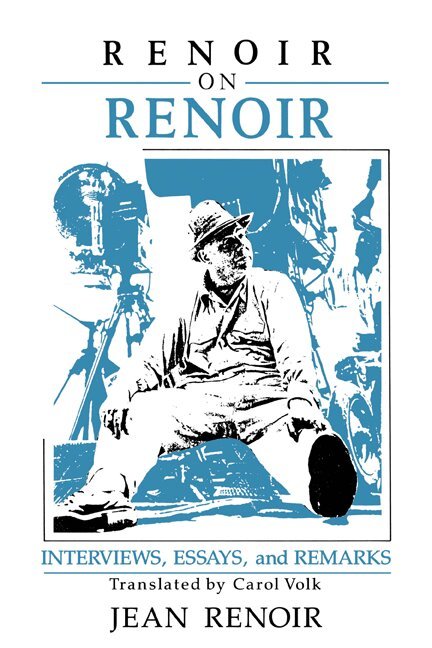
Renoir on Renoir is a 1990 collection of essays by, and interviews of, the legendary filmmaker Jean Renoir, who created such classics as The Grand Illusion, The River and The Rules of the Game. Renoir's career in cinema, which straddled the transition from silent film to the talkies, has influenced a subsequent generation of filmmakers. Between 1954 and 1967, Renoir was interviewed by such eminent filmmakers and theorists as Jacques Rivette, Francois Truffaut and Jacques Becker. The interviews were originally recorded and published in the distinguished French film review Cahiers du Cinéma, and shown on French television. They are an engaging account of Renoir's deep commitment to his chosen profession. Providing additional information on his ideas and theories on screen writing and directing, Renoir's essays also include lively anecdotes of the genesis and evolution of each of his films. They reveal behind-the-scenes of some of the masterpieces of French cinema. - Häftad, Engelska, 2005
828 kr
Skickas inom 5-8 vardagar
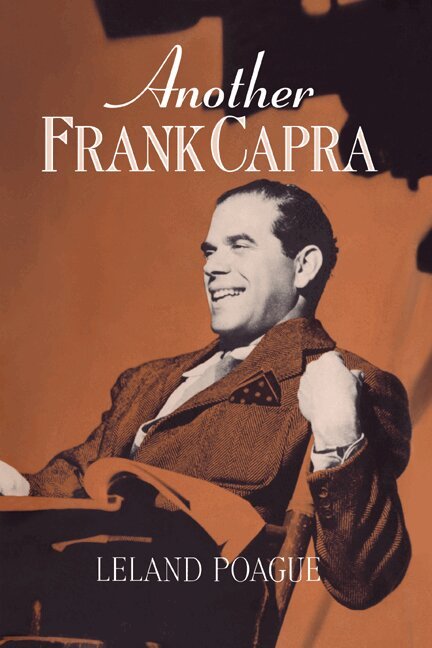
Another Frank Capra offers a new interpretation of the great Hollywood director beyond the patriotic sentimentalist or the cynical opportunist that he has been taken for. Often cast as a cinematic simpleton or primitive, Capra's exploitation of the stylistic and narrative resources of cinema was, in fact, extremely self-conscious and adventurous in ways typical of artistic modernism. His modernism is also evident in his repeated and strong identification with female characters. Informed by recent work in genre theory and feminist psychology, Another Frank Capra shows Capra to be a 'proto-feminist' director whose feminism has been entirely neglected by previous critics. - Häftad, Engelska, 1997
310 kr
Skickas inom 5-8 vardagar
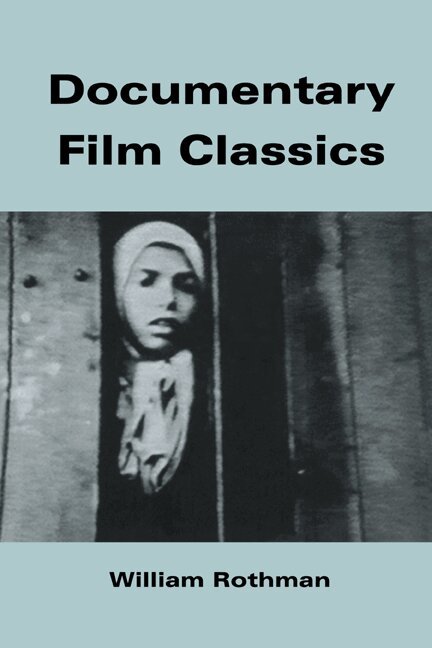
Documentary Film Classics offers close readings on a number of major films, such as Nanook of the North, Land Without Bread, Night and Fog, Chronicle of a Summer and Don't Look Back. Spanning the history of the documentary film tradition, William Rothman analyses the philosophical and historical issues and themes implicit in these works. Designed to guide film students through the 'texts' of a wide range of documentaries, his readings also focus on the achievements of these works as films per se. - Inbunden, Engelska, 1996
1 374 kr
Skickas inom 11-20 vardagar
A selection of essays written by a leading film critic, this 1996 volume examines theoretical aspects of film and television through penetrating analyses of such genres as soap opera, documentary, comedy, and such topics as 'sight gags', film metaphor, point-of-view editing, and movie music. Throughout, individual films are considered in depth. Carroll's essays, moreover, represent the cognitivist turn in film studies, containing in-depth criticism of existing approaches to film theory.