Elena Cavagnaro – Författare
Visar alla böcker från författaren Elena Cavagnaro. Handla med fri frakt och snabb leverans.
8 produkter
8 produkter
2 113 kr
Skickas inom 10-15 vardagar
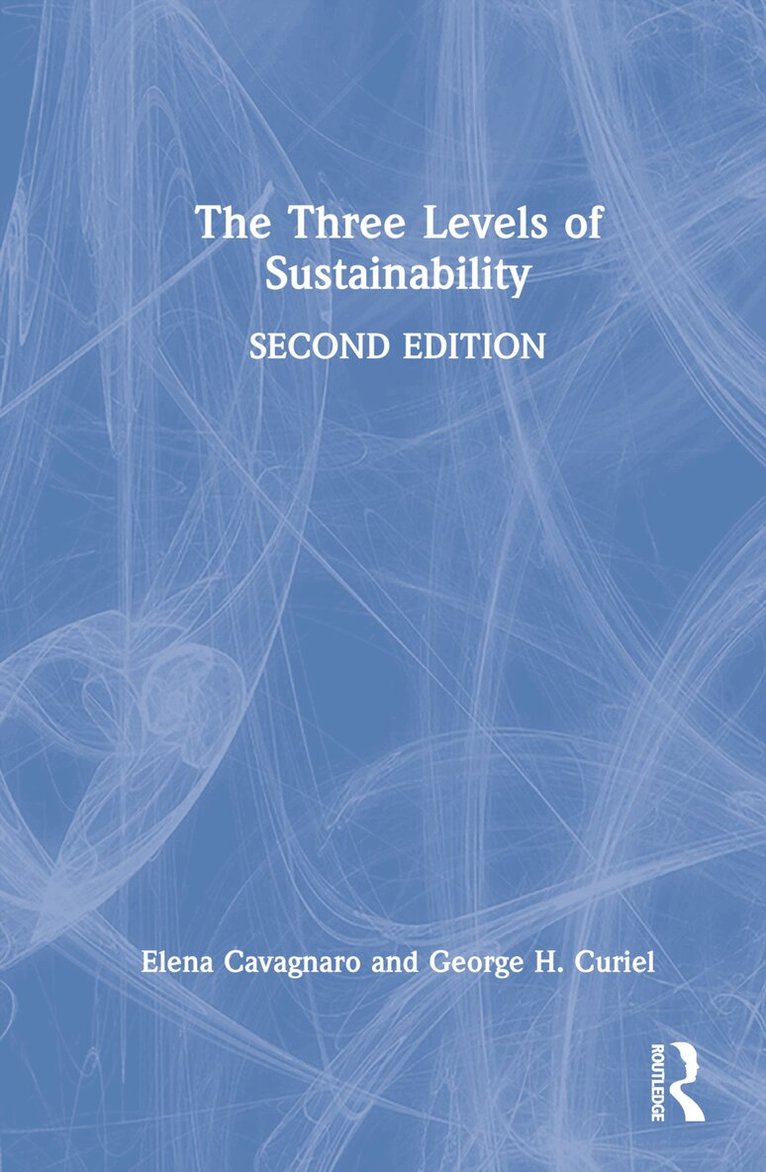
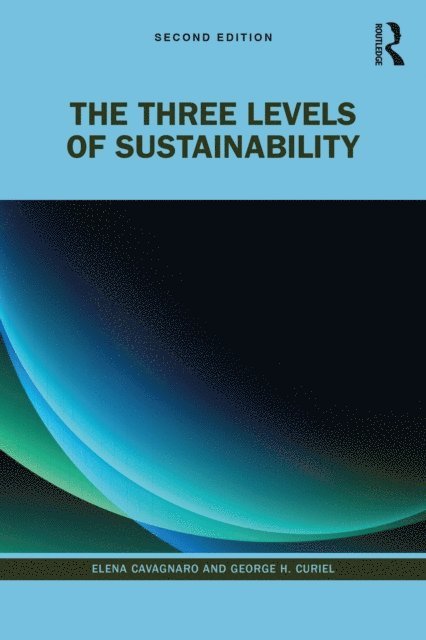
Understanding the complexity of sustainability is crucial for the leadership of business organizations, national governments, and non-governmental organizations. This second edition of the bestselling book The Three Levels of Sustainability uses the same interdependent three-level and three-dimensional framework as the first edition, encompassing societal, organizational, and individual levels, to clearly demonstrate what sustainability means and how to implement it. This new edition incorporates important developments in reporting and measuring, corporate behaviors, the impact of COVID-19, and the UN Sustainable Development Goals.More and more societies are becoming aware of their dependence on earth’s resources. However, there is still a deep-rooted lack of awareness of the connection between society’s ambitions for economic growth, earth’s limitations, and unequal distribution of wealth. Prominent institutions and organizations and their leaders rely on the conformable belief that "more quantity" equals "more quality" and that "more growth" equals "more development". Although some progress has been made since the publication of the first edition, the world is increasingly characterized by division, rising dissatisfaction, and growing inequality between countries, communities, and people. At the same time, it is anticipated that global warming will reach a point of no return between 2030 and 2052. The fundamental paradigm shift in the way the development process must be navigated is better served by a holistic and inclusive, multilevel and multidimensional approach meant to gradually align the critical institutional and individual factors essential to the pathway toward sustainable development. The book has been established as an excellent primer to explain the complex issues around sustainability for postgraduate and undergraduate students, as well as busy professionals and those already in management and leadership positions in the private, public, or non-profit sectors.
578 kr
Skickas inom 10-15 vardagar
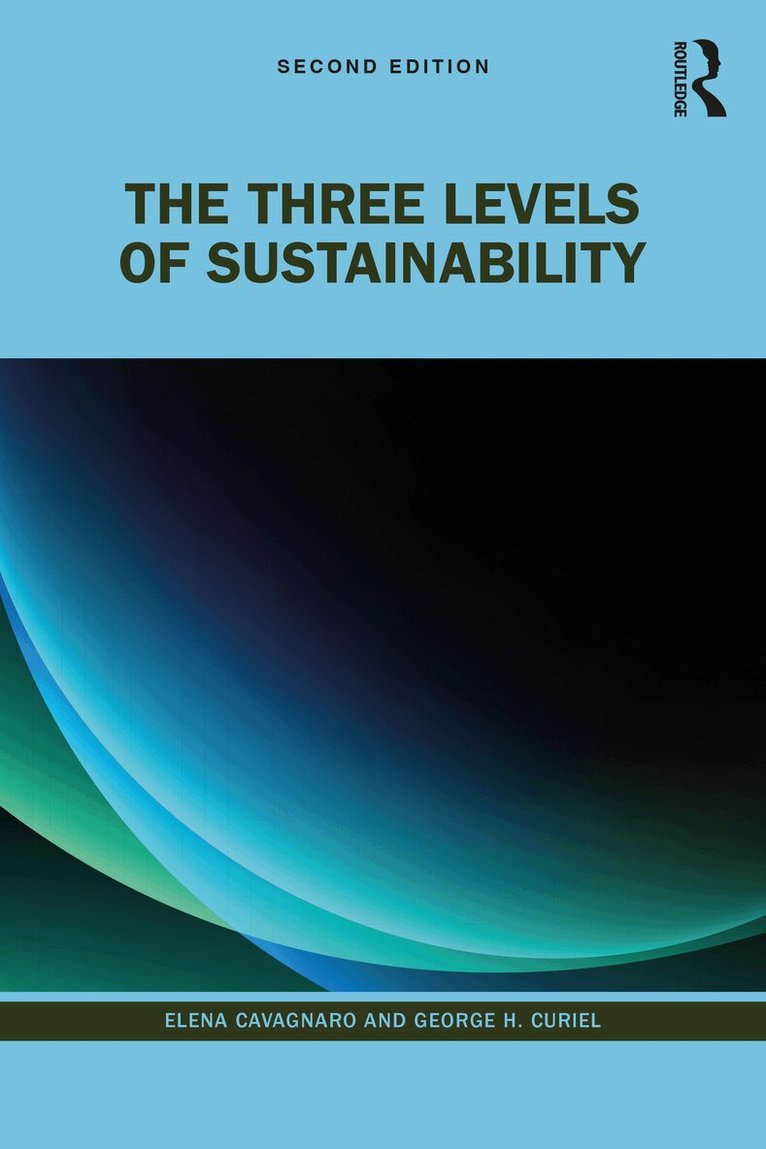
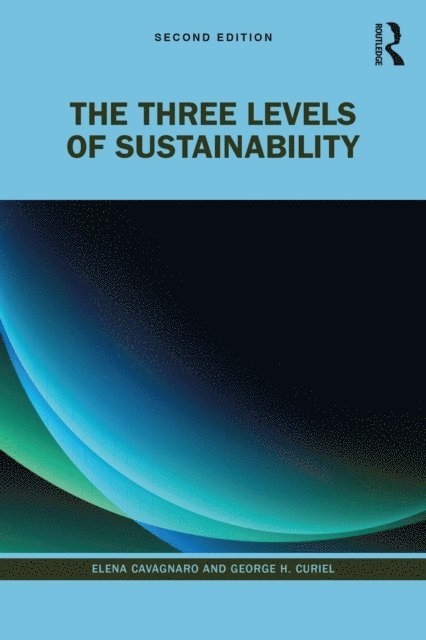
Understanding the complexity of sustainability is crucial for the leadership of business organizations, national governments, and non-governmental organizations. This second edition of the bestselling book The Three Levels of Sustainability uses the same interdependent three-level and three-dimensional framework as the first edition, encompassing societal, organizational, and individual levels, to clearly demonstrate what sustainability means and how to implement it. This new edition incorporates important developments in reporting and measuring, corporate behaviors, the impact of COVID-19, and the UN Sustainable Development Goals.More and more societies are becoming aware of their dependence on earth’s resources. However, there is still a deep-rooted lack of awareness of the connection between society’s ambitions for economic growth, earth’s limitations, and unequal distribution of wealth. Prominent institutions and organizations and their leaders rely on the conformable belief that "more quantity" equals "more quality" and that "more growth" equals "more development". Although some progress has been made since the publication of the first edition, the world is increasingly characterized by division, rising dissatisfaction, and growing inequality between countries, communities, and people. At the same time, it is anticipated that global warming will reach a point of no return between 2030 and 2052. The fundamental paradigm shift in the way the development process must be navigated is better served by a holistic and inclusive, multilevel and multidimensional approach meant to gradually align the critical institutional and individual factors essential to the pathway toward sustainable development. The book has been established as an excellent primer to explain the complex issues around sustainability for postgraduate and undergraduate students, as well as busy professionals and those already in management and leadership positions in the private, public, or non-profit sectors.
2 176 kr
Skickas inom 10-15 vardagar
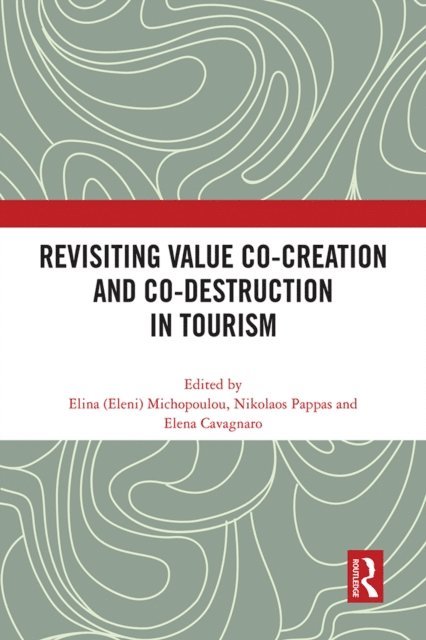
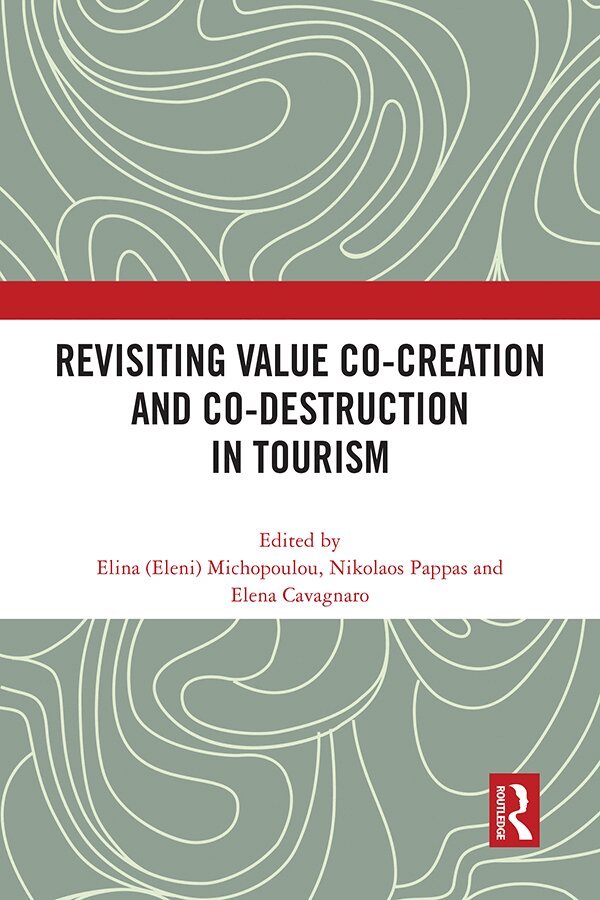
This book assists the better understanding of value co-creation and co-destruction in tourism development by bringing together different perspectives and disciplines. It provides some examples of how value can be co-created or co-destroyed within the context of tourism. Tourism is susceptible to uncertainty and incidents that can directly impact the supply and demand of its discretionary products and services. Consensus has been reached among practitioners and academics that consumer experience is more important than ever for enterprises as well as destinations, as the sector has become globalized, reached maturity and become highly competitive. Still, the pathway to success (or failure) lies within the overall satisfaction of visitors and tourists, which heavily depends on perceived value; a concept that can be co-created or co-destroyed by the very interaction between all social actors and stakeholders involved. Value creation or destruction is critical not just for traditional supply and demand, but also for an array of actors across value and distribution chains (including, for example, staff and intermediaries across the networks). The book will be of great value to scholars, students and policymakers interested in tourism studies and practices and service management, as well as professionals in the field of tourism management. The chapters were originally published as a special issue of the journal, Tourism Planning & Development.
637 kr
Skickas inom 10-15 vardagar
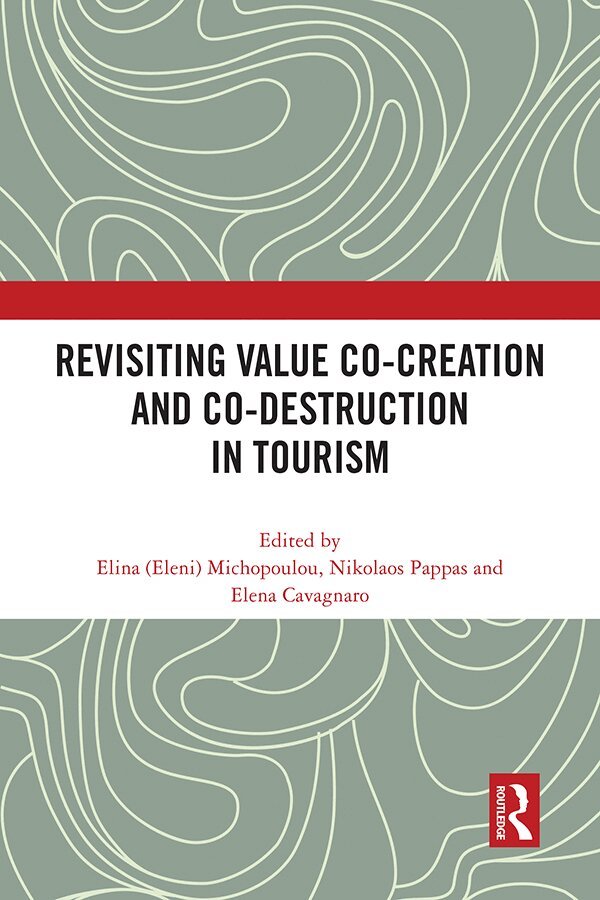
This book assists the better understanding of value co-creation and co-destruction in tourism development by bringing together different perspectives and disciplines. It provides some examples of how value can be co-created or co-destroyed within the context of tourism. Tourism is susceptible to uncertainty and incidents that can directly impact the supply and demand of its discretionary products and services. Consensus has been reached among practitioners and academics that consumer experience is more important than ever for enterprises as well as destinations, as the sector has become globalized, reached maturity and become highly competitive. Still, the pathway to success (or failure) lies within the overall satisfaction of visitors and tourists, which heavily depends on perceived value; a concept that can be co-created or co-destroyed by the very interaction between all social actors and stakeholders involved. Value creation or destruction is critical not just for traditional supply and demand, but also for an array of actors across value and distribution chains (including, for example, staff and intermediaries across the networks). The book will be of great value to scholars, students and policymakers interested in tourism studies and practices and service management, as well as professionals in the field of tourism management. The chapters were originally published as a special issue of the journal, Tourism Planning & Development.
548 kr
Skickas
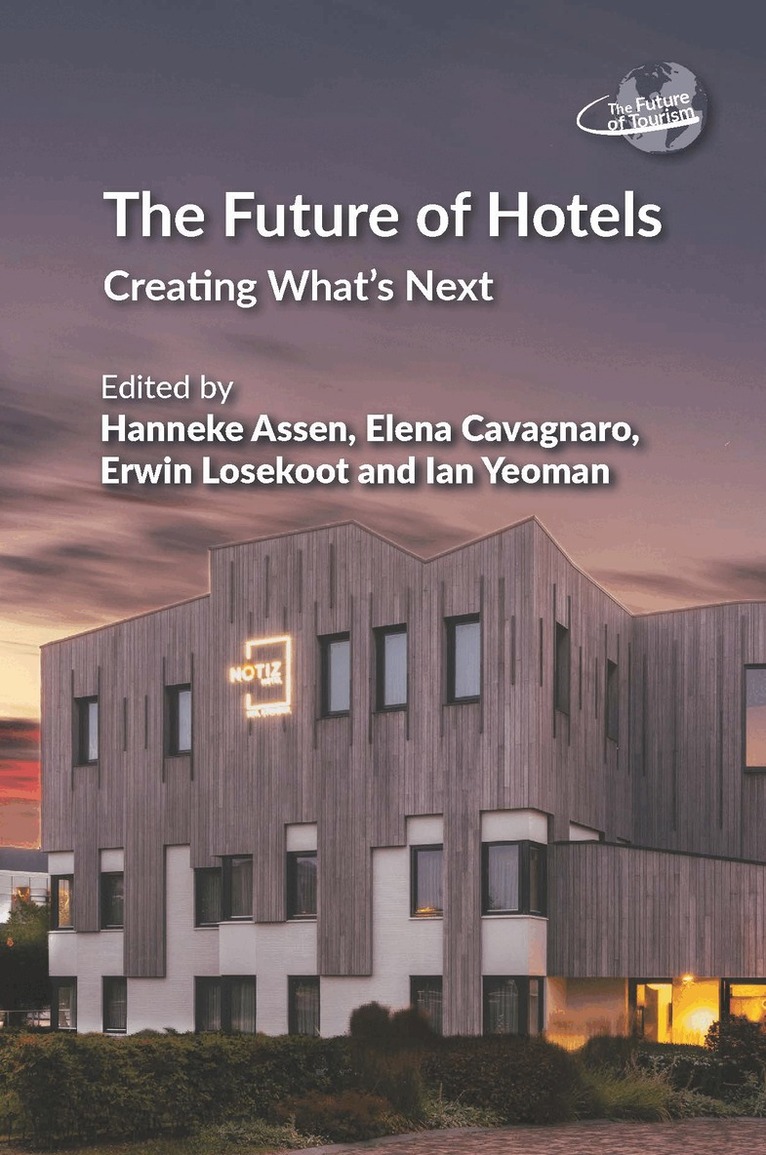
First book to focus on the future of hotels in a detailed, comprehensive and multidimensional way.This book adopts a timeline approach to explore the future of hotels to 2050 through the lens of hospitality, design, education, workforce dynamics, disruption, innovation, technology and sustainability. It examines how these interconnected domains will shape guest experiences and operational models in the decades ahead.Drawing on insights, led by the Professors of the Hotel Management School Leeuwarden, the research highlights the importance of strategic foresight and interdisciplinary collaboration in navigating emerging challenges. By integrating academic perspectives and industry trends, the work contributes to a deeper understanding of how hotels can evolve into adaptive, resilient and guest-centric environments.
1 776 kr
Skickas inom 5-8 vardagar
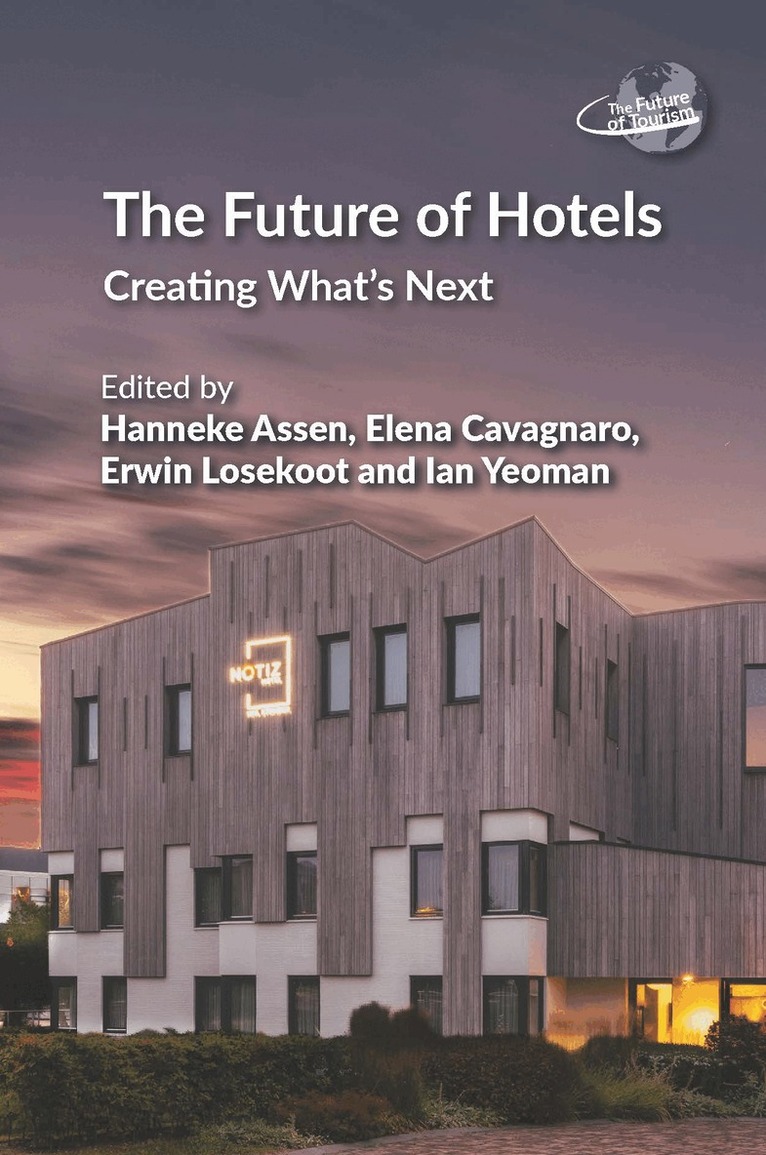
First book to focus on the future of hotels in a detailed, comprehensive and multidimensional way.This book adopts a timeline approach to explore the future of hotels to 2050 through the lens of hospitality, design, education, workforce dynamics, disruption, innovation, technology and sustainability. It examines how these interconnected domains will shape guest experiences and operational models in the decades ahead.Drawing on insights, led by the Professors of the Hotel Management School Leeuwarden, the research highlights the importance of strategic foresight and interdisciplinary collaboration in navigating emerging challenges. By integrating academic perspectives and industry trends, the work contributes to a deeper understanding of how hotels can evolve into adaptive, resilient and guest-centric environments.
575 kr
Skickas
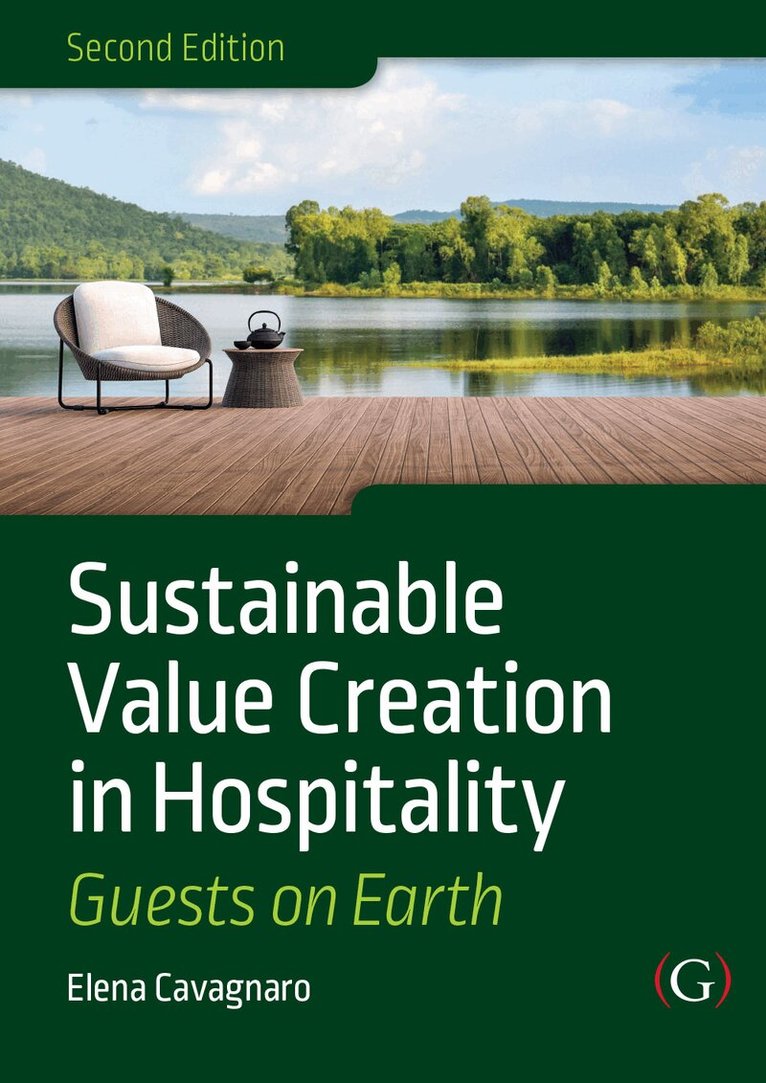
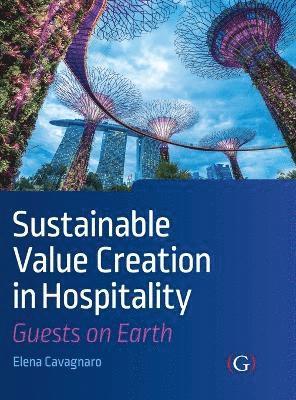
Fully revised and updated, the second edition of this important text contains brands new cases studies and a completely new chapter devoted to AI. Based on theory and practice, it takes the reader through the four major areas in which value is created in the hotel industry (distribution; buildings; procurement and operations) and this is used as a overreaching framework to address the specific sustainability challenges both faced in each area as well as the sustainable best practices in each. It analyses environmental, economic and social value in the industry, and what can be done to maximise the good for all the stakeholders in the long term. In an accessible and structured manner, it delivers: •A clear focus on the four major areas in which value is created in the hotel industry- distribution; buildings; procurement and operations; •A clear description and analysis of the key sustainability challenges faced in each area; •A wide range of international industry cases;•Chapters structured with clear introductions, summaries and learning outcomes. It is an ideal text for students on bachelors and masters courses in Hospitality Management, Hotel Management and Tourism Management and for practitioners in the hospitality sector.
1 633 kr
Skickas inom 5-8 vardagar
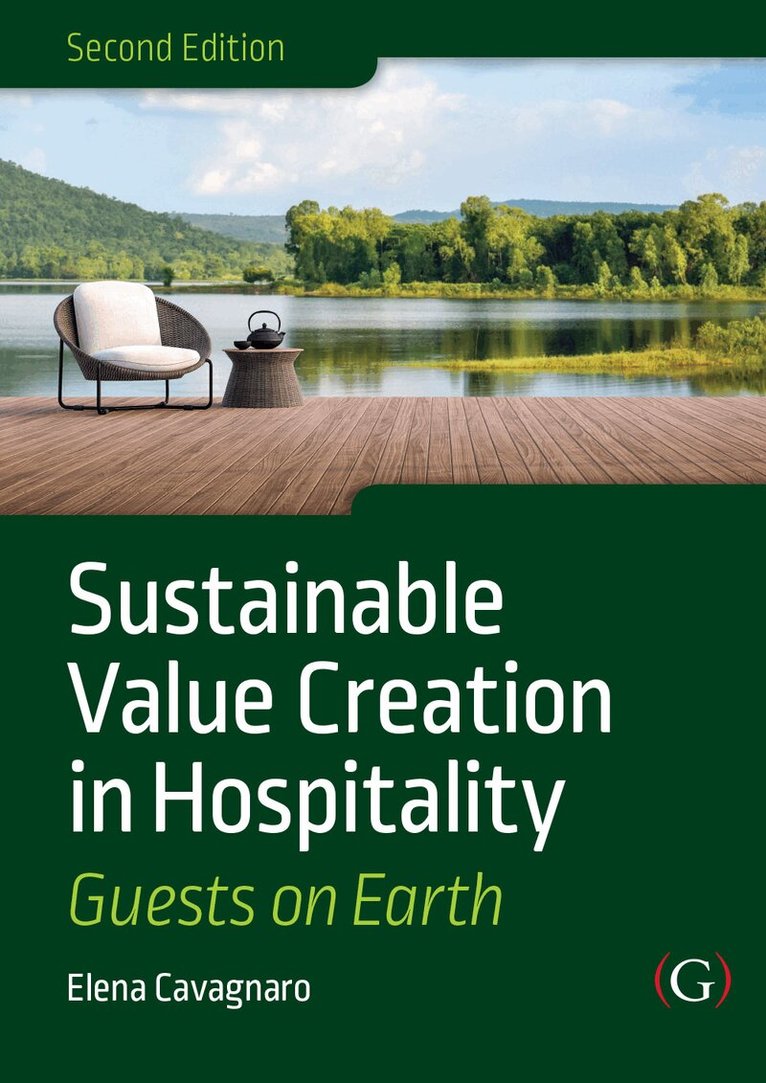
Fully revised and updated, the second edition of this important text contains brands new cases studies and a completely new chapter devoted to AI. Based on theory and practice, it takes the reader through the four major areas in which value is created in the hotel industry (distribution; buildings; procurement and operations) and this is used as a overreaching framework to address the specific sustainability challenges both faced in each area as well as the sustainable best practices in each. It analyses environmental, economic and social value in the industry, and what can be done to maximise the good for all the stakeholders in the long term. In an accessible and structured manner, it delivers: •A clear focus on the four major areas in which value is created in the hotel industry- distribution; buildings; procurement and operations; •A clear description and analysis of the key sustainability challenges faced in each area; •A wide range of international industry cases;•Chapters structured with clear introductions, summaries and learning outcomes. It is an ideal text for students on bachelors and masters courses in Hospitality Management, Hotel Management and Tourism Management and for practitioners in the hospitality sector.