Elisabeth Prügl - Böcker
Visar alla böcker från författaren Elisabeth Prügl. Handla med fri frakt och snabb leverans.
11 produkter
11 produkter
1 064 kr
Skickas inom 10-15 vardagar
This volume provides an overview of EU actions seeking to manage diversity, introduces a conceptual framework to think about diversity in the European Union, and provides a tapestry of cases that illustrate minority politics and activism, contestations over identity and difference, and the construction of new meanings of European citizenship.
Global Construction of Gender
Home-Based Work in the Political Economy of the 20th Century
Inbunden, Engelska, 1999
2 127 kr
Skickas inom 3-6 vardagar
Gender constructions do not stop at state boundaries. Global understandings of masculinity and femininity can emerge out of the matrix of international politics. Proposing an innovative conception of global politics by de-emphasizing state actors and instead analyzing competing transnational discourses, The Global Construction of Gender focuses specifically on people who work at home for pay. Prugl explores the debates and rhetoric surrounding home-based workers that have taken place in global movements and multilateral organizations since the early 1900s in order to trace changing conceptions of gender over the course of this century. As Prugl relates, home-based workers, both urban and rural, engage in a broad array of activities: they "sew garments, embroider, make lace, roll cigarettes, weave carpets, peel shrimp, prepare food, polish plastic, process insurance claims, edit manuscripts, and assemble artificial flowers, umbrellas, and jewelry." These (mostly female) workers are widely recognized as underpaid and exploited.In investigating their plight, Prugl describes the rules that have separated home and work and, in the process, created a diverse array of distinctly gendered identities, including that of the working mother as a social problem, the wage-earning worker as a male breadwinner, the crafts-producing woman as the symbol of Third World nationhood, the woman micro-entrepreneur as the heroine of structural adjustment, and the new androgynous home-based consultant/freelancer/teleworker as the exemplary worker of a flexibly organized global economy.
Global Construction of Gender
Home-Based Work in the Political Economy of the 20th Century
Häftad, Engelska, 1999
282 kr
Skickas inom 7-10 vardagar
Gender constructions do not stop at state boundaries. Global understandings of masculinity and femininity can emerge out of the matrix of international politics. Proposing an innovative conception of global politics by de-emphasizing state actors and instead analyzing competing transnational discourses, The Global Construction of Gender focuses specifically on people who work at home for pay. Prugl explores the debates and rhetoric surrounding home-based workers that have taken place in global movements and multilateral organizations since the early 1900s in order to trace changing conceptions of gender over the course of this century. As Prugl relates, home-based workers, both urban and rural, engage in a broad array of activities: they "sew garments, embroider, make lace, roll cigarettes, weave carpets, peel shrimp, prepare food, polish plastic, process insurance claims, edit manuscripts, and assemble artificial flowers, umbrellas, and jewelry." These (mostly female) workers are widely recognized as underpaid and exploited.In investigating their plight, Prugl describes the rules that have separated home and work and, in the process, created a diverse array of distinctly gendered identities, including that of the working mother as a social problem, the wage-earning worker as a male breadwinner, the crafts-producing woman as the symbol of Third World nationhood, the woman micro-entrepreneur as the heroine of structural adjustment, and the new androgynous home-based consultant/freelancer/teleworker as the exemplary worker of a flexibly organized global economy.
644 kr
Skickas inom 10-15 vardagar
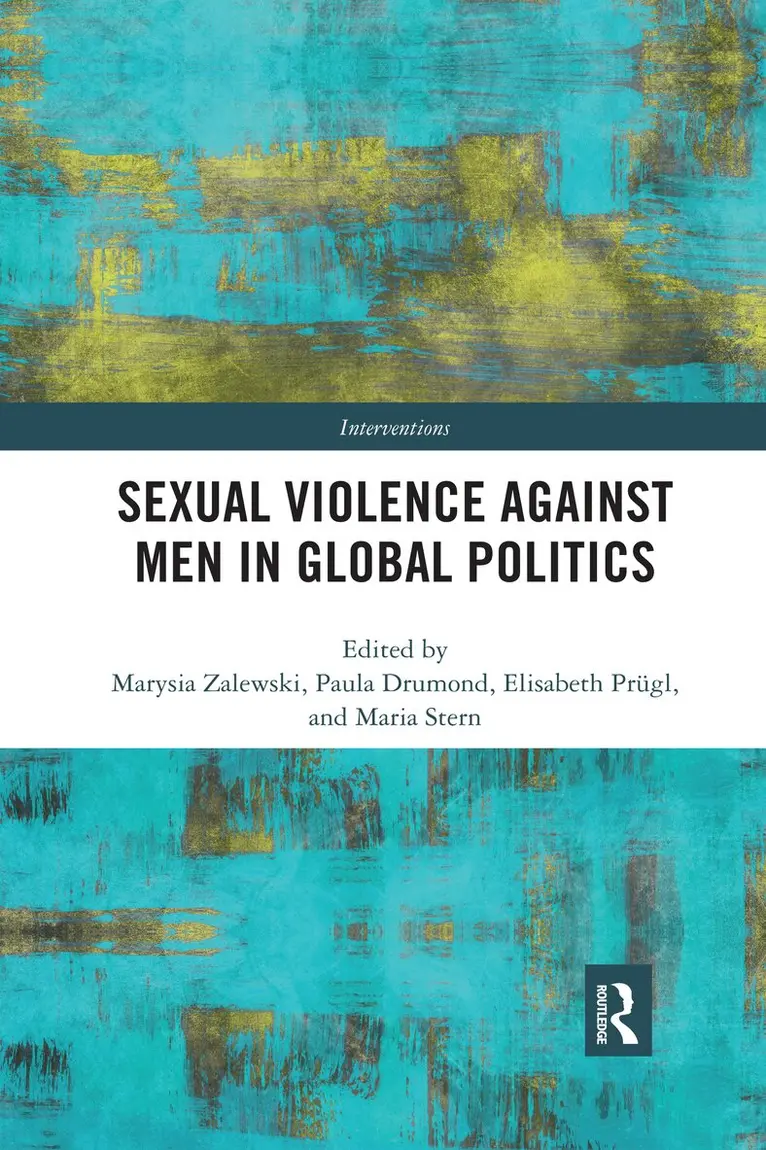
Sexual violence against men is an under-theorised and under-noticed topic, though it is becoming increasingly apparent that this form of violence is widespread. Yet despite emerging evidence documenting its incidence, especially in conflict and post-conflict zones, efforts to understand its causes and develop strategies to reduce it are hampered by a dearth of theoretical engagement. One of the reasons that might explain its empirical invisibility and theoretical vacuity is its complicated relationship with sexual violence against women. The latter is evident empirically, theoretically, and politically, but the relationship between these violences conjures a range of complex and controversial questions about the ways they might be different, and why and how these differences matter.It is the case that sexual violence (when noticed at all) has historically been understood to happen largely, if not only, to women, allegedly because of their gender and their ensuing place in gender orders. This begs important questions regarding the impact of increasing knowledge about sexual violence against men, including the impact on resources, on understandings about, and experiences of masculinity, and whether the idea and practice of gender hierarchy is outdated. This book engages this diverse set of questions and offers fresh analysis on the incidences of sexual violence against men using both new and existing data. Additionally, the authors pay close attention to some of the controversial debates in the context of sexual violence against men, revisiting and asking new questions about the vexed issue of masculinities and related theories of gender hierarchy. The book will be of great interest to students and scholars of sex, gender, masculinities, corporeality, violence, and global politics, as well as to practitioners and activists.
2 155 kr
Skickas inom 10-15 vardagar
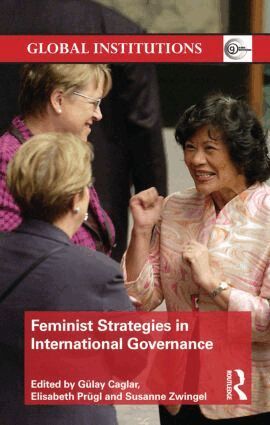
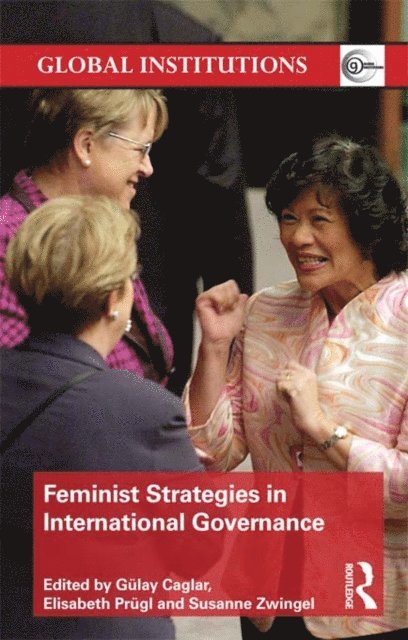
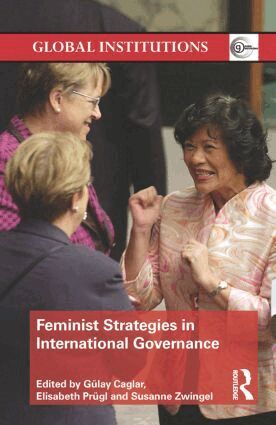
The struggle for women’s rights and to overcome gender oppression has long engaged the efforts of inter-governmental and non-governmental organizations. Feminist Strategies in International Governance provides a new introduction to the contemporary forms of this struggle. It brings together the voices of academics and practitioners to reflect in particular on the effectiveness of human rights strategies and gender mainstreaming. It covers three international issue areas in which feminists currently seek change: women’s human rights and violence against women; the participation of women in peace-making and their protection during conflict; and the gendered effects of development, economic and financial governance.The book combines a critical reflection on the current state of feminist politics with an introduction to urgent issues on the contemporary international agenda. In addition, the book draws on innovative conceptualizations from constructivism in international relations, legal anthropology and discourse theory to provide new framings of current feminist struggles. Offering an accessible guide to the engendering of international governance and examining the challenges for international feminist politics in the future, this work will be of great interest to students and scholars of international organizations, gender politics and global governance.
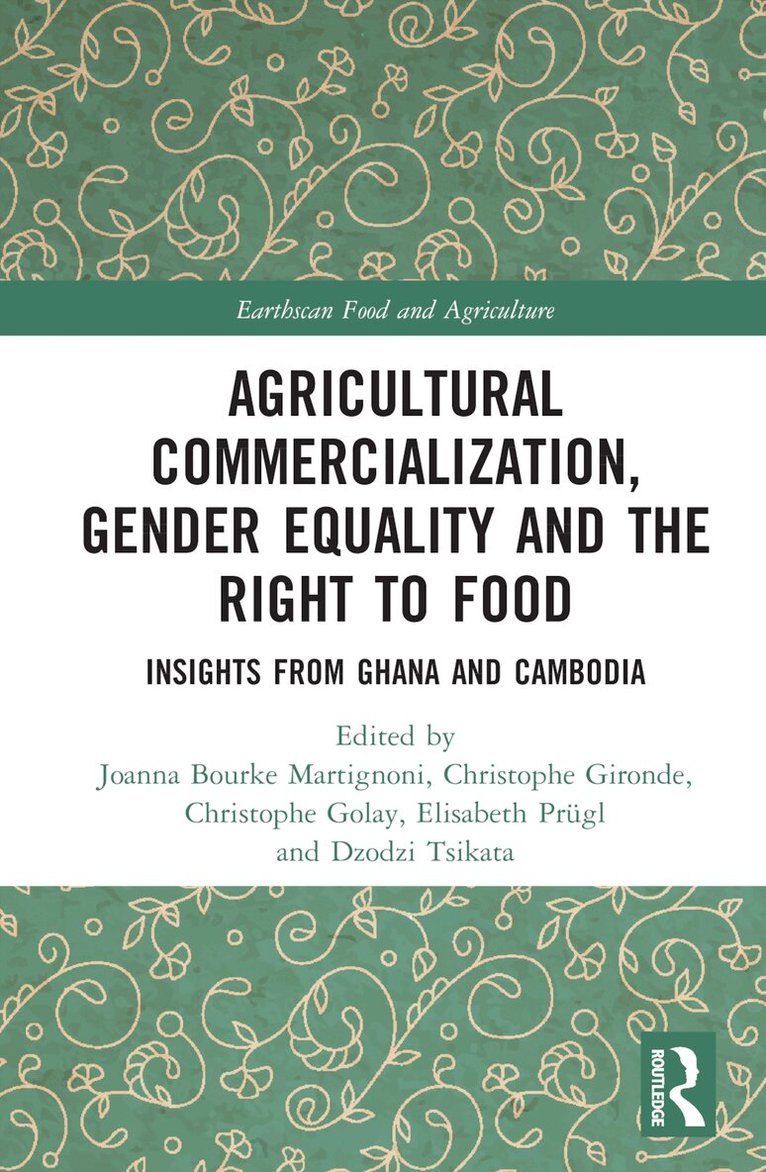
Agricultural Commercialization, Gender Equality and the Right to Food
Insights from Ghana and Cambodia
Inbunden, Engelska, 2022
2 088 kr
Skickas inom 10-15 vardagar
This volume explores agricultural commercialization from a gender equality and right to food perspective.Agricultural commercialization, involving not only the shift to selling crops and buying inputs but also the commodification of land and labour, has always been controversial. Strategies for commercialization have often reinforced and exacerbated inequalities, been blind to gender differences and given rise to violations of the human rights to food, land, work and social security. While there is a body of evidence to trace these developments globally, impacts vary considerably in local contexts. This book systematically considers these dynamics in two countries, Cambodia and Ghana. Profoundly different in terms of their history and location, they provide the basis for fruitful comparisons because they both transitioned to democracy in the early 1990s, made agricultural development a priority, and adopted orthodox policies of commercialization to develop the sector. Chapters illustrate how commercialization processes are gendered, highlighting distinctive gender, ethnic and class dynamics in rural Ghana and Cambodia and the different outcomes these generate. They also show the ways in which food cultures are changing and the often-problematic impact of these changes on the safety and quality of food. Specific policies and legal norms are examined, with chapters addressing the development and implementation of frameworks on the right to food and land administration. Overall, the volume brings into relief multiple dimensions shaping the outcomes of processes of commercialization, including gender orders, food cultures, policy translation, national and sub-national policies, corporate investments and programmes, and formal and informal legal norms. In doing so, it offers insight not only on our case countries, but also provides proposals to advance rights-based research on food security. This book will be of great interest to students and scholars of food security, agricultural development and economics, gender, human rights and sustainable development.
Agricultural Commercialization, Gender Equality and the Right to Food
Insights from Ghana and Cambodia
Häftad, Engelska, 2024
593 kr
Skickas inom 10-15 vardagar
This volume explores agricultural commercialization from a gender equality and right to food perspective.Agricultural commercialization, involving not only the shift to selling crops and buying inputs but also the commodification of land and labour, has always been controversial. Strategies for commercialization have often reinforced and exacerbated inequalities, been blind to gender differences and given rise to violations of the human rights to food, land, work and social security. While there is a body of evidence to trace these developments globally, impacts vary considerably in local contexts. This book systematically considers these dynamics in two countries, Cambodia and Ghana. Profoundly different in terms of their history and location, they provide the basis for fruitful comparisons because they both transitioned to democracy in the early 1990s, made agricultural development a priority, and adopted orthodox policies of commercialization to develop the sector. Chapters illustrate how commercialization processes are gendered, highlighting distinctive gender, ethnic and class dynamics in rural Ghana and Cambodia and the different outcomes these generate. They also show the ways in which food cultures are changing and the often-problematic impact of these changes on the safety and quality of food. Specific policies and legal norms are examined, with chapters addressing the development and implementation of frameworks on the right to food and land administration. Overall, the volume brings into relief multiple dimensions shaping the outcomes of processes of commercialization, including gender orders, food cultures, policy translation, national and sub-national policies, corporate investments and programmes, and formal and informal legal norms. In doing so, it offers insight not only on our case countries, but also provides proposals to advance rights-based research on food security. This book will be of great interest to students and scholars of food security, agricultural development and economics, gender, human rights and sustainable development.
553 kr
Skickas
The struggle for women’s rights and to overcome gender oppression has long engaged the efforts of inter-governmental and non-governmental organizations. Feminist Strategies in International Governance provides a new introduction to the contemporary forms of this struggle. It brings together the voices of academics and practitioners to reflect in particular on the effectiveness of human rights strategies and gender mainstreaming. It covers three international issue areas in which feminists currently seek change: women’s human rights and violence against women; the participation of women in peace-making and their protection during conflict; and the gendered effects of development, economic and financial governance.The book combines a critical reflection on the current state of feminist politics with an introduction to urgent issues on the contemporary international agenda. In addition, the book draws on innovative conceptualizations from constructivism in international relations, legal anthropology and discourse theory to provide new framings of current feminist struggles. Offering an accessible guide to the engendering of international governance and examining the challenges for international feminist politics in the future, this work will be of great interest to students and scholars of international organizations, gender politics and global governance.
2 088 kr
Skickas inom 10-15 vardagar
Sexual violence against men is an under-theorised and under-noticed topic, though it is becoming increasingly apparent that this form of violence is widespread. Yet despite emerging evidence documenting its incidence, especially in conflict and post-conflict zones, efforts to understand its causes and develop strategies to reduce it are hampered by a dearth of theoretical engagement. One of the reasons that might explain its empirical invisibility and theoretical vacuity is its complicated relationship with sexual violence against women. The latter is evident empirically, theoretically, and politically, but the relationship between these violences conjures a range of complex and controversial questions about the ways they might be different, and why and how these differences matter.It is the case that sexual violence (when noticed at all) has historically been understood to happen largely, if not only, to women, allegedly because of their gender and their ensuing place in gender orders. This begs important questions regarding the impact of increasing knowledge about sexual violence against men, including the impact on resources, on understandings about, and experiences of masculinity, and whether the idea and practice of gender hierarchy is outdated. This book engages this diverse set of questions and offers fresh analysis on the incidences of sexual violence against men using both new and existing data. Additionally, the authors pay close attention to some of the controversial debates in the context of sexual violence against men, revisiting and asking new questions about the vexed issue of masculinities and related theories of gender hierarchy. The book will be of great interest to students and scholars of sex, gender, masculinities, corporeality, violence, and global politics, as well as to practitioners and activists.
1 064 kr
Skickas inom 10-15 vardagar
This volume provides an overview of EU actions seeking to manage diversity, introduces a conceptual framework to think about diversity in the European Union, and provides a tapestry of cases that illustrate minority politics and activism, contestations over identity and difference, and the construction of new meanings of European citizenship.
Del 13 - International Development Policy
Gender in Peacebuilding
Local Practices in Indonesia and Nigeria
Häftad, Engelska, 2021
1 295 kr
Skickas inom 5-8 vardagar
Gender, age, class, ethnicity, religion, and political ideologies all matter in peacebuilding. Adopting a feminist approach, the 13th volume of International Development Policy analyses such intersecting differences in local contexts to develop a better understanding of how intersectionally gendered dynamics shape and are shaped by peacebuilding. In this volume, findings are presented from a six-year collaborative research project that, involving scholars from Indonesia, Nigeria, and Switzerland, investigated peacebuilding initiatives in Indonesia and Nigeria. The authors identify a number of logics that highlight how gender is deployed strategically or asserts itself inadvertently through gender stereotypes, gendered divisions of labour, or identity constructions.Contributors include: Mimidoo Achakpa, Ceren Bulduk, Rahel Kunz, Henri Myrttinen, Joy Onyesoh, Elisabeth Prügl, Arifah Rahmawati, Christelle Rigual and Wening Udasmoro.