Elizabeth Finneron-Burns – författare
Visar alla böcker från författaren Elizabeth Finneron-Burns. Handla med fri frakt och snabb leverans.
5 produkter
5 produkter
Inbunden, Engelska, 2026
2 916 kr
Skickas inom 3-6 vardagar
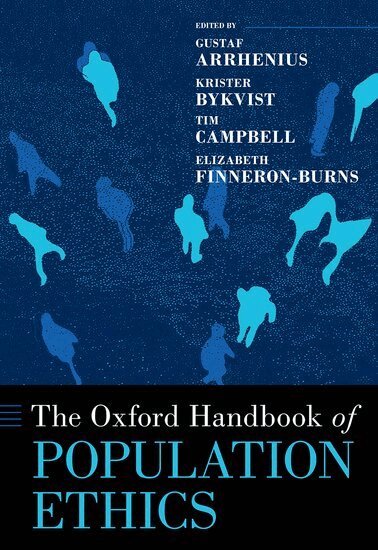
The Oxford Handbook of Population Ethics presents up-to-date theoretical analyses of various problems associated with the moral standing of future people and animals in current decision-making. Future people pose an especially hard problem for our current decision-making, since their number and their identities are not fixed but depend on the choices the present generation makes. Do we make the world better by creating more people with good lives? What do we owe future generations in terms of justice? How should burdens and benefits be shared across generations so that justice prevails? These questions are philosophically difficult and important, but also directly relevant to many practical decisions and policies. Climate change policy provides an example, as the increasing global temperature will kill some people and prevent many others from ever existing. Many other policies also influence the size and make-up of future populations both directly and indirectly, for example those concerning family planning, child support, and prioritization in health-care. If we are to adequately assess these policies, we must be able to determine the value of differently sized populations. The essays in this handbook shed light on the value of population change and the nature of our obligations to future generations. It brings together world-leading philosophers to introduce readers to some of the paradoxes of population ethics, challenge some fundamental assumptions that may be taken for granted in the debate about the value of population change, and apply these problems and assumptions to real-world decisions.
E-bok
PDF, Engelska, 20221 426 kr
Läs direkt efter köp
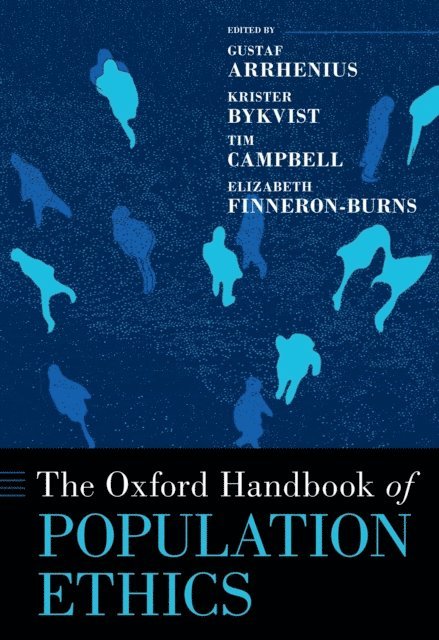
The Oxford Handbook of Population Ethics presents up-to-date theoretical analyses of various problems associated with the moral standing of future people and animals in current decision-making. Future people pose an especially hard problem for our current decision-making, since their number and their identities are not fixed but depend on the choices the present generation makes. Do we make the world better by creating more people with good lives? What do we owe future generations in terms of justice? How should burdens and benefits be shared across generations so that justice prevails? These questions are philosophically difficult and important, but also directly relevant to many practical decisions and policies. Climate change policy provides an example, as the increasing global temperature will kill some people and prevent many others from ever existing. Many other policies also influence the size and make-up of future populations both directly and indirectly, for example those concerning family planning, child support, and prioritization in health-care. If we are to adequately assess these policies, we must be able to determine the value of differently sized populations. The essays in this handbook shed light on the value of population change and the nature of our obligations to future generations. It brings together world-leading philosophers to introduce readers to some of the paradoxes of population ethics, challenge some fundamental assumptions that may be taken for granted in the debate about the value of population change, and apply these problems and assumptions to real-world decisions.
E-bok
Engelska, 20221 438 kr
Läs direkt efter köp
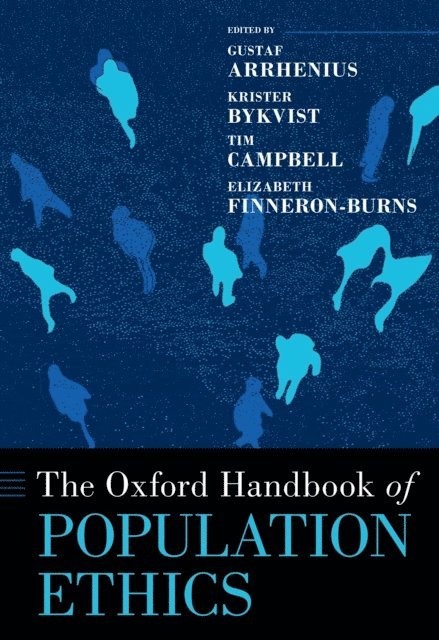
The Oxford Handbook of Population Ethics presents up-to-date theoretical analyses of various problems associated with the moral standing of future people and animals in current decision-making. Future people pose an especially hard problem for our current decision-making, since their number and their identities are not fixed but depend on the choices the present generation makes. Do we make the world better by creating more people with good lives? What do we owe future generations in terms of justice? How should burdens and benefits be shared across generations so that justice prevails? These questions are philosophically difficult and important, but also directly relevant to many practical decisions and policies. Climate change policy provides an example, as the increasing global temperature will kill some people and prevent many others from ever existing. Many other policies also influence the size and make-up of future populations both directly and indirectly, for example those concerning family planning, child support, and prioritization in health-care. If we are to adequately assess these policies, we must be able to determine the value of differently sized populations. The essays in this handbook shed light on the value of population change and the nature of our obligations to future generations. It brings together world-leading philosophers to introduce readers to some of the paradoxes of population ethics, challenge some fundamental assumptions that may be taken for granted in the debate about the value of population change, and apply these problems and assumptions to real-world decisions.
E-bok
PDF, Engelska, 2024756 kr
Läs direkt efter köp
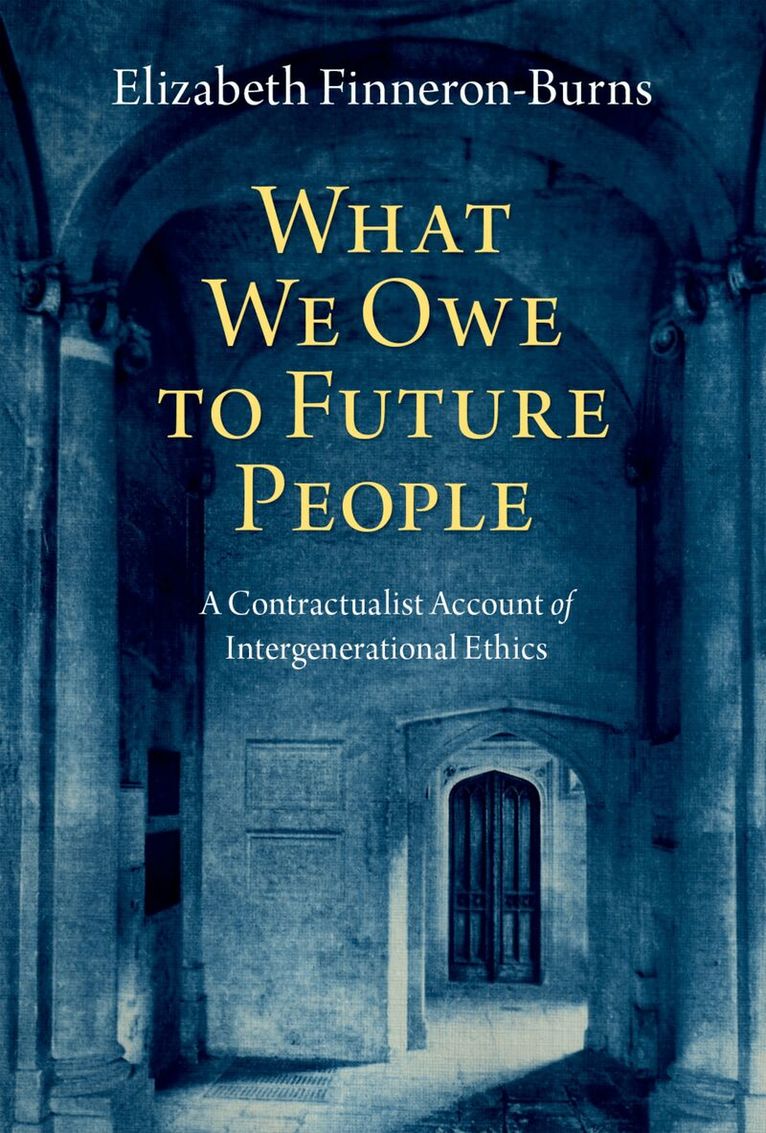
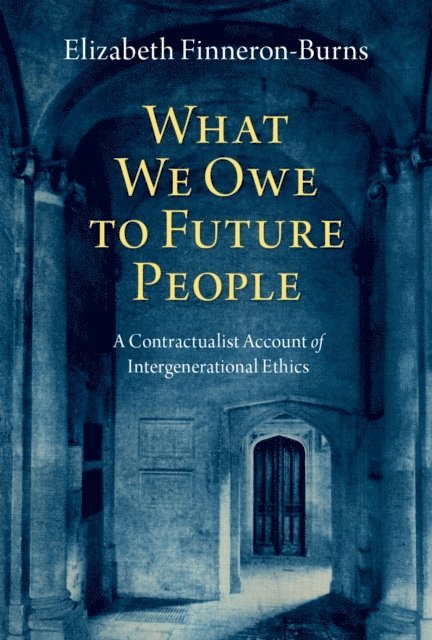
What do we owe future people? Intergenerational ethics is of great philosophical and practical importance, given human beings'' ability to affect not only the quality of life of future people, but also how many of them there will be (if any at all). This book develops a distinctly contractualist answer to this question--we need to justify our actions to them on grounds they could not reasonably reject.The book develops principles of intergenerational ethics in four main areas. How good a life are we required to leave future people? When is it permissible for an individual to procreate? Should we try to ensure as many people as possible live in the future or allow humans to become extinct? How does the fact that we do not always know how our actions will affect future people change what we owe them? The book answers these questions by using the contractualist method to develop general moral principles in these areas, and then applying those principles to real-world, concrete situations that individuals and states face every day.
756 kr
Läs direkt efter köp
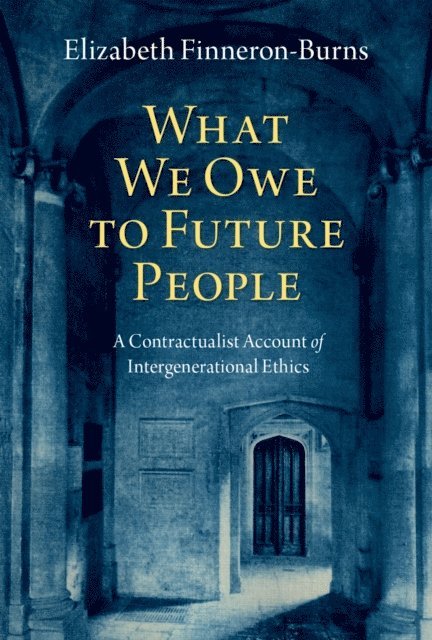
What do we owe future people? Intergenerational ethics is of great philosophical and practical importance, given human beings'' ability to affect not only the quality of life of future people, but also how many of them there will be (if any at all). This book develops a distinctly contractualist answer to this question--we need to justify our actions to them on grounds they could not reasonably reject.The book develops principles of intergenerational ethics in four main areas. How good a life are we required to leave future people? When is it permissible for an individual to procreate? Should we try to ensure as many people as possible live in the future or allow humans to become extinct? How does the fact that we do not always know how our actions will affect future people change what we owe them? The book answers these questions by using the contractualist method to develop general moral principles in these areas, and then applying those principles to real-world, concrete situations that individuals and states face every day.