Enno Maessen – författare
Visar alla böcker från författaren Enno Maessen. Handla med fri frakt och snabb leverans.
7 produkter
7 produkter
Inbunden, Engelska, 2022
1 360 kr
Skickas
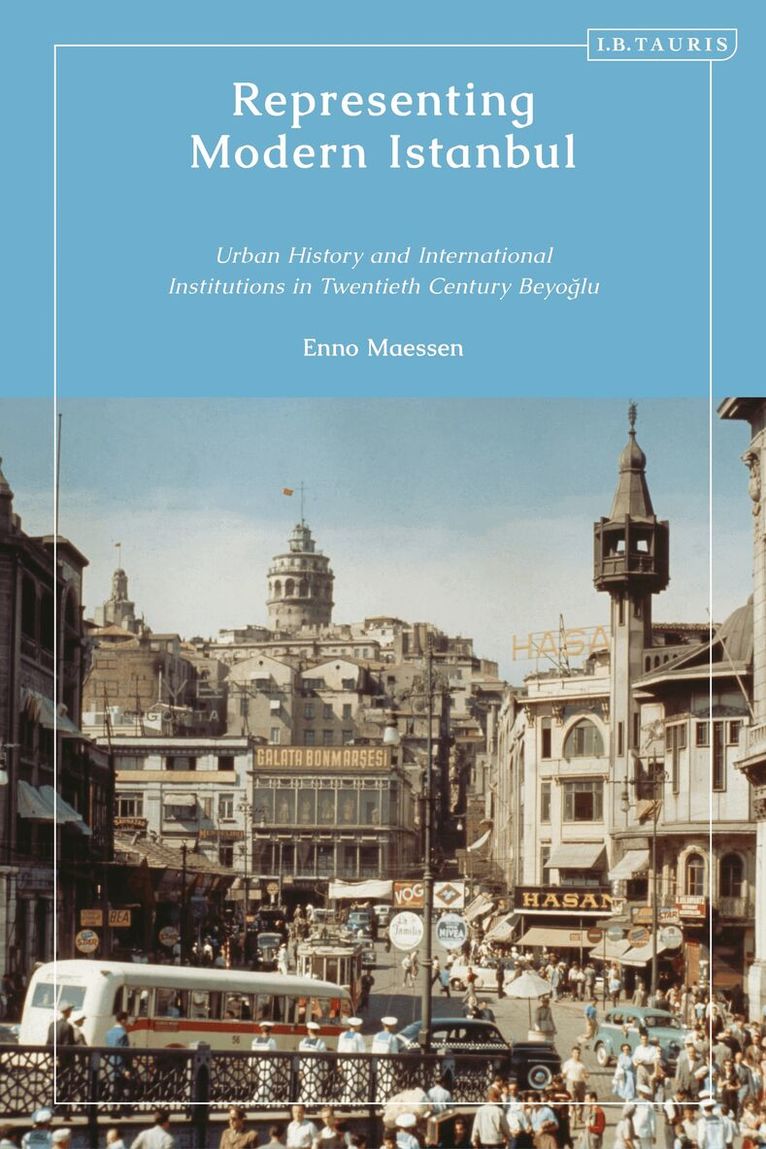
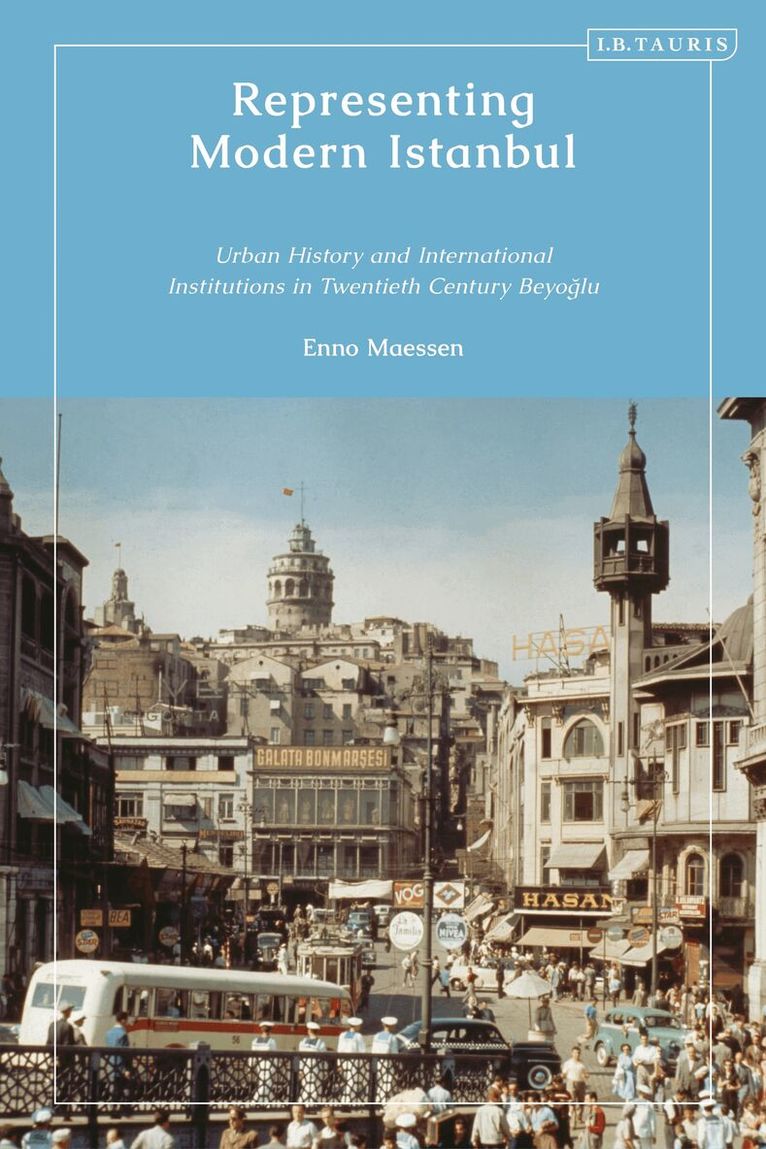
Following the collapse of the Ottoman Empire, Istanbul would lose its position as capital yet remain a crucial urban centre in the new Turkish republic. Since the 1950s it has undergone a metamorphosis from a mid-sized city to a megapolis. Beyoglu, historically represented as its most ‘cosmopolitan’ district and home to European embassies and cultural institutions, is a microcosm of these changes. This book explores the urban history of Beyoglu via a series of case studies which use previously unexamined archival material to tell the story of its local and international institutions. From the German Teutonia club and a centre point of Turkey’s cinema culture to influential francophone, British and German schools which educated many of Turkey’s future elite, the book charts the shifting identities of the residents of the district. These case studies reveal the effects of changing political circumstances, from the rise of nationalism to Turkey’s place in the Cold War, as well as critically examining Beyoglu’s legacy as a multicultural centre. In the process, the book reveals a picture of resilience, cross-cultural contact and provides an important contribution to our understanding of present-day and historical Istanbul and Beyoglu.
E-bok
PDF, Engelska, 2022468 kr
Läs direkt efter köp
Following the collapse of the Ottoman Empire, Istanbul would lose its position as capital yet remain a crucial urban centre in the new Turkish republic. Since the 1950s it has undergone a metamorphosis from a mid-sized city to a megapolis. Beyoglu, historically represented as its most 'cosmopolitan' district and home to European embassies and cultural institutions, is a microcosm of these changes. This book explores the urban history of Beyoglu via a series of case studies which use previously unexamined archival material to tell the story of its local and international institutions. From the German Teutonia club and a centre point of Turkey's cinema culture to influential francophone, British and German schools which educated many of Turkey's future elite, the book charts the shifting identities of the residents of the district. These case studies reveal the effects of changing political circumstances, from the rise of nationalism to Turkey's place in the Cold War, as well as critically examining Beyoglu's legacy as a multicultural centre. In the process, the book reveals a picture of resilience, cross-cultural contact and provides an important contribution to our understanding of present-day and historical Istanbul and Beyoglu.
E-bok
Engelska, 2022451 kr
Läs direkt efter köp
Following the collapse of the Ottoman Empire, Istanbul would lose its position as capital yet remain a crucial urban centre in the new Turkish republic. Since the 1950s it has undergone a metamorphosis from a mid-sized city to a megapolis. Beyoglu, historically represented as its most 'cosmopolitan' district and home to European embassies and cultural institutions, is a microcosm of these changes. This book explores the urban history of Beyoglu via a series of case studies which use previously unexamined archival material to tell the story of its local and international institutions. From the German Teutonia club and a centre point of Turkey's cinema culture to influential francophone, British and German schools which educated many of Turkey's future elite, the book charts the shifting identities of the residents of the district. These case studies reveal the effects of changing political circumstances, from the rise of nationalism to Turkey's place in the Cold War, as well as critically examining Beyoglu's legacy as a multicultural centre. In the process, the book reveals a picture of resilience, cross-cultural contact and provides an important contribution to our understanding of present-day and historical Istanbul and Beyoglu.
Häftad, Engelska, 2023
434 kr
Skickas inom 10-15 vardagar
Following the collapse of the Ottoman Empire, Istanbul would lose its position as capital yet remain a crucial urban centre in the new Turkish republic. Since the 1950s it has undergone a metamorphosis from a mid-sized city to a megapolis. Beyoglu, historically represented as its most ‘cosmopolitan’ district and home to European embassies and cultural institutions, is a microcosm of these changes. This book explores the urban history of Beyoglu via a series of case studies which use previously unexamined archival material to tell the story of its local and international institutions. From the German Teutonia club and a centre point of Turkey’s cinema culture to influential francophone, British and German schools which educated many of Turkey’s future elite, the book charts the shifting identities of the residents of the district. These case studies reveal the effects of changing political circumstances, from the rise of nationalism to Turkey’s place in the Cold War, as well as critically examining Beyoglu’s legacy as a multicultural centre. In the process, the book reveals a picture of resilience, cross-cultural contact and provides an important contribution to our understanding of present-day and historical Istanbul and Beyoglu.
E-bok
PDF, Engelska, 2025769 kr
Läs direkt efter köp
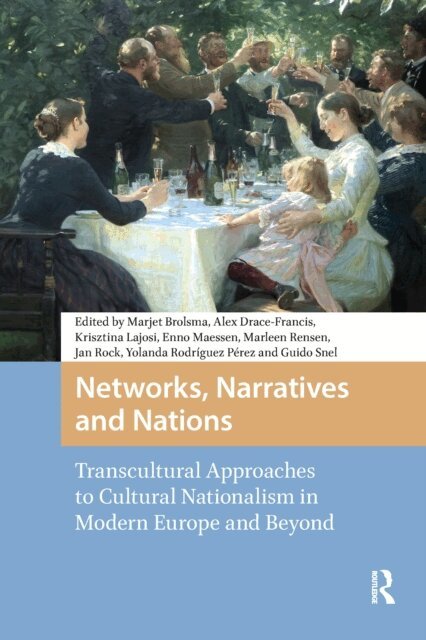
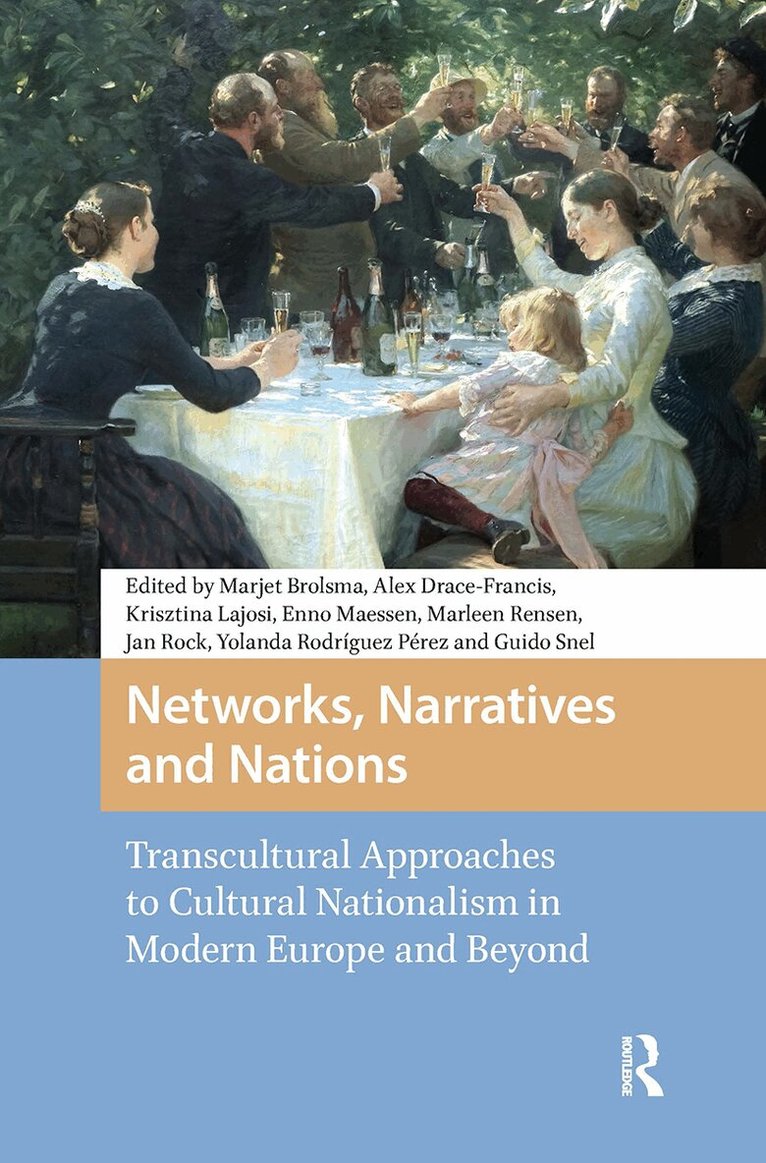
Do narratives make nations, and if so, did networks make this happen? The notion that national and other group identities are constructed and sustained by narratives and images has been widely postulated for several decades now. This volume contributes to this debate, with a particular emphasis on the networked, transnational nature of cultural nation-building processes in a comparative European and sometimes extra-European context. It gathers together essays that engage with objects of study ranging from poetry, prose, and political ideas to painting, porcelain, and popular song, and which draw on examples in Icelandic, Arabic, German, Irish, Hungarian, and French, among other languages. The contributors study transcultural phenomena from the medieval and early modern periods through to the modern and postmodern era, frequently challenging conventional periodizations and analytical frameworks based on the idea of the nation-state.
E-bok
Engelska, 2025797 kr
Läs direkt efter köp
Do narratives make nations, and if so, did networks make this happen? The notion that national and other group identities are constructed and sustained by narratives and images has been widely postulated for several decades now. This volume contributes to this debate, with a particular emphasis on the networked, transnational nature of cultural nation-building processes in a comparative European and sometimes extra-European context. It gathers together essays that engage with objects of study ranging from poetry, prose, and political ideas to painting, porcelain, and popular song, and which draw on examples in Icelandic, Arabic, German, Irish, Hungarian, and French, among other languages. The contributors study transcultural phenomena from the medieval and early modern periods through to the modern and postmodern era, frequently challenging conventional periodizations and analytical frameworks based on the idea of the nation-state.
Häftad, Engelska, 2025
675 kr
Skickas inom 10-15 vardagar
Do narratives make nations, and if so, did networks make this happen? The notion that national and other group identities are constructed and sustained by narratives and images has been widely postulated for several decades now. This volume contributes to this debate, with a particular emphasis on the networked, transnational nature of cultural nation-building processes in a comparative European and sometimes extra-European context. It gathers together essays that engage with objects of study ranging from poetry, prose, and political ideas to painting, porcelain, and popular song, and which draw on examples in Icelandic, Arabic, German, Irish, Hungarian, and French, among other languages. The contributors study transcultural phenomena from the medieval and early modern periods through to the modern and postmodern era, frequently challenging conventional periodizations and analytical frameworks based on the idea of the nation-state.