Ern Ser Tan - Böcker
Visar alla böcker från författaren Ern Ser Tan. Handla med fri frakt och snabb leverans.
4 produkter
4 produkter
2 103 kr
Skickas inom 10-15 vardagar
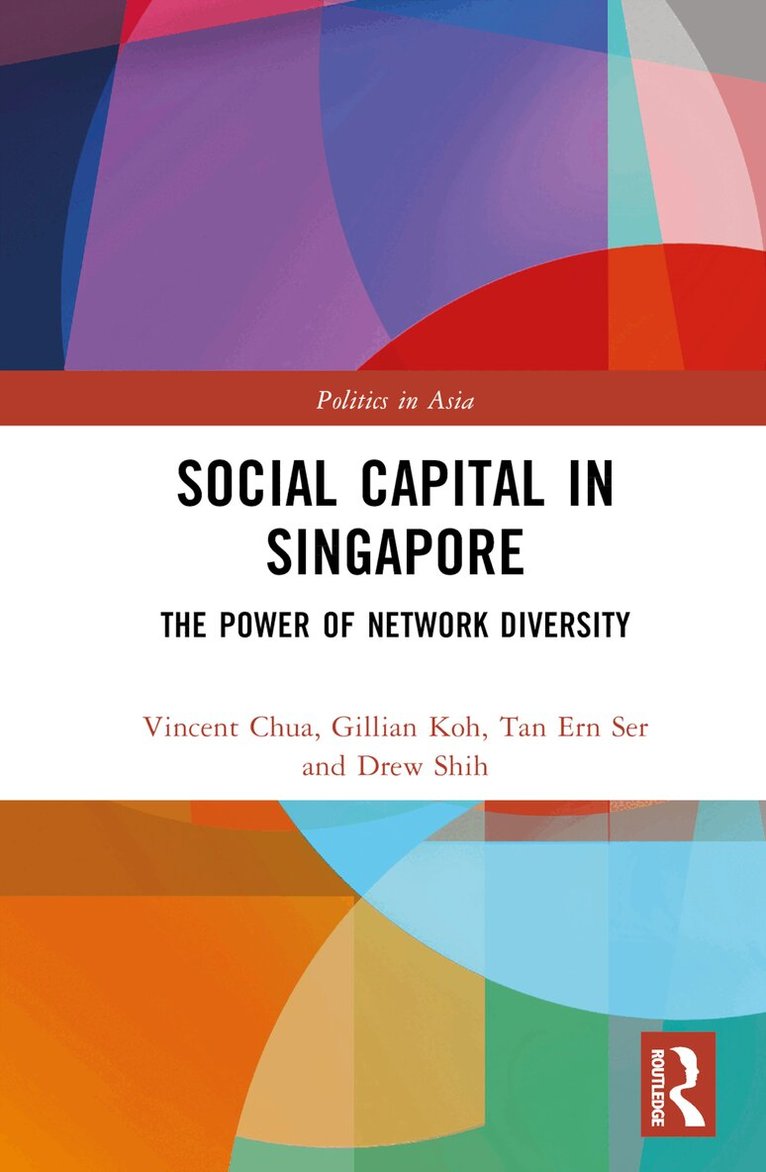
How can social cohesion be achieved in a meritocratic and multicultural global city-state? Meritocracy poses a paradox: On one hand, it integrates individuals through frameworks of equal treatment, equal justice and opportunity regardless of race, language or religion. On the other hand, individuals are then segregating through academic sorting, they are rewarded based on credentials and performance which also results in elite identification and bonding. After a generation, without mitigation action, social stratification can result. Distinctive circles differentiating social elites from non-elites, the professional classes from non-professional classes emerge. The remedy the authors propose is network diversity which is the organic forming of ties across class and other social boundaries built on deliberate policies, programmes and platforms designed to facilitate that. This social mixing, forged in social infrastructure such as schools, workplaces, and voluntary associations pays off by producing the collective goods of national identity and trust. This hypothesis has been tested in the case of Singapore society and the empirical results from the research on the power of network diversity and bridging social capital are found in this volume. An insightful read for scholars and practitioners in public policy and social network analysis looking to understand the challenges faced by and the experiences that have emerged from the case of Singapore with its multicultural and cosmopolitan setting.
616 kr
Skickas inom 10-15 vardagar
How can social cohesion be achieved in a meritocratic and multicultural global city-state? Meritocracy poses a paradox: On one hand, it integrates individuals through frameworks of equal treatment, equal justice and opportunity regardless of race, language or religion. On the other hand, individuals are then segregating through academic sorting, they are rewarded based on credentials and performance which also results in elite identification and bonding. After a generation, without mitigation action, social stratification can result. Distinctive circles differentiating social elites from non-elites, the professional classes from non-professional classes emerge. The remedy the authors propose is network diversity which is the organic forming of ties across class and other social boundaries built on deliberate policies, programmes and platforms designed to facilitate that. This social mixing, forged in social infrastructure such as schools, workplaces, and voluntary associations pays off by producing the collective goods of national identity and trust. This hypothesis has been tested in the case of Singapore society and the empirical results from the research on the power of network diversity and bridging social capital are found in this volume. An insightful read for scholars and practitioners in public policy and social network analysis looking to understand the challenges faced by and the experiences that have emerged from the case of Singapore with its multicultural and cosmopolitan setting.
2 003 kr
Tillfälligt slut
Tourism development is not merely about boosting tourist figures and bringing in more tourist dollars. Undoubtedly, it has to do with developing tourism resources, infrastructure, products, and attractions, but it is also about a society, polity, and economy meeting the challenges of globalization, the new millennium, and nation-building. This book deals with those issues from different perspectives and through the case of Singapore, a city-state highly integrated into the global economy. It addresses specific areas like tourism manpower, theme parks, and beaches, as well as the broader issues of economic strategy, political economy, and culture. Collectively, the articles in this book provide readers with a sense of where Singapore has gone and where it is in terms of tourism management and policy.
773 kr
Tillfälligt slut
This book provides a comprehensive portrait of class structure, dynamics, and orientations in Singapore — understood as a new nation, a capitalist and emerging knowledge economy, a largely middle-class society, and a polity with a strong state — at the turn of the new millennium. It introduces a wide array of recent data on a broad range of topics relating to social stratification in Singapore: class structure, political participation, political alienation, national pride, welfarism, success values, unionism, social mobility, the digital divide, and the sandwich generation. To capture the lived experiences of people from different social classes, thereby complementing the numerous tables presented, the book also profiles six case studies of individuals or families, highlighting the challenges they face and the options they possess.