Estela Mara Bensimon - Böcker
Visar alla böcker från författaren Estela Mara Bensimon. Handla med fri frakt och snabb leverans.
9 produkter
9 produkter
537 kr
Skickas inom 3-6 vardagar
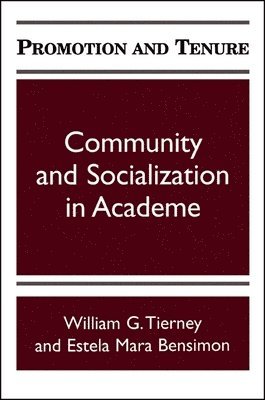
Articulates salient problems of tenure-track faculty, especially women and faculty of color. Offers a new paradigm to delineate ways in which the academic community can help socialize younger faculty, and honor differences more readily.Research on the organizational culture in higher education affirms that congruent cultures are better than fragmented ones, and that managing culture is an oxymoron. Such analyses often lead to the assumptions that unity of purpose is essential and leadership is impossible. This book reframes rather than suppresses these notions, and by respecting the differences, builds a commonality between them.Using data on faculty socialization in academe, the authors consider how the work of cultural leadership becomes interpretation and facilitation rather than management. Through a series of interviews using experimental forms of ethnographic presentation, Tierney and Bensimon articulate salient problems of tenure-track faculty, especially women and faculty of color, and address the issue of individuals voluntarily leaving the tenure-track. They offer a new paradigm to delineate ways in which the academic community can help socialize younger faculty, and honor differences more readily.
353 kr
Skickas inom 7-10 vardagar
Most organizational theorists use the athletic team as a metaphor for the effective work group - specific players motivated to give their best performance in pursuit of a common goal. This book offers a different model, focusing instead on the complex ways that members of a leadership team interact, wield power, use language and create meaning. The authors describe the team as a culture and argue that effective team leadership depends on expecting, understanding and appreciating the differences among individuals. Based on interviews with members of administrative teams on 15 campuses - including research universities, public colleges, private colleges and community colleges - the book examines teamwork as an essentially human activity. It considers how and why people on leadership teams think and act as they do, how they learn and communicate (or neglect to do so), and how they bring their deepest values, beliefs and aspirations into play in the conduct of administrative work. The authors describe how administrative leaders shape and maintain effective teams, and how the teams address diversity and conflict.Emphasizing the importance of inclusiveness, the authors identify a number of hidden dynamics related to gender, race and power inequity. The book contains a number of quotes from team participants.
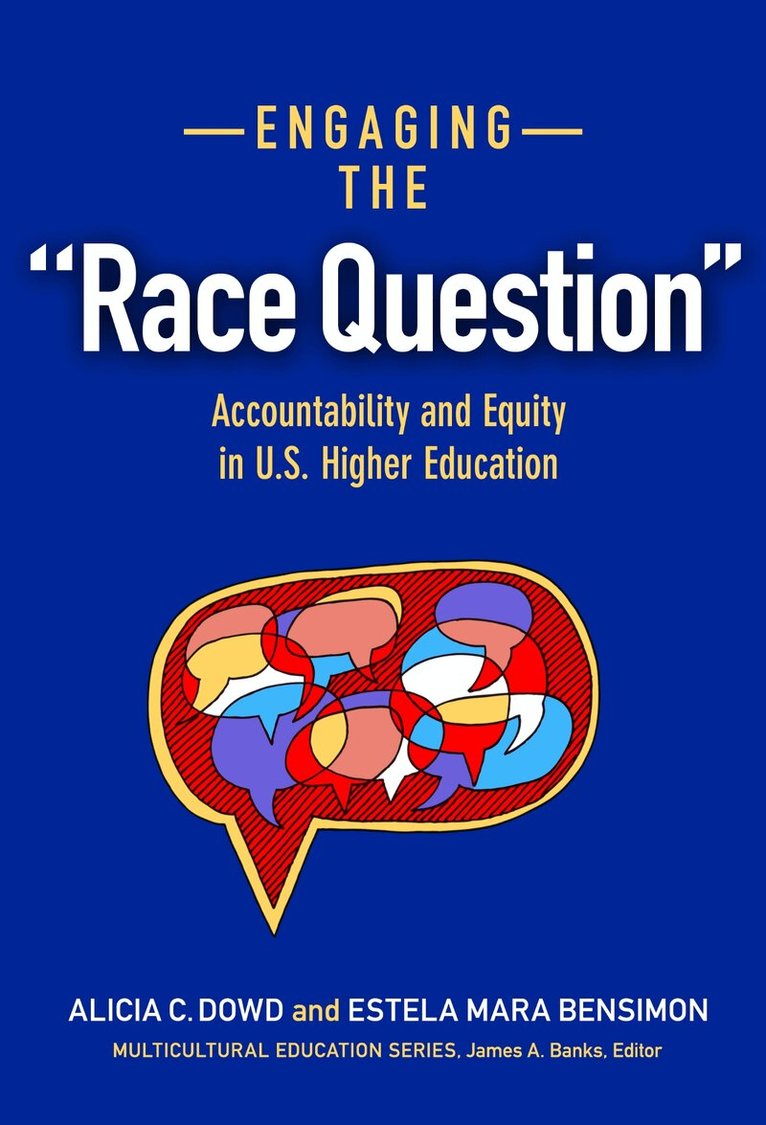
Engaging the "Race Question"
Accountability and Equity in U.S. Higher Education
Häftad, Engelska, 2015
484 kr
Skickas inom 11-20 vardagar
This book is for anyone who is challenged or troubled by the substantial disparities in college participation, persistence, and completion among racial and ethnic groups in the United States. As co-directors of the Center for Urban Education (CUE) at the University of Southern California, co-authors Alicia Dowd and Estela Bensimon draw on their experience conducting CUE’s Equity Scorecard, a comprehensive action research process which has been implemented at over 40 colleges and universities in the United States. They demonstrate what educators need to know and do to take an active role in racial equity work on their own campuses.Through case studies of college faculty, administrators, and student affairs professionals engaged in inquiry using the Equity Scorecard, the book clarifies the “muddled conversation” colleges and universities are having about equity. Synthesizing equity standards based on three theories of justice - justice as fairness, justice as care, and justice as transformation - the authors provide strategies for enacting equity in practice on college campuses. Engaging the “Race Question” illustrates how practitioner inquiry can be used to address the “race question” with wisdom and calls on college leaders and educators to change the policies and practices that perpetuate institutional and structural racism - and provides a blueprint for doing so.
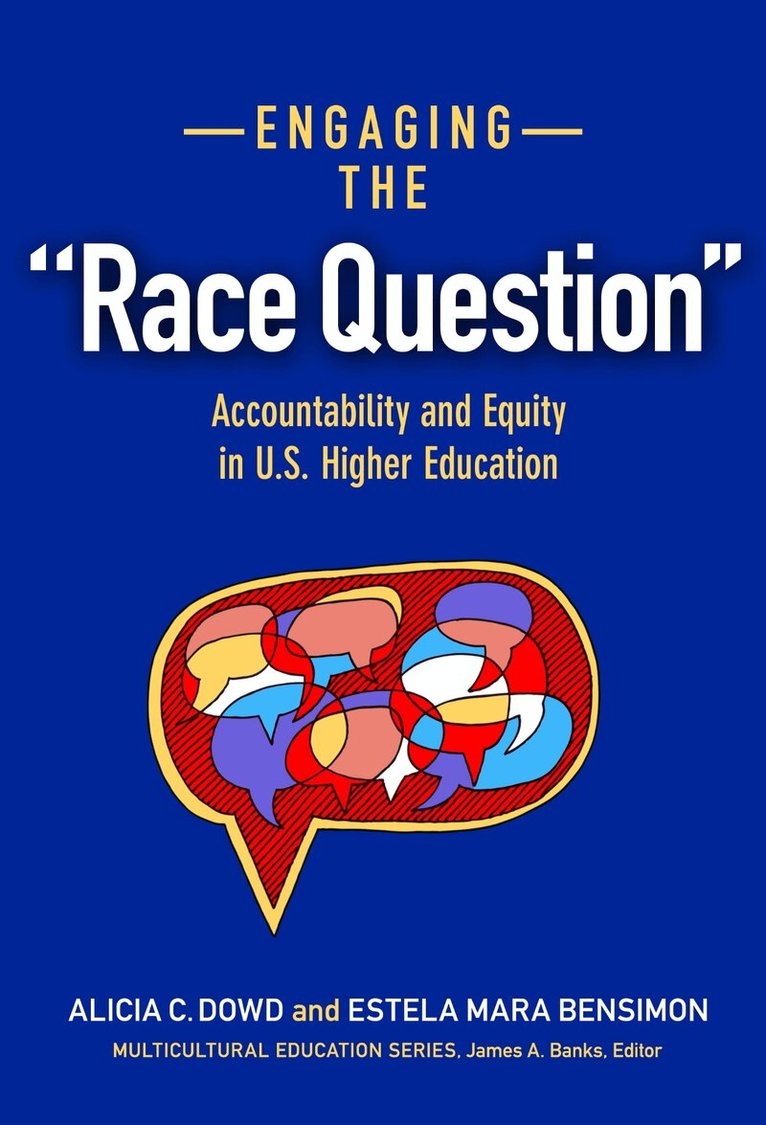
Engaging the "Race Question"
Accountability and Equity in U.S. Higher Education
Inbunden, Engelska, 2015
981 kr
Skickas inom 11-20 vardagar
This book is for anyone who is challenged or troubled by the substantial disparities in college participation, persistence, and completion among racial and ethnic groups in the United States. As co-directors of the Center for Urban Education (CUE) at the University of Southern California, co-authors Alicia Dowd and Estela Bensimon draw on their experience conducting CUE’s Equity Scorecard, a comprehensive action research process which has been implemented at over 40 colleges and universities in the United States. They demonstrate what educators need to know and do to take an active role in racial equity work on their own campuses.Through case studies of college faculty, administrators, and student affairs professionals engaged in inquiry using the Equity Scorecard, the book clarifies the “muddled conversation” colleges and universities are having about equity. Synthesizing equity standards based on three theories of justice - justice as fairness, justice as care, and justice as transformation - the authors provide strategies for enacting equity in practice on college campuses. Engaging the “Race Question” illustrates how practitioner inquiry can be used to address the “race question” with wisdom and calls on college leaders and educators to change the policies and practices that perpetuate institutional and structural racism - and provides a blueprint for doing so.
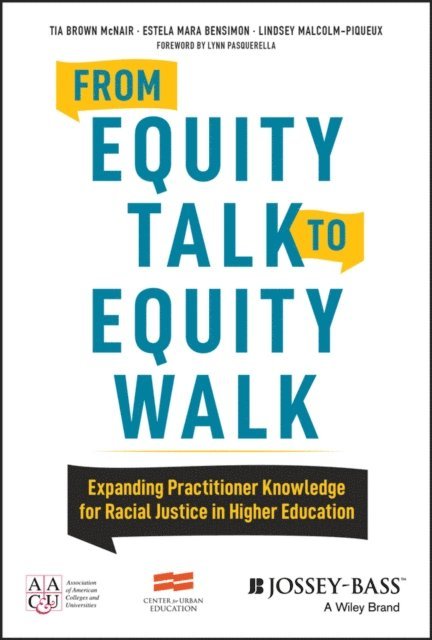
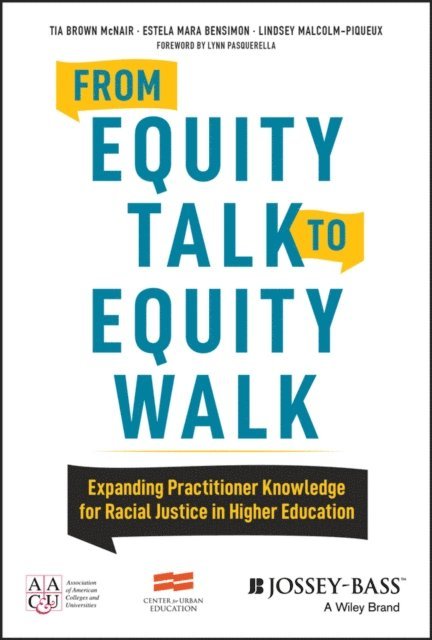
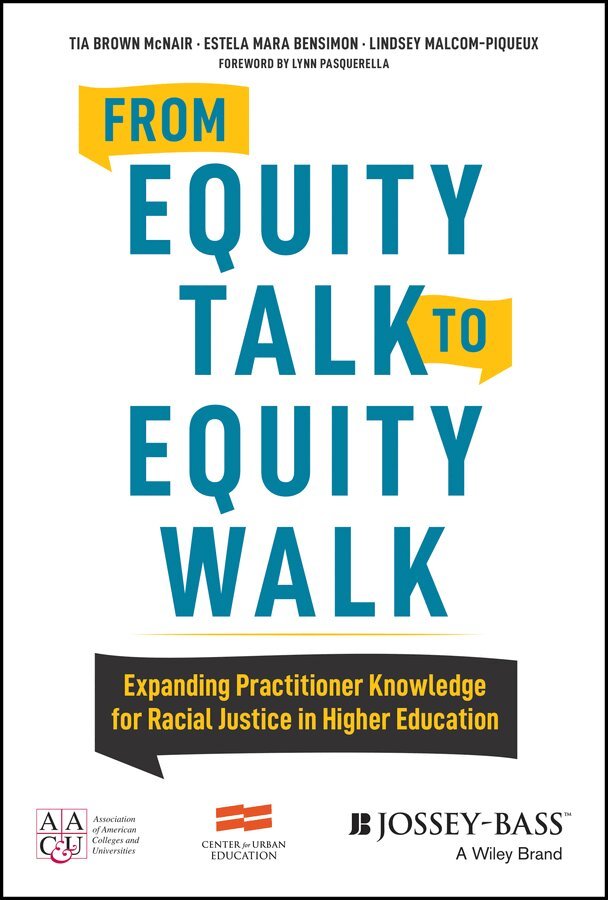
From Equity Talk to Equity Walk
Expanding Practitioner Knowledge for Racial Justice in Higher Education
Inbunden, Engelska, 2020
404 kr
Skickas inom 7-10 vardagar
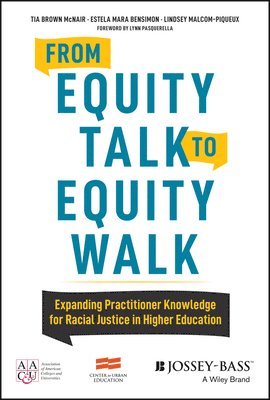
A practical guide for achieving equitable outcomes From Equity Talk to Equity Walk offers practical guidance on the design and application of campus change strategies for achieving equitable outcomes. Drawing from campus-based research projects sponsored by the Association of American Colleges and Universities and the Center for Urban Education at the University of Southern California, this invaluable resource provides real-world steps that reinforce primary elements for examining equity in student achievement, while challenging educators to specifically focus on racial equity as a critical lens for institutional and systemic change.Colleges and universities have placed greater emphasis on education equity in recent years. Acknowledging the changing realities and increasing demands placed on contemporary postsecondary education, this book meets educators where they are and offers an effective design framework for what it means to move beyond equity being a buzzword in higher education. Central concepts and key points are illustrated through campus examples. This indispensable guide presents academic administrators and staff with advice on building an equity-minded campus culture, aligning strategic priorities and institutional missions to advance equity, understanding equity-minded data analysis, developing campus strategies for making excellence inclusive, and moving from a first-generation equity educator to an equity-minded practitioner. From Equity Talk to Equity Walk: A Guide for Campus-Based Leadership and Practice is a vital wealth of information for college and university presidents and provosts, academic and student affairs professionals, faculty, and practitioners who seek to dismantle institutional barriers that stand in the way of achieving equity, specifically racial equity to achieve equitable outcomes in higher education.
Critical Approaches to the Study of Higher Education
A Practical Introduction
Inbunden, Engelska, 2015
734 kr
Tillfälligt slut
Critical theory has much to teach us about higher education. By linking critical models, methods, and research tools with an advocacy-driven vision of the central challenges facing postsecondary researchers and staff, Critical Approaches to the Study of Higher Education makes a significant-and long overdue-contribution to the development of the field. The contributors argue that, far from being overly abstract, critical tools and methods are central to contemporary scholarship and can have practical policy implications when brought to the study of higher education. They argue that critical research design and critical theories help scholars see beyond the normative models and frameworks that have long limited our understanding of students, faculty, institutions, the organization and governance of higher education, and the policies that shape the postsecondary arena.A rigorous and invaluable guide for researchers seeking innovative approaches to higher education and the morass of traditionally functionalist, rational, and neoliberal thinking that mars the field, this book is also essential for instructors who wish to incorporate the lessons of critical scholarship into their course development, curriculum, and pedagogy.
393 kr
Skickas inom 7-10 vardagar
Critical theory has much to teach us about higher education. By linking critical models, methods, and research tools with an advocacy-driven vision of the central challenges facing post secondary researchers and staff, Critical Approaches to the Study of Higher Education makes a significant-and long overdue-contribution to the development of the field. The contributors argue that, far from being overly abstract, critical tools and methods are central to contemporary scholarship and can have practical policy implications when brought to the study of higher education. They argue that critical research design and critical theories help scholars see beyond the normative models and frameworks that have long limited our understanding of students, faculty, institutions, the organization and governance of higher education, and the policies that shape the post secondary arena.A rigorous and invaluable guide for researchers seeking innovative approaches to higher education and the morass of traditionally functionalist, rational, and neoliberal thinking that mars the field, this book is also essential for instructors who wish to incorporate the lessons of critical scholarship into their course development, curriculum, and pedagogy.
Confronting Equity Issues on Campus
Implementing the Equity Scorecard in Theory and Practice
Inbunden, Engelska, 2012
2 044 kr
Skickas inom 10-15 vardagar
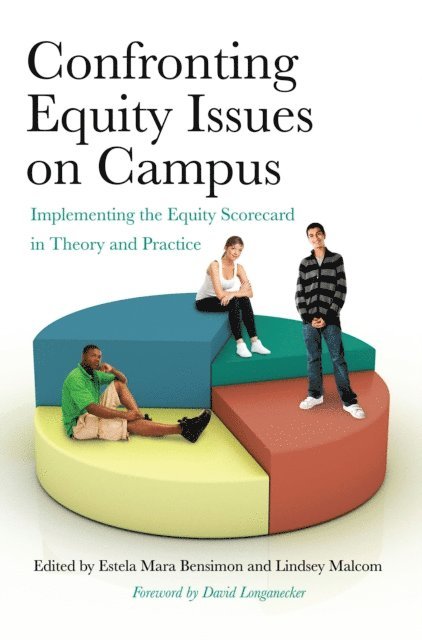
How can it be that 50 years after the passage of the Civil Rights Act, our institutions of higher education have still not found ways of reducing the higher education gaps for racial and ethnic groups? That is the question that informs and animates the Equity Scorecard model of organizational change. It shifts institutions’ focus from what students do (or fail to do) to what institutions can do—through their practices and structures, as well as the actions of their leaders and faculty—to produce equity in outcomes for racially marginalized populations. Drawing on the theory of action research, it creates a structure for practitioners to become investigators of their own institutional culture, to become aware of racial disparities, confront their own practices and learn how things are done on their own turf to ask: In what ways am I contributing to equity/inequity?The Equity Scorecard model differs significantly from traditional approaches to effecting change by creating institutional teams to examine and discuss internal data about student outcomes, disaggregated by race and ethnicity. The premise of the project is that institutional data acts as a powerful trigger for group learning about inequities in educational outcomes, and that the likelihood of improving those outcomes increases if the focus is on those things within the immediate control of the participating leaders and practitioners.Numerous institutions have successfully used The Equity Scorecard’s data tools and processes of self-reflection to uncover and document the behaviors and structures that lead to failure to retain and graduate students from diverse racial and ethnic backgrounds with a history of unequal opportunity; and to create the climate for faculty and staff to take ownership of the issues and develop sustainable practices to eliminate racial disparities in academic performance.The Scorecard can be used at a small-scale to analyze individual courses or programs, as well as broader institutional issues.This book presents the underlying concept of funds of knowledge for race-conscious expertise that informs this process, describes its underlying theories; defines the attributes needed to achieve equity-minded practice; demonstrates, through examples of implementation, what different institutions have learned, and what they have achieved; and provides a blueprint for action for higher education as a whole. For college leaders, instructors and support staff who feel the pressure—moral or otherwise—to close the racial equity gap that their institutions produce year after year, this book provides the structure, knowledge and tools to do so. It is also of value to scholars and students of higher education who have an interest in the study of organizational change.
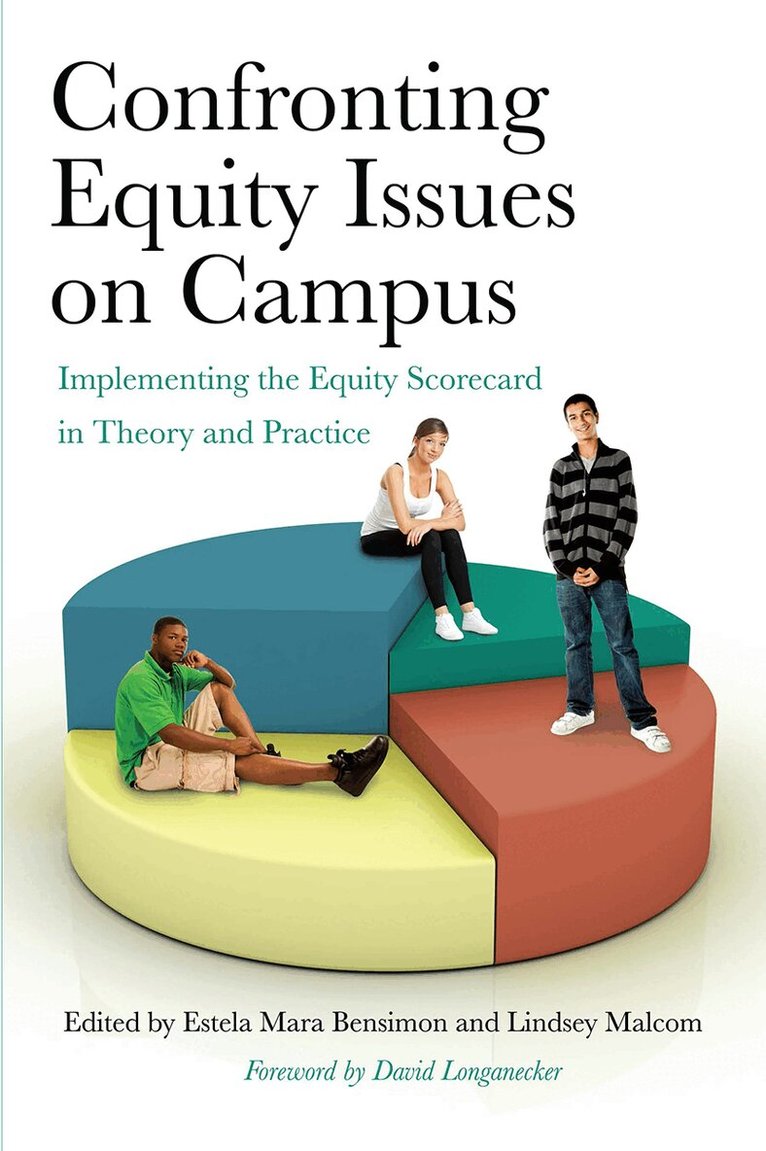
Confronting Equity Issues on Campus
Implementing the Equity Scorecard in Theory and Practice
Häftad, Engelska, 2012
467 kr
Skickas inom 10-15 vardagar
How can it be that 50 years after the passage of the Civil Rights Act, our institutions of higher education have still not found ways of reducing the higher education gaps for racial and ethnic groups? That is the question that informs and animates the Equity Scorecard model of organizational change. It shifts institutions’ focus from what students do (or fail to do) to what institutions can do—through their practices and structures, as well as the actions of their leaders and faculty—to produce equity in outcomes for racially marginalized populations. Drawing on the theory of action research, it creates a structure for practitioners to become investigators of their own institutional culture, to become aware of racial disparities, confront their own practices and learn how things are done on their own turf to ask: In what ways am I contributing to equity/inequity?The Equity Scorecard model differs significantly from traditional approaches to effecting change by creating institutional teams to examine and discuss internal data about student outcomes, disaggregated by race and ethnicity. The premise of the project is that institutional data acts as a powerful trigger for group learning about inequities in educational outcomes, and that the likelihood of improving those outcomes increases if the focus is on those things within the immediate control of the participating leaders and practitioners.Numerous institutions have successfully used The Equity Scorecard’s data tools and processes of self-reflection to uncover and document the behaviors and structures that lead to failure to retain and graduate students from diverse racial and ethnic backgrounds with a history of unequal opportunity; and to create the climate for faculty and staff to take ownership of the issues and develop sustainable practices to eliminate racial disparities in academic performance.The Scorecard can be used at a small-scale to analyze individual courses or programs, as well as broader institutional issues.This book presents the underlying concept of funds of knowledge for race-conscious expertise that informs this process, describes its underlying theories; defines the attributes needed to achieve equity-minded practice; demonstrates, through examples of implementation, what different institutions have learned, and what they have achieved; and provides a blueprint for action for higher education as a whole. For college leaders, instructors and support staff who feel the pressure—moral or otherwise—to close the racial equity gap that their institutions produce year after year, this book provides the structure, knowledge and tools to do so. It is also of value to scholars and students of higher education who have an interest in the study of organizational change.