Eugenio Mangi – författare
2 532 kr
Skickas inom 10-15 vardagar
642 kr
Kommande
2 950 kr
Läs direkt efter köp
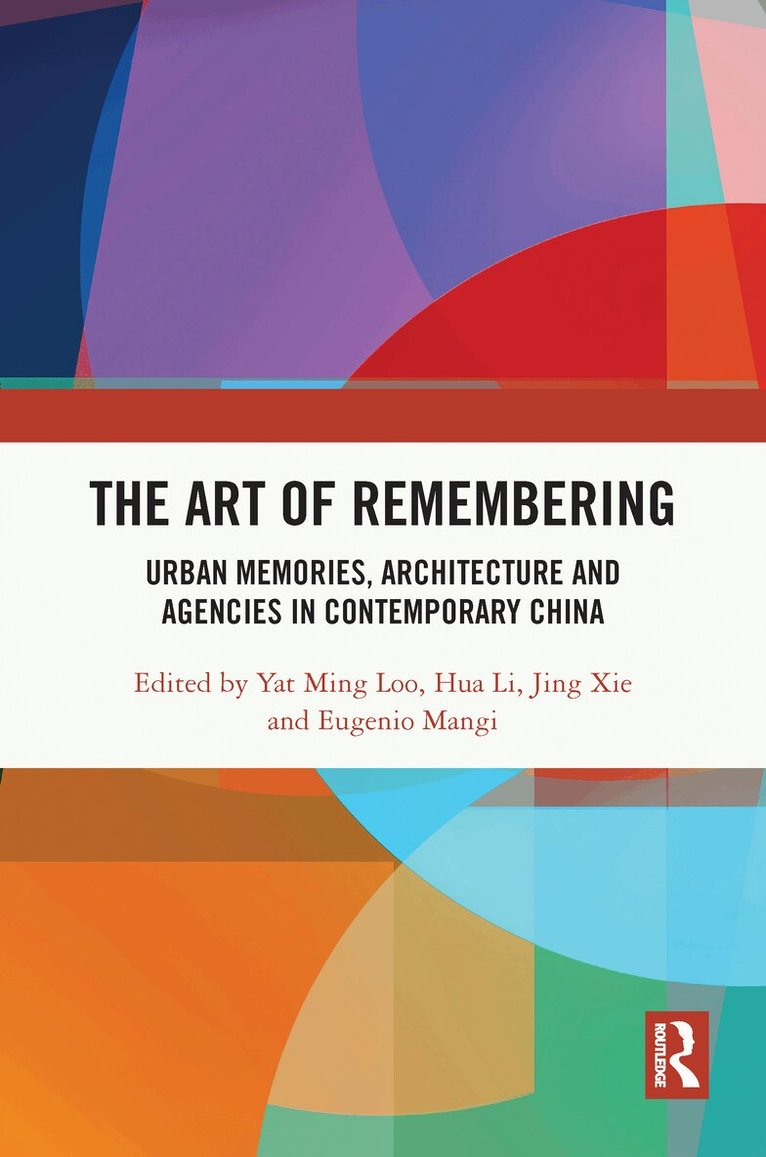
Focusing on the non-Western context and case studies, this book explores theories of interdisciplinary architectural thinking and the construction of urban memory in Chinese cities, with an emphasis on contemporary architecture and the diversity of agencies.
China has undergone one of the fastest urbanisation and urban renewal processes in human history, but discussions of urban memory in China have tended to be practice-oriented and lack theoretical reflection. This book brings together interdisciplinary architectural scholarship to interrogate the production of urban memory and examine experiences in China. The 14 chapters explore different processes, projects, materials, architecture and urban spaces in different Chinese cities by analysing cityscapes such as temples, bridges, conservation projects, architectural design, historical architecture, memorial hall, market street, city images, custom bike, food market and so on. The book deals with different agencies and methods, tangible and intangible, in the construction of memories aimed at promoting hybridised multiple identities, and explores the interplay of different versions of memory, i.e. state, public, regional, local, individual and collective memory.
This book will be essential reading for scholars and students of architecture and urbanism, cultural studies and China studies, as well as architects, urban planners and historians interested in these fields.
2 924 kr
Läs direkt efter köp
Focusing on the non-Western context and case studies, this book explores theories of interdisciplinary architectural thinking and the construction of urban memory in Chinese cities, with an emphasis on contemporary architecture and the diversity of agencies.
China has undergone one of the fastest urbanisation and urban renewal processes in human history, but discussions of urban memory in China have tended to be practice-oriented and lack theoretical reflection. This book brings together interdisciplinary architectural scholarship to interrogate the production of urban memory and examine experiences in China. The 14 chapters explore different processes, projects, materials, architecture and urban spaces in different Chinese cities by analysing cityscapes such as temples, bridges, conservation projects, architectural design, historical architecture, memorial hall, market street, city images, custom bike, food market and so on. The book deals with different agencies and methods, tangible and intangible, in the construction of memories aimed at promoting hybridised multiple identities, and explores the interplay of different versions of memory, i.e. state, public, regional, local, individual and collective memory.
This book will be essential reading for scholars and students of architecture and urbanism, cultural studies and China studies, as well as architects, urban planners and historians interested in these fields.
1 458 kr
Skickas inom 10-15 vardagar
1 722 kr
Läs direkt efter köp
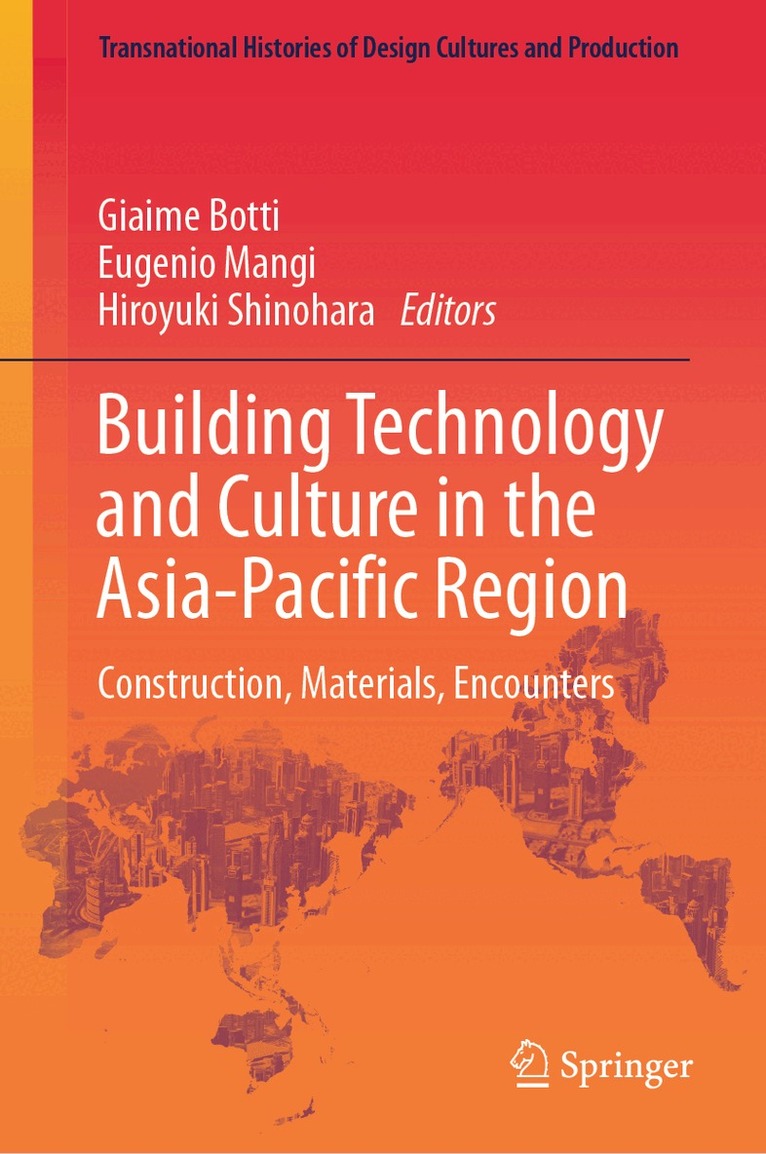
This book compiles a curated selection of texts authored by architects and scholars hailing from Asia, Europe, and North America. Their research, often intertwined with practical applications, delves into the intricate relationship between material culture, technology, and architecture within the broader cultural and social milieu. Three keywords—construction, materials, encounters—serve as the organizing framework for the book, guiding readers through a diverse array of case studies and experiences where these elements intertwine seamlessly. Indeed, these terms are intricately interwoven, reflecting the inseparability of technology from culture.
The first part of the book delves into the poetics and theoretical underpinnings of construction, drawing from the works of various designers across China, Japan, and India. The subsequent section navigates the terrain of construction materials, exploring their evolution, manufacturing processes, and utilization, with a particular focus on diverse timber products and bamboo. The final part of this compilation embarks on a journey through historical encounters between the East and West spanning over a century. It meticulously investigates the exchanges, misunderstandings, and innovations catalyzed by these interactions. Collectively, these texts offer a profound and original perspective on the myriad experiences and challenges associated with the intricate interplay between technological advancements, tectonic preferences, and socio-cultural dynamics within the architectural landscape of the Asia-Pacific region.
1 409 kr
Skickas inom 5-8 vardagar
1 737 kr
Läs direkt efter köp
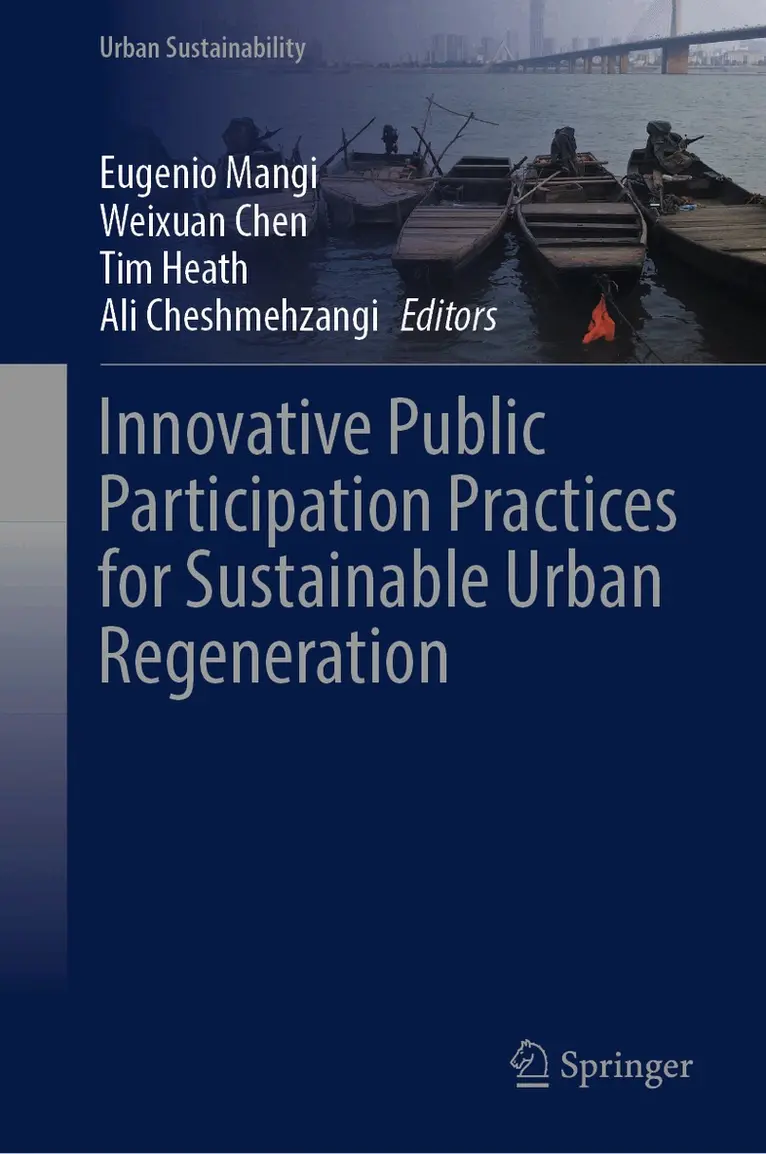
This book analyzes the adoption of stakeholders’ engagement in various fields and scales while providing the readers with an international outlook of the topic. In the contemporary processes of urban development, regeneration is becoming a relevant way to limit the occupation of new land and to enhance the existing spatial, social, and ecological dimensions of specific parts of the city. It generally entails the engagement of different groups of stakeholders and users at various levels—e.g., institutional and private—who carry on their own agendas while conveying a wide range of interests and values to safeguard. At the same time, despite indications of a significant increase in its implementation under various forms and in multiple contexts in the last twenty years, participatory mechanisms have not been without challenges and barriers due to several factors, including facilitators’ poor negotiation and communication practices, and consequently misinterpretation of the values at stake made by the parties involved, or obstructionism and gridlocks carried on by the different stakeholders. The narrative of the collection is structured in four sections The contributions elaborate on innovative participatory patterns, how they are/might be entangled with the different stages of regeneration projects, in what measure they have contributed to the United Nations sustainability goals, and the potential matters emerging during the negotiation phases. In detail, the four sections are:
1. Public space regeneration
2. Ecological regeneration
3. Built heritage regeneration
4. Informal settlements regeneration.
Finally, this book is a significant asset to urban policy makers, planners, practitioners, and researchers in the architecture and urban studies domain who aim at deepening public participation practices knowledge by comparing different experiences.
1 458 kr
Skickas inom 10-15 vardagar