F. Kent Reilly - Böcker
Visar alla böcker från författaren F. Kent Reilly. Handla med fri frakt och snabb leverans.
3 produkter
3 produkter
317 kr
Skickas inom 7-10 vardagar
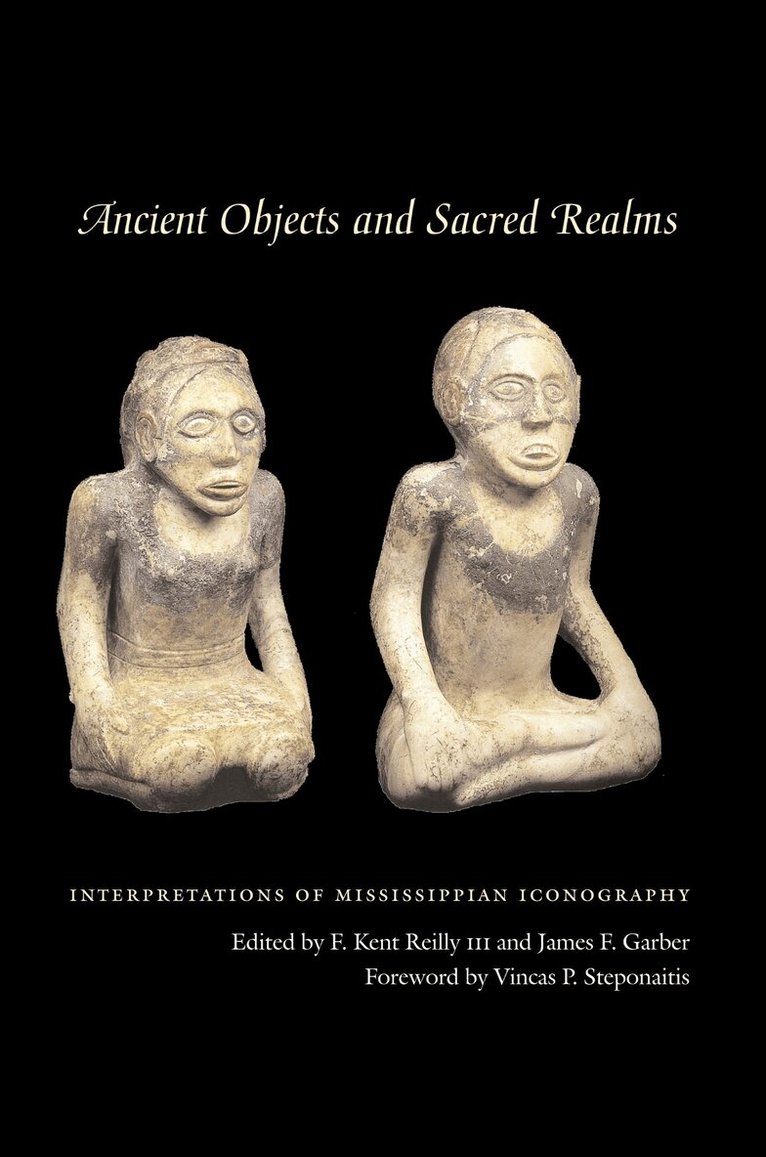
Between AD 900-1600, the native peoples of the Mississippi River Valley and other areas of the Eastern Woodlands of the United States conceived and executed one of the greatest artistic traditions of the Precolumbian Americas. Created in the media of copper, shell, stone, clay, and wood, and incised or carved with a complex set of symbols and motifs, this seven-hundred-year-old artistic tradition functioned within a multiethnic landscape centered on communities dominated by earthen mounds and plazas. Previous researchers have referred to this material as the Southeastern Ceremonial Complex (SECC).This groundbreaking volume brings together ten essays by leading anthropologists, archaeologists, and art historians, who analyze the iconography of Mississippian art in order to reconstruct the ritual activities, cosmological vision, and ideology of these ancient precursors to several groups of contemporary Native Americans. Significantly, the authors correlate archaeological, ethnographic, and art historical data that illustrate the stylistic differences within Mississippian art as well as the numerous changes that occur through time. The research also demonstrates the inadequacy of the SECC label, since Mississippian art is not limited to the Southeast and reflects stylistic changes over time among several linked but distinct religious traditions. The term Mississippian Iconographic Interaction Sphere (MIIS) more adequately describes the corpus of this Mississippian art. Most important, the authors illustrate the overarching nature of the ancient Native American religious system, as a creation unique to the native American cultures of the eastern United States.
Visualizing the Sacred
Cosmic Visions, Regionalism, and the Art of the Mississippian World
Häftad, Engelska, 2011
390 kr
Skickas inom 10-15 vardagar
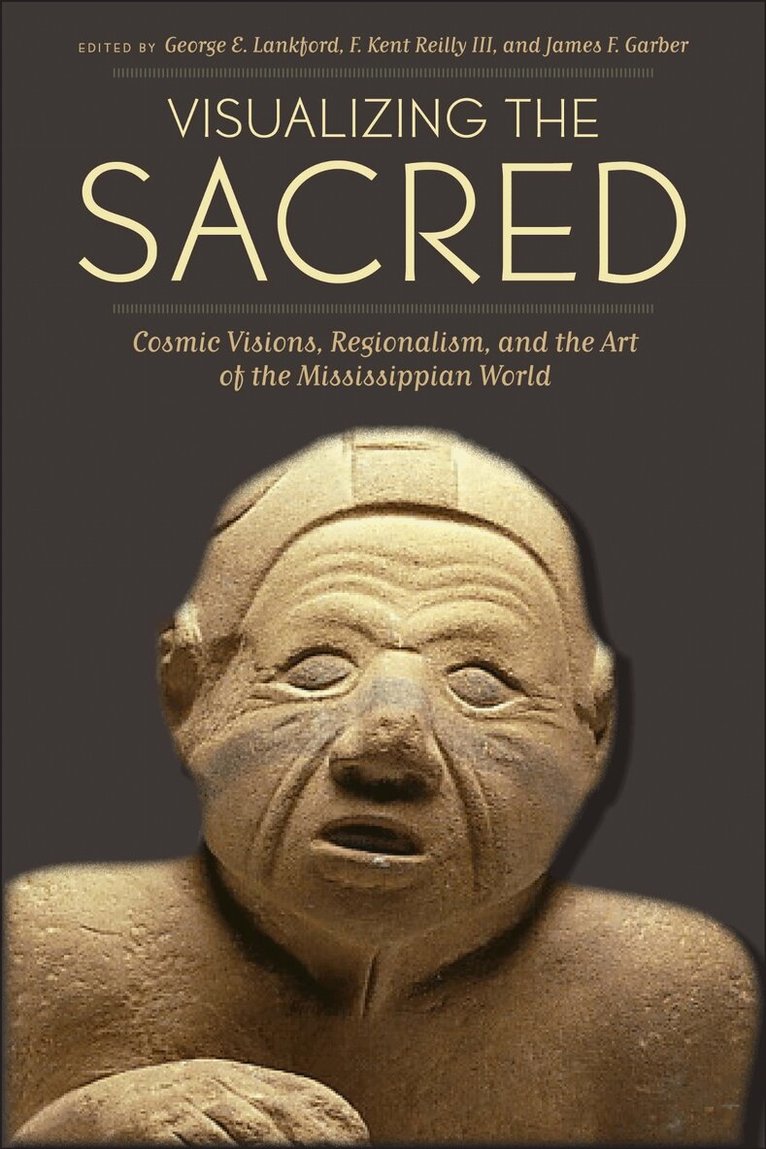
The prehistoric native peoples of the Mississippi River Valley and other areas of the Eastern Woodlands of the United States shared a complex set of symbols and motifs that constituted one of the greatest artistic traditions of the pre-Columbian Americas. Traditionally known as the Southeastern Ceremonial Complex, these artifacts of copper, shell, stone, clay, and wood were the subject of the groundbreaking 2007 book Ancient Objects and Sacred Realms: Interpretations of Mississippian Iconography, which presented a major reconstruction of the rituals, cosmology, ideology, and political structures of the Mississippian peoples.Visualizing the Sacred advances the study of Mississippian iconography by delving into the regional variations within what is now known as the Mississippian Iconographic Interaction Sphere (MIIS). Bringing archaeological, ethnographic, ethnohistoric, and iconographic perspectives to the analysis of Mississippian art, contributors from several disciplines discuss variations in symbols and motifs among major sites and regions across a wide span of time and also consider what visual symbols reveal about elite status in diverse political environments. These findings represent the first formal identification of style regions within the Mississippian Iconographic Interaction Sphere and call for a new understanding of the MIIS as a network of localized, yet interrelated religious systems that experienced both continuity and change over time.
871 kr
Skickas inom 7-10 vardagar
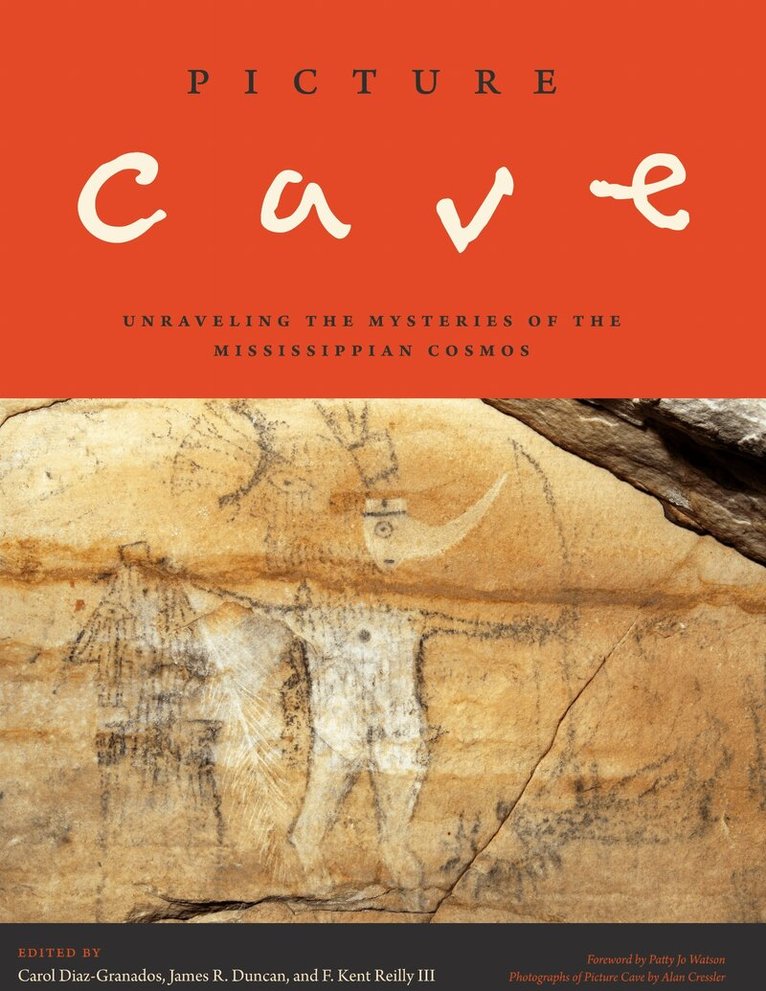
This extensively illustrated volume provides the first complete visual documentation and a pioneering iconographic analysis of Picture Cave, an eastern Missouri cavern filled with Native American pictographs that is one of the most important prehistoric sites in North America.A millennia ago, Native Americans entered the dark recesses of a cave in eastern Missouri and painted an astonishing array of human, animal, and supernatural creatures on its walls. Known as Picture Cave, it was a hallowed site for sacred rituals and rites of passage, for explaining the multi-layered cosmos, for vision quests, for communing with spirits in the “other world,” and for burying the dead. The number, variety, and complexity of images make Picture Cave one of the most significant prehistoric sites in North America, similar in importance to Cahokia and Chaco Canyon. Indeed, scholars will be able to use it to reconstruct much of the Native American symbolism of the early Western Mississippian world.The Picture Cave Interdisciplinary Project brought together specialists in American Indian art and iconography, two artists, Osage Indian elders, a museum curator, a folklorist, and an internationally renowned cave archaeologist to produce the first complete documentation of the pictographs on the cave walls and the first interpretations of their meanings and significance. This extensively illustrated volume presents the Project’s findings, including an introduction to Picture Cave and prehistoric cave art and technical analyses of pigments, radiocarbon dating, spatial order, and archaeological remains. Interpretations of the cave’s imagery, from individual motifs to complex panels; the responses of contemporary artists; and interviews with Osage elders (descendants of the people who made the art), describing what Picture Cave means to them today, are also included. A visual glossary of all the images in Picture Cave as well as panoramic views complete this pathfinding volume.