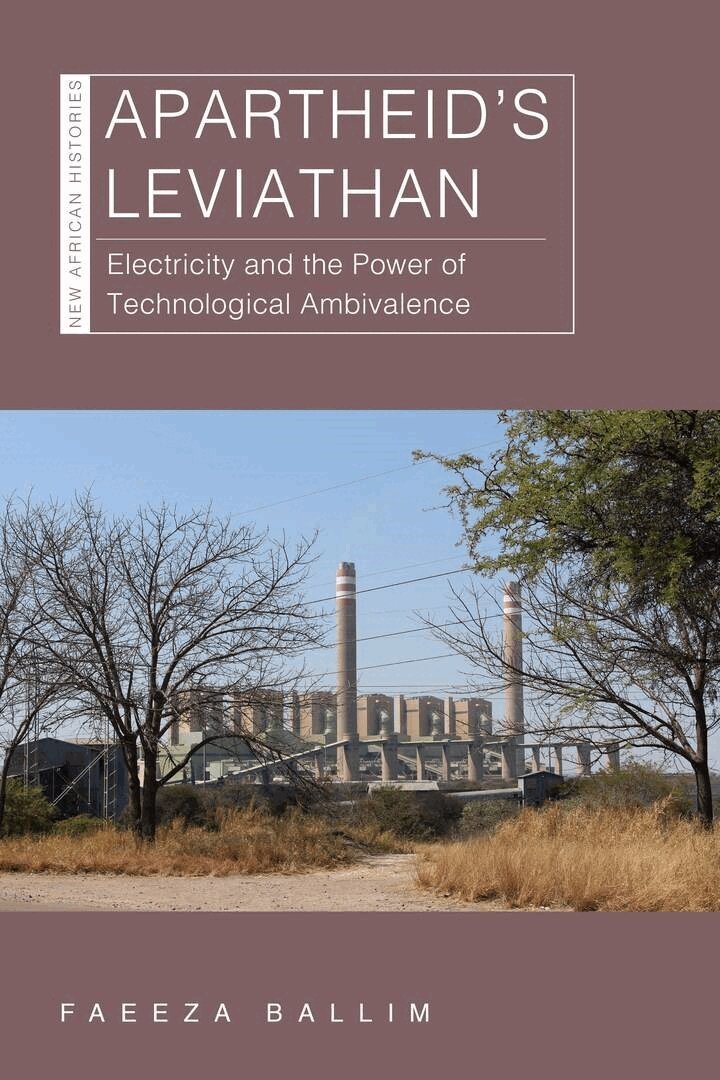
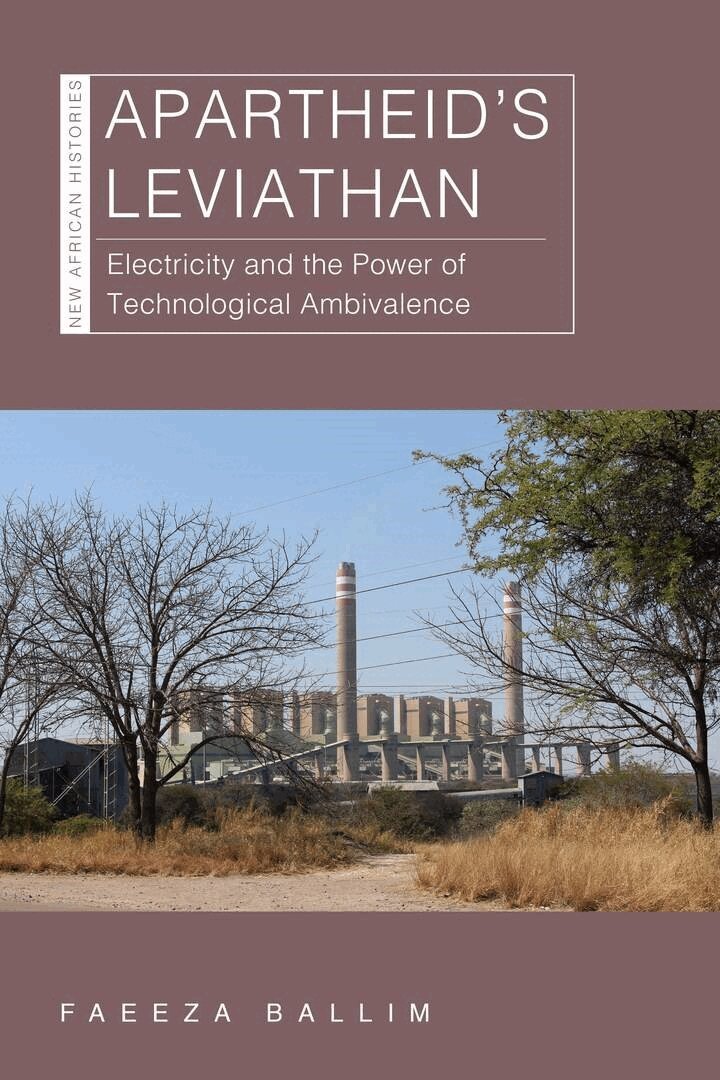
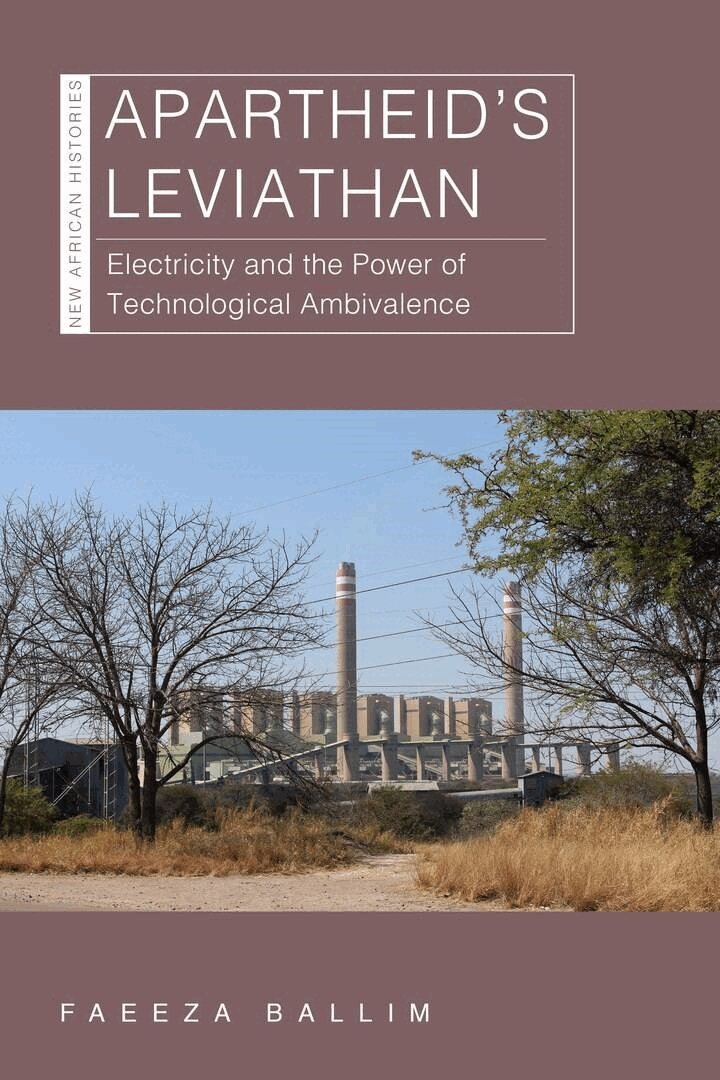
A fascinating study that shows how the intersection of technology and politics has shaped South African history since the 1960s.This book details the development of an interconnected technological system of a coal mine and of the Matimba and Medupi power stations in the Waterberg, a rural region of South Africa near the country's border with Botswana. South Africa's state steel manufacturing corporation, Iscor, which has since been privatized, developed a coal mine in the region in the 1970s. This set the stage for the national electricity provider, Eskom, to build coal-fueled power stations in the Waterberg. Faeeza Ballim follows the development of these technological systems from the late 1960s, a period of heightened repression as the apartheid government attempted to realize its vision of racial segregation, to the deeply fraught construction of the Medupi power station in postapartheid South Africa. The Medupi power station was planned toward the end of the first decade of the twenty-first century as a measure to alleviate the country's electricity shortage, but the continued delay of its completion and the escalation of its costs meant that it failed to realize those ambitions while public frustration and electricity outages grew. By tracing this story, this book highlights the importance of technology to our understanding of South African history. This characterization challenges the idea that the technological state corporations were proxies for the apartheid government and highlights that their activities in the Waterberg did not necessarily accord with the government's strategic purposes. While a part of the broader national modernization project under apartheid, they also set the stage for worker solidarity and trade union organization in the Waterberg and elsewhere in the country. This book also argues that the state corporations, their technology, and their engineers enjoyed ambivalent relationships with the governments of their time, relationships that can be characterized as both autonomous and immersive. In the era of democracy, while Eskom has been caught up in government corruption—a major scourge to the fortunes of South Africa—it has also retained a degree of organizational autonomy and offered a degree of resistance to those who sought to further corruption. The examination of the workings of these technological systems, and the state corporations responsible for them, complicates conventional understandings of the transition from the authoritarian rule of apartheid to democratic South Africa, which coincided with the transition from state-led development to neoliberalism. This book is an indispensable case study on the workings of industrial and political power in Africa and beyond.
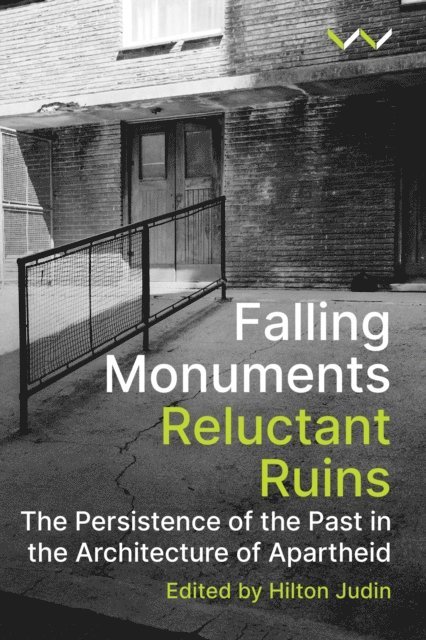
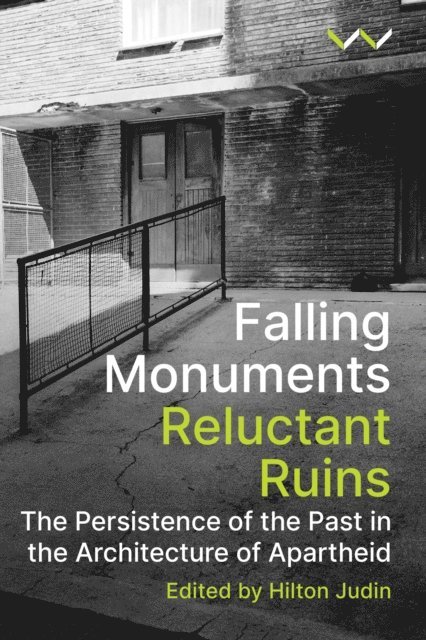
Falling Monuments, Reluctant Ruins: The Persistence of the Past in the Architecture of Apartheid interrogates how, in the era of decolonisation, post-apartheid South Africa reckons with its past in order to shape its future. Architects, historians, artists, social anthropologists and urban planners seek answers in this book to complex and unsettling questions around heritage, ruins and remembrance. What do we do with hollow memorials and political architectural remnants? Which should remain, which forgotten, and which dismantled? Are these vacant buildings, cemeteries, statues, and derelict grounds able to serve as inspiration in the fight against enduring racism and social neglect? Should they become exemplary as spaces for restitution and justice? The contributors examine the influence of public memory, planning and activism on such anguished places of oppression, resistance and defiance. Their focus on visible markers in the landscape to interrogate our past will make readers reconsider these spaces, looking at their landscape and history anew. Through a series of 14 empirically grounded chapters and 48 images, the contributors seek to understand how architecture contests or subverts these persistent conditions in order to promote social justice, land reclamation and urban rehabilitation. The decades following the dismantling of apartheid are surveyed in light of contemporary heritage projects, where building ruins and abandoned spaces are challenged and renegotiated across the country to become sites of protest, inspiration and anger. This ground-breaking collection is an important resource for professionals, academics and activists working in South Africa today.