Faith Wallis – författare
Visar alla böcker från författaren Faith Wallis. Handla med fri frakt och snabb leverans.
19 produkter
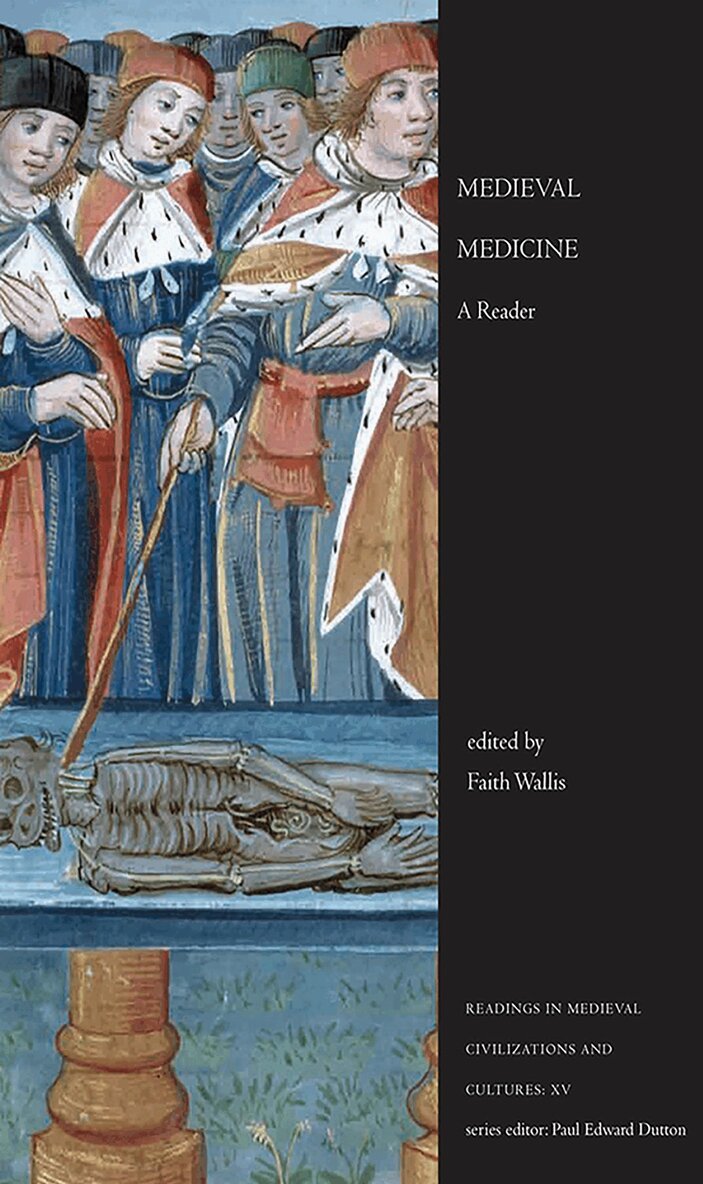
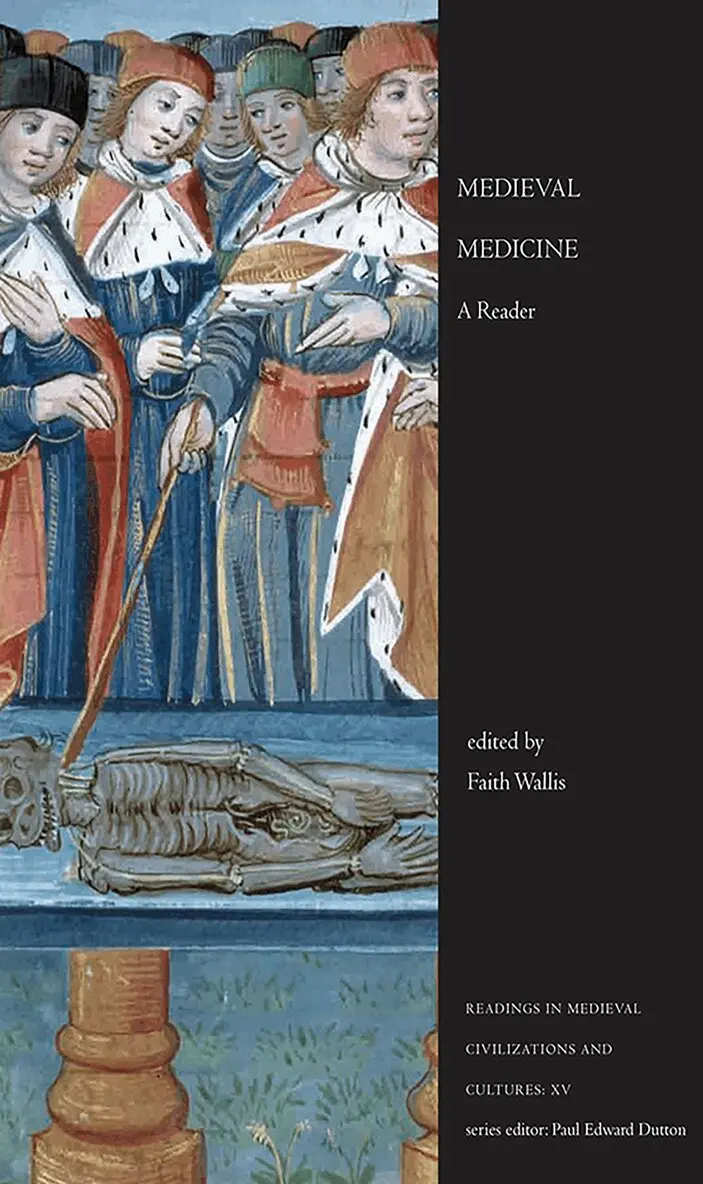
Medieval Medicine
A Reader
Av Faith Wallis
Häftad, 2010
555 kr
Lägg i varukorg
Medical knowledge and practice changed profoundly during the medieval period. In this collection of over 100 primary sources, many translated for the first time, Faith Wallis reveals the dynamic world of medicine in the Middle Ages that has been largely unavailable to students and scholars. The …
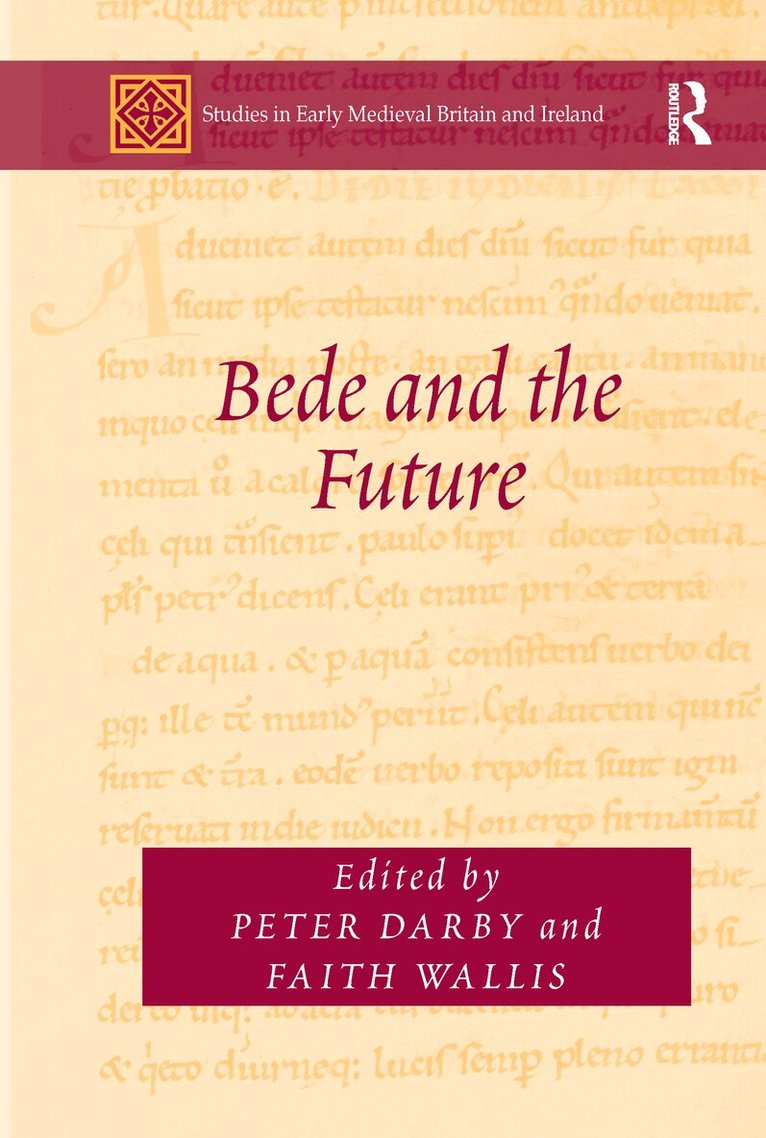
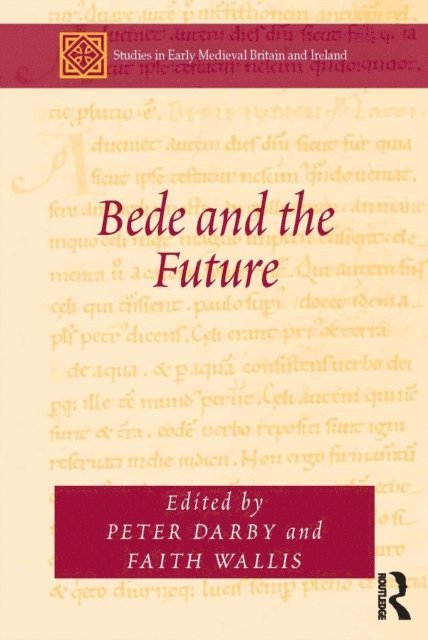
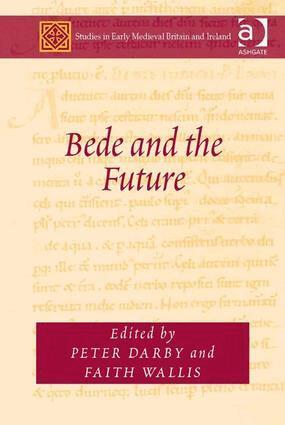
Bede and the Future
Häftad, 2020
706 kr
Lägg i varukorg
Bede (c. 673-735) was Anglo-Saxon England’s most prominent scholar, and his body of work is among the most important intellectual achievements of the entire Middle Ages. Bede and the Future brings together an international group of Bede scholars to examine a number of questions about Bede’s …
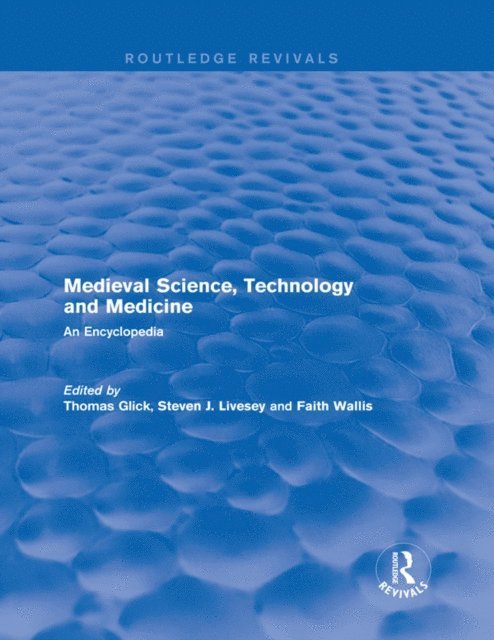
Routledge Revivals: Medieval Science, Technology and Medicine (2006)
An Encyclopedia
Av Thomas Glick, Steven J. Livesey m. fl.
Inbunden, 2017
3156 kr
Lägg i varukorg
First published in 2005, this encyclopedia demonstrates that the millennium from the fall of the Roman Empire to the Renaissance was a period of great intellectual and practical achievement and innovation. In Europe, the Islamic world, South and East Asia, and the Americas, individuals built on …
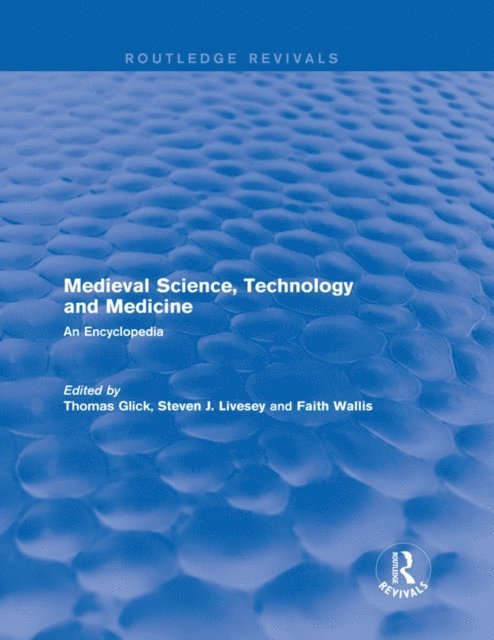
Routledge Revivals: Medieval Science, Technology and Medicine (2006)
An Encyclopedia
Av Thomas Glick, Steven J. Livesey m. fl.
Häftad, 2019
783 kr
Lägg i varukorg
First published in 2005, this encyclopedia demonstrates that the millennium from the fall of the Roman Empire to the Renaissance was a period of great intellectual and practical achievement and innovation. In Europe, the Islamic world, South and East Asia, and the Americas, individuals built on …
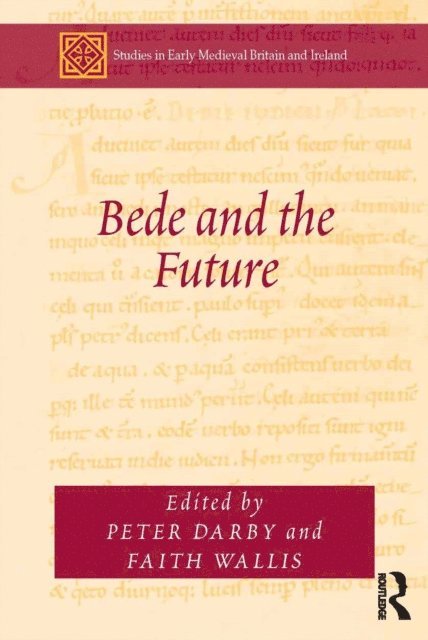
Bede and the Future
E-bok, 2016
956 kr
Lägg i varukorg
Bede (c. 673-735) was Anglo-Saxon England’s most prominent scholar, and his body of work is among the most important intellectual achievements of the entire Middle Ages. Bede and the Future brings together an international group of Bede scholars to examine a number of questions about Bede’s …
Bede and the Future
E-bok, 2016
935 kr
Lägg i varukorg
Bede (c. 673-735) was Anglo-Saxon England’s most prominent scholar, and his body of work is among the most important intellectual achievements of the entire Middle Ages. Bede and the Future brings together an international group of Bede scholars to examine a number of questions about Bede’s …
Routledge Revivals: Medieval Science, Technology and Medicine (2006)
An Encyclopedia
Av Faith Wallis, Steven J. Livesey m. fl.
E-bok, 2017
856 kr
Lägg i varukorg
First published in 2005, this encyclopedia demonstrates that the millennium from the fall of the Roman Empire to the Renaissance was a period of great intellectual and practical achievement and innovation. In Europe, the Islamic world, South and East Asia, and the Americas, individuals built on …
Routledge Revivals: Medieval Science, Technology and Medicine (2006)
An Encyclopedia
Av Faith Wallis, Steven J. Livesey m. fl.
E-bok, 2017
856 kr
Lägg i varukorg
First published in 2005, this encyclopedia demonstrates that the millennium from the fall of the Roman Empire to the Renaissance was a period of great intellectual and practical achievement and innovation. In Europe, the Islamic world, South and East Asia, and the Americas, individuals built on …
Bede and the Future
Inbunden, 2014
2504 kr
Lägg i varukorg
Bede (c. 673-735) was Anglo-Saxon England’s most prominent scholar, and his body of work is among the most important intellectual achievements of the entire Middle Ages. Bede and the Future brings together an international group of Bede scholars to examine a number of questions about Bede’s …
Medieval Medicine
A Reader
Av Faith Wallis
E-bok, 2010
604 kr
Lägg i varukorg
Medical knowledge and practice changed profoundly during the medieval period. In this collection of over 100 primary sources, many translated for the first time, Faith Wallis reveals the dynamic world of medicine in the Middle Ages that has been largely unavailable to students and scholars. The …
Medieval Medicine
A Reader
Av Faith Wallis
E-bok, 2010
554 kr
Lägg i varukorg
Medical knowledge and practice changed profoundly during the medieval period. In this collection of over 100 primary sources, many translated for the first time, Faith Wallis reveals the dynamic world of medicine in the Middle Ages that has been largely unavailable to students and scholars. The …
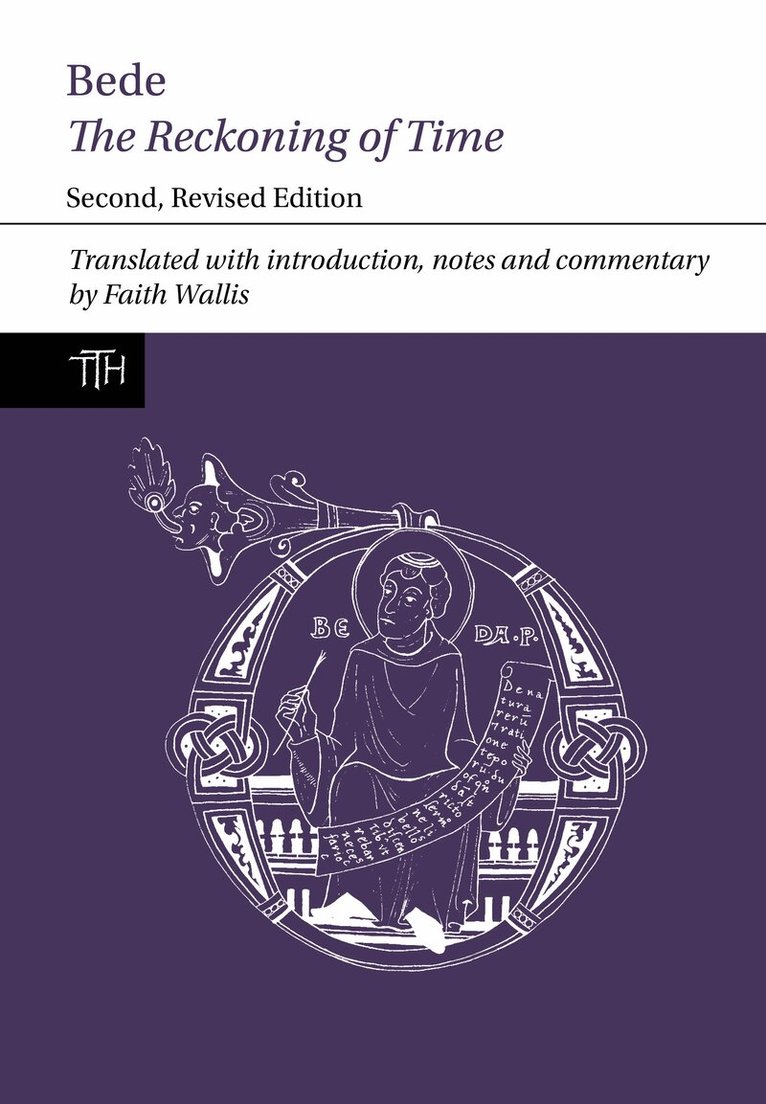
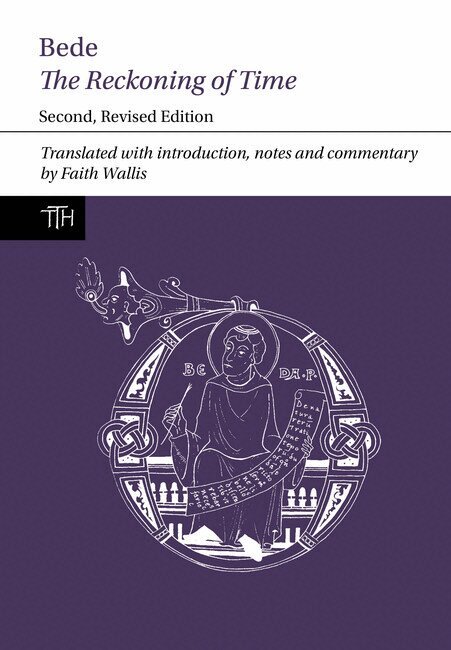
Bede: The Reckoning of Time
Second, Revised Edition
Av Faith Wallis
Häftad, 2026
763 kr
Lägg i varukorg
From the patristic age until the Gregorian calendar reform of 1582, computus – the science of time reckoning and art of calendar construction – was a subject of intense concern to medieval people. Bede’s The Reckoning of Time (De temporum ratione) was the first comprehensive treatise on this …
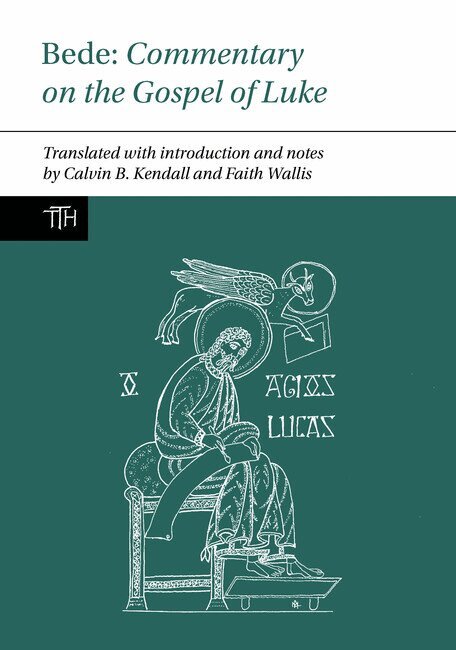
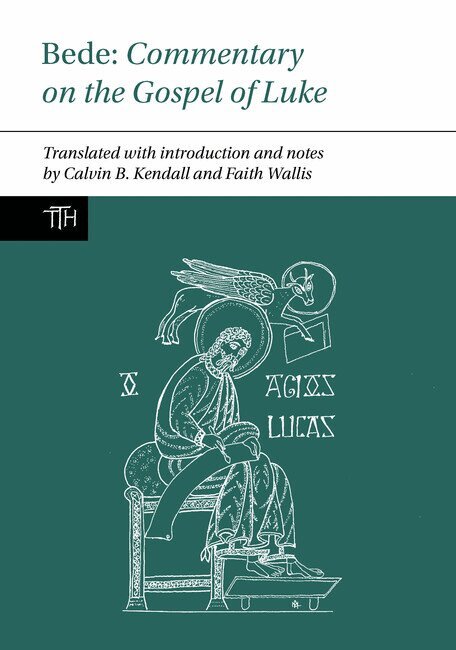
Bede: Commentary on the Gospel of Luke
Av Faith Wallis, Calvin B. Kendall
Häftad, 2025
808 kr
Lägg i varukorg
Commenting on the Bible was the principal way in which early medieval Christians conducted the work of theology; commentaries also open a window for modern readers onto the way in which these people strove to understand humanity, the world and history through complex acts of layered winterpretation …
Bede: The Reckoning of Time
Second, Revised Edition
Av Faith Wallis
Inbunden, 2025
2599 kr
Lägg i varukorg
From the patristic age until the Gregorian calendar reform of 1582, computus – the science of time reckoning and art of calendar construction – was a subject of intense concern to medieval people. Bede’s The Reckoning of Time (De temporum ratione) was the first comprehensive treatise on this …
Bede: Commentary on the Gospel of Luke
Av Faith Wallis, Calvin B. Kendall
Inbunden, 2024
2677 kr
Lägg i varukorg
Commenting on the Bible was the principal way in which early medieval Christians conducted the work of theology; commentaries also open a window for modern readers onto the way in which these people strove to understand humanity, the world and history through complex acts of layered winterpretation …
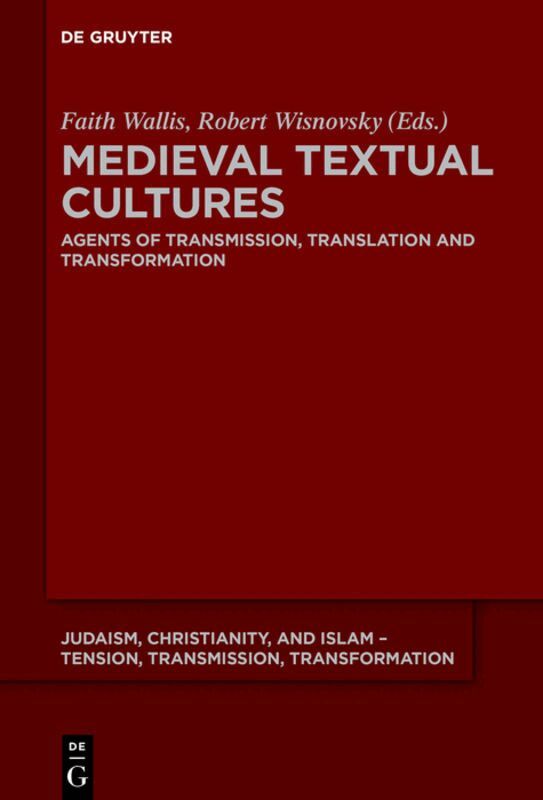
Medieval Textual Cultures
Agents of Transmission, Translation and Transformation
Av Faith Wallis, Robert Wisnovsky
Inbunden, 2016
1561 kr
Lägg i varukorg
No detailed description available for "Medieval Textual Cultures".
Medieval Textual Cultures
Agents of Transmission, Translation and Transformation
Av Robert Wisnovsky, Faith Wallis
E-bok, 2016
1626 kr
Lägg i varukorg
Understanding how medieval textual cultures engaged with the heritage of antiquity (transmission and translation) depends on recognizing that reception is a creative cultural act (transformation). These essays focus on the people, societies and institutions who were doing the transmitting, …
Medieval Textual Cultures
Agents of Transmission, Translation and Transformation
Av Robert Wisnovsky, Faith Wallis
E-bok, 2016
1591 kr
Lägg i varukorg
Understanding how medieval textual cultures engaged with the heritage of antiquity (transmission and translation) depends on recognizing that reception is a creative cultural act (transformation). These essays focus on the people, societies and institutions who were doing the transmitting, …
Medieval Textual Cultures
Agents of Transmission, Translation and Transformation
Av Faith Wallis, Robert Wisnovsky
Häftad, 2018
329 kr
Lägg i varukorg
Understanding how medieval textual cultures engaged with the heritage of antiquity (transmission and translation) depends on recognizing that reception is a creative cultural act (transformation). These essays focus on the people, societies and institutions who were doing the transmitting, …