Felix Anderl - Böcker
Visar alla böcker från författaren Felix Anderl. Handla med fri frakt och snabb leverans.
5 produkter
5 produkter
995 kr
Skickas
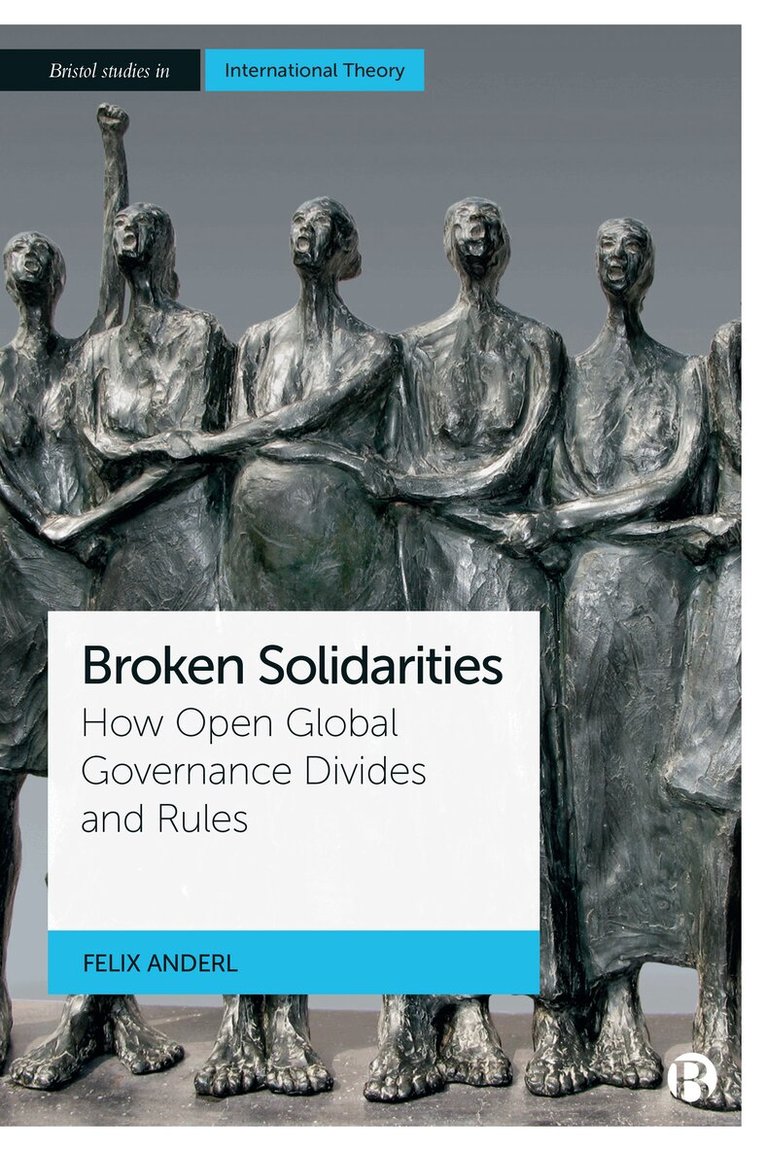
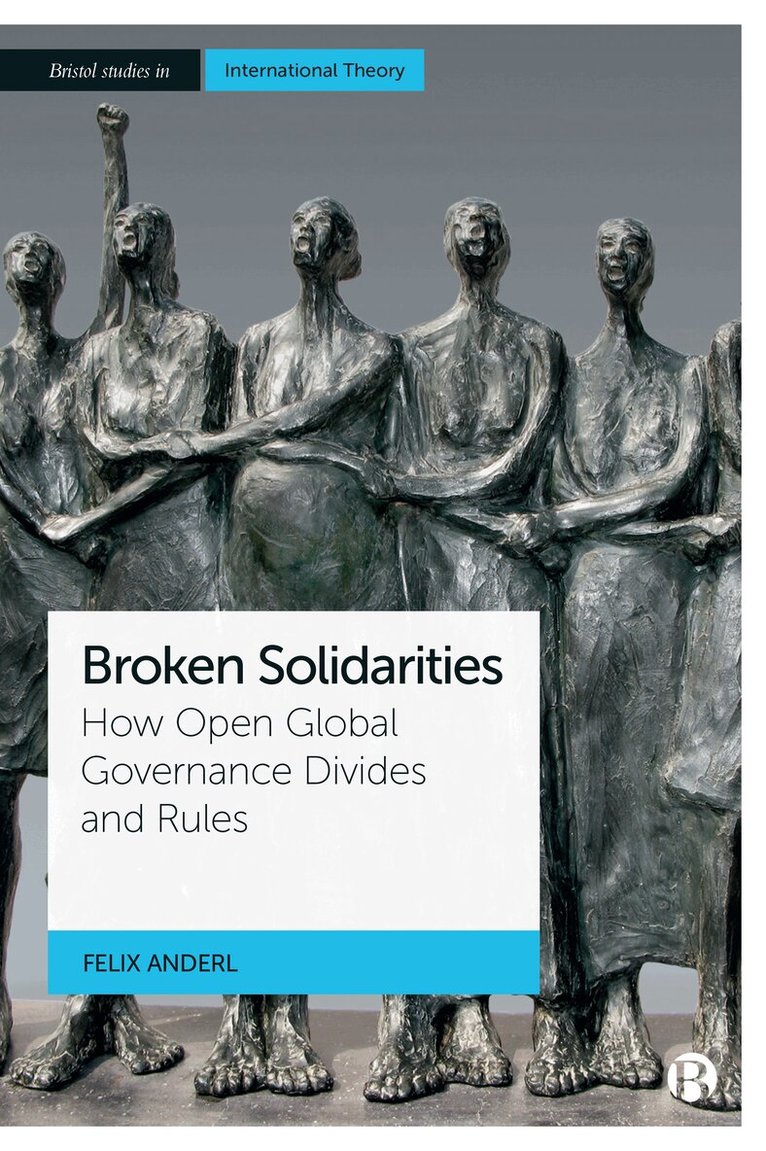
Felix Anderl’s book is a stimulating analysis of the decline of social movements against the World Bank and the rise of a new form of transnational rule.Reflecting on the transnational mobilizations of the 1990s, the book examines activists’ struggles to sustain their momentum. It shows how the opening up of world economic institutions contributed to complex rule in global governance, creating access for some while weakening their critique and fragmenting the overall movement.The book bridges international relations and social movement studies to observe international organizations and social movements in their interaction, demonstrating how social movements are divided and ruled in the absence of a ruler.
359 kr
Skickas
Felix Anderl’s book is a stimulating analysis of the decline of social movements against the World Bank and the rise of a new form of transnational rule.Reflecting on the transnational mobilizations of the 1990s, the book examines activists’ struggles to sustain their momentum. It shows how the opening up of world economic institutions contributed to complex rule in global governance, creating access for some while weakening their critique and fragmenting the overall movement.The book bridges international relations and social movement studies to observe international organizations and social movements in their interaction, demonstrating how social movements are divided and ruled in the absence of a ruler.
1 009 kr
Skickas inom 10-15 vardagar
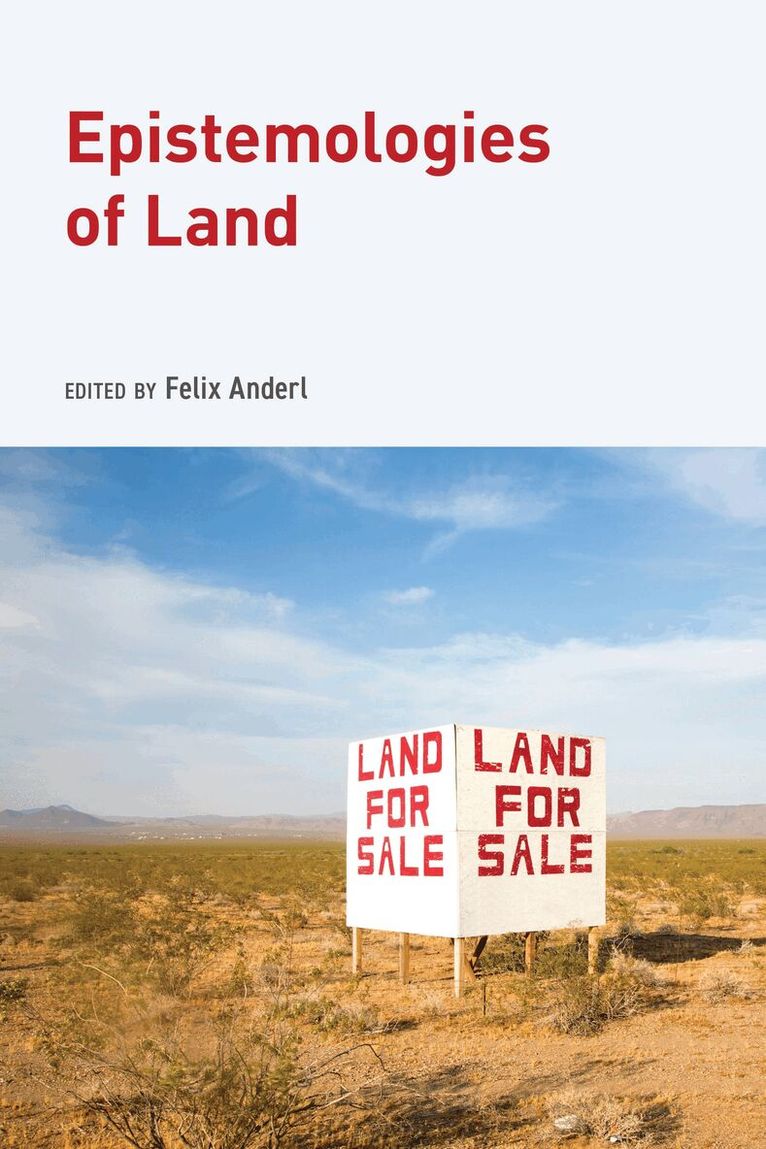
Land is at the centre of crucial public debates ranging from climate adaptation to housing and development, to agriculture and indigenous peoples’ rights. These debates frequently become stuck, though, because the meaning of land in different contexts is poorly understood. Bringing together specialists of epistemology and land, this open access book is a landmark contribution to understanding land knowledge as a complex factor in these debates.Land has been known in astonishingly different ways throughout history, but in recent decades one particular understanding of land as commodity has become increasingly hegemonic globally. This understanding has enormously destructive effects, not only for many people and animals living on and from the land that is increasingly grabbed for extractivist purposes, but also for possible imaginations of how humans can relate to land in the future.In Epistemologies of Land, scholars reconstruct how the understanding of land has come to be reduced to “land as commodity” historically, what the consequences of this epistemological transformation have been, and what alternative ways of understanding land could help establish intellectually abundant and ecologically sustainable ways of relating to the land we live on. Particularly, the book shows how a change in perspective – thinking society through land – can lay the foundation not only for knowing more about land, but for a different kind of environmental and social knowledge that could recover forgotten wisdom of how humans and animals have historically related to land, and by that transform the ways in which land contributes to our daily life beyond its diminished meaning as an economic resource.Contributors include: Eloisa Berman Arevalo, Shailaja Fennell, Inanna Hamati-Ataya, Katarina Kusic, Maarten Meijer, David Nally, Sakshi, Leo Steeds, and Anna Wolkenhauer.The ebook editions of this book are available open access under a CC BY-NC-ND 4.0 licence on bloomsburycollections.com. Open access was funded by European Research Council (ERC).
1 572 kr
Skickas inom 10-15 vardagar
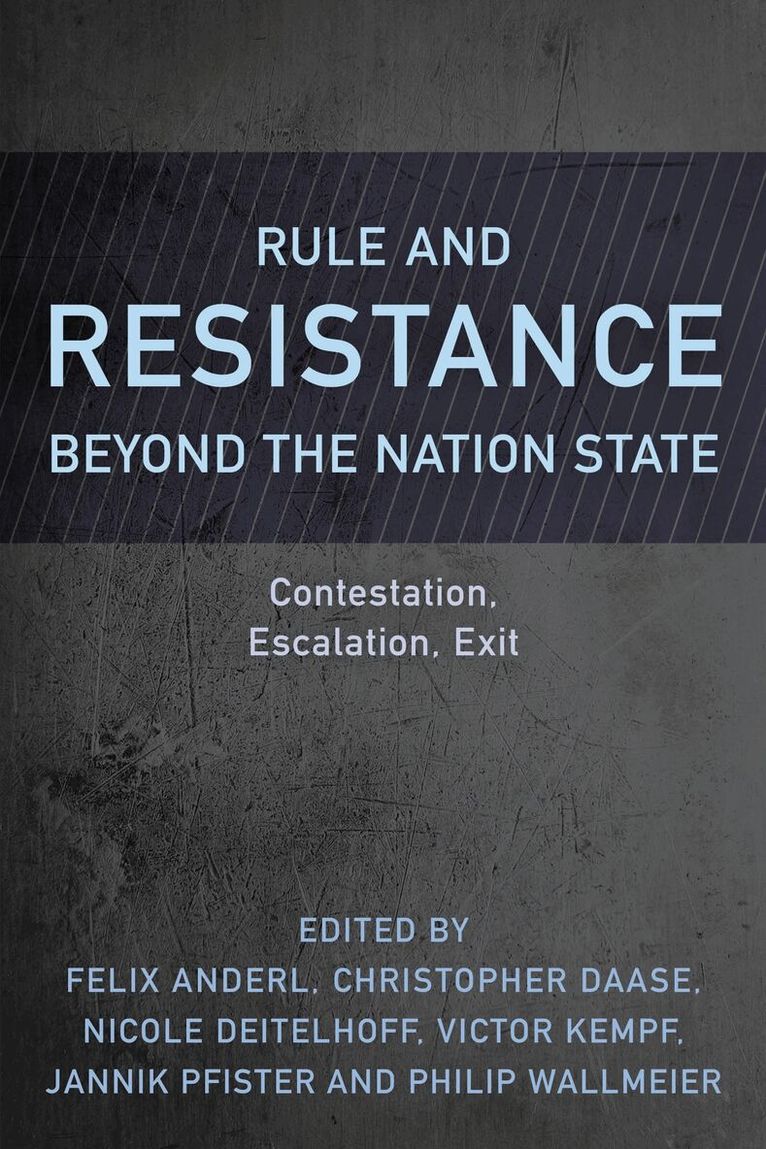
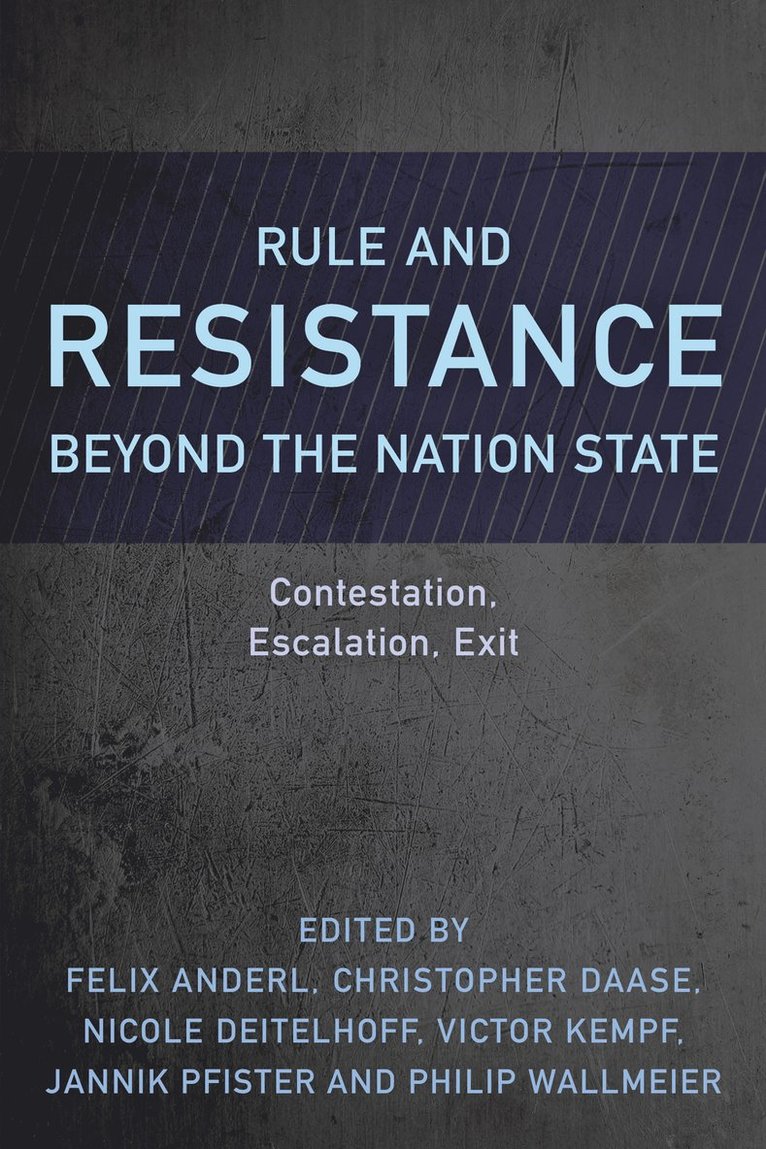
Rule and resistance can no longer be understood in national contexts only. They both have transnationalised over the last decades. The scholarly discourse, however, still lags behind these developments. While International Relations only sees institutional “governance”, social movement studies only see instances of resistance. Both, however, lack the necessary vocabulary to describe the dynamic interplay between systems of rule and resistance. While we are governed by transnational structures of rule, a systematic analysis of how this operates and how it can be resisted remains to be developed.This open access book develops an understanding of these power relations through rich empirical case studies of different forms of rule-resistance relationships. Some resistant groups demand reforms of particular policies and institutions. Others attack institutions head-on. Yet other actors attempt to escape the rules they reject. Which forms of resistance can we expect under different kinds of rule? How can we understand transnational rule in the first place? The book gives new inspiring answers to these difficult questions.The ebook editions of this book are available open access under a CC BY-NC-ND 4.0 licence on bloomsburycollections.com. Open access was funded by Goethe University Frankfurt am Main
541 kr
Skickas inom 10-15 vardagar
Rule and resistance can no longer be understood in national contexts only. They both have transnationalised over the last decades. The scholarly discourse, however, still lags behind these developments. While International Relations only sees institutional “governance”, social movement studies only see instances of resistance. Both, however, lack the necessary vocabulary to describe the dynamic interplay between systems of rule and resistance. While we are governed by transnational structures of rule, a systematic analysis of how this operates and how it can be resisted remains to be developed.This open access book develops an understanding of these power relations through rich empirical case studies of different forms of rule-resistance relationships. Some resistant groups demand reforms of particular policies and institutions. Others attack institutions head-on. Yet other actors attempt to escape the rules they reject. Which forms of resistance can we expect under different kinds of rule? How can we understand transnational rule in the first place? The book gives new inspiring answers to these difficult questions.The ebook editions of this book are available open access under a CC BY-NC-ND 4.0 licence on bloomsburycollections.com. Open access was funded by Goethe University Frankfurt am Main