Frances Hagopian - Böcker
Visar alla böcker från författaren Frances Hagopian. Handla med fri frakt och snabb leverans.
6 produkter
6 produkter
208 kr
Skickas inom 10-15 vardagar
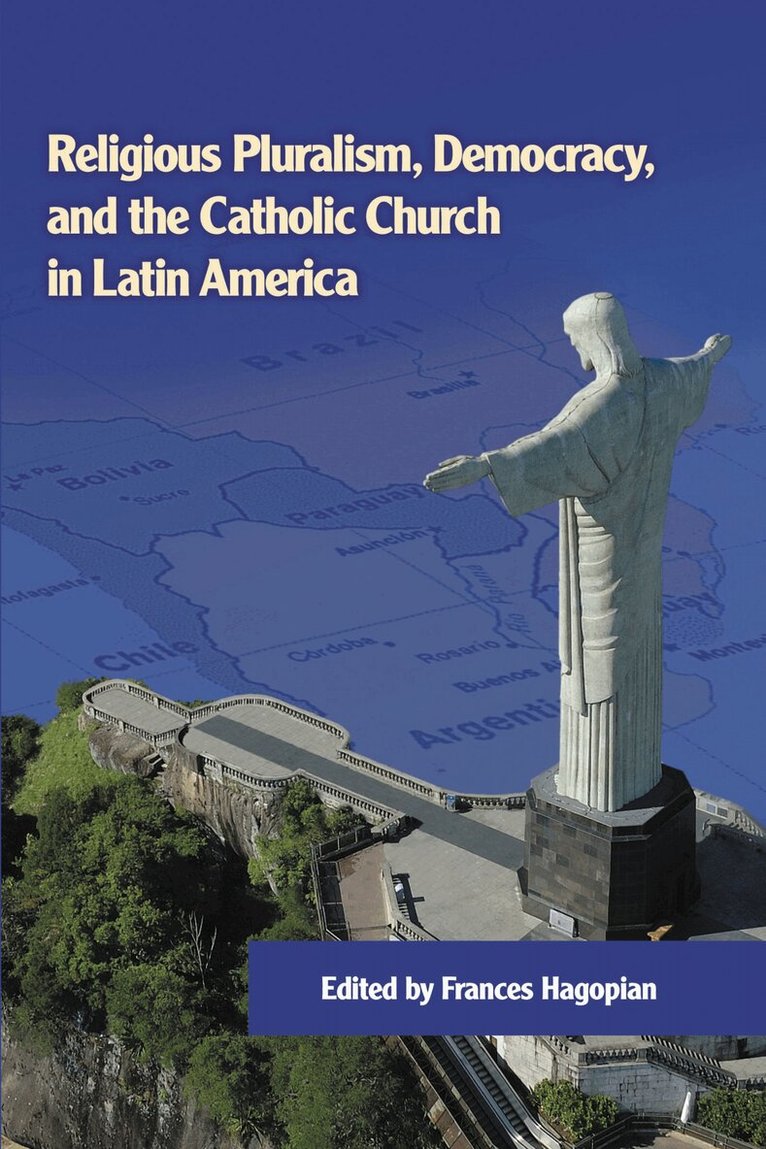
The Roman Catholic Church in Latin America faces significant and unprecedented challenges. Most prominent among them are secularization, globalizing cultural trends, intensifying religious competition, and pluralism of many kinds within what were once hegemonic Catholic societies. The substantial and original essays in this volume assess the ways in which the Catholic Church in Latin America is dealing with these political, religious, and social changes. Most importantly, they explore how democracy has changed the Catholic Church and, in turn, how religious changes have influenced democratic politics in Latin America.Drawing on the experiences of several countries to illustrate broad themes and explain divergent religious responses to common challenges, the contributors advance the notion that the Catholic Church's effectiveness in the public sphere and even its long-term viability as a religious institution depend on the nature and extent of the relationship between the hierarchy and the faithful. The essays address the context of pluralist challenges, the ideational, institutional, and policy responses of the Catholic hierarchy, and the nature of both religious beliefs and democratic values at the individual level in Latin America today.Contributors: Frances Hagopian, Ronald Inglehart, Soledad Loaeza, Cristián Parker Gumucio, Patricia M. Rodríguez, Roberto J. Blancarte, Mala Htun, Catalina Romero, and Daniel H. Levine.
1 581 kr
Skickas inom 10-15 vardagar
The Roman Catholic Church in Latin America faces significant and unprecedented challenges. Most prominent among them are secularization, globalizing cultural trends, intensifying religious competition, and pluralism of many kinds within what were once hegemonic Catholic societies. The substantial and original essays in this volume assess the ways in which the Catholic Church in Latin America is dealing with these political, religious, and social changes. Most importantly, they explore how democracy has changed the Catholic Church and, in turn, how religious changes have influenced democratic politics in Latin America.Drawing on the experiences of several countries to illustrate broad themes and explain divergent religious responses to common challenges, the contributors advance the notion that the Catholic Church's effectiveness in the public sphere and even its long-term viability as a religious institution depend on the nature and extent of the relationship between the hierarchy and the faithful. The essays address the context of pluralist challenges, the ideational, institutional, and policy responses of the Catholic hierarchy, and the nature of both religious beliefs and democratic values at the individual level in Latin America today.Contributors: Frances Hagopian, Ronald Inglehart, Soledad Loaeza, Cristián Parker Gumucio, Patricia M. Rodríguez, Roberto J. Blancarte, Mala Htun, Catalina Romero, and Daniel H. Levine.
428 kr
Skickas inom 7-10 vardagar
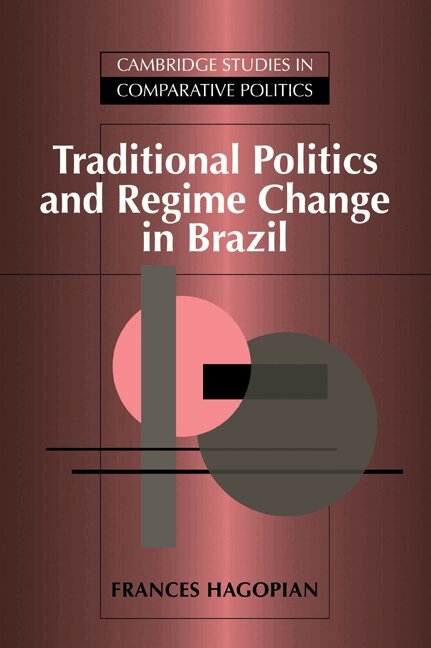
This 1996 book is about politics in Brazil during the military regime of 1964-85 and the transition to democracy. Unlike most books about contemporary Brazilian politics that focus on promising signs of change, this book seeks to explain remarkable political continuity in the Brazilian political system. It attributes the persistence of traditional politics and the dominance of regionally based, traditional political elites in particular to the manner in which the economic and political strategies of the military, together with the transition to democracy, reinforced the clientelistic, personalistic, and regional basis of state-society relations. The book focuses on the political competition and representation in the state of Minas Gerais.
1 508 kr
Skickas inom 7-10 vardagar
This 1996 book is about politics in Brazil during the military regime of 1964-85 and the transition to democracy. Unlike most books about contemporary Brazilian politics that focus on promising signs of change, this book seeks to explain remarkable political continuity in the Brazilian political system. It attributes the persistence of traditional politics and the dominance of regionally based, traditional political elites in particular to the manner in which the economic and political strategies of the military, together with the transition to democracy, reinforced the clientelistic, personalistic, and regional basis of state-society relations. The book focuses on the political competition and representation in the state of Minas Gerais.
410 kr
Skickas inom 7-10 vardagar
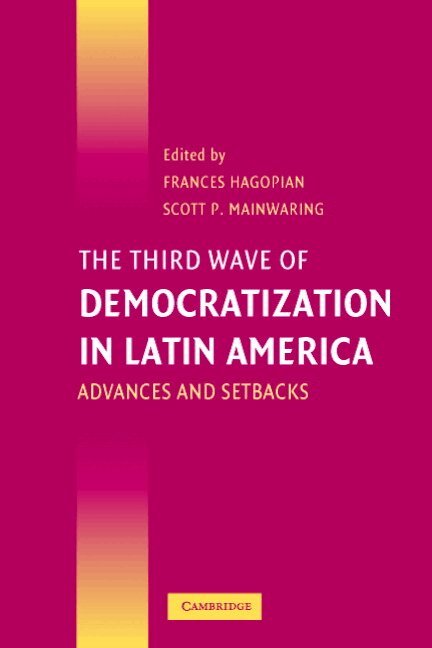
The late twentieth century witnessed the birth of an impressive number of new democracies in Latin America. This wave of democratization since 1978 has been by far the broadest and most durable in the history of Latin America, but many of the resulting democratic regimes also suffer from profound deficiencies. What caused democratic regimes to emerge and survive? What are their main achievements and shortcomings? This volume offers an ambitious and comprehensive overview of the unprecedented advances as well as the setbacks in the post-1978 wave of democratization. It seeks to explain the sea change from a region dominated by authoritarian regimes to one in which openly authoritarian regimes are the rare exception, and it analyzes why some countries have achieved striking gains in democratization while others have experienced erosions. The book presents general theoretical arguments about what causes and sustains democracy and analyses of nine compelling country cases.
1 160 kr
Skickas inom 7-10 vardagar
The late twentieth century witnessed the birth of an impressive number of new democracies in Latin America. This wave of democratization since 1978 has been by far the broadest and most durable in the history of Latin America, but many of the resulting democratic regimes also suffer from profound deficiencies. What caused democratic regimes to emerge and survive? What are their main achievements and shortcomings? This volume offers an ambitious and comprehensive overview of the unprecedented advances as well as the setbacks in the post-1978 wave of democratization. It seeks to explain the sea change from a region dominated by authoritarian regimes to one in which openly authoritarian regimes are the rare exception, and it analyzes why some countries have achieved striking gains in democratization while others have experienced erosions. The book presents general theoretical arguments about what causes and sustains democracy and analyses of nine compelling country cases.