Franco Berardi – författare
Visar alla böcker från författaren Franco Berardi. Handla med fri frakt och snabb leverans.
23 produkter
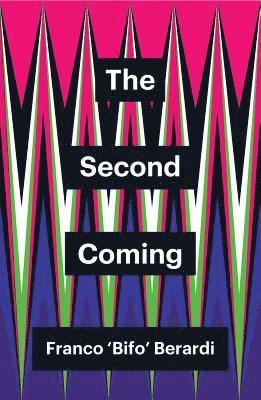
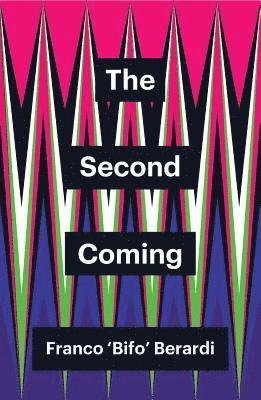
Second Coming
Häftad, 2019
217 kr
Lägg i varukorg
We have entered the gateway to the apocalypse. This theological concept is the best metaphor to describe the world in which we are already living. Chaos is all around us: political folly, economical delirium, ecological catastrophe, intellectual cynicism, technological simulation of life. This is …
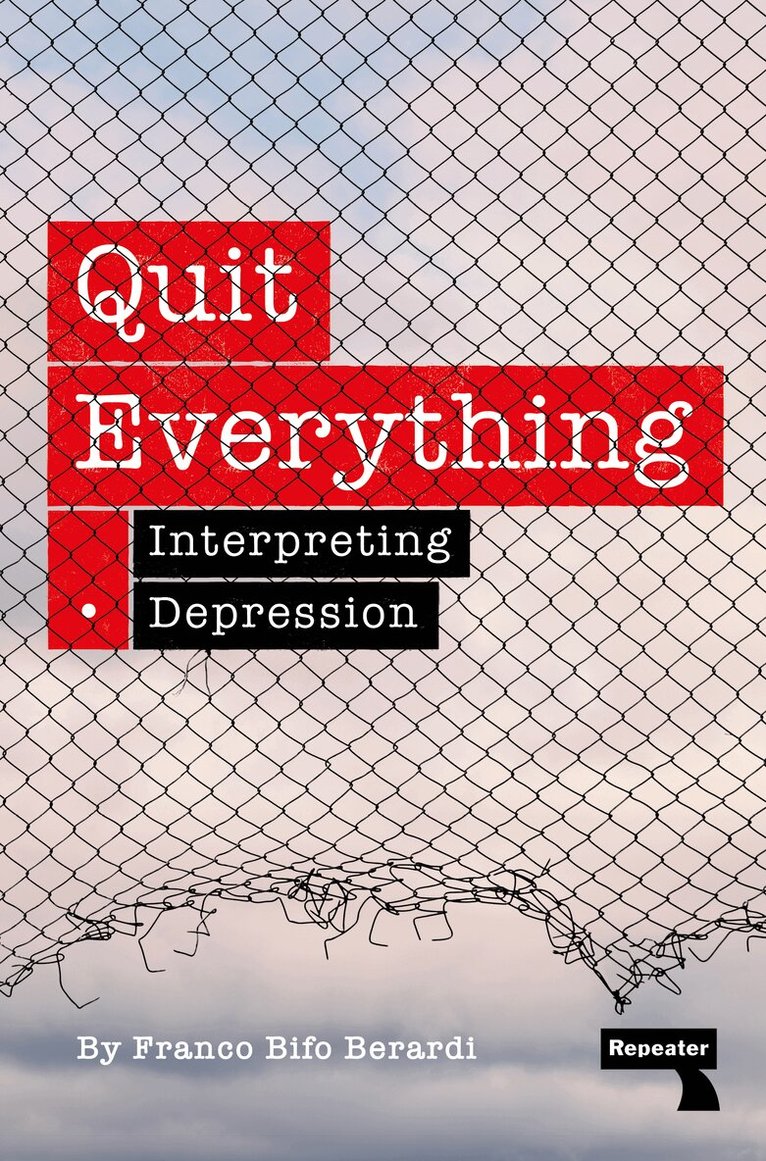
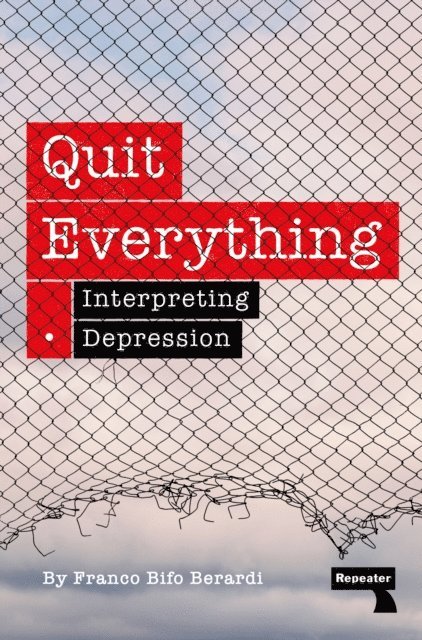
Quit Everything
Interpreting Depression
Häftad, 2024
142 kr
Lägg i varukorg
Depression is rife amongst young people the world over. But what if this isn't depression as we know it, but instead a reaction to the chaos and collapse of a seemingly unchangeable and unliveable future?In Quit Everything, Franco Berardi argues that this "depression" is actually conscious or …
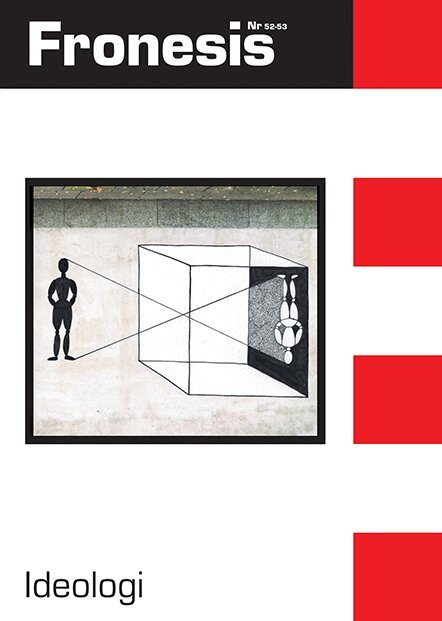
Fronesis 52-53. Ideologi
Av Rahel Jaeggi, Renata Salecl m. fl.
2015
148 kr
Lägg i varukorg
Att producera sanningar i maktens tjänst Produktionen av sådana sanningar i maktens tjänst diskuteras utifrån fyra teman: idén om »civilisationernas kamp«, konsumtionsideologin, samtidens tidsuppfattning och antiziganismens återkomst. Bland de internationella medverkande märks den politiska …
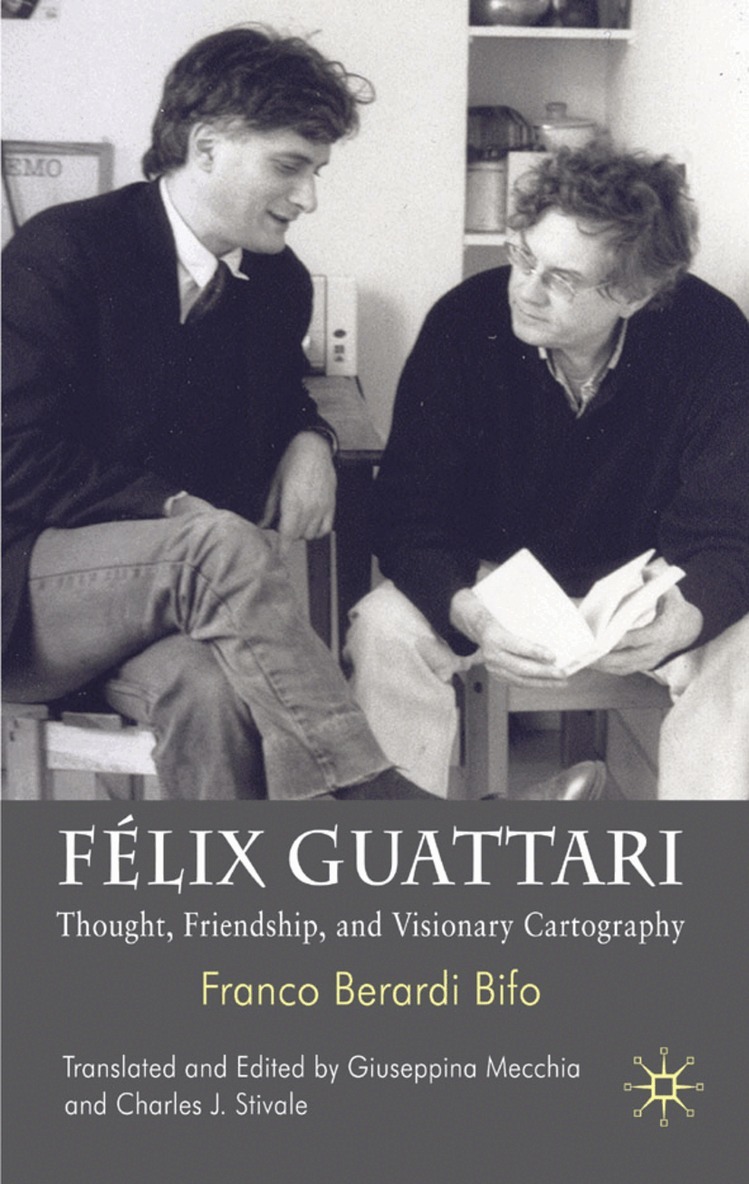
Félix Guattari
Thought, Friendship, and Visionary Cartography
Av Franco Berardi Bifo, Kenneth A. Loparo m. fl.
Inbunden, 2008
585 kr
Lägg i varukorg
Félix Guattari: Thought, Friendship, and Visionary Cartography, by Franco Berardi 'Bifo', originates in the author's close personal acquaintance with Félix Guattari's writings and political engagement in the context of Berardi Bifo's activism in Italian autonomist politics and his ongoing …
Second Coming
Inbunden, 2019
536 kr
Lägg i varukorg
We have entered the gateway to the apocalypse. This theological concept is the best metaphor to describe the world in which we are already living. Chaos is all around us: political folly, economical delirium, ecological catastrophe, intellectual cynicism, technological simulation of life. This is …
Second Coming
E-bok, 2019
239 kr
Lägg i varukorg
We have entered the gateway to the apocalypse. This theological concept is the best metaphor to describe the world in which we are already living. Chaos is all around us: political folly, economical delirium, ecological catastrophe, intellectual cynicism, technological simulation of life. This is …
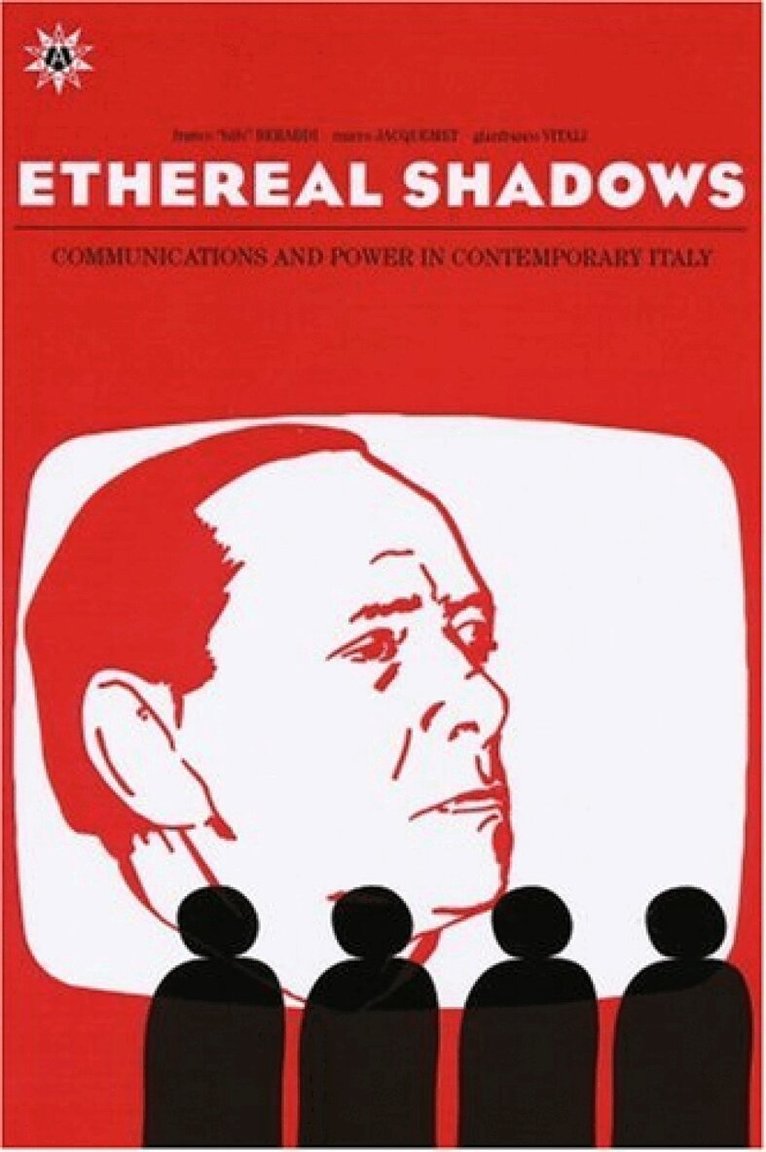
Ethereal Shadows
Communications and Power in Contemporary Italy
Av Franco Berardi, Marco Jacquemet m. fl.
Häftad, 2010
201 kr
Lägg i varukorg
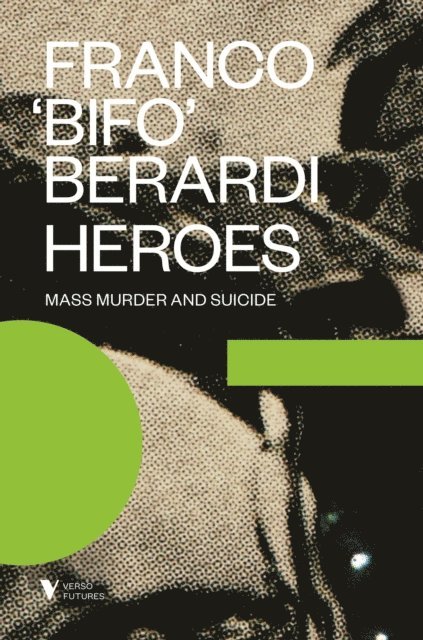
Heroes
Mass Murder and Suicide
E-bok, 2015
130 kr
Lägg i varukorg
What is the relationship between capitalism and mental health? Through an exhilarating mix of philosophical and psychoanalytical theory and reportage - from the suicide epidemic in Korea to the wave of American mass murders - the prominent Italian thinker Franco Berardi Bifo traces the social roots …
Futurability
The Age of Impotence and the Horizon of Possibility
Häftad, 2019
146 kr
Lägg i varukorg
We live in an age of impotence. Stuck between global war and global finance, between identity and capital, we seem to be incapable of producing that radical change that is so desperately needed. Is there still a way to disentangle ourselves from a global order that shapes our politics as well as …
Futurability
The Age of Impotence and the Horizon of Possibility
E-bok, 2017
130 kr
Lägg i varukorg
We live in an age of impotence. Stuck between global war and global finance, between identity and capital, we seem to be incapable of producing that radical change that is so desperately needed. Is there still a way to disentangle ourselves from a global order that shapes our politics as well as …
Heroes
Mass Murder and Suicide - Includes a new Introduction "American Brainrot"
Häftad, 2027
268 kr
Kommande
What is the relationship between capitalism and mental health? In his most unsettling book to date, Franco “Bifo” Berardi embarks on an exhilarating journey through philosophy, psychoanalysis and current events, searching for the social roots of the mental malaise of our age.Spanning an array of …
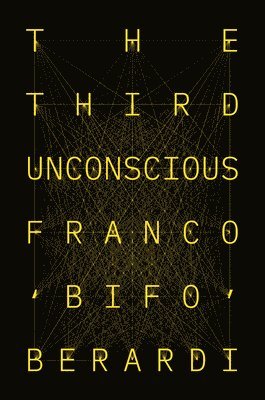
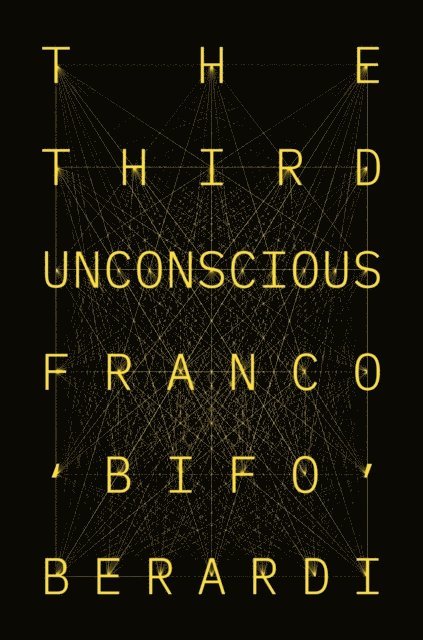
Third Unconscious
The Psychosphere in the Viral Age
Inbunden, 2021
184 kr
Lägg i varukorg
The Unconscious knows no time, it has no before-and-after, it does not have a history of its own. Yet, it does not always remain the same. Different political and economic conditions transform the way in which the Unconscious emerges within the "psychosphere" of society. In the early 20th century, …
Third Unconscious
The Psychosphere in the Viral Age
E-bok, 2021
133 kr
Lägg i varukorg
The Unconscious knows no time, it has no before-and-after, it does not have a history of its own. Yet, it does not always remain the same. Different political and economic conditions transform the way in which the Unconscious emerges within the "psychosphere" of society. In the early 20th century, …
Franco Berardi Bifo
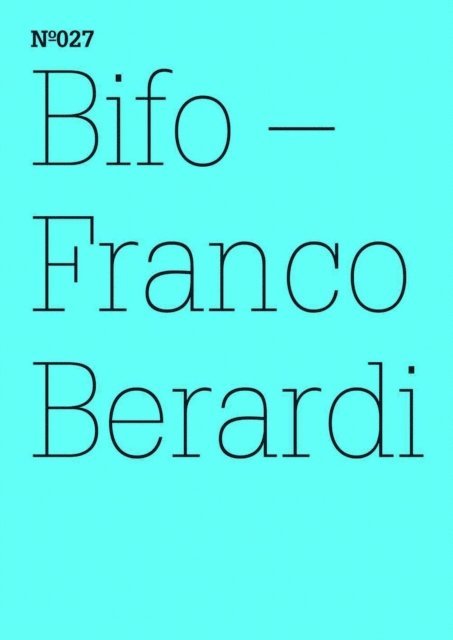
Ironische Ethik(dOCUMENTA (13): 100 Notes - 100 Thoughts, 100 Notizen - 100 Gedanken # 027)
E-bok, 2011
27 kr
Lägg i varukorg
Bifos Essay ist eine kritische Auseinandersetzung mit den gegenwärtigen politischen Zuständen, die in seinem Heimatland Italien herrschen, das seit nunmehr drei Jahrzehnten unter dem medialen und politischen Einfluss des Premierministers und Medienmagnaten Silvio Berlusconi steht. Der Autor …
Bifo - Franco Berardi
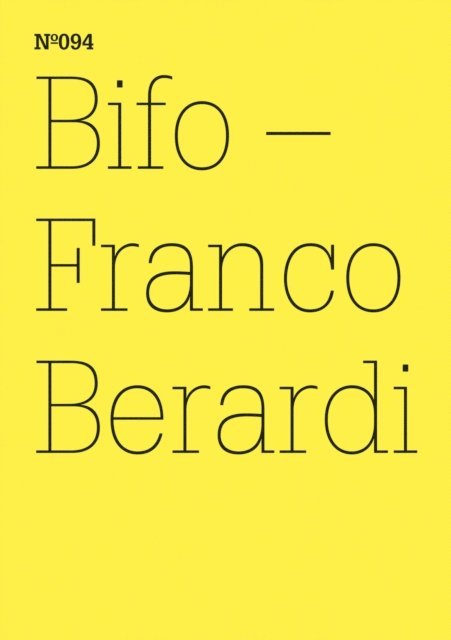
transversal(dOCUMENTA (13): 100 Notes - 100 Thoughts, 100 Notizen - 100 Gedanken # 094)
E-bok, 2012
46 kr
Lägg i varukorg
In diesem Notizbuch reflektiert der Medientheoretiker und Medienaktivist Bifo – Franco Berardi die Vorhaben der dOCUMENTA (13) auf Basis seiner persönlichen Überzeugung, dass sich die derzeitige Krise der Wirtschaft und Weltgesellschaft als tödliche Falle für die menschliche Entwicklung erweisen …
Franco Berardi Bifo
Ironische Ethik(dOCUMENTA (13): 100 Notes - 100 Thoughts, 100 Notizen - 100 Gedanken # 027)
E-bok, 2023
27 kr
Lägg i varukorg
Bifos Essay ist eine kritische Auseinandersetzung mit den gegenwärtigen politischen Zuständen, die in seinem Heimatland Italien herrschen, das seit nunmehr drei Jahrzehnten unter dem medialen und politischen Einfluss des Premierministers und Medienmagnaten Silvio Berlusconi steht. Der Autor …
Bifo - Franco Berardi
transversal(dOCUMENTA (13): 100 Notes - 100 Thoughts, 100 Notizen - 100 Gedanken # 094)
E-bok, 2023
45 kr
Lägg i varukorg
In diesem Notizbuch reflektiert der Medientheoretiker und Medienaktivist Bifo – Franco Berardi die Vorhaben der dOCUMENTA (13) auf Basis seiner persönlichen Überzeugung, dass sich die derzeitige Krise der Wirtschaft und Weltgesellschaft als tödliche Falle für die menschliche Entwicklung erweisen …
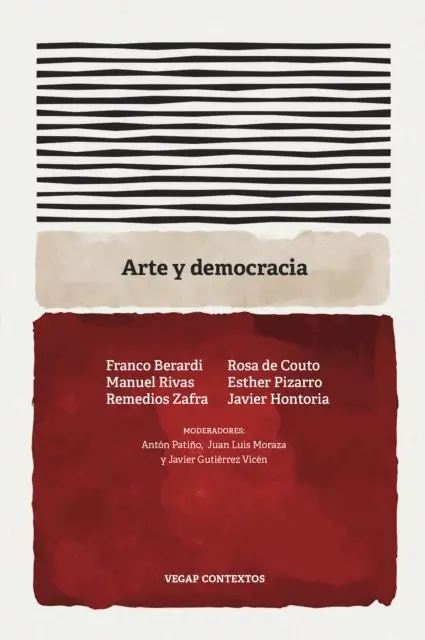
Arte y democracia
Av Javier Hontoria, Remedios Zafra m. fl.
E-bok, 2023
106 kr
Lägg i varukorg
ARTE Y DEMOCRACIA nace como resultado de la decisión de los artistas, que en enero de 2022 formaban parte del Consejo de Administración de VEGAP, de convocar un encuentro público para tratar el papel que hoy en día juega el hecho artístico en las sociedades abiertas. La base de este encuentro era …
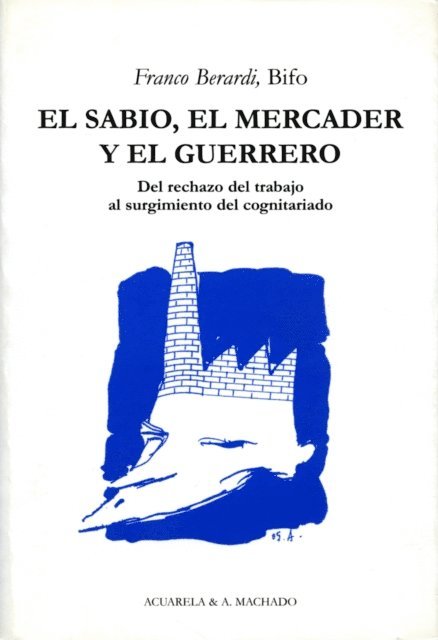
El sabio, el mercader y el guerrero
Del rechazo del trabajo al surgimiento del cognitariado
E-bok, 2019
79 kr
Lägg i varukorg
La historia del siglo xx es la historia del conflicto y las alianzas entre tres figuras: el sabio, portador de la inteligencia acumulada en infinitos gestos de producción, creación y reflexión; el mercader, que convierte los productos de la inteligencia humana en mercancía, y el guerrero, expresión …
Heroes
Mass Murder and Suicide
Häftad, 2015
142 kr
Tillfälligt slut
What is the relationship between capitalism and mental health? Through an exhilarating mix of philosophical and psychoanalytical theory and reportage - from the suicide epidemic in Korea to the wave of American mass murders - the prominent Italian thinker Franco Berardi Bifo traces the social roots …