Frank M. Corrigan – författare
Visar alla böcker från författaren Frank M. Corrigan. Handla med fri frakt och snabb leverans.
5 produkter
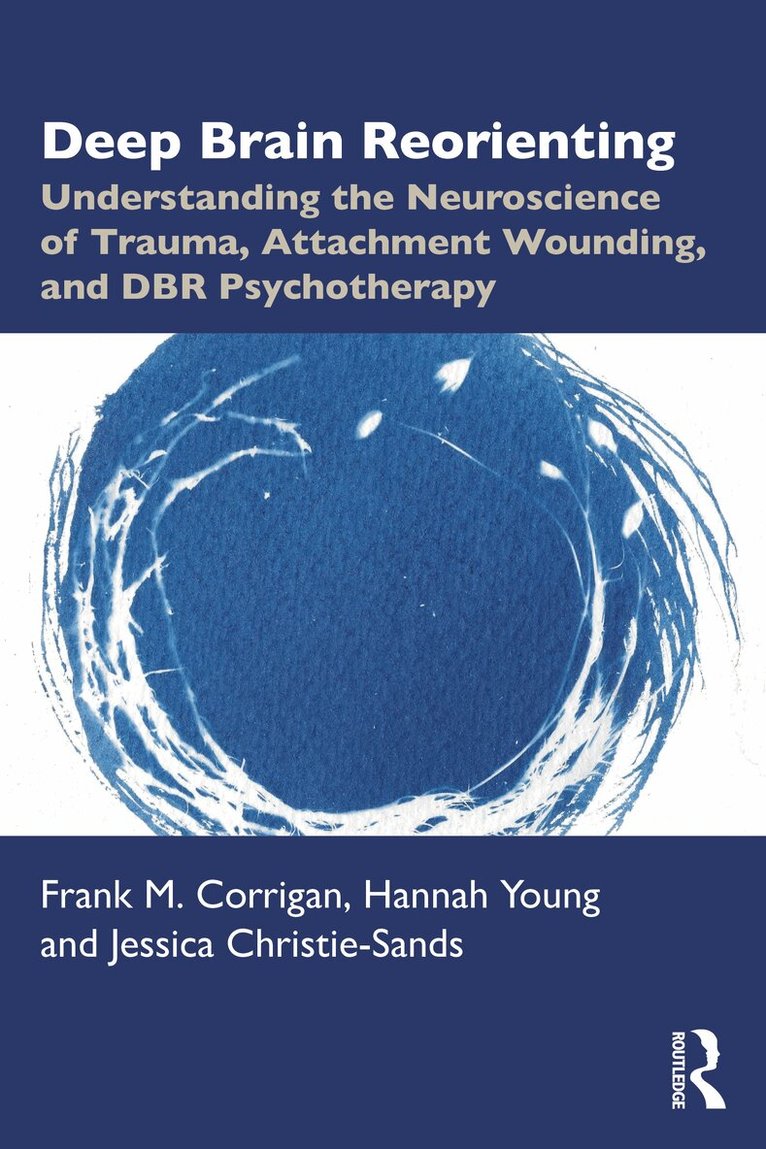
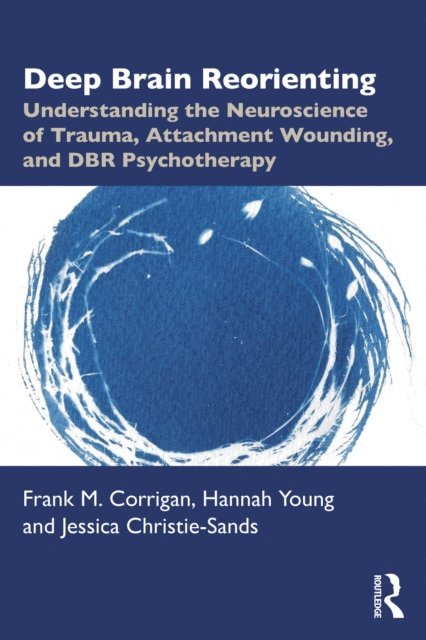
Deep Brain Reorienting
Understanding the Neuroscience of Trauma, Attachment Wounding, and DBR Psychotherapy
Av Frank M. Corrigan, Hannah Young m. fl.
Häftad, 2024
5,0 utav 5 stjärnor. Totalt antal röster: (1)
502 kr
Lägg i varukorg
Deep Brain Reorienting introduces a novel, evidence-based approach to the treatment of trauma-related disorders. Steeped in neuroscience, this book builds on recent scientific contributions to the effects of shock, trauma, and neglect on the brain at the deepest levels. Enhanced by detailed case …
Deep Brain Reorienting
Understanding the Neuroscience of Trauma, Attachment Wounding, and DBR Psychotherapy
Av Jessica Christie-Sands, Hannah Young m. fl.
E-bok, 2024
570 kr
Lägg i varukorg
Deep Brain Reorienting introduces a novel, evidence-based approach to the treatment of trauma-related disorders. Steeped in neuroscience, this book builds on recent scientific contributions to the effects of shock, trauma, and neglect on the brain at the deepest levels. Enhanced by detailed case …
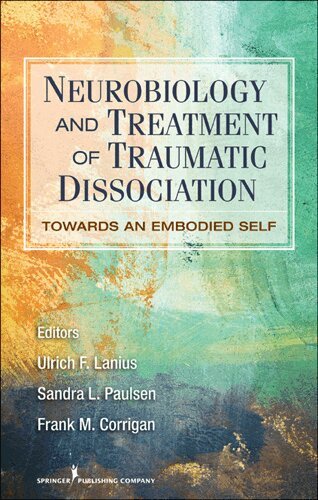
Neurobiology and Treatment of Traumatic Dissociation
Towards an Embodied Self
Av Ulrich F. Lanius, Sandra L. Paulsen m. fl.
Häftad, 2014
1156 kr
Lägg i varukorg
Encompassing the contributions of expert clinicians and researchers in the area of traumatic stress and dissociation, this volume is the first to integrate current neuroscience research regarding traumatic dissociation with several cutting-edge approaches to treatment, providing a comprehensive, …
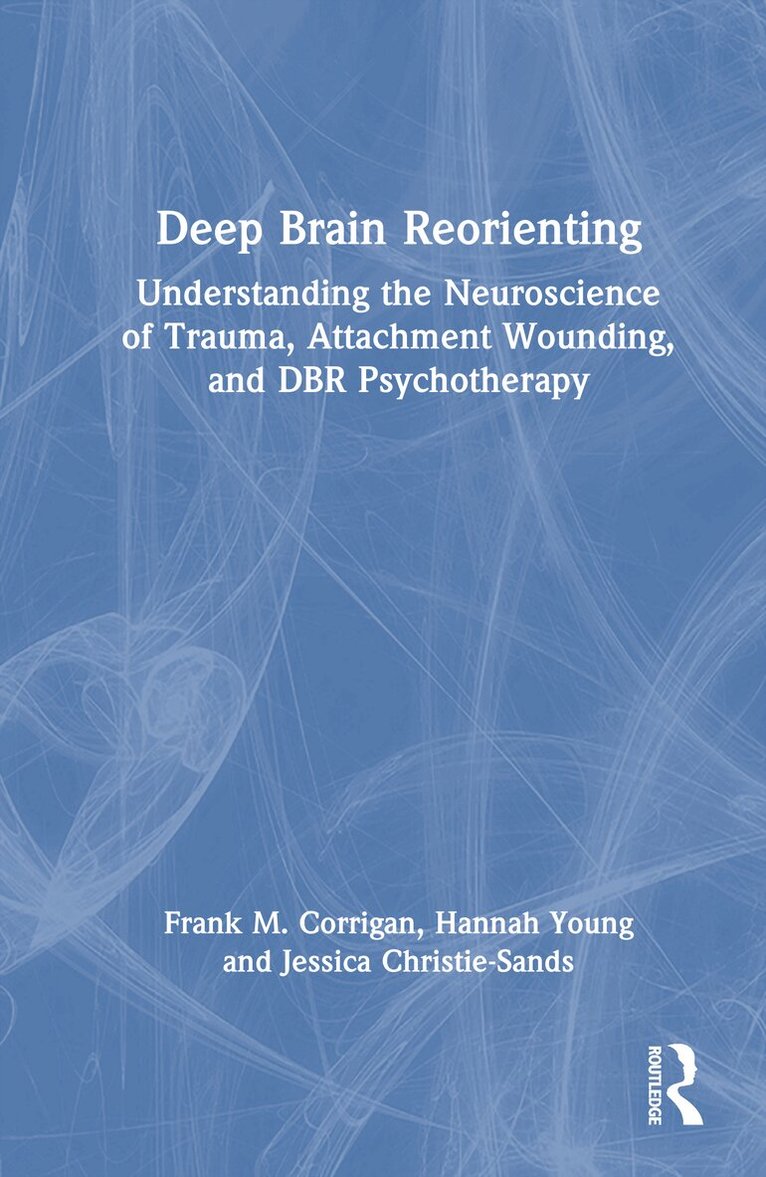
Deep Brain Reorienting
Understanding the Neuroscience of Trauma, Attachment Wounding, and DBR Psychotherapy
Av Frank M. Corrigan, Hannah Young m. fl.
Inbunden, 2024
2195 kr
Lägg i varukorg
Deep Brain Reorienting introduces a novel, evidence-based approach to the treatment of trauma-related disorders. Steeped in neuroscience, this book builds on recent scientific contributions to the effects of shock, trauma, and neglect on the brain at the deepest levels. Enhanced by detailed case …
Deep Brain Reorienting
Understanding the Neuroscience of Trauma, Attachment Wounding, and DBR Psychotherapy
Av Jessica Christie-Sands, Hannah Young m. fl.
E-bok, 2024
576 kr
Lägg i varukorg
Deep Brain Reorienting introduces a novel, evidence-based approach to the treatment of trauma-related disorders. Steeped in neuroscience, this book builds on recent scientific contributions to the effects of shock, trauma, and neglect on the brain at the deepest levels. Enhanced by detailed case …