Frank Rövekamp – författare
Visar alla böcker från författaren Frank Rövekamp. Handla med fri frakt och snabb leverans.
11 produkter
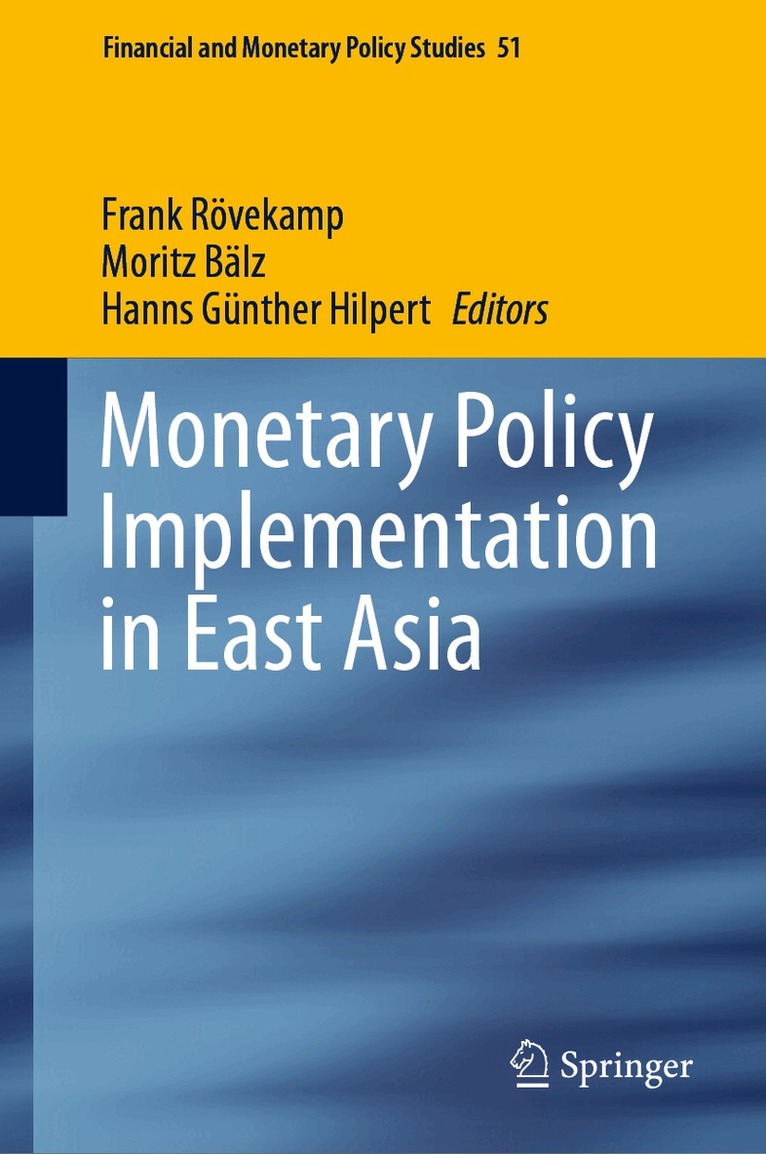
Monetary Policy Implementation in East Asia
Av Frank Rövekamp, Moritz Bälz m. fl.
Inbunden, 2020
1129 kr
Lägg i varukorg
This book shares essential insights into the implementation of monetary policy in various East Asian countries. Highlighting case studies from China, Taiwan, Korea, Japan and Singapore, leading economists and practitioners from central banks illustrate how dependent effective monetary policy is on …
Monetary Policy Implementation in East Asia
Av Frank Rövekamp, Moritz Bälz m. fl.
Häftad, 2021
1129 kr
Lägg i varukorg
This book shares essential insights into the implementation of monetary policy in various East Asian countries. Highlighting case studies from China, Taiwan, Korea, Japan and Singapore, leading economists and practitioners from central banks illustrate how dependent effective monetary policy is on …
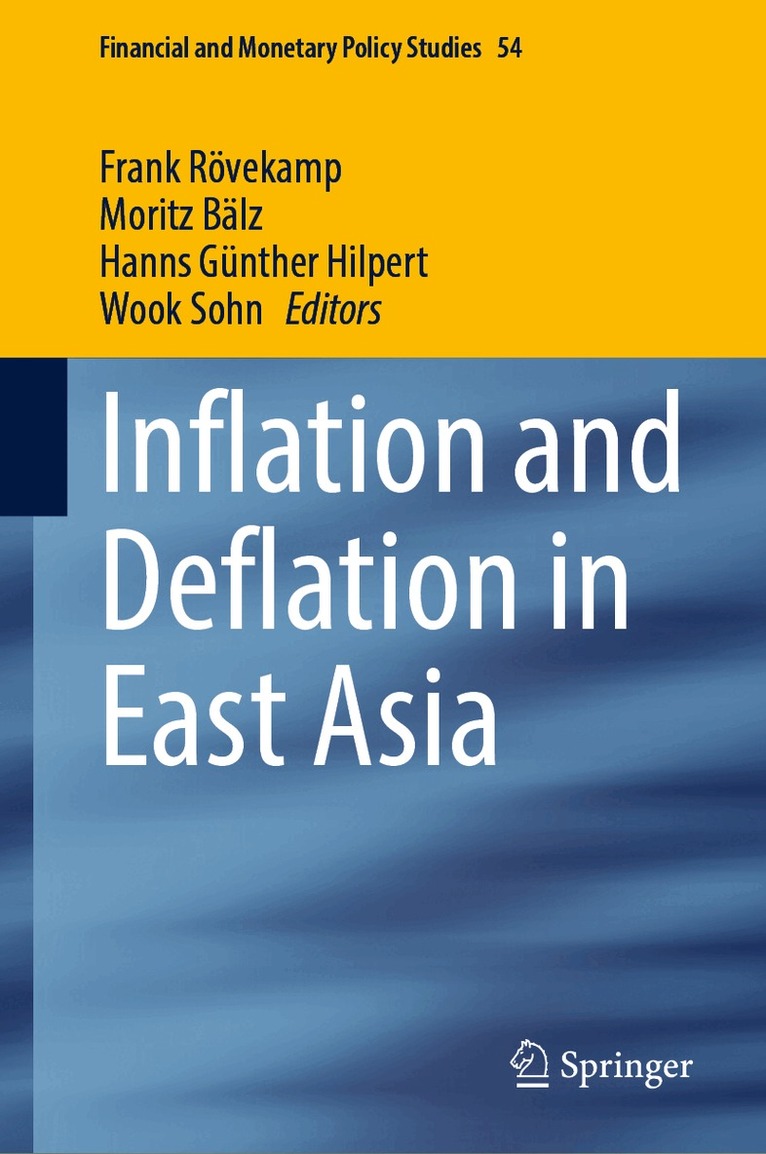
Inflation and Deflation in East Asia
Av Frank Rövekamp, Moritz Bälz m. fl.
Inbunden, 2023
1802 kr
Lägg i varukorg
In light of the deflationary trends following the 2008/2009 financial crisis, as well as the return of inflation triggered by the COVID-19 pandemic and the war in Ukraine, this book offers insights into price stability issues in various East Asian countries. Leading scholars from the fields of …
Inflation and Deflation in East Asia
Av Frank Rövekamp, Moritz Bälz m. fl.
Häftad, 2024
1802 kr
Lägg i varukorg
In light of the deflationary trends following the 2008/2009 financial crisis, as well as the return of inflation triggered by the COVID-19 pandemic and the war in Ukraine, this book offers insights into price stability issues in various East Asian countries. Leading scholars from the fields of …
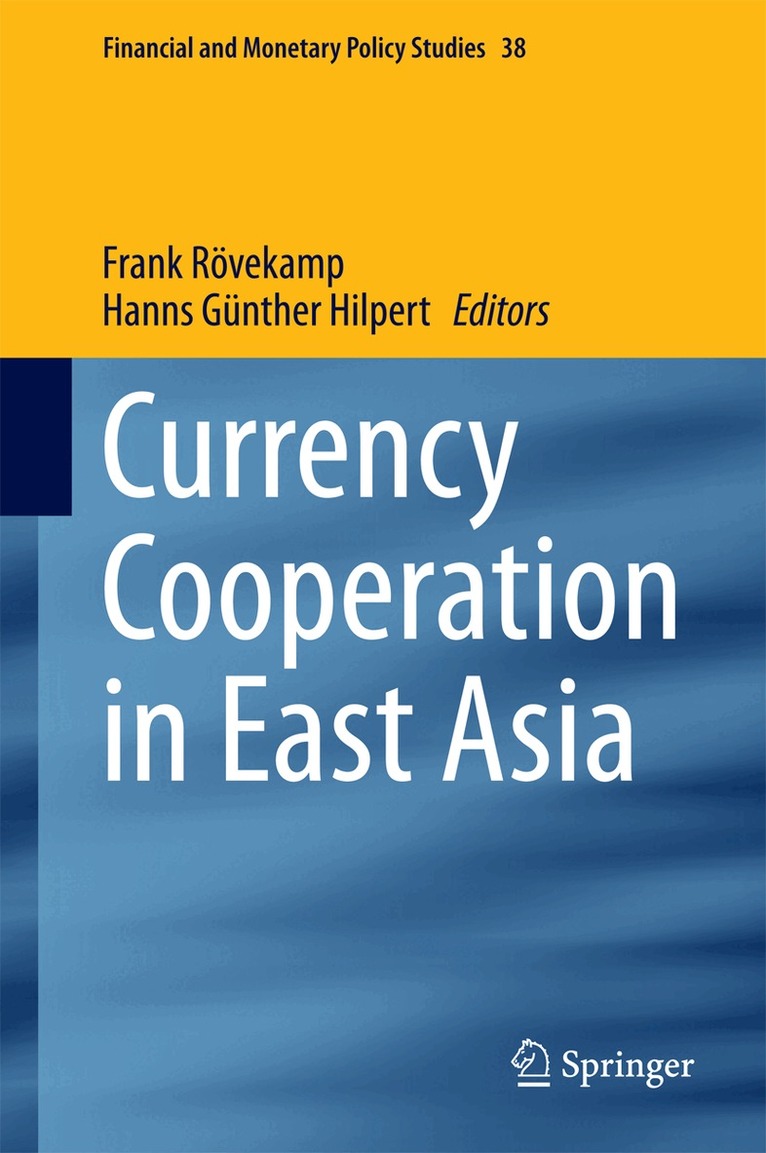
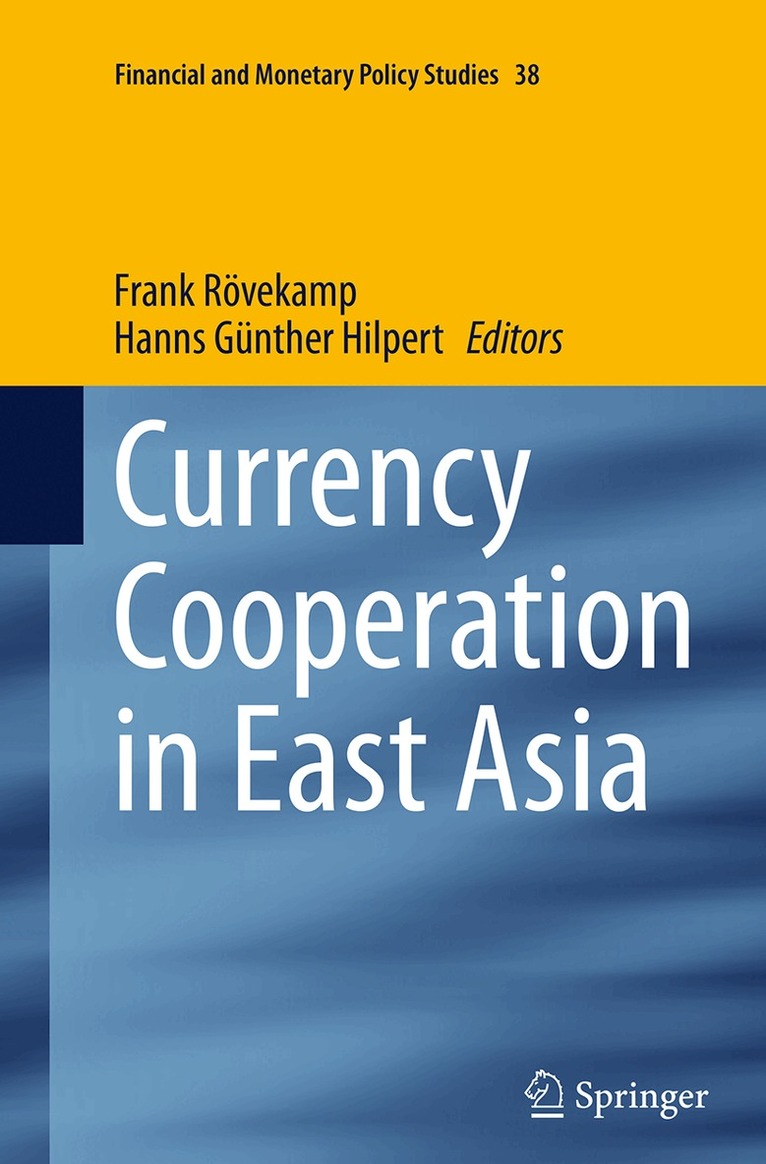
Currency Cooperation in East Asia
Av Frank Rövekamp, Hanns Günther Hilpert
Inbunden, 2014
1129 kr
Lägg i varukorg
This book explores the opportunities and limits of currency cooperation in East Asia. Currency issues play an important role in the region. The Asian crisis of the late 90s was rooted in deficient currency arrangements. The Chinese RMB is not freely convertible yet, but policymakers in China …
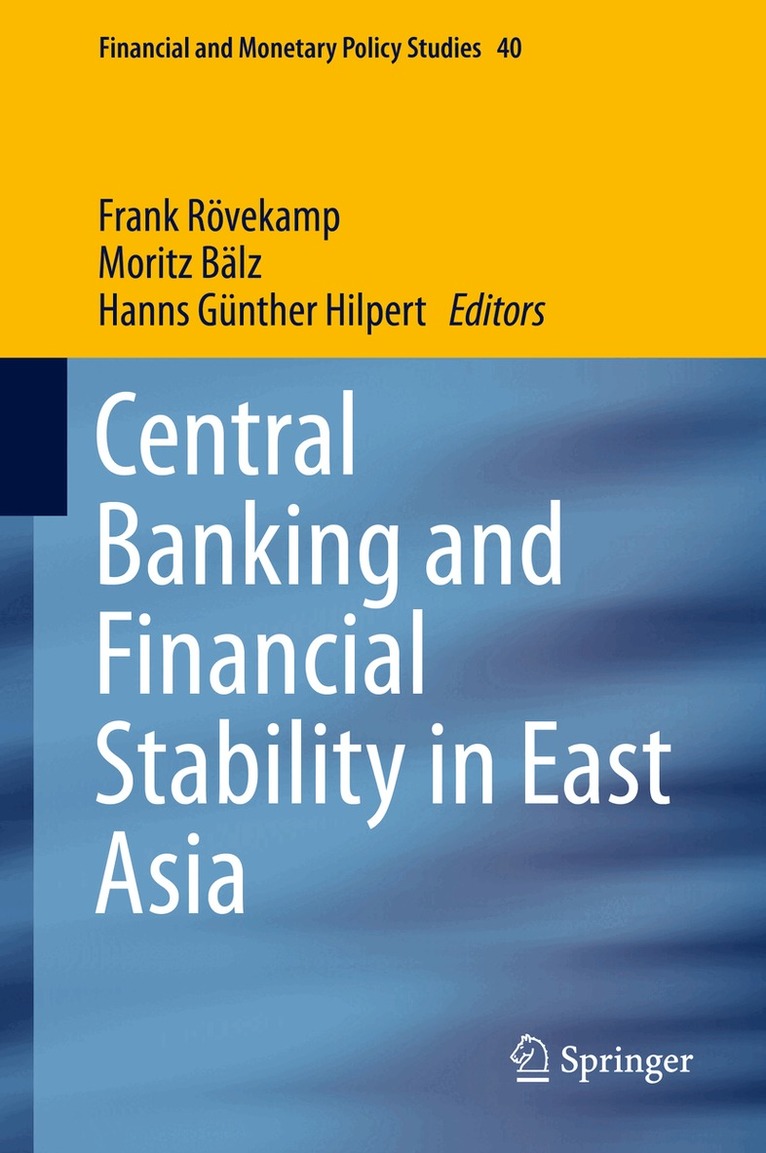
Central Banking and Financial Stability in East Asia
Av Frank Rövekamp, Moritz Bälz m. fl.
Inbunden, 2015
1129 kr
Lägg i varukorg
This book explores financial stability issues in the context of East Asia. In the East Asian region financial stability has been a major concern ever since the Asian crisis of 1997/98, which still looms large in the collective memory of the affected countries. The global crisis, which had its …
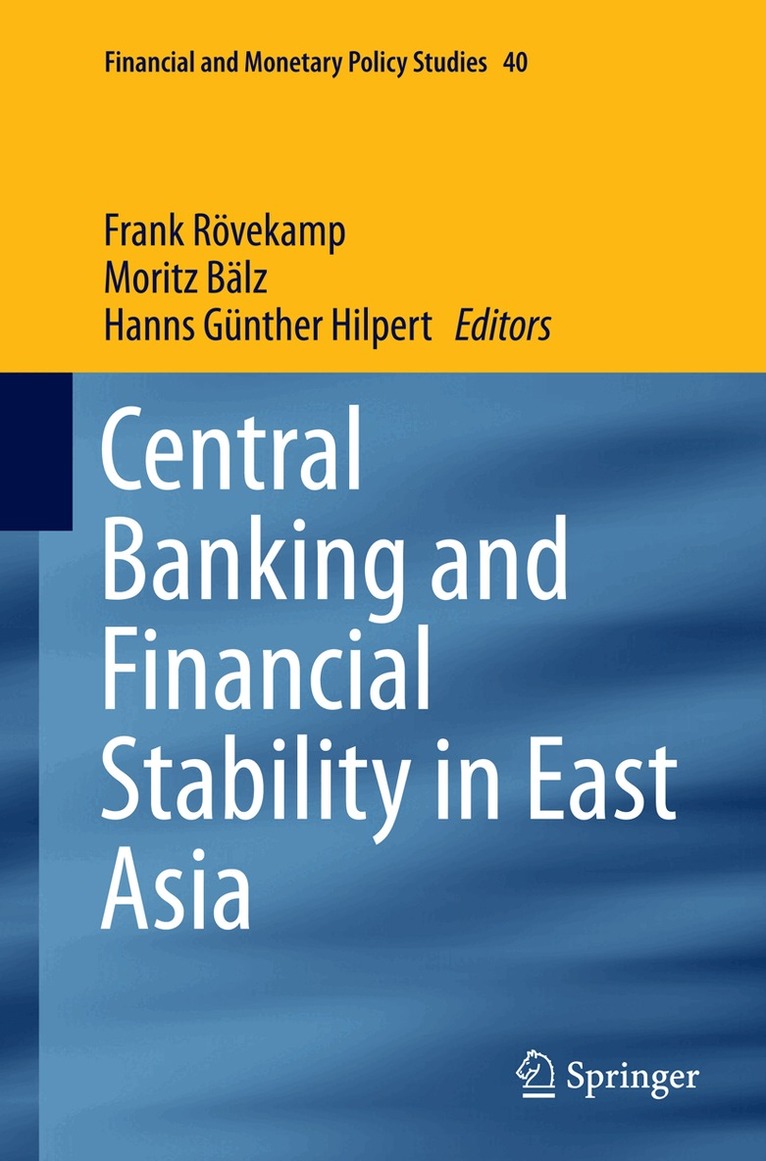
Central Banking and Financial Stability in East Asia
Av Frank Rövekamp, Moritz Bälz m. fl.
Häftad, 2016
1129 kr
Lägg i varukorg
This book explores financial stability issues in the context of East Asia. In the East Asian region financial stability has been a major concern ever since the Asian crisis of 1997/98, which still looms large in the collective memory of the affected countries. The global crisis, which had its …
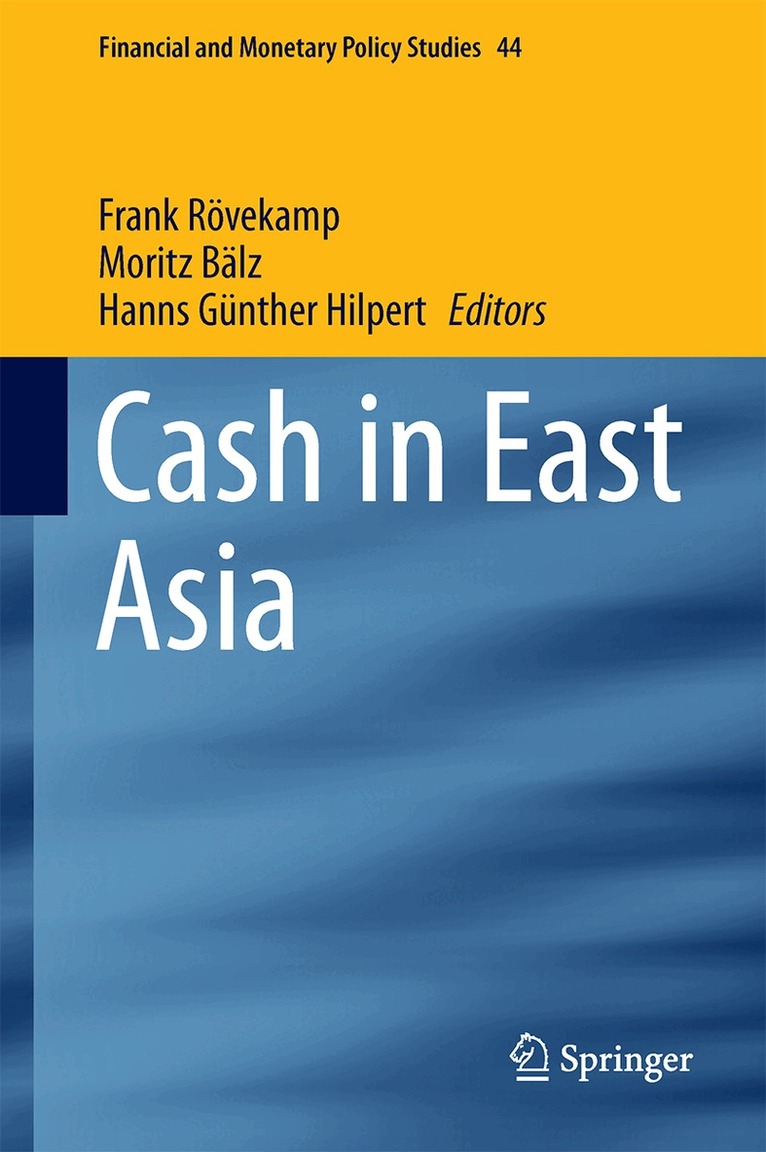
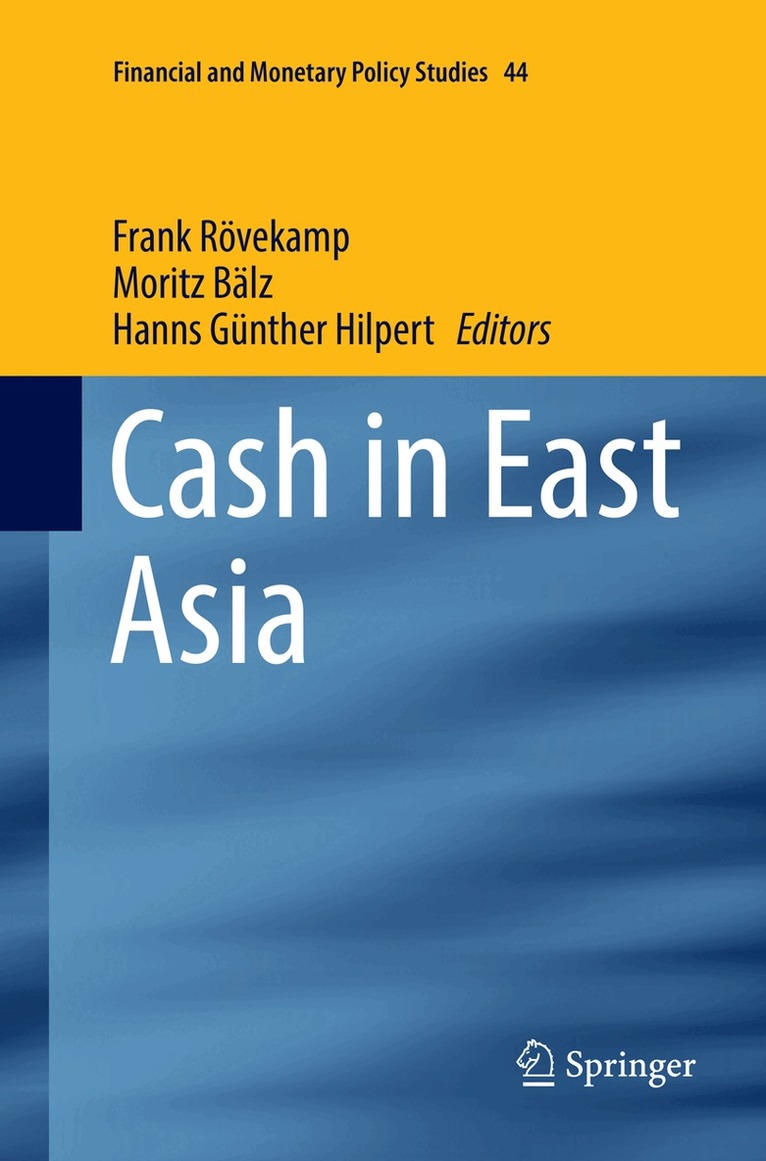
Cash in East Asia
Av Frank Rövekamp, Moritz Bälz m. fl.
Inbunden, 2017
1241 kr
Lägg i varukorg
This book presents contributions by leading academics and practitioners from central banks to shed light on the function and impact of cash in Asian countries. It explores the impact of cash on society, the role of cash in monetary policy, and the future of cash in various monetary systems, …
Cash in East Asia
Av Frank Rövekamp, Moritz Bälz m. fl.
Häftad, 2018
1241 kr
Lägg i varukorg
This book presents contributions by leading academics and practitioners from central banks to shed light on the function and impact of cash in Asian countries. It explores the impact of cash on society, the role of cash in monetary policy, and the future of cash in various monetary systems, …
Currency Cooperation in East Asia
Av Frank Rövekamp, Hanns Günther Hilpert
Häftad, 2016
1482 kr
Tillfälligt slut
This book explores the opportunities and limits of currency cooperation in East Asia. Currency issues play an important role in the region. The Asian crisis of the late 90s was rooted in deficient currency arrangements. The Chinese RMB is not freely convertible yet, but policymakers in China …