Frederick Jones – författare
Visar alla böcker från författaren Frederick Jones. Handla med fri frakt och snabb leverans.
17 produkter
17 produkter
Inbunden, Engelska, 1964
2 641 kr
Skickas inom 7-10 vardagar
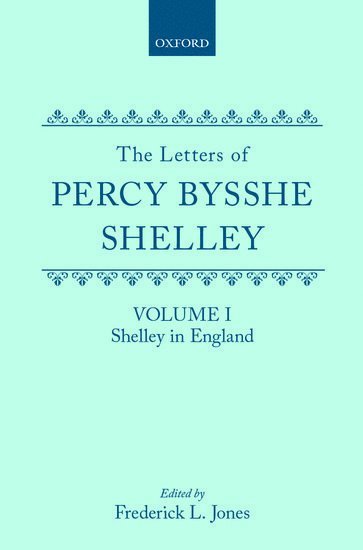
A scholarly edition of works by Percy Bysshe Shelley. The edition presents an authoritative text, together with an introduction, commentary notes, and scholarly apparatus.
Inbunden, Engelska, 1964
2 641 kr
Skickas inom 7-10 vardagar
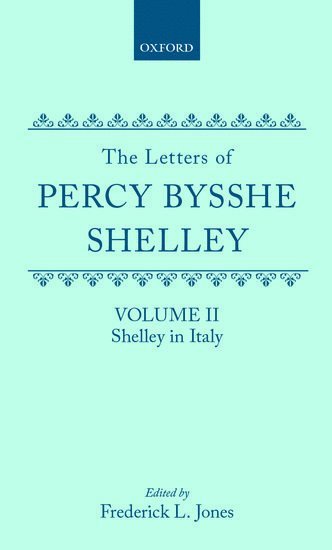
A scholarly edition of works by Percy Bysshe Shelley. The edition presents an authoritative text, together with an introduction, commentary notes, and scholarly apparatus.
Inbunden, Engelska, 2011
2 392 kr
Skickas inom 10-15 vardagar
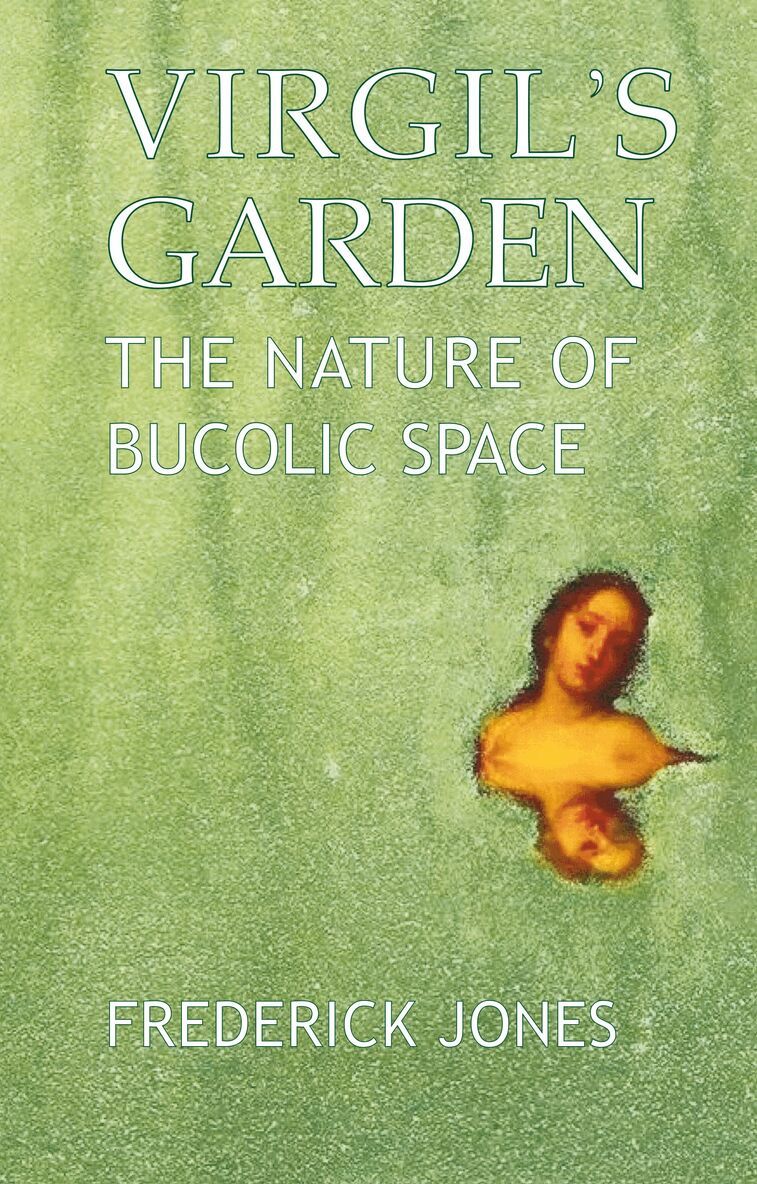
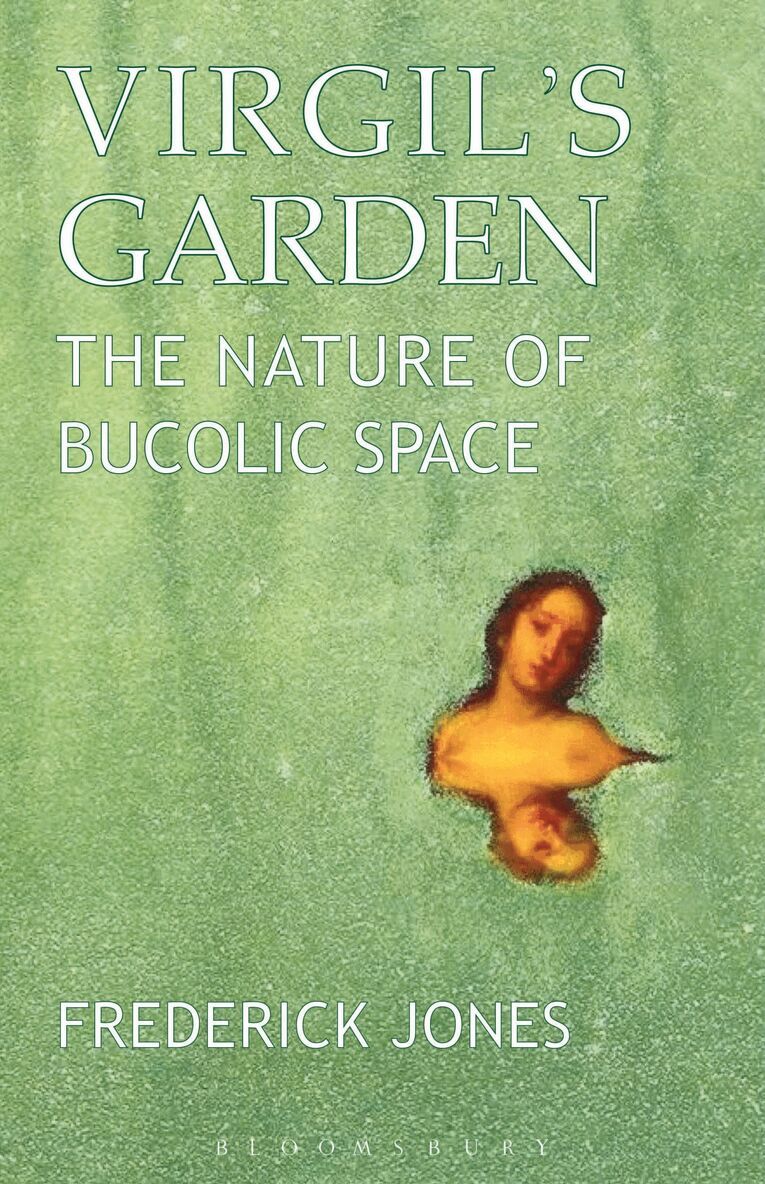
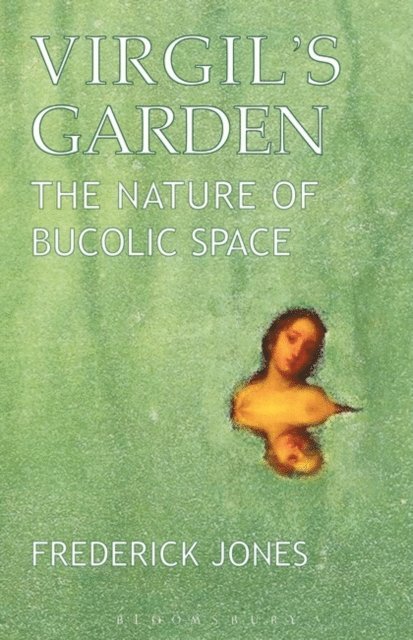
Virgil’s book of bucolic verse, the Eclogues, defines a green space separate from the outside worlds both of other Roman verse and of the real world of his audience. However, the boundaries between inside and outside are deliberately porous. The bucolic natives are aware of the presence of Rome, and Virgil himself is free to enter their world. Virgil's bucolic space is, in many ways, a poetic replication of the public and private gardens of his Roman audience - enclosed green spaces which afforded the citizen sheltered social and cultural activities, temporary respite from the turbulence of public life, and a tamed landscape in which to play out the tensions between the simple ideal and the complexities of reality. This book examines the Eclogues in terms of the relationship between its contents and its cultural context, making connections between the Eclogues and the representational modes of Roman art, Roman concepts of space and landscape, and Roman gardens.
Häftad, Engelska, 2011
455 kr
Skickas inom 5-8 vardagar
Häftad, Engelska, 2011
427 kr
Skickas inom 5-8 vardagar
Häftad, Engelska, 2018
518 kr
Skickas inom 10-15 vardagar
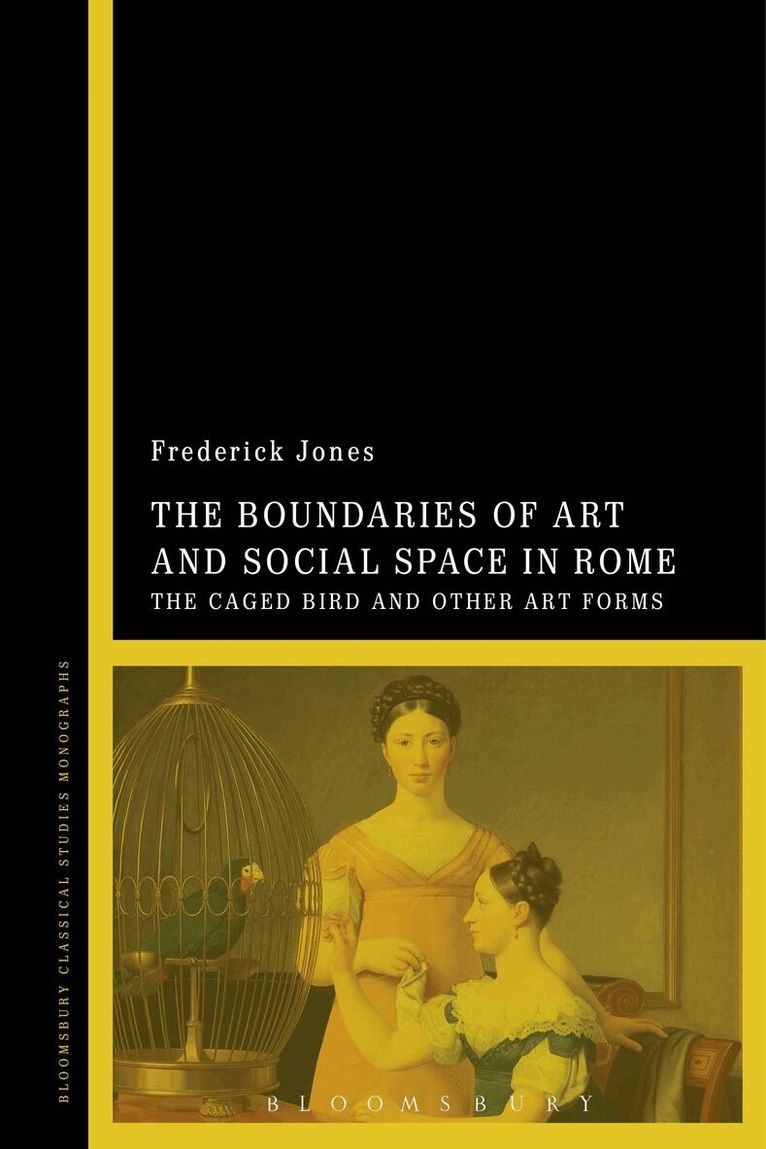
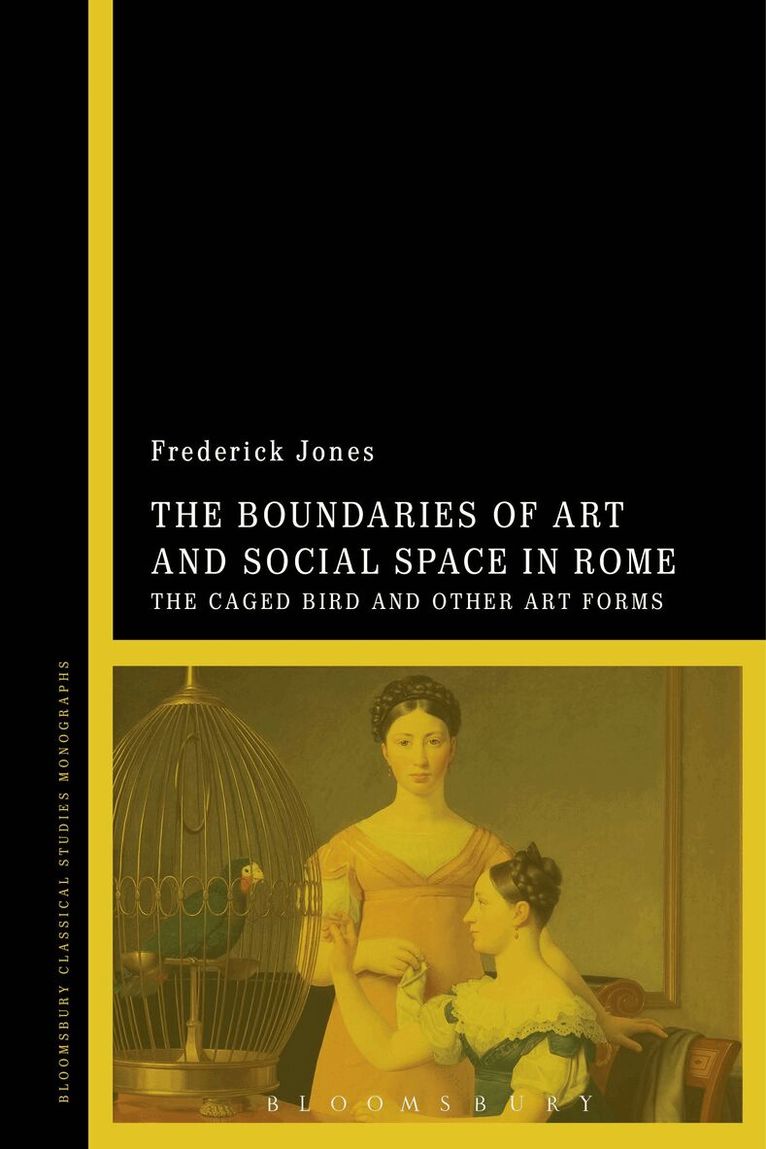
This volume focuses on four cultural phenomena in the Roman world of the late Republic - the garden, a garden painting, tapestry, and the domestic caged bird. They accept or reject a categorisation as art in varying degrees, but they show considerable overlaps in the ways in which they impinge on social space. The study looks, therefore, at the borderlines between things that variously might or might not seem to be art forms. It looks at boundaries in another sense too. Boundaries between different social modes and contexts are embodied and represented in the garden and paintings of gardens, reinforced by the domestic use of decorative textile work, and replicated in the bird cage. The boundaries thus thematised map on to broader boundaries in the Roman house, city, and wider world, becoming part of the framework of the citizen's cognitive development and individual and civic identities. Frederick Jones presents a novel analysis that uses the perspective of cognitive development in relation to how elements of domestic and urban visual culture and the broader world map on to each other. His study for the first time understands the domestic caged bird as a cultural object and uniquely brings together four disparate cases under the umbrella of ‘art’.
Häftad, Engelska, 2010
215 kr
Skickas inom 3-6 vardagar
Inbunden, Engelska, 2010
387 kr
Skickas inom 3-6 vardagar
Häftad, Engelska, 2013
547 kr
Skickas inom 10-15 vardagar
Virgil’s book of bucolic verse, the Eclogues, defines a green space separate from the outside worlds both of other Roman verse and of the real world of his audience. However, the boundaries between inside and outside are deliberately porous. The bucolic natives are aware of the presence of Rome, and Virgil himself is free to enter their world. Virgil's bucolic space is, in many ways, a poetic replication of the public and private gardens of his Roman audience - enclosed green spaces which afforded the citizen sheltered social and cultural activities, temporary respite from the turbulence of public life, and a tamed landscape in which to play out the tensions between the simple ideal and the complexities of reality. This book examines the Eclogues in terms of the relationship between its contents and its cultural context, making connections between the Eclogues and the representational modes of Roman art, Roman concepts of space and landscape, and Roman gardens.
E-bok
PDF, Engelska, 2013571 kr
Läs direkt efter köp
Virgil''s book of bucolic verse, the Eclogues, defines a green space separate from the outside worlds both of other Roman verse and of the real world of his audience. However, the boundaries between inside and outside are deliberately porous. The bucolic natives are aware of the presence of Rome, and Virgil himself is free to enter their world. Virgil''s bucolic space is, in many ways, a poetic replication of the public and private gardens of his Roman audience - enclosed green spaces which afforded the citizen sheltered social and cultural activities, temporary respite from the turbulence of public life, and a tamed landscape in which to play out the tensions between the simple ideal and the complexities of reality. This book examines the Eclogues in terms of the relationship between its contents and its cultural context, making connections between the Eclogues and the representational modes of Roman art, Roman concepts of space and landscape, and Roman gardens.
E-bok
Engelska, 2013571 kr
Läs direkt efter köp
Virgil''s book of bucolic verse, the Eclogues, defines a green space separate from the outside worlds both of other Roman verse and of the real world of his audience. However, the boundaries between inside and outside are deliberately porous. The bucolic natives are aware of the presence of Rome, and Virgil himself is free to enter their world. Virgil''s bucolic space is, in many ways, a poetic replication of the public and private gardens of his Roman audience - enclosed green spaces which afforded the citizen sheltered social and cultural activities, temporary respite from the turbulence of public life, and a tamed landscape in which to play out the tensions between the simple ideal and the complexities of reality. This book examines the Eclogues in terms of the relationship between its contents and its cultural context, making connections between the Eclogues and the representational modes of Roman art, Roman concepts of space and landscape, and Roman gardens.
Inbunden, Engelska, 2016
1 995 kr
Skickas inom 10-15 vardagar
This volume focuses on four cultural phenomena in the Roman world of the late Republic - the garden, a garden painting, tapestry, and the domestic caged bird. They accept or reject a categorisation as art in varying degrees, but they show considerable overlaps in the ways in which they impinge on social space. The study looks, therefore, at the borderlines between things that variously might or might not seem to be art forms. It looks at boundaries in another sense too. Boundaries between different social modes and contexts are embodied and represented in the garden and paintings of gardens, reinforced by the domestic use of decorative textile work, and replicated in the bird cage. The boundaries thus thematised map on to broader boundaries in the Roman house, city, and wider world, becoming part of the framework of the citizen's cognitive development and individual and civic identities. Frederick Jones presents a novel analysis that uses the perspective of cognitive development in relation to how elements of domestic and urban visual culture and the broader world map on to each other. His study for the first time understands the domestic caged bird as a cultural object and uniquely brings together four disparate cases under the umbrella of ‘art’.
E-bok
Engelska, 2016542 kr
Läs direkt efter köp
This volume focuses on four cultural phenomena in the Roman world of the late Republic - the garden, a garden painting, tapestry, and the domestic caged bird. They accept or reject a categorisation as art in varying degrees, but they show considerable overlaps in the ways in which they impinge on social space. The study looks, therefore, at the borderlines between things that variously might or might not seem to be art forms. It looks at boundaries in another sense too. Boundaries between different social modes and contexts are embodied and represented in the garden and paintings of gardens, reinforced by the domestic use of decorative textile work, and replicated in the bird cage. The boundaries thus thematised map on to broader boundaries in the Roman house, city, and wider world, becoming part of the framework of the citizen''s cognitive development and individual and civic identities. Frederick Jones presents a novel analysis that uses the perspective of cognitive development in relation to how elements of domestic and urban visual culture and the broader world map on to each other. His study for the first time understands the domestic caged bird as a cultural object and uniquely brings together four disparate cases under the umbrella of ''art''.
E-bok
PDF, Engelska, 2016542 kr
Läs direkt efter köp
This volume focuses on four cultural phenomena in the Roman world of the late Republic - the garden, a garden painting, tapestry, and the domestic caged bird. They accept or reject a categorisation as art in varying degrees, but they show considerable overlaps in the ways in which they impinge on social space. The study looks, therefore, at the borderlines between things that variously might or might not seem to be art forms. It looks at boundaries in another sense too. Boundaries between different social modes and contexts are embodied and represented in the garden and paintings of gardens, reinforced by the domestic use of decorative textile work, and replicated in the bird cage. The boundaries thus thematised map on to broader boundaries in the Roman house, city, and wider world, becoming part of the framework of the citizen''s cognitive development and individual and civic identities. Frederick Jones presents a novel analysis that uses the perspective of cognitive development in relation to how elements of domestic and urban visual culture and the broader world map on to each other. His study for the first time understands the domestic caged bird as a cultural object and uniquely brings together four disparate cases under the umbrella of ''art''.
E-bok
PDF, Engelska, 2007605 kr
Läs direkt efter köp
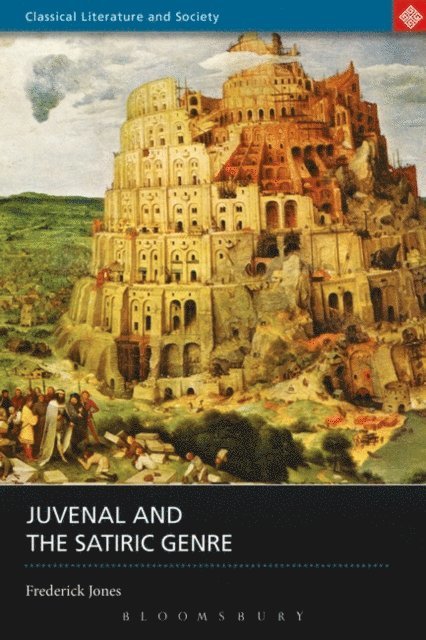
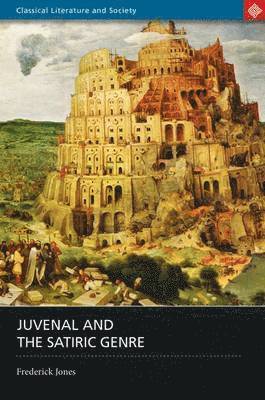
While claiming to stand outside literature altogether, Roman verse satire was the most aggressively literary of Roman genres, Juvenal''s particularly so. In the opening lines of the corpus, his performance creates an arena in which the various genres of his Graeco-Roman cultural inheritance jostle to be heard, and are suppressed by his own generic identity. Juvenal and the Satiric Genre considers the fluid nature of the generic field, and how Juvenal comes out of and fits into it. Specifically, it measures his use of names, his ambiguous and sometimes hostile relations with other genres, especially the queen of genres, epic, against his inherited and stated aim (of criticizing malefactors by name), and considers how the aspect of performance impinges on his multi-faceted satiric voice. This challenging series considers Greek and Roman literature primarily in relation to genre and theme. It also aims to place writer and original addressee in their social context. The series will appeal to both scholar and student, and to anyone interested in our classical inheritance.
E-bok
Engelska, 2012605 kr
Läs direkt efter köp
While claiming to stand outside literature altogether, Roman verse satire was the most aggressively literary of Roman genres, Juvenal''s particularly so. In the opening lines of the corpus, his performance creates an arena in which the various genres of his Graeco-Roman cultural inheritance jostle to be heard, and are suppressed by his own generic identity. Juvenal and the Satiric Genre considers the fluid nature of the generic field, and how Juvenal comes out of and fits into it. Specifically, it measures his use of names, his ambiguous and sometimes hostile relations with other genres, especially the queen of genres, epic, against his inherited and stated aim (of criticizing malefactors by name), and considers how the aspect of performance impinges on his multi-faceted satiric voice. This challenging series considers Greek and Roman literature primarily in relation to genre and theme. It also aims to place writer and original addressee in their social context. The series will appeal to both scholar and student, and to anyone interested in our classical inheritance.
Häftad, Engelska, 2007
560 kr
Tillfälligt slut
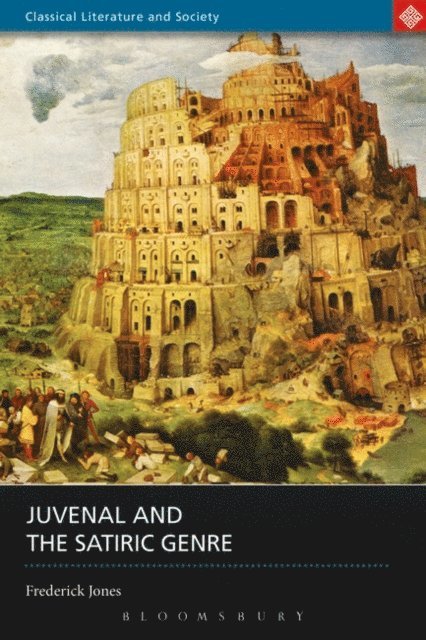
While claiming to stand outside literature altogether, Roman verse satire was the most aggressively literary of Roman genres, Juvenal's particularly so. In the opening lines of the corpus, his performance creates an arena in which the various genres of his Graeco-Roman cultural inheritance jostle to be heard, and are suppressed by his own generic identity. Juvenal and the Satiric Genre considers the fluid nature of the generic field, and how Juvenal comes out of and fits into it. Specifically, it measures his use of names, his ambiguous and sometimes hostile relations with other genres, especially the queen of genres, epic, against his inherited and stated aim (of criticizing malefactors by name), and considers how the aspect of performance impinges on his multi-faceted satiric voice. This challenging series considers Greek and Roman literature primarily in relation to genre and theme. It also aims to place writer and original addressee in their social context. The series will appeal to both scholar and student, and to anyone interested in our classical inheritance.