G Singaravelu – författare
836 kr
Läs direkt efter köp
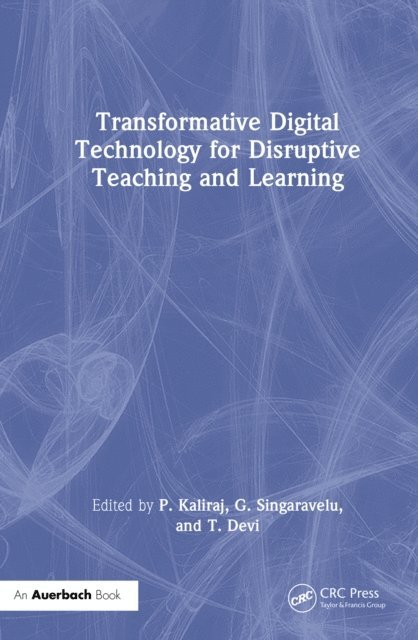
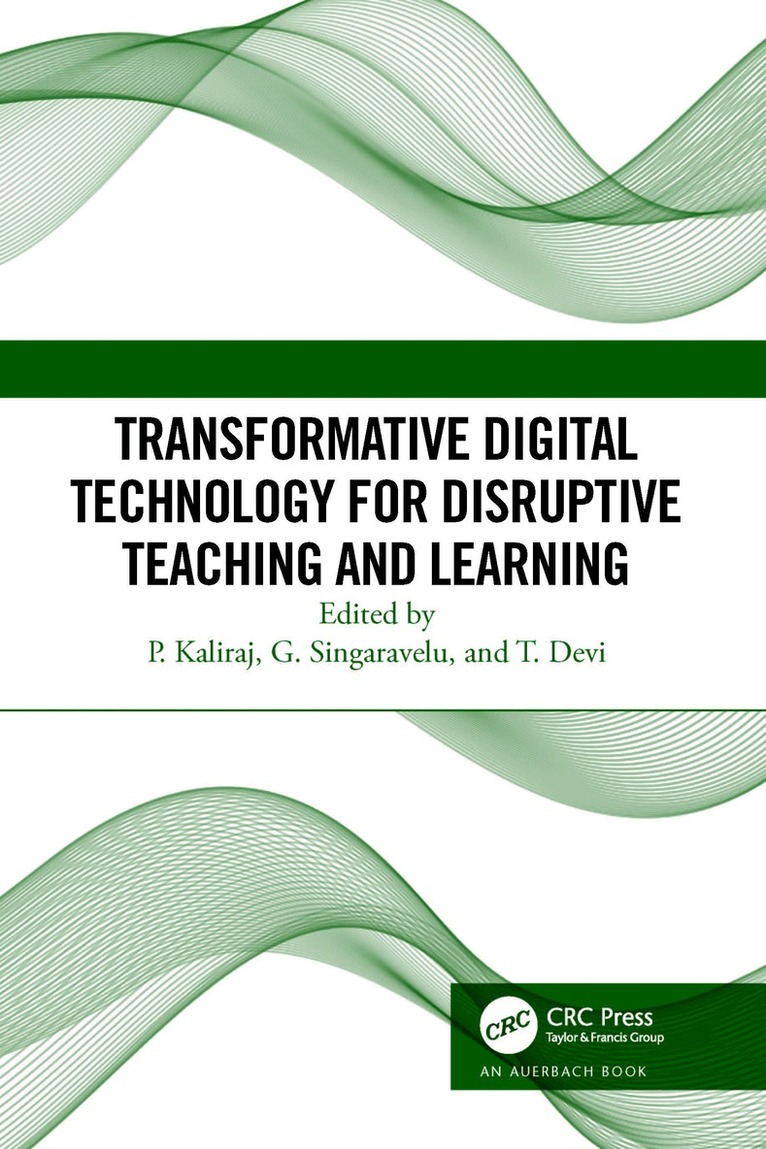
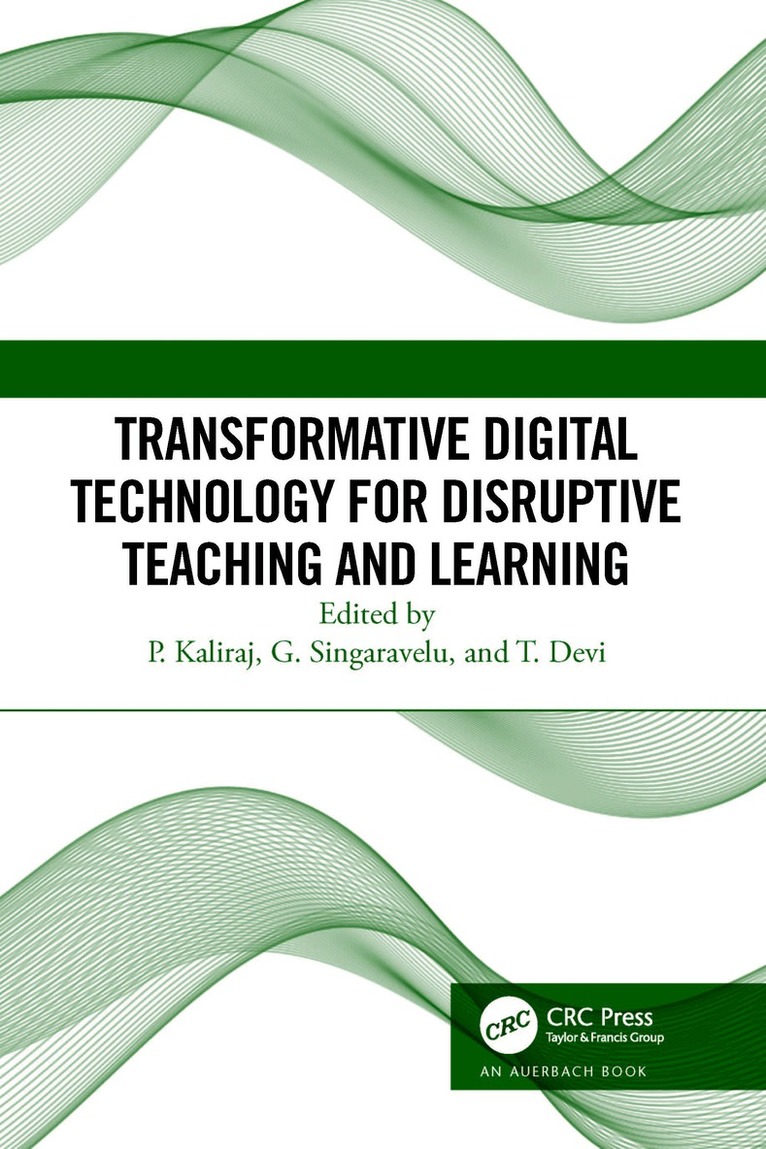
Generation Z students are avid gamers and are always on social media. Smart like their phones, they must be educated in a smart manner, which involves the use of digital tools. Transformative Digital Technology for Disruptive Teaching and Learning provides smart education solutions and details ways in which Gen Z learners can be educated. It covers such digital learning strategies as blended learning, flipped learning, mobile learning, and gamification. It examines creative teaching–learning strategies to encourage modern learners to learn more quickly. The book discusses ways to accelerate the capabilities of teaching and learning transactions. It also covers innovative teaching and learning processes to meet the challenges of digital learners.
Starting with an overview of digital learning resources and processes as well as their advantages and disadvantages, the book then discusses such approaches and strategies as follows:
Learner-oriented and learner-friendly approaches Blended learning Active learning Experiential learning Virtual learning Applications of Cloud Computing and Artificial Intelligence Gamification LMS challenges and techno-pedagogical issues for modern lifeAs digital technology is disrupting teaching and learning, especially the skill development of students in the era of Industry 4.0 and 5.0, this is a timely book. It provides methods, approaches, strategies, and techniques for innovative learning and teaching. It discusses how to leverage new technology to enhance educators’ and learners’ abilities and performance. A comprehensive reference guide for educational researchers and technology developers, the book also helps educators embrace the digital transformation of teaching and learning.
836 kr
Läs direkt efter köp
Generation Z students are avid gamers and are always on social media. Smart like their phones, they must be educated in a smart manner, which involves the use of digital tools. Transformative Digital Technology for Disruptive Teaching and Learning provides smart education solutions and details ways in which Gen Z learners can be educated. It covers such digital learning strategies as blended learning, flipped learning, mobile learning, and gamification. It examines creative teaching–learning strategies to encourage modern learners to learn more quickly. The book discusses ways to accelerate the capabilities of teaching and learning transactions. It also covers innovative teaching and learning processes to meet the challenges of digital learners.
Starting with an overview of digital learning resources and processes as well as their advantages and disadvantages, the book then discusses such approaches and strategies as follows:
Learner-oriented and learner-friendly approaches Blended learning Active learning Experiential learning Virtual learning Applications of Cloud Computing and Artificial Intelligence Gamification LMS challenges and techno-pedagogical issues for modern lifeAs digital technology is disrupting teaching and learning, especially the skill development of students in the era of Industry 4.0 and 5.0, this is a timely book. It provides methods, approaches, strategies, and techniques for innovative learning and teaching. It discusses how to leverage new technology to enhance educators’ and learners’ abilities and performance. A comprehensive reference guide for educational researchers and technology developers, the book also helps educators embrace the digital transformation of teaching and learning.
1 453 kr
Skickas
2 508 kr
Skickas inom 10-15 vardagar
721 kr
Skickas inom 10-15 vardagar
750 kr
Skickas inom 10-15 vardagar
2 759 kr
Läs direkt efter köp
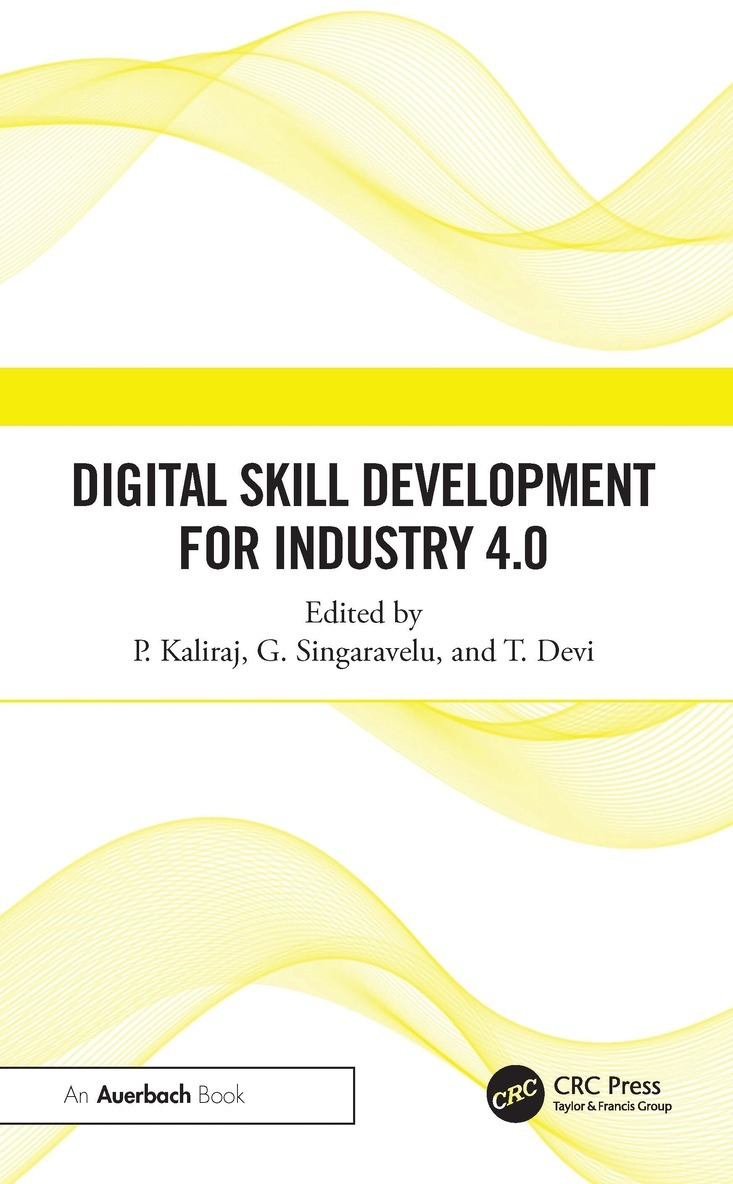
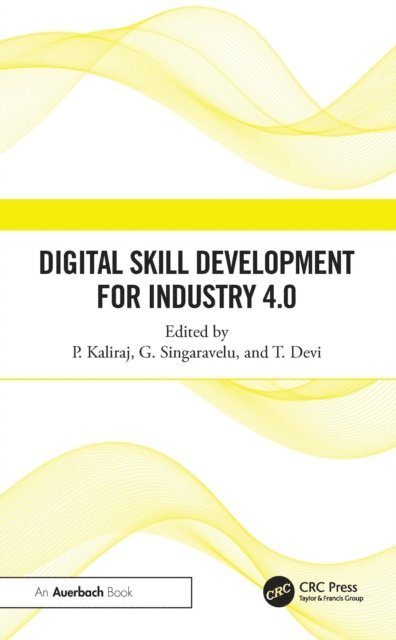
The Fourth Industrial Revolution, Industry 4.0, is changing the world, and digital transformation technology tools have impacted every walk of life. The nature of work and careers is changing fast – and in the future, the right skills will be prized over academic qualifications. Students must develop various skills, especially technology skills, to become the workforce of the future; the onus of developing these skills falls on educational institutions. The development of innovation and ideation skills in students is a must for them to productively contribute to a future economy. They should have the capability to translate ideas into solutions, products, and systems that are scalable, practically feasible, and adaptable.
To prepare students for this digital world, Digital Skill Development for Industry 4.0 contains chapters on developing:
Professional skills, cognitive learning Critical thinking skills among modern learners Motivation and student engagement Invoking interest of students Student engagement in e-learning Contextual learning Experimental learning Multidisciplinary learningThe book is written for the academic and administrative community of universities and colleges who intend to equip their modern learners with the skills of Industry 4.0. It is also useful as a reference for undergraduate and postgraduate courses, as well as doctoral programs. The book can also serve as a comprehensive reference guide for researchers in the development of tools incorporating new skills and technologies. Practitioners who are interested in introducing digital skill development for Industry 4.0 and its tools to solve real‑world problems can also use this book.
2 759 kr
Läs direkt efter köp
The Fourth Industrial Revolution, Industry 4.0, is changing the world, and digital transformation technology tools have impacted every walk of life. The nature of work and careers is changing fast – and in the future, the right skills will be prized over academic qualifications. Students must develop various skills, especially technology skills, to become the workforce of the future; the onus of developing these skills falls on educational institutions. The development of innovation and ideation skills in students is a must for them to productively contribute to a future economy. They should have the capability to translate ideas into solutions, products, and systems that are scalable, practically feasible, and adaptable.
To prepare students for this digital world, Digital Skill Development for Industry 4.0 contains chapters on developing:
Professional skills, cognitive learning Critical thinking skills among modern learners Motivation and student engagement Invoking interest of students Student engagement in e-learning Contextual learning Experimental learning Multidisciplinary learningThe book is written for the academic and administrative community of universities and colleges who intend to equip their modern learners with the skills of Industry 4.0. It is also useful as a reference for undergraduate and postgraduate courses, as well as doctoral programs. The book can also serve as a comprehensive reference guide for researchers in the development of tools incorporating new skills and technologies. Practitioners who are interested in introducing digital skill development for Industry 4.0 and its tools to solve real‑world problems can also use this book.