T. Devi - Böcker
Visar alla böcker från författaren T. Devi. Handla med fri frakt och snabb leverans.
13 produkter
13 produkter
1 666 kr
Skickas inom 10-15 vardagar
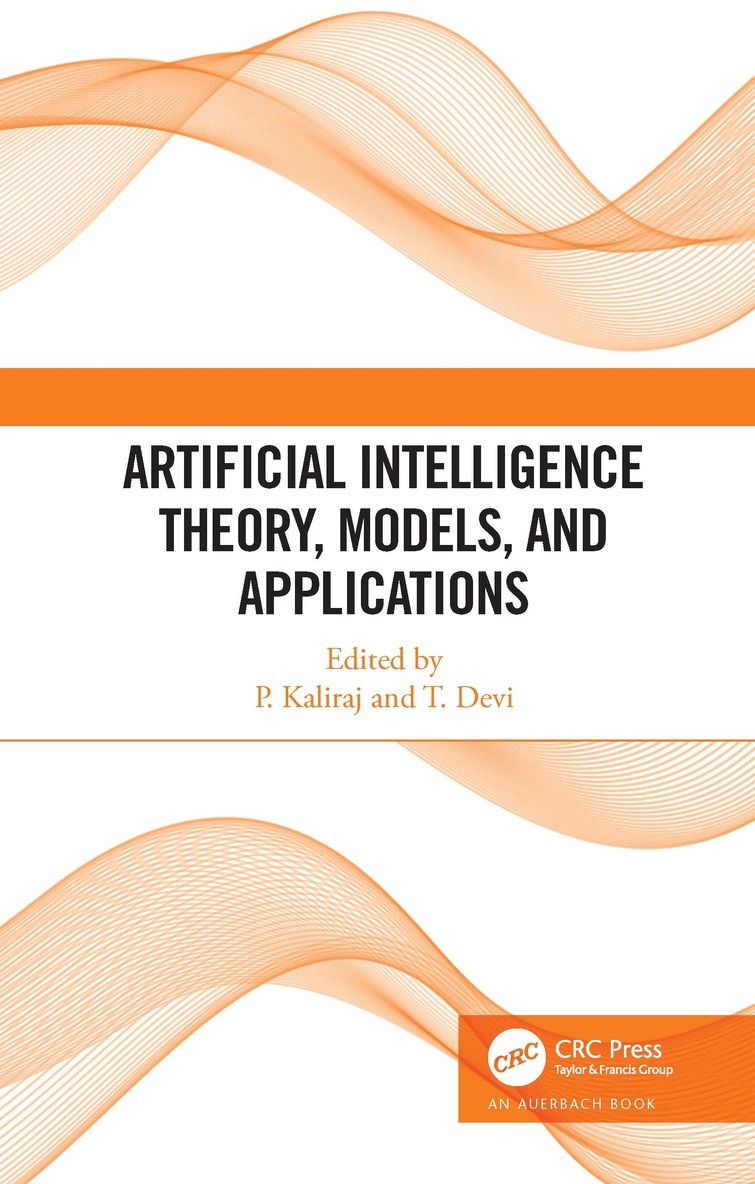
This book examines the fundamentals and technologies of Artificial Intelligence (AI) and describes their tools, challenges, and issues. It also explains relevant theory as well as industrial applications in various domains, such as healthcare, economics, education, product development, agriculture, human resource management, environmental management, and marketing. The book is a boon to students, software developers, teachers, members of boards of studies, and researchers who need a reference resource on artificial intelligence and its applications and is primarily intended for use in courses offered by higher education institutions that strive to equip their graduates with Industry 4.0 skills.FEATURES: Gender disparity in the enterprises involved in the development of AI-based software development as well as solutions to eradicate such gender bias in the AI world A general framework for AI in environmental management, smart farming, e-waste management, and smart energy optimization The potential and application of AI in medical imaging as well as the challenges of AI in precision medicine AI’s role in the diagnosis of various diseases, such as cancer and diabetes The role of machine learning models in product development and statistically monitoring product quality Machine learning to make robust and effective economic policy decisions Machine learning and data mining approaches to provide better video indexing mechanisms resulting in better searchable resultsABOUT THE EDITORS:Prof. Dr. P. Kaliraj is Vice Chancellor at Bharathiar University, Coimbatore, India. Prof. Dr. T. Devi is Professor and Head of the Department of Computer Applications, Bharathiar University, Coimbatore, India.
1 804 kr
Skickas inom 10-15 vardagar
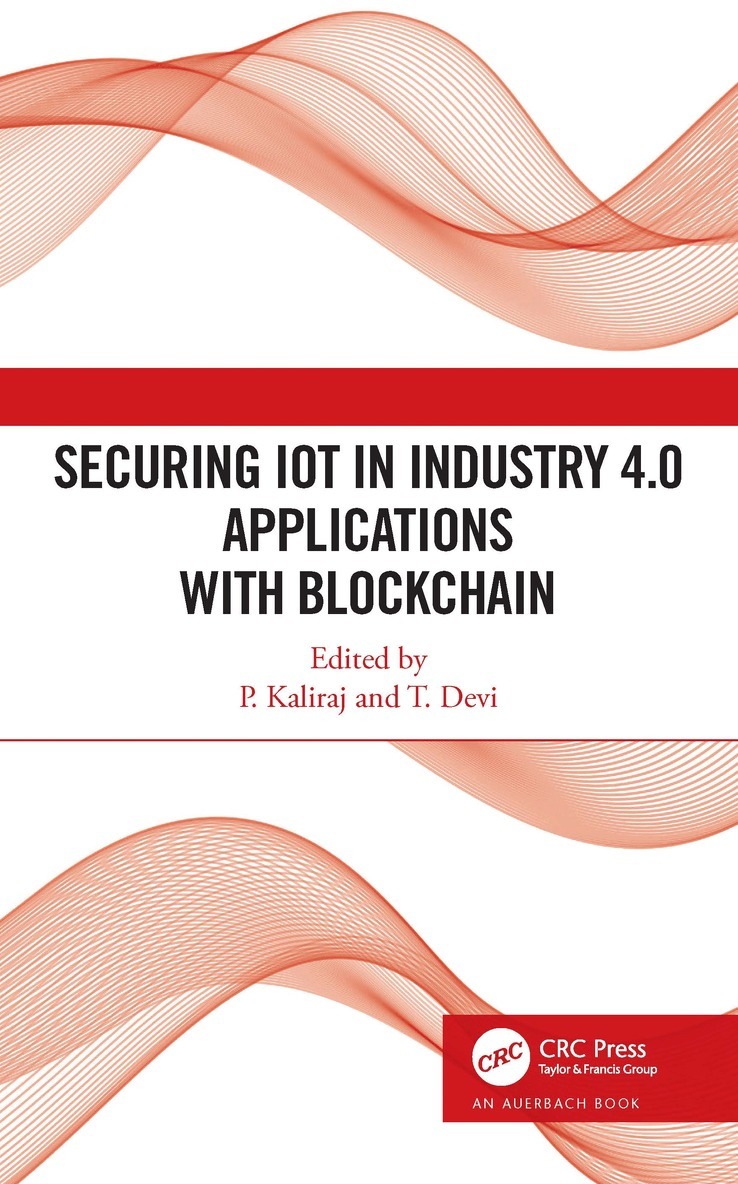
The Industry 4.0 revolution is changing the world around us. Artificial intelligence and machine learning, automation and robotics, big data, Internet of Things, augmented reality, virtual reality, and creativity are the tools of Industry 4.0. Improved collaboration is seen between smart systems and humans, which merges humans' critical and cognitive thinking abilities with highly accurate and fast industrial automation.Securing IoT in Industry 4.0 Applications with Blockchain examines the role of IoT in Industry 4.0 and how it can be made secure through various technologies including blockchain. The book begins with an in-depth look at IoT and discusses applications, architecture, technologies, tools, and programming languages. It then examines blockchain and cybersecurity, as well as how blockchain achieves cybersecurity. It also looks at cybercrimes and their preventive measures and issues related to IoT security and trust.Features An overview of how IoT is used to improve the performance of Industry 4.0 systems The evolution of the Industrial Internet of Things (IIoT), its proliferation and market share, and some examples across major industries An exploration of how smart farming is helping farmers prevent plant disease The concepts behind the Internet of Nano Things (IoNT), including the nanomachine and nanonetwork architecture and nano-communication paradigms A look at how blockchains can enhance cybersecurity in a variety of applications, including smart contracts, transferring financial instruments, and Public Key Infrastructure An overview of the structure and working of a blockchain, including the types, evolution, benefits, and applications of blockchain to industries A framework of technologies designed to shield networks, computers, and data from malware, vulnerabilities, and unauthorized activities An explanation of the automation system employed in industries along with its classification, functionality, flexibility, limitations, and applications
1 804 kr
Skickas inom 10-15 vardagar
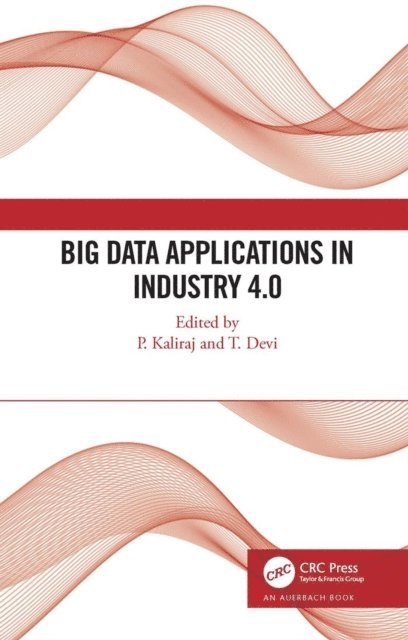
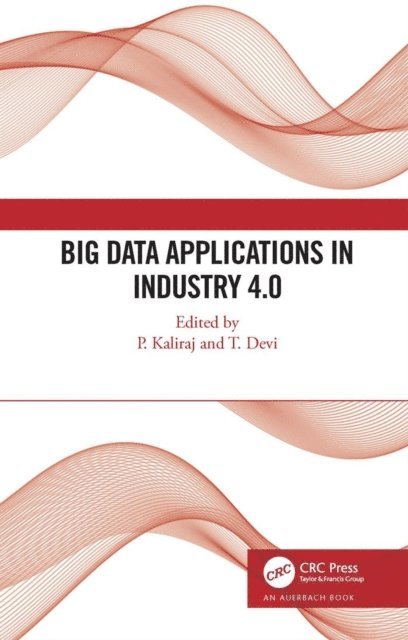
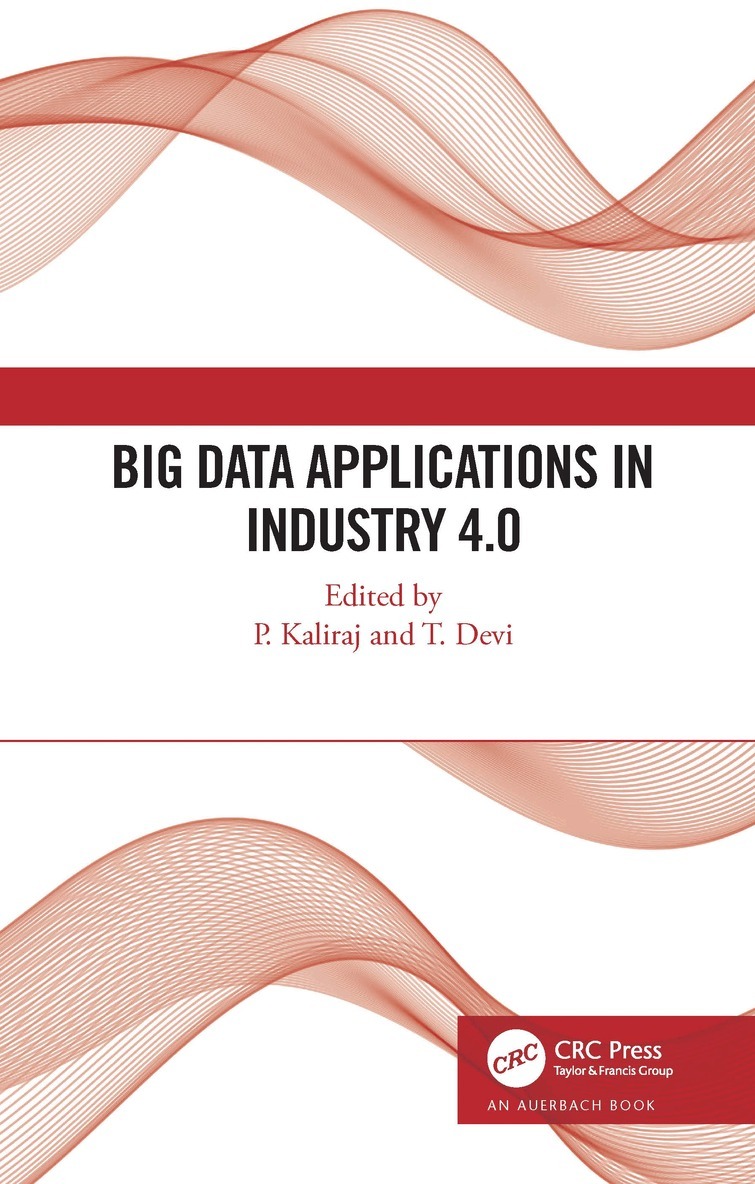
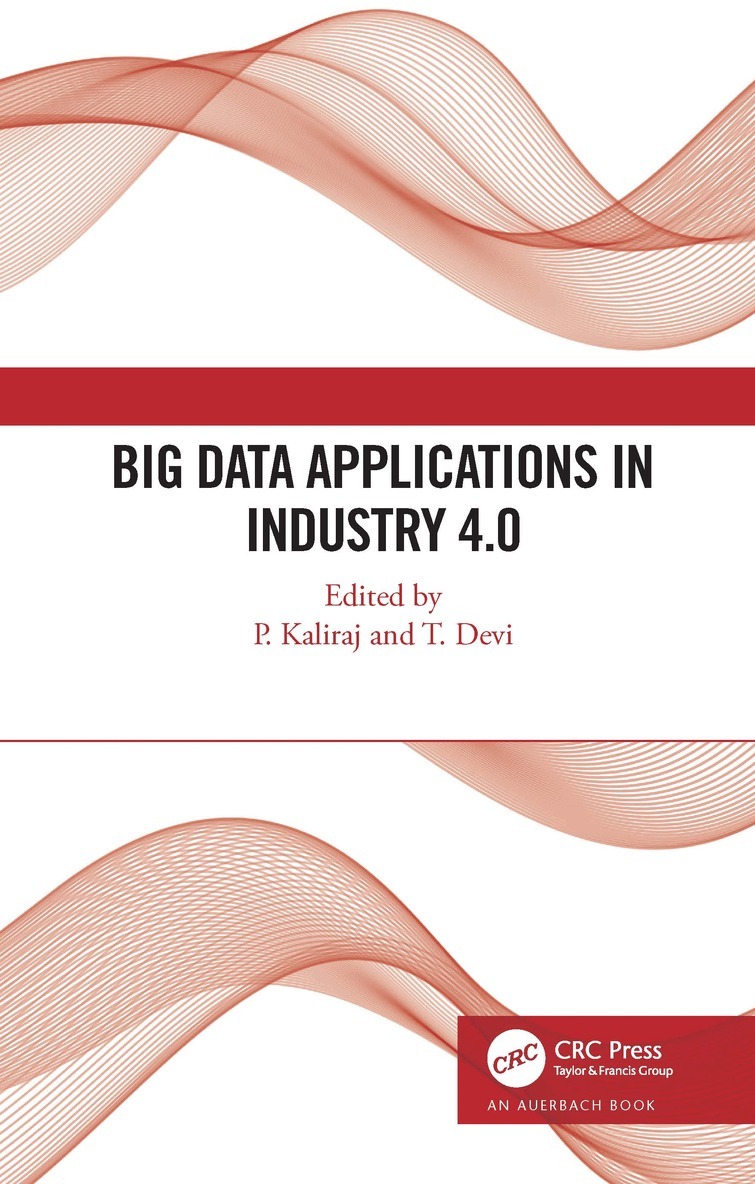
Industry 4.0 is the latest technological innovation in manufacturing with the goal to increase productivity in a flexible and efficient manner. Changing the way in which manufacturers operate, this revolutionary transformation is powered by various technology advances including Big Data analytics, Internet of Things (IoT), Artificial Intelligence (AI), and cloud computing. Big Data analytics has been identified as one of the significant components of Industry 4.0, as it provides valuable insights for smart factory management. Big Data and Industry 4.0 have the potential to reduce resource consumption and optimize processes, thereby playing a key role in achieving sustainable development. Big Data Applications in Industry 4.0 covers the recent advancements that have emerged in the field of Big Data and its applications. The book introduces the concepts and advanced tools and technologies for representing and processing Big Data. It also covers applications of Big Data in such domains as financial services, education, healthcare, biomedical research, logistics, and warehouse management. Researchers, students, scientists, engineers, and statisticians can turn to this book to learn about concepts, technologies, and applications that solve real-world problems. Features An introduction to data science and the types of data analytics methods accessible today An overview of data integration concepts, methodologies, and solutions A general framework of forecasting principles and applications, as well as basic forecasting models including naïve, moving average, and exponential smoothing models A detailed roadmap of the Big Data evolution and its related technological transformation in computing, along with a brief description of related terminologies The application of Industry 4.0 and Big Data in the field of education The features, prospects, and significant role of Big Data in the banking industry, as well as various use cases of Big Data in banking, finance services, and insurance Implementing a Data Lake (DL) in the cloud and the significance of a data lake in decision making
789 kr
Skickas inom 10-15 vardagar
This book examines the fundamentals and technologies of Artificial Intelligence (AI) and describes their tools, challenges, and issues. It also explains relevant theory as well as industrial applications in various domains, such as healthcare, economics, education, product development, agriculture, human resource management, environmental management, and marketing. The book is a boon to students, software developers, teachers, members of boards of studies, and researchers who need a reference resource on artificial intelligence and its applications and is primarily intended for use in courses offered by higher education institutions that strive to equip their graduates with Industry 4.0 skills.FEATURES: Gender disparity in the enterprises involved in the development of AI-based software development as well as solutions to eradicate such gender bias in the AI world A general framework for AI in environmental management, smart farming, e-waste management, and smart energy optimization The potential and application of AI in medical imaging as well as the challenges of AI in precision medicine AI’s role in the diagnosis of various diseases, such as cancer and diabetes The role of machine learning models in product development and statistically monitoring product quality Machine learning to make robust and effective economic policy decisions Machine learning and data mining approaches to provide better video indexing mechanisms resulting in better searchable resultsABOUT THE EDITORS:Prof. Dr. P. Kaliraj is Vice Chancellor at Bharathiar University, Coimbatore, India. Prof. Dr. T. Devi is Professor and Head of the Department of Computer Applications, Bharathiar University, Coimbatore, India.
789 kr
Skickas inom 10-15 vardagar
The Industry 4.0 revolution is changing the world around us. Artificial intelligence and machine learning, automation and robotics, big data, Internet of Things, augmented reality, virtual reality, and creativity are the tools of Industry 4.0. Improved collaboration is seen between smart systems and humans, which merges humans' critical and cognitive thinking abilities with highly accurate and fast industrial automation.Securing IoT in Industry 4.0 Applications with Blockchain examines the role of IoT in Industry 4.0 and how it can be made secure through various technologies including blockchain. The book begins with an in-depth look at IoT and discusses applications, architecture, technologies, tools, and programming languages. It then examines blockchain and cybersecurity, as well as how blockchain achieves cybersecurity. It also looks at cybercrimes and their preventive measures and issues related to IoT security and trust.Features An overview of how IoT is used to improve the performance of Industry 4.0 systems The evolution of the Industrial Internet of Things (IIoT), its proliferation and market share, and some examples across major industries An exploration of how smart farming is helping farmers prevent plant disease The concepts behind the Internet of Nano Things (IoNT), including the nanomachine and nanonetwork architecture and nano-communication paradigms A look at how blockchains can enhance cybersecurity in a variety of applications, including smart contracts, transferring financial instruments, and Public Key Infrastructure An overview of the structure and working of a blockchain, including the types, evolution, benefits, and applications of blockchain to industries A framework of technologies designed to shield networks, computers, and data from malware, vulnerabilities, and unauthorized activities An explanation of the automation system employed in industries along with its classification, functionality, flexibility, limitations, and applications
Industry 4.0 Technologies for Education
Transformative Technologies and Applications
Inbunden, Engelska, 2022
2 029 kr
Skickas inom 10-15 vardagar
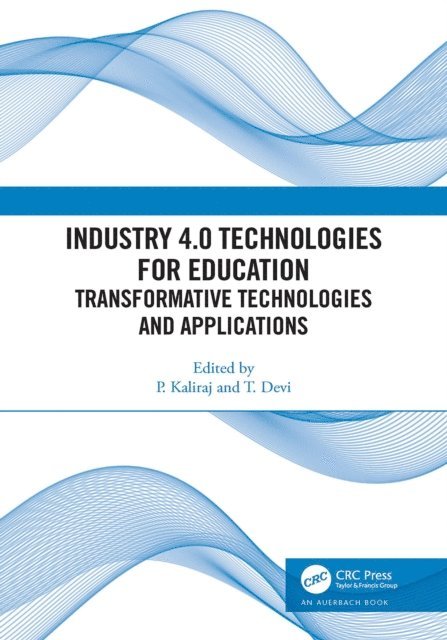
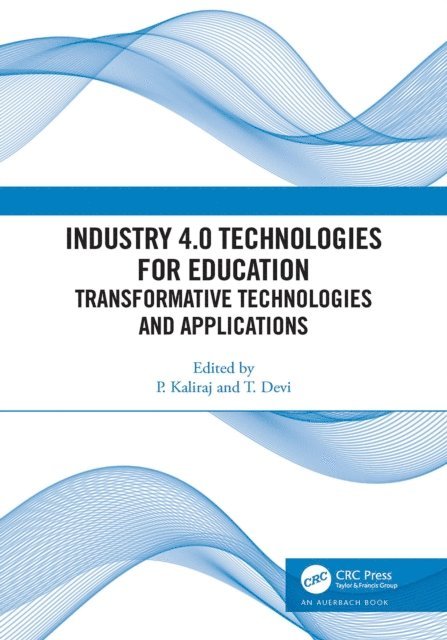
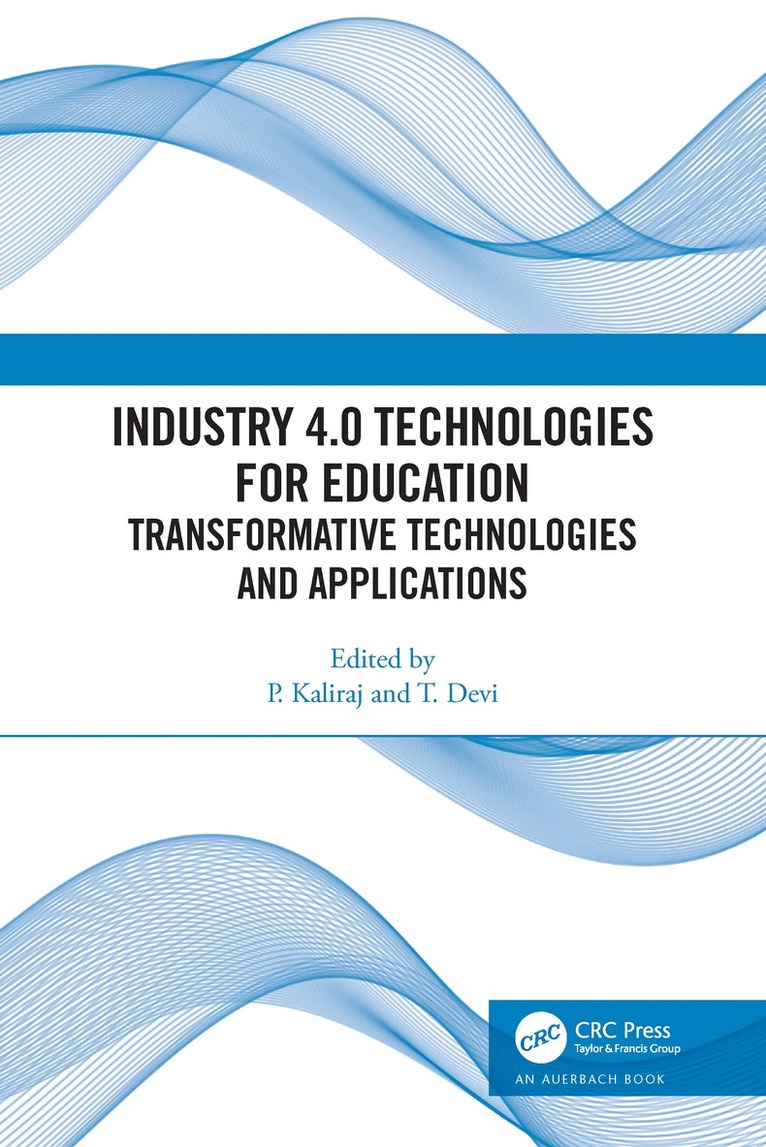
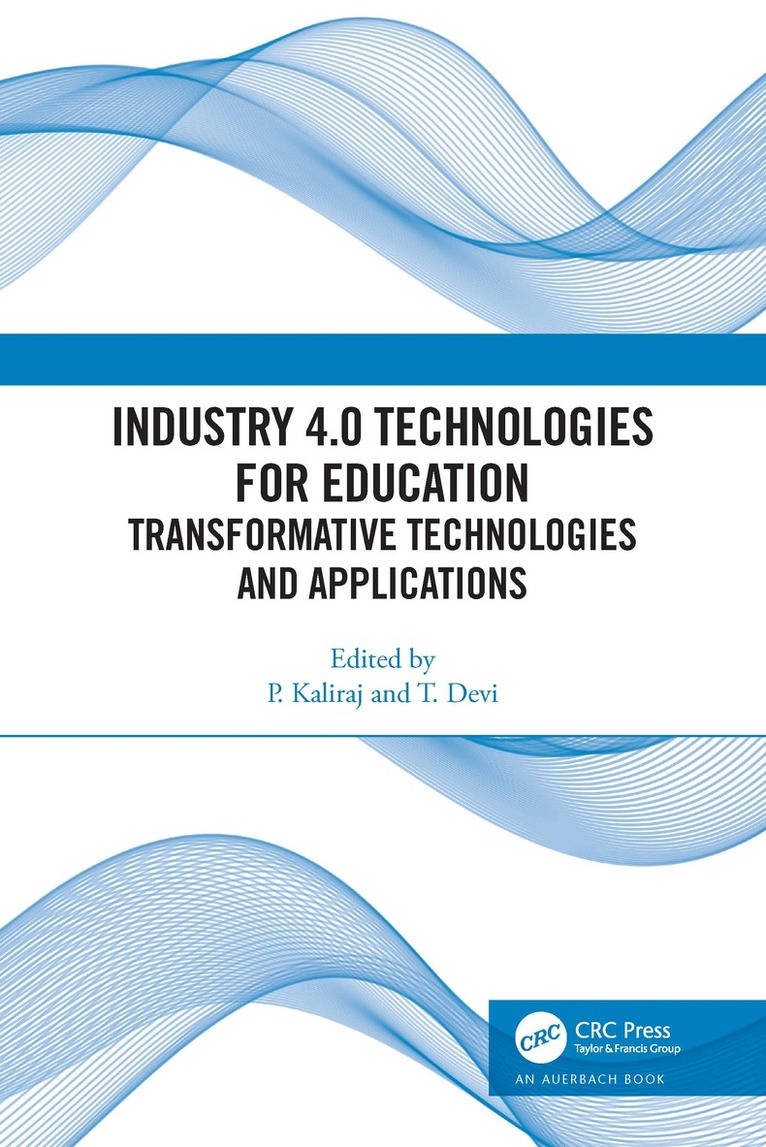
The transformative digital technologies developed for Industry 4.0 are proving to be disruptive change drivers in higher education. Industry 4.0 technologies are forming the basis of Education 4.0. Industry 4.0 Technologies for Education: Transformative Technologies and Applications examines state-of-the-art tools and technologies that comprise Education 4.0. Higher education professionals can turn to this book to guide curriculum development aimed at helping produce the workforce for Industry 4.0.The book discusses the tools and technologies required to make Education 4.0 a reality. It covers online content creation, learning management systems, and tools for teaching, learning, and evaluating. Also covered are disciplines that are being transformed by Industry 4.0 and form the core of Education 4.0 curricula. These disciplines include social work, finance, medicine, and healthcare. Mobile technologies are critical components of Industry 4.0 as well as Education 4.0. The book looks at the roles of the Internet of Things (IoT), 5G, and cloud applications in creating the Education 4.0 environment.Highlights of the book include:Technological innovations for virtual classrooms to empower studentsEmerging technological advancements for educational institutionsOnline content creation toolsMoodle as a teaching, learning, and evaluation toolGamification in higher educationA design thinking approach to developing curriculum in Education 4.0Industry 4.0 for Service 4.0 and Research 4.0 as a framework for higher education institutionsEye-tracking technology for Education 4.0The challenges and issues of the Internet of Things (IoT) in teaching and learning
677 kr
Skickas inom 10-15 vardagar
Industry 4.0 is the latest technological innovation in manufacturing with the goal to increase productivity in a flexible and efficient manner. Changing the way in which manufacturers operate, this revolutionary transformation is powered by various technology advances including Big Data analytics, Internet of Things (IoT), Artificial Intelligence (AI), and cloud computing. Big Data analytics has been identified as one of the significant components of Industry 4.0, as it provides valuable insights for smart factory management. Big Data and Industry 4.0 have the potential to reduce resource consumption and optimize processes, thereby playing a key role in achieving sustainable development. Big Data Applications in Industry 4.0 covers the recent advancements that have emerged in the field of Big Data and its applications. The book introduces the concepts and advanced tools and technologies for representing and processing Big Data. It also covers applications of Big Data in such domains as financial services, education, healthcare, biomedical research, logistics, and warehouse management. Researchers, students, scientists, engineers, and statisticians can turn to this book to learn about concepts, technologies, and applications that solve real-world problems. Features An introduction to data science and the types of data analytics methods accessible today An overview of data integration concepts, methodologies, and solutions A general framework of forecasting principles and applications, as well as basic forecasting models including naïve, moving average, and exponential smoothing models A detailed roadmap of the Big Data evolution and its related technological transformation in computing, along with a brief description of related terminologies The application of Industry 4.0 and Big Data in the field of education The features, prospects, and significant role of Big Data in the banking industry, as well as various use cases of Big Data in banking, finance services, and insurance Implementing a Data Lake (DL) in the cloud and the significance of a data lake in decision making
Industry 4.0 Technologies for Education
Transformative Technologies and Applications
Häftad, Engelska, 2025
836 kr
Skickas inom 10-15 vardagar
The transformative digital technologies developed for Industry 4.0 are proving to be disruptive change drivers in higher education. Industry 4.0 technologies are forming the basis of Education 4.0. Industry 4.0 Technologies for Education: Transformative Technologies and Applications examines state-of-the-art tools and technologies that comprise Education 4.0. Higher education professionals can turn to this book to guide curriculum development aimed at helping produce the workforce for Industry 4.0.The book discusses the tools and technologies required to make Education 4.0 a reality. It covers online content creation, learning management systems, and tools for teaching, learning, and evaluating. Also covered are disciplines that are being transformed by Industry 4.0 and form the core of Education 4.0 curricula. These disciplines include social work, finance, medicine, and healthcare. Mobile technologies are critical components of Industry 4.0 as well as Education 4.0. The book looks at the roles of the Internet of Things (IoT), 5G, and cloud applications in creating the Education 4.0 environment.Highlights of the book include:Technological innovations for virtual classrooms to empower studentsEmerging technological advancements for educational institutionsOnline content creation toolsMoodle as a teaching, learning, and evaluation toolGamification in higher educationA design thinking approach to developing curriculum in Education 4.0Industry 4.0 for Service 4.0 and Research 4.0 as a framework for higher education institutionsEye-tracking technology for Education 4.0The challenges and issues of the Internet of Things (IoT) in teaching and learning
1 475 kr
Skickas
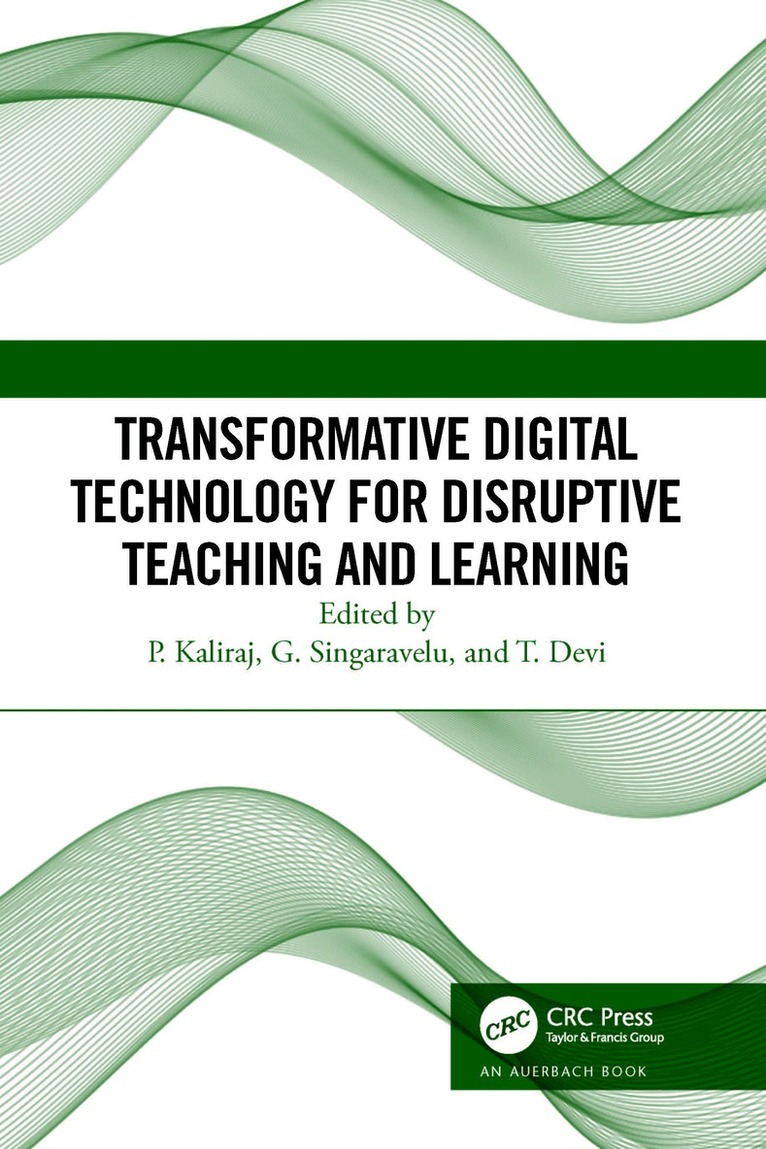
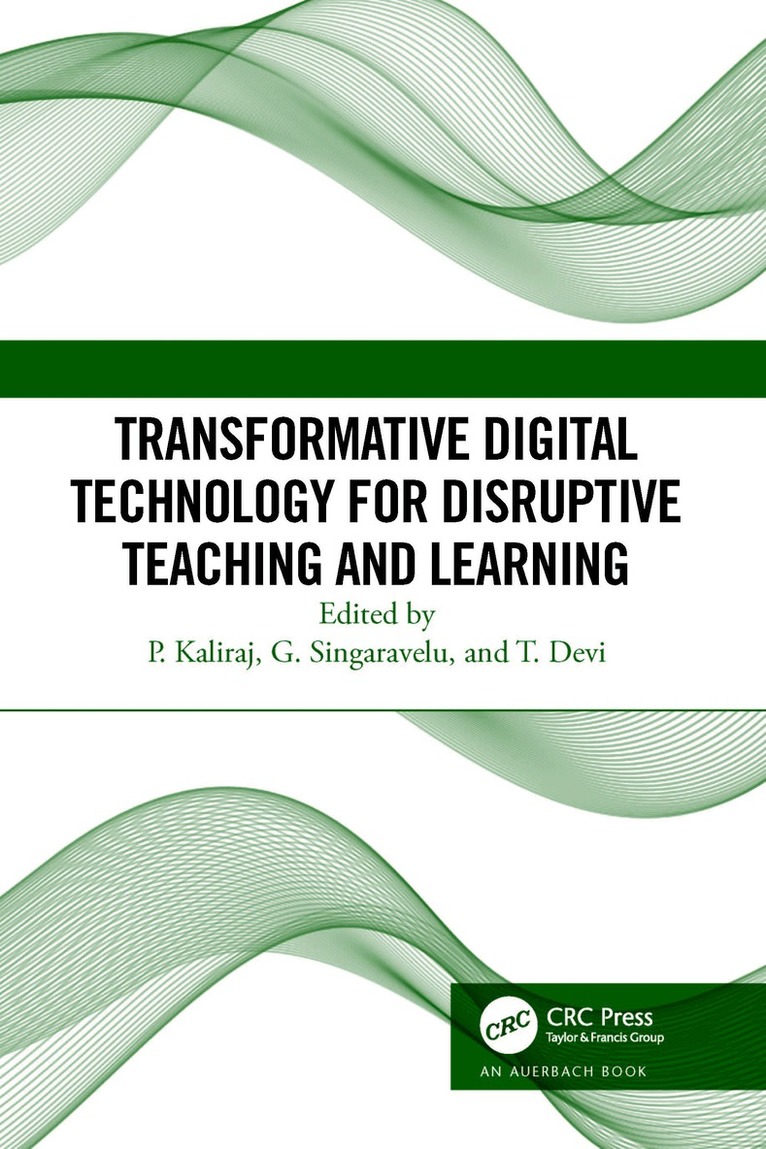
Generation Z students are avid gamers and are always on social media. Smart like their phones, they must be educated in a smart manner, which involves the use of digital tools. Transformative Digital Technology for Disruptive Teaching and Learning provides smart education solutions and details ways in which Gen Z learners can be educated. It covers such digital learning strategies as blended learning, flipped learning, mobile learning, and gamification. It examines creative teaching–learning strategies to encourage modern learners to learn more quickly. The book discusses ways to accelerate the capabilities of teaching and learning transactions. It also covers innovative teaching and learning processes to meet the challenges of digital learners.Starting with an overview of digital learning resources and processes as well as their advantages and disadvantages, the book then discusses such approaches and strategies as follows:Learner-oriented and learner-friendly approachesBlended learningActive learningExperiential learningVirtual learningApplications of Cloud Computing and Artificial IntelligenceGamificationLMS challenges and techno-pedagogical issues for modern lifeAs digital technology is disrupting teaching and learning, especially the skill development of students in the era of Industry 4.0 and 5.0, this is a timely book. It provides methods, approaches, strategies, and techniques for innovative learning and teaching. It discusses how to leverage new technology to enhance educators’ and learners’ abilities and performance. A comprehensive reference guide for educational researchers and technology developers, the book also helps educators embrace the digital transformation of teaching and learning.
2 426 kr
Skickas inom 10-15 vardagar
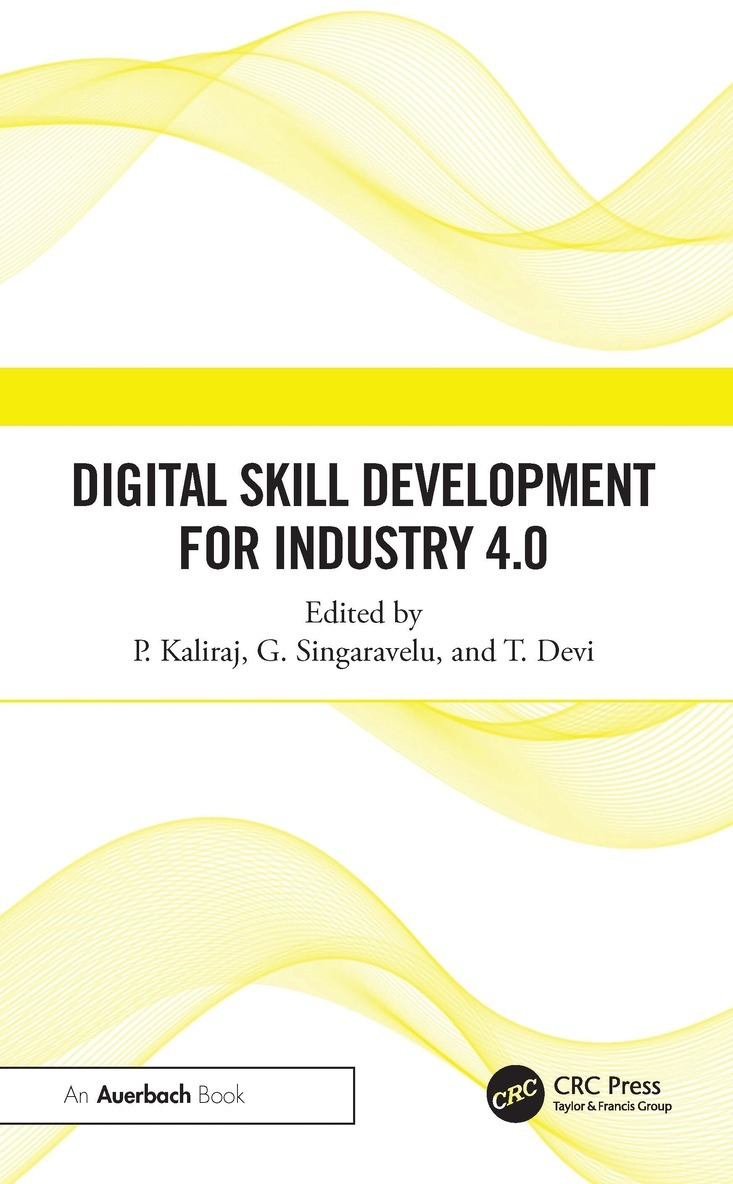
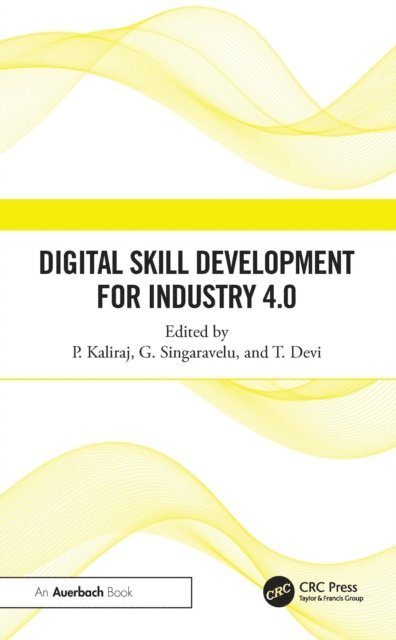
The Fourth Industrial Revolution, Industry 4.0, is changing the world, and digital transformation technology tools have impacted every walk of life. The nature of work and careers is changing fast – and in the future, the right skills will be prized over academic qualifications. Students must develop various skills, especially technology skills, to become the workforce of the future; the onus of developing these skills falls on educational institutions. The development of innovation and ideation skills in students is a must for them to productively contribute to a future economy. They should have the capability to translate ideas into solutions, products, and systems that are scalable, practically feasible, and adaptable.To prepare students for this digital world, Digital Skill Development for Industry 4.0 contains chapters on developing:Professional skills, cognitive learningCritical thinking skills among modern learnersMotivation and student engagementInvoking interest of studentsStudent engagement in e-learningContextual learningExperimental learningMultidisciplinary learningThe book is written for the academic and administrative community of universities and colleges who intend to equip their modern learners with the skills of Industry 4.0. It is also useful as a reference for undergraduate and postgraduate courses, as well as doctoral programs. The book can also serve as a comprehensive reference guide for researchers in the development of tools incorporating new skills and technologies. Practitioners who are interested in introducing digital skill development for Industry 4.0 and its tools to solve real‑world problems can also use this book.
705 kr
Skickas inom 10-15 vardagar
Generation Z students are avid gamers and are always on social media. Smart like their phones, they must be educated in a smart manner, which involves the use of digital tools. Transformative Digital Technology for Disruptive Teaching and Learning provides smart education solutions and details ways in which Gen Z learners can be educated. It covers such digital learning strategies as blended learning, flipped learning, mobile learning, and gamification. It examines creative teaching–learning strategies to encourage modern learners to learn more quickly. The book discusses ways to accelerate the capabilities of teaching and learning transactions. It also covers innovative teaching and learning processes to meet the challenges of digital learners.Starting with an overview of digital learning resources and processes as well as their advantages and disadvantages, the book then discusses such approaches and strategies as follows:Learner-oriented and learner-friendly approachesBlended learningActive learningExperiential learningVirtual learningApplications of Cloud Computing and Artificial IntelligenceGamificationLMS challenges and techno-pedagogical issues for modern lifeAs digital technology is disrupting teaching and learning, especially the skill development of students in the era of Industry 4.0 and 5.0, this is a timely book. It provides methods, approaches, strategies, and techniques for innovative learning and teaching. It discusses how to leverage new technology to enhance educators’ and learners’ abilities and performance. A comprehensive reference guide for educational researchers and technology developers, the book also helps educators embrace the digital transformation of teaching and learning.
785 kr
Kommande
The Fourth Industrial Revolution, Industry 4.0, is changing the world, and digital transformation technology tools have impacted every walk of life. The nature of work and careers is changing fast – and in the future, the right skills will be prized over academic qualifications. Students must develop various skills, especially technology skills, to become the workforce of the future; the onus of developing these skills falls on educational institutions. The development of innovation and ideation skills in students is a must for them to productively contribute to a future economy. They should have the capability to translate ideas into solutions, products, and systems that are scalable, practically feasible, and adaptable.To prepare students for this digital world, Digital Skill Development for Industry 4.0 contains chapters on developing:Professional skills, cognitive learningCritical thinking skills among modern learnersMotivation and student engagementInvoking interest of studentsStudent engagement in e-learningContextual learningExperimental learningMultidisciplinary learningThe book is written for the academic and administrative community of universities and colleges who intend to equip their modern learners with the skills of Industry 4.0. It is also useful as a reference for undergraduate and postgraduate courses, as well as doctoral programs. The book can also serve as a comprehensive reference guide for researchers in the development of tools incorporating new skills and technologies. Practitioners who are interested in introducing digital skill development for Industry 4.0 and its tools to solve real‑world problems can also use this book.
2 243 kr
Skickas inom 7-10 vardagar
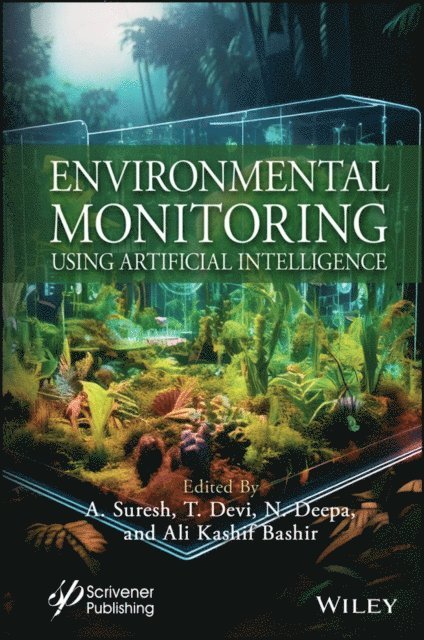
Environmental Monitoring Using Artificial Intelligence is a vital resource for anyone looking to leverage cutting-edge technologies in artificial intelligence and sensor systems to effectively address environmental challenges, offering innovative solutions and insights essential for creating a sustainable future. Environmental Monitoring Using Artificial Intelligence provides a comprehensive exploration of the cutting-edge technologies transforming environmental monitoring. This book bridges the gap between artificial intelligence (AI), natural language processing (NLP), and sensor-based systems, highlighting their potential to revolutionize the way we address pressing environmental challenges. Each chapter presents innovative case studies, real-world applications, and the latest research on how these technologies are being utilized to monitor and manage ecosystems, water resources, air quality, and urban sustainability. From advanced sensor networks to machine learning models, this book covers a broad spectrum of topics, including smart water solutions, biodiversity conservation, waste management, and agricultural sustainability. It offers an interdisciplinary approach, making it an essential resource for environmental engineers, data scientists, researchers, and policymakers. Whether you’re exploring smart city innovations, renewable energy monitoring, or AI-driven solutions for environmental protection, Environmental Monitoring Using Artificial Intelligence equips readers with the knowledge and tools to leverage technology for a sustainable future.