G. Vijver – författare
Visar alla böcker från författaren G. Vijver. Handla med fri frakt och snabb leverans.
6 produkter
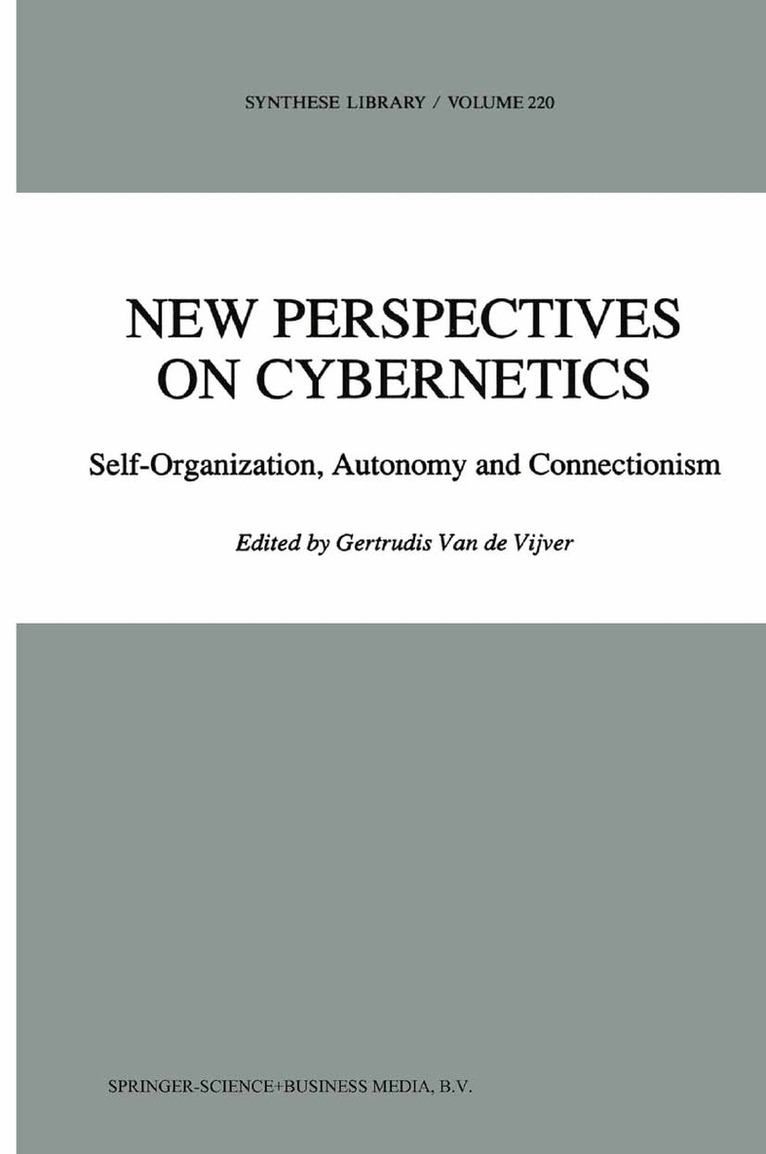
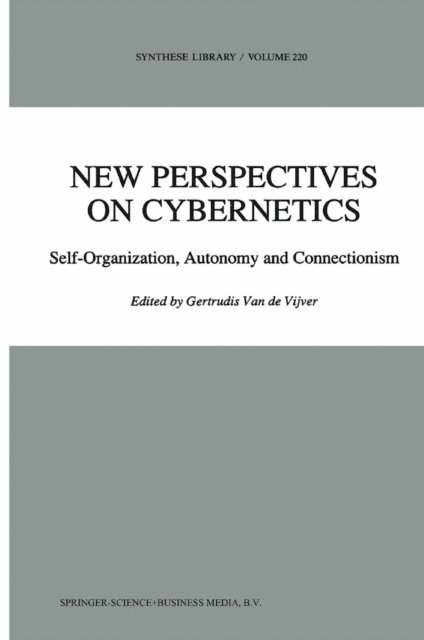
New Perspectives on Cybernetics
Self-Organization, Autonomy and Connectionism
Av G. Vijver
Inbunden, 1991
1067 kr
Lägg i varukorg
Gertrudis Van de Vijver· Seminar of Logic and Epistemology University of Ghent Before being classified under the fashionable denominators of complexity and chaos, self-organization and autonomy were intensely inquired into in the cybernetic tradition. Despite all rejections that cybernetics has …
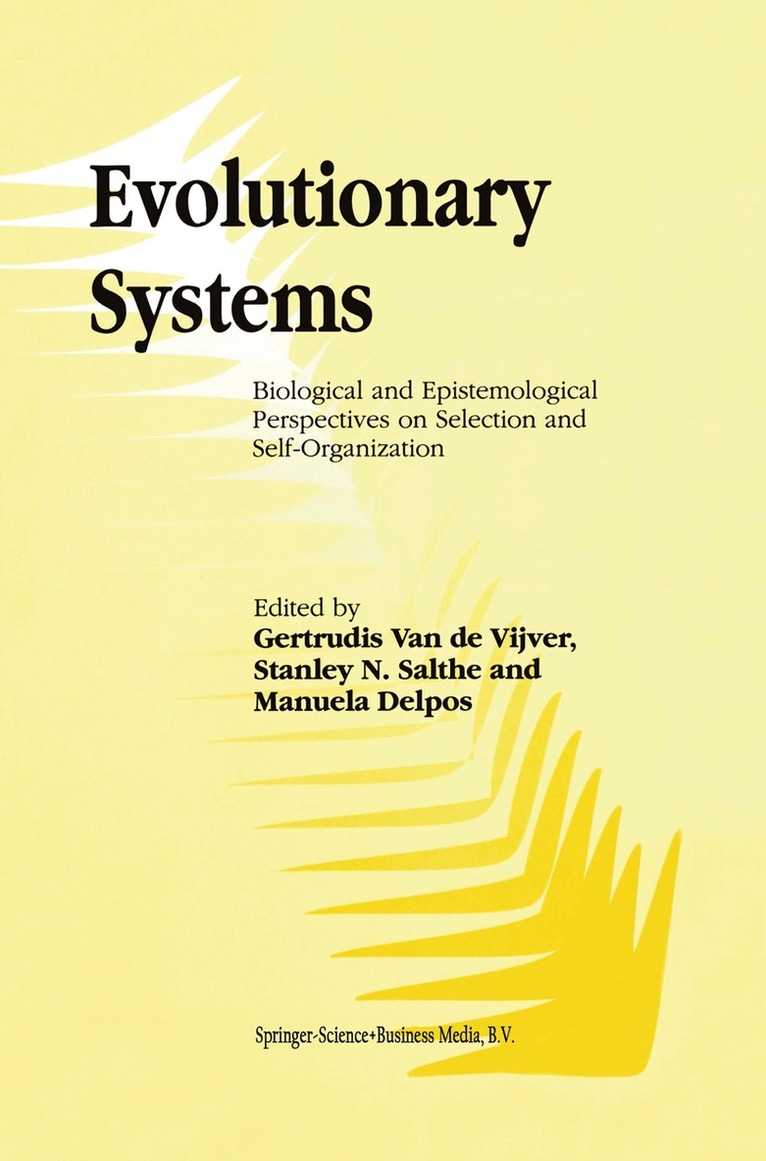
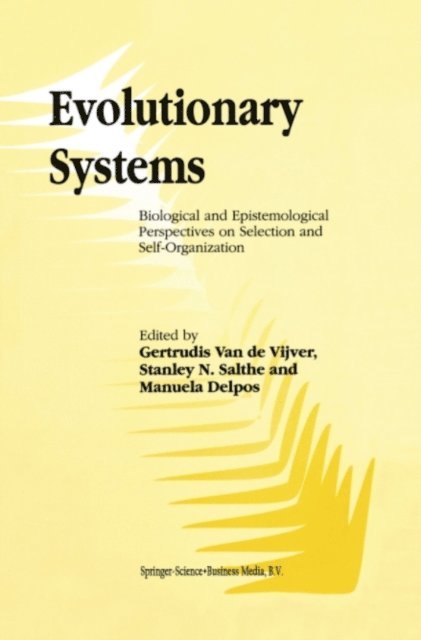
Evolutionary Systems
Biological and Epistemological Perspectives on Selection and Self-Organization
Av Gertrudis Van De Vijver, Manuela Delpos m. fl.
Inbunden, 1998
1862 kr
Lägg i varukorg
The three well known revolutions of the past centuries - the Copernican, the Darwinian and the Freudian - each in their own way had a deflating and mechanizing effect on the position of humans in nature. They opened up a richness of disillusion: earth acquired a more modest place in the universe, …
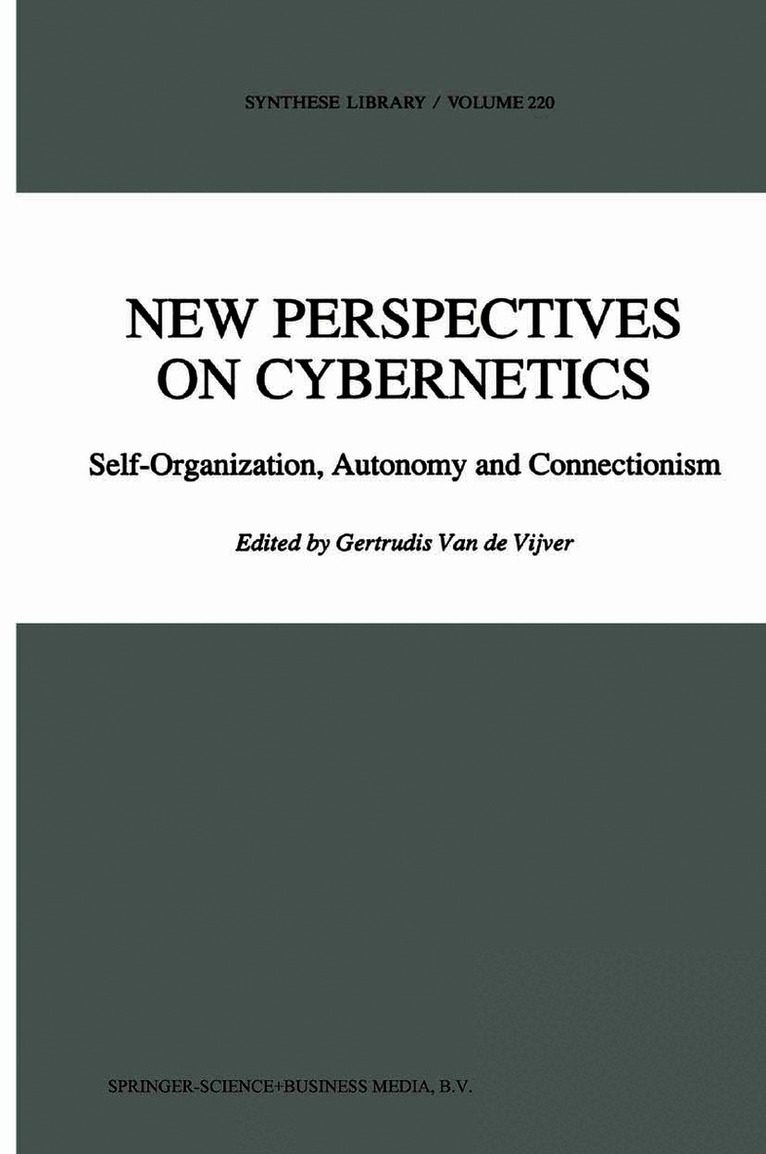
New Perspectives on Cybernetics
Self-Organization, Autonomy and Connectionism
Av G. Vijver
Häftad, 2010
1094 kr
Lägg i varukorg
Gertrudis Van de Vijver· Seminar of Logic and Epistemology University of Ghent Before being classified under the fashionable denominators of complexity and chaos, self-organization and autonomy were intensely inquired into in the cybernetic tradition. Despite all rejections that cybernetics has …
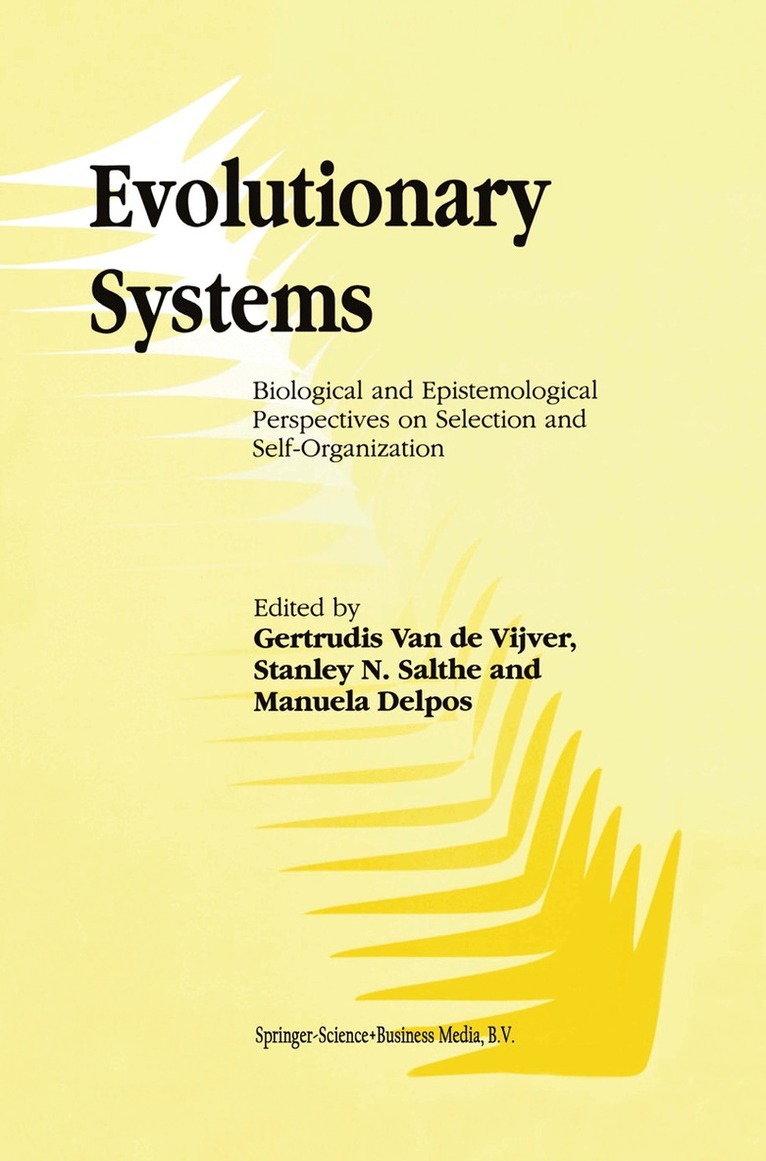
Evolutionary Systems
Biological and Epistemological Perspectives on Selection and Self-Organization
Av G. Vijver, Stanley N. Salthe m. fl.
Häftad, 2010
1855 kr
Lägg i varukorg
The three well known revolutions of the past centuries - the Copernican, the Darwinian and the Freudian - each in their own way had a deflating and mechanizing effect on the position of humans in nature. They opened up a richness of disillusion: earth acquired a more modest place in the universe, …
New Perspectives on Cybernetics
Self-Organization, Autonomy and Connectionism
Av G. Vijver
E-bok, 2013
1459 kr
Lägg i varukorg
Gertrudis Van de Vijver· Seminar of Logic and Epistemology University of Ghent Before being classified under the fashionable denominators of complexity and chaos, self-organization and autonomy were intensely inquired into in the cybernetic tradition. Despite all rejections that cybernetics has …
Evolutionary Systems
Biological and Epistemological Perspectives on Selection and Self-Organization
Av M. Delpos, Stanley N. Salthe m. fl.
E-bok, 2013
2437 kr
Lägg i varukorg
The three well known revolutions of the past centuries - the Copernican, the Darwinian and the Freudian - each in their own way had a deflating and mechanizing effect on the position of humans in nature. They opened up a richness of disillusion: earth acquired a more modest place in the universe, …