Gabriele Gava – författare
Visar alla böcker från författaren Gabriele Gava. Handla med fri frakt och snabb leverans.
15 produkter
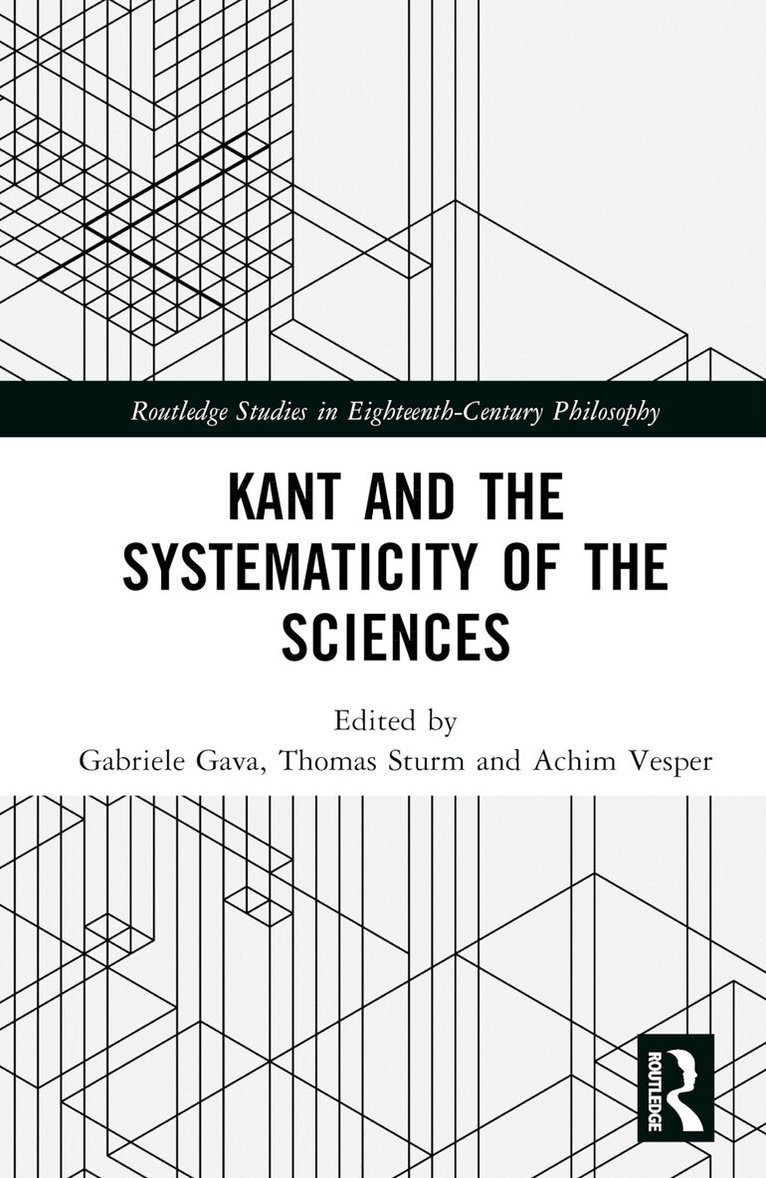
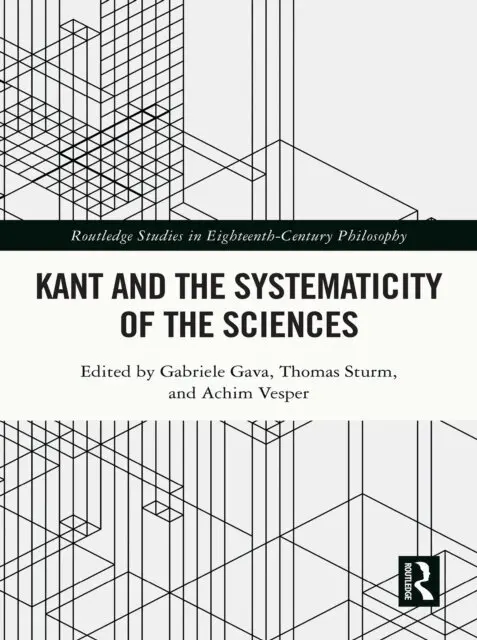
Kant and the Systematicity of the Sciences
Av Gabriele Gava, Thomas Sturm m. fl.
Inbunden, 2025
2516 kr
Lägg i varukorg
This book provides the first comprehensive discussion regarding the role that Kant ascribes to systematicity in the sciences. It considers not only what Kant has to say on systematicity in general, but also how the systematicity requirement for science is specified in different fields of …
Kant and the Systematicity of the Sciences
Av Gabriele Gava, Thomas Sturm m. fl.
Häftad, 2026
707 kr
Lägg i varukorg
This book provides the first comprehensive discussion regarding the role that Kant ascribes to systematicity in the sciences. It considers not only what Kant has to say on systematicity in general, but also how the systematicity requirement for science is specified in different fields of …
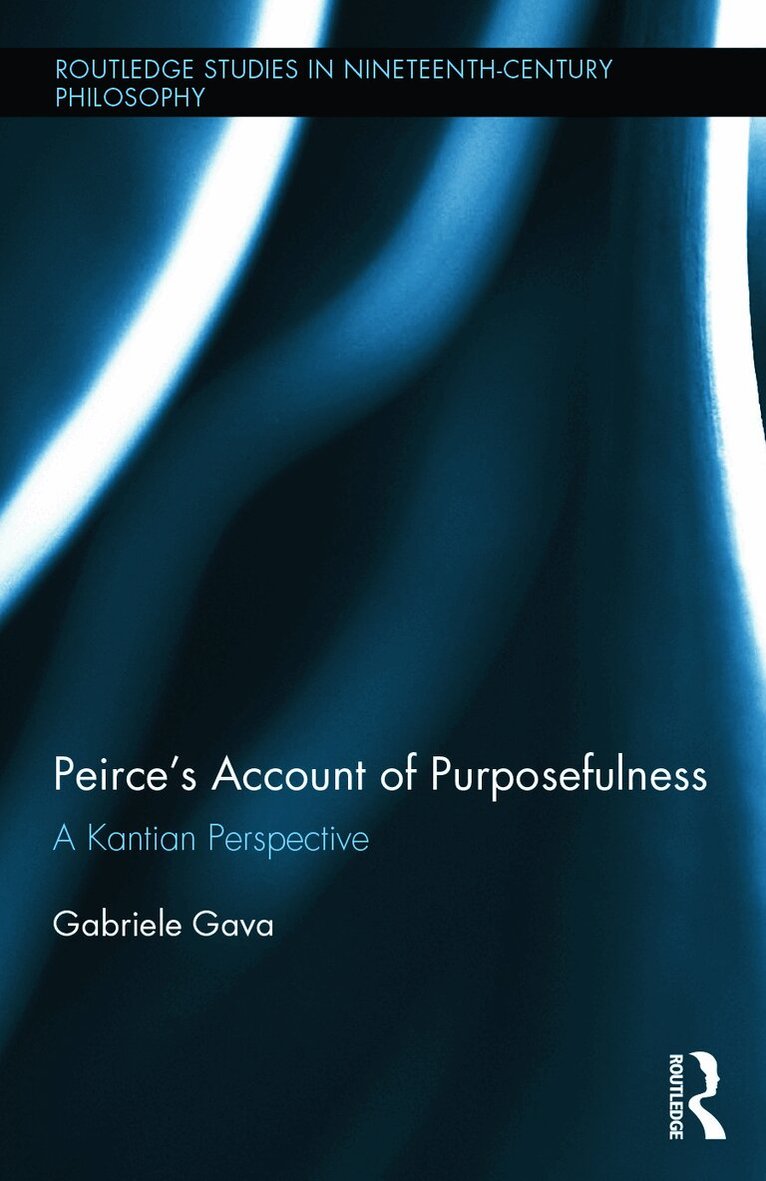
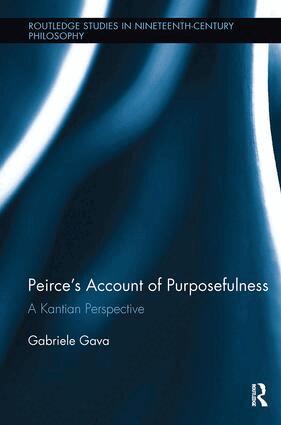
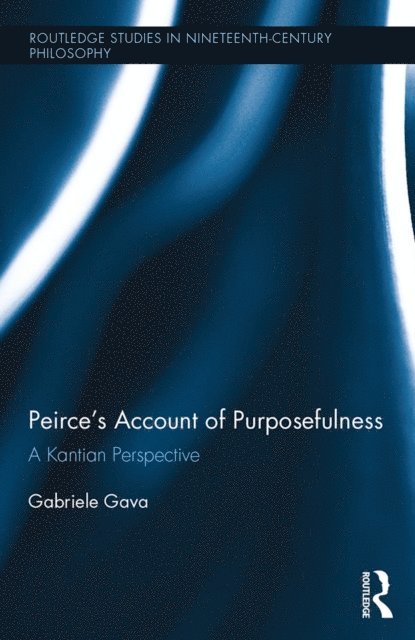
Peirce's Account of Purposefulness
A Kantian Perspective
Inbunden, 2014
2516 kr
Lägg i varukorg
This book presents a systematic interpretation of Charles S. Peirce’s work based on a Kantian understanding of his teleological account of thought and inquiry. Departing from readings that contrast Peirce’s treatment of purpose, end, and teleology with his early studies of Kant, Gabriele Gava …
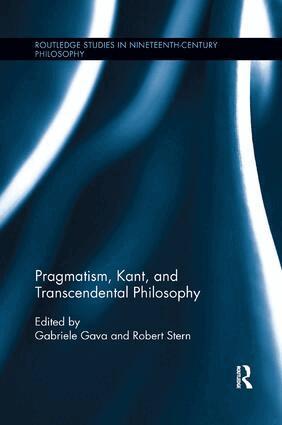
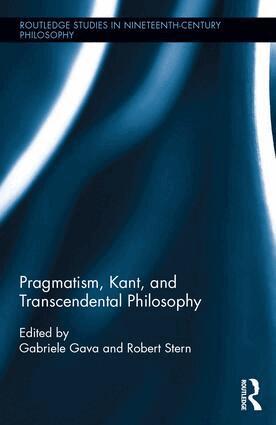
Pragmatism, Kant, and Transcendental Philosophy
Av Gabriele Gava, Robert Stern
Häftad, 2017
809 kr
Lägg i varukorg
Philosophers working within the pragmatist tradition have pictured their relation to Kant and Kantianism in very diverse terms: some have presented their work as an appropriation and development of Kantian ideas, some have argued that pragmatism is an approach in complete opposition to Kant. This …
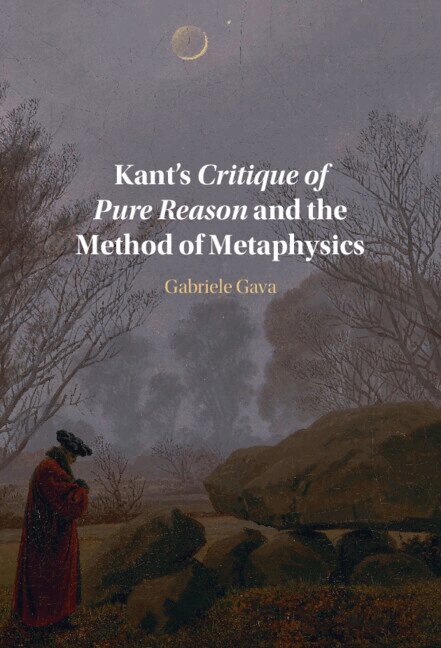
Kant's Critique of Pure Reason and the Method of Metaphysics
Inbunden, 2023
1592 kr
Lägg i varukorg
In two often neglected passages of the Critique of Pure Reason, Kant submits that the Critique is a 'treatise' or a 'doctrine of method'. These passages are puzzling because the Critique is only cursorily concerned with identifying adequate procedures of argument for philosophy. In this book, …
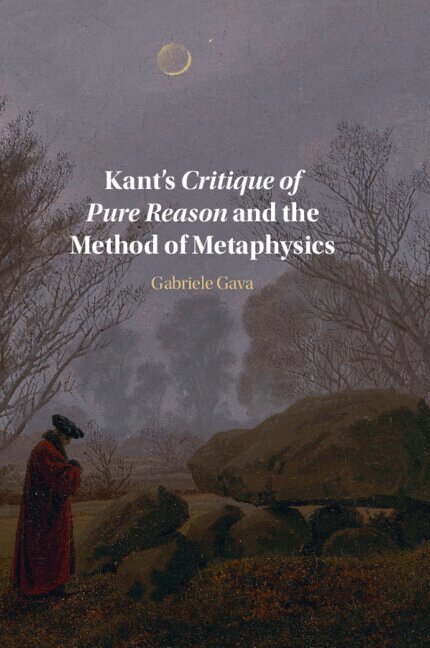
Kant's Critique of Pure Reason and the Method of Metaphysics
Häftad, 2025
422 kr
Lägg i varukorg
In two often neglected passages of the Critique of Pure Reason, Kant submits that the Critique is a 'treatise' or a 'doctrine of method'. These passages are puzzling because the Critique is only cursorily concerned with identifying adequate procedures of argument for philosophy. In this book, …
Kant and the Systematicity of the Sciences
Av Achim Vesper, Thomas Sturm m. fl.
E-bok, 2025
813 kr
Lägg i varukorg
This book provides the first comprehensive discussion regarding the role that Kant ascribes to systematicity in the sciences. It considers not only what Kant has to say on systematicity in general, but also how the systematicity requirement for science is specified in different fields of knowledge. …
Kant and the Systematicity of the Sciences
Av Achim Vesper, Thomas Sturm m. fl.
E-bok, 2025
831 kr
Lägg i varukorg
This book provides the first comprehensive discussion regarding the role that Kant ascribes to systematicity in the sciences. It considers not only what Kant has to say on systematicity in general, but also how the systematicity requirement for science is specified in different fields of knowledge. …
Peirce's Account of Purposefulness
A Kantian Perspective
Häftad, 2018
824 kr
Lägg i varukorg
This book presents a systematic interpretation of Charles S. Peirce’s work based on a Kantian understanding of his teleological account of thought and inquiry. Departing from readings that contrast Peirce’s treatment of purpose, end, and teleology with his early studies of Kant, Gabriele Gava …
Pragmatism, Kant, and Transcendental Philosophy
Av Gabriele Gava, Robert Stern
Inbunden, 2015
2754 kr
Lägg i varukorg
Philosophers working within the pragmatist tradition have pictured their relation to Kant and Kantianism in very diverse terms: some have presented their work as an appropriation and development of Kantian ideas, some have argued that pragmatism is an approach in complete opposition to Kant. This …
Pragmatism, Kant, and Transcendental Philosophy
Av Robert Stern, Gabriele Gava
E-bok, 2015
953 kr
Lägg i varukorg
Philosophers working within the pragmatist tradition have pictured their relation to Kant and Kantianism in very diverse terms: some have presented their work as an appropriation and development of Kantian ideas, some have argued that pragmatism is an approach in complete opposition to Kant. This …
Pragmatism, Kant, and Transcendental Philosophy
Av Robert Stern, Gabriele Gava
E-bok, 2015
953 kr
Lägg i varukorg
Philosophers working within the pragmatist tradition have pictured their relation to Kant and Kantianism in very diverse terms: some have presented their work as an appropriation and development of Kantian ideas, some have argued that pragmatism is an approach in complete opposition to Kant. This …
Peirce's Account of Purposefulness
A Kantian Perspective
E-bok, 2014
970 kr
Lägg i varukorg
This book presents a systematic interpretation of Charles S. Peirce’s work based on a Kantian understanding of his teleological account of thought and inquiry. Departing from readings that contrast Peirce’s treatment of purpose, end, and teleology with his early studies of Kant, Gabriele Gava …
Peirce's Account of Purposefulness
A Kantian Perspective
E-bok, 2014
949 kr
Lägg i varukorg
This book presents a systematic interpretation of Charles S. Peirce’s work based on a Kantian understanding of his teleological account of thought and inquiry. Departing from readings that contrast Peirce’s treatment of purpose, end, and teleology with his early studies of Kant, Gabriele Gava …