Gad Gilbar – författare
Visar alla böcker från författaren Gad Gilbar. Handla med fri frakt och snabb leverans.
6 produkter
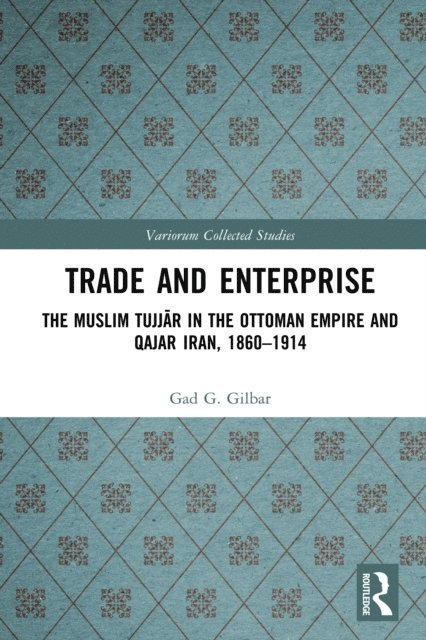
Trade and Enterprise
The Muslim Tujjar in the Ottoman Empire and Qajar Iran, 1860-1914
Av Gad Gilbar
E-bok, 2022
768 kr
Lägg i varukorg
Until recently, the historiography of Middle Eastern economic elites during the first globalization has ignored the significant role played by Muslim tujjār (big merchant-entrepreneurs). Foreign firms and local minorities were considered the prime agents of economic change and the initiators of …
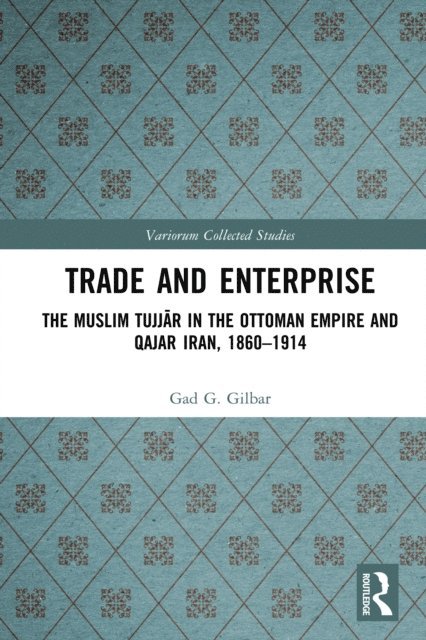
Trade and Enterprise
The Muslim Tujjar in the Ottoman Empire and Qajar Iran, 1860-1914
Av Gad Gilbar
E-bok, 2022
785 kr
Lägg i varukorg
Until recently, the historiography of Middle Eastern economic elites during the first globalization has ignored the significant role played by Muslim tujjār (big merchant-entrepreneurs). Foreign firms and local minorities were considered the prime agents of economic change and the initiators of …
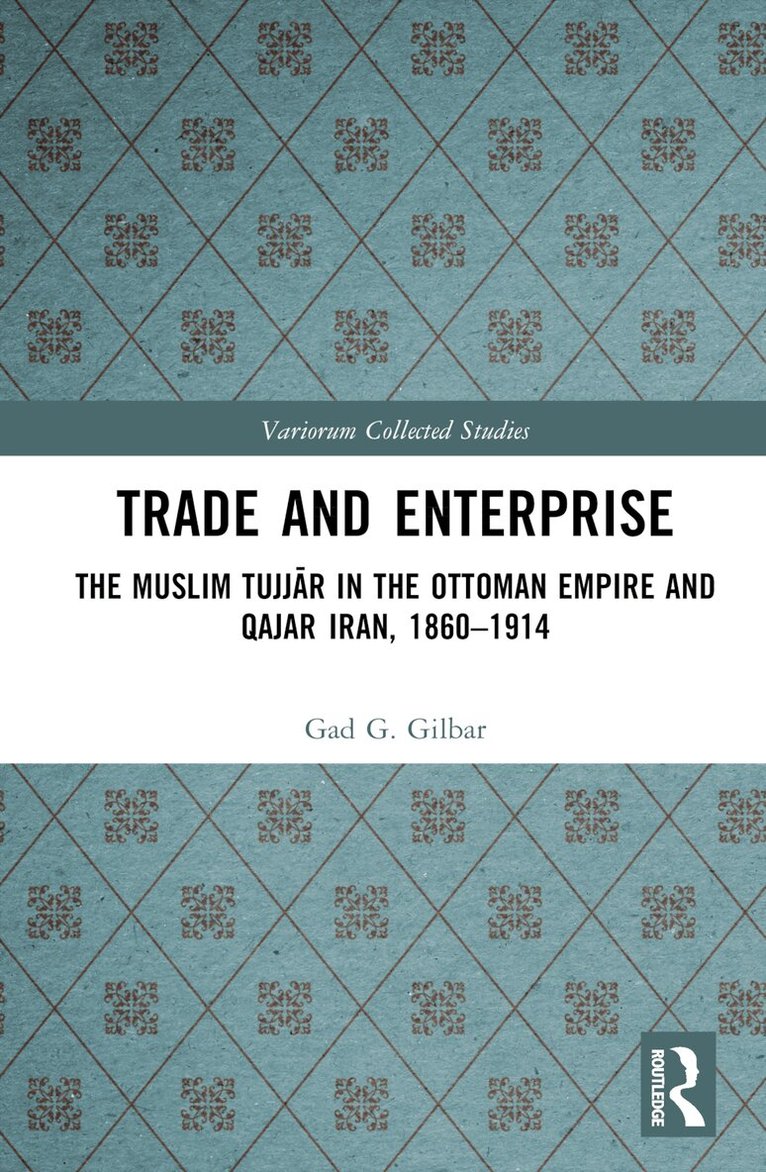
Trade and Enterprise
The Muslim Tujjar in the Ottoman Empire and Qajar Iran, 1860-1914
Av Gad Gilbar
Inbunden, 2022
2190 kr
Lägg i varukorg
Until recently, the historiography of Middle Eastern economic elites during the first globalization has ignored the significant role played by Muslim tujjār (big merchant-entrepreneurs). Foreign firms and local minorities were considered the prime agents of economic change and the initiators of …
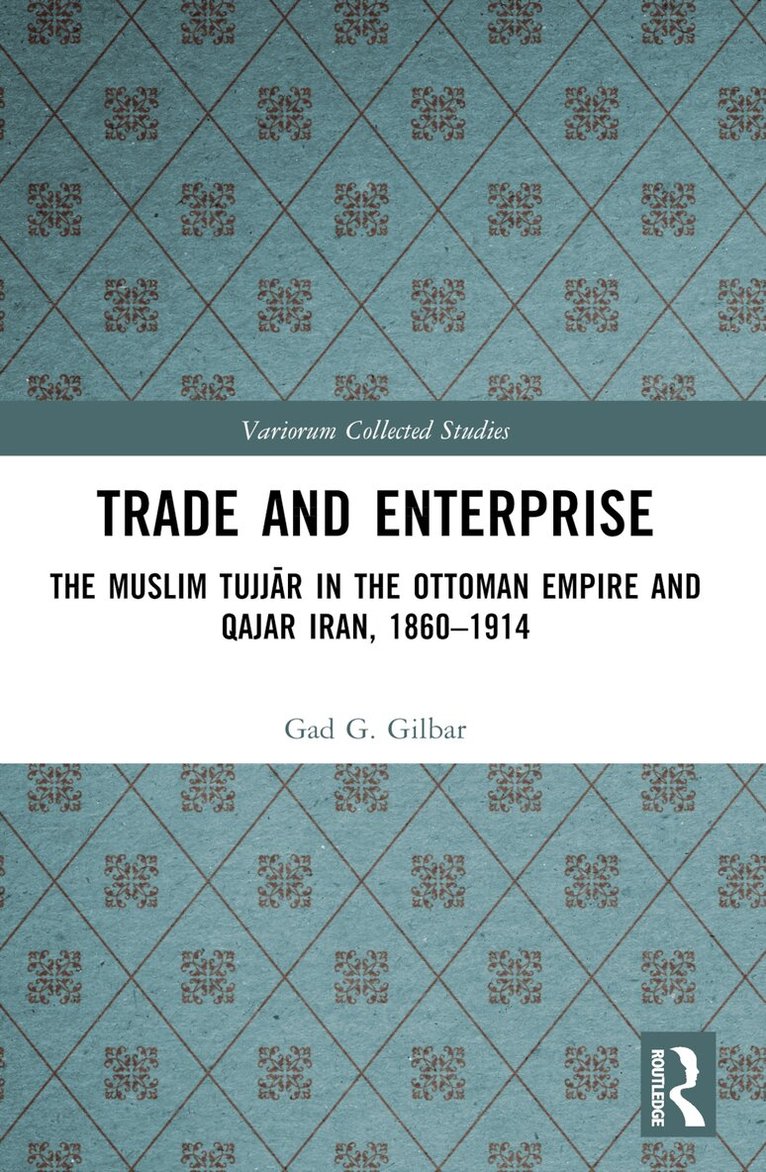
Trade and Enterprise
The Muslim Tujjar in the Ottoman Empire and Qajar Iran, 1860-1914
Av Gad Gilbar
Häftad, 2024
665 kr
Lägg i varukorg
Until recently, the historiography of Middle Eastern economic elites during the first globalization has ignored the significant role played by Muslim tujjār (big merchant-entrepreneurs). Foreign firms and local minorities were considered the prime agents of economic change and the initiators of …
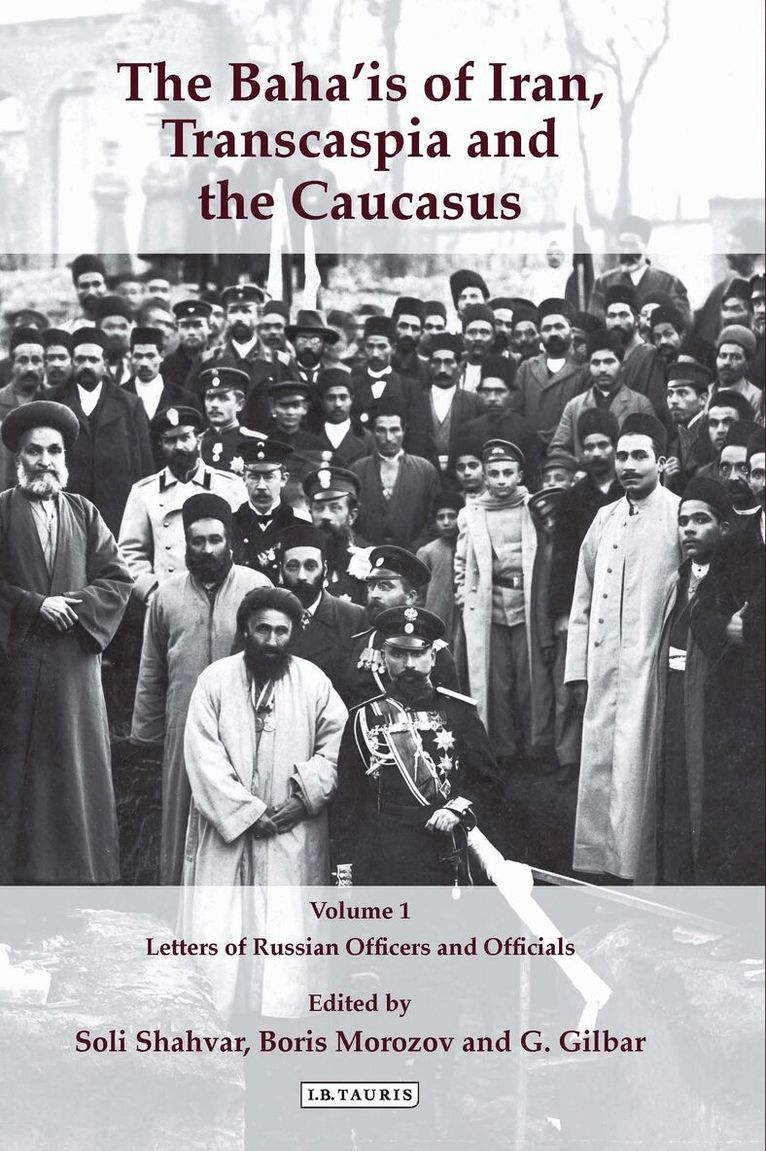
Baha'is of Iran, Transcaspia and the Caucasus: v. 1
Letters of Russian Officers and Officials
Av Soli Shahvar, Boris Morozov m. fl.
Inbunden, 2011
1979 kr
Lägg i varukorg
Despite growing interest in the Baha'is of Iran, research on the history of this often-persecuted minority community has been limited by the availability of sources. 'The Baha'is of Iran, Transcaspia and the Caucasus' will help to fill this gap by assembling for the first time original material …
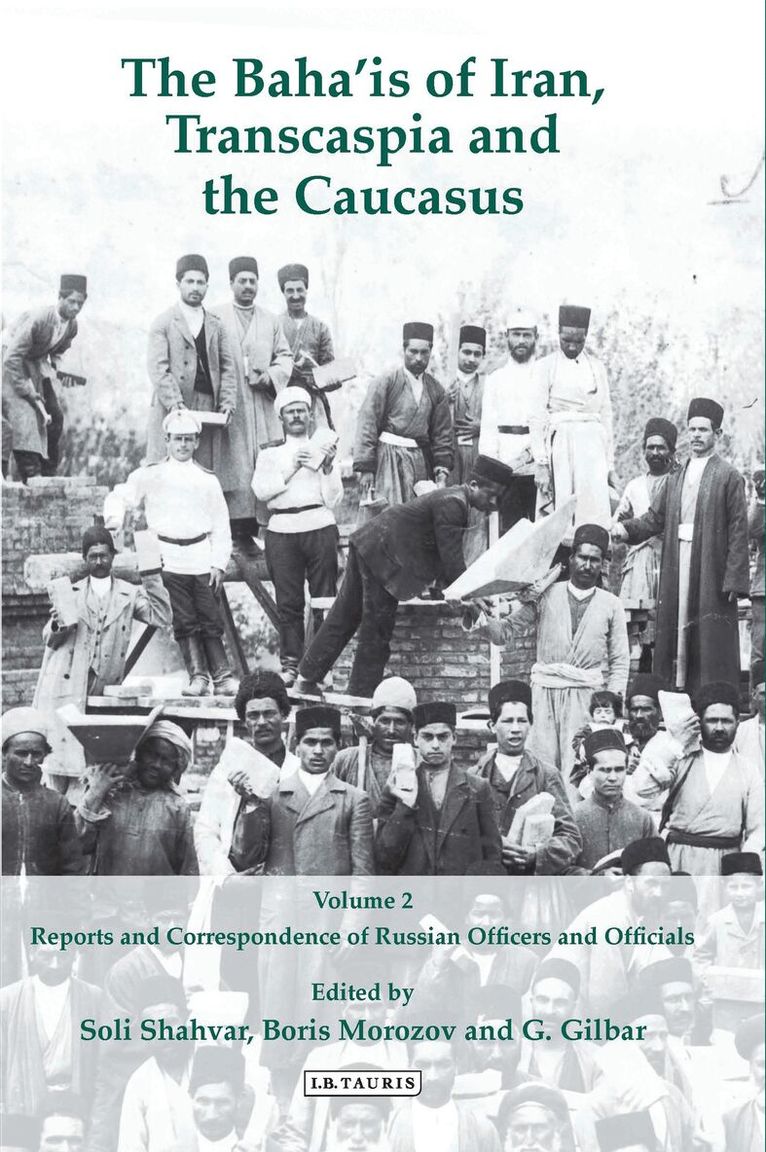
Baha'is of Iran, Transcaspia and the Caucasus: v. 2
Reports and Correspondence of Russian Officials
Av Soli Shahvar, Boris Morozov m. fl.
Inbunden, 2011
1979 kr
Lägg i varukorg
Despite growing interest in the Baha'is of Iran, research on the history of this often-persecuted minority community has been limited by the availability of primary sources. 'The Baha'is of Iran, Transcaspia and the Caucasus' will help to fill this gap by assembling for the first time diplomatic …