George Leu – författare
Visar alla böcker från författaren George Leu. Handla med fri frakt och snabb leverans.
7 produkter
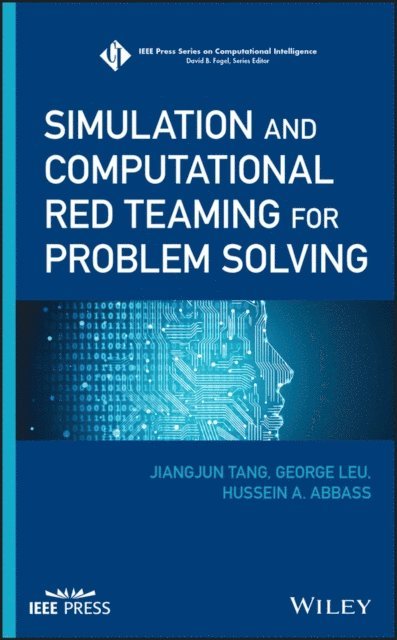
Simulation and Computational Red Teaming for Problem Solving
Av Hussein A. Abbass, George Leu m. fl.
E-bok, 2019
1913 kr
Lägg i varukorg
An authoritative guide to computer simulation grounded in a multi-disciplinary approach for solving complex problems Simulation and Computational Red Teaming for Problem Solving offers a review of computer simulation that is grounded in a multi-disciplinary approach. The authors present the …
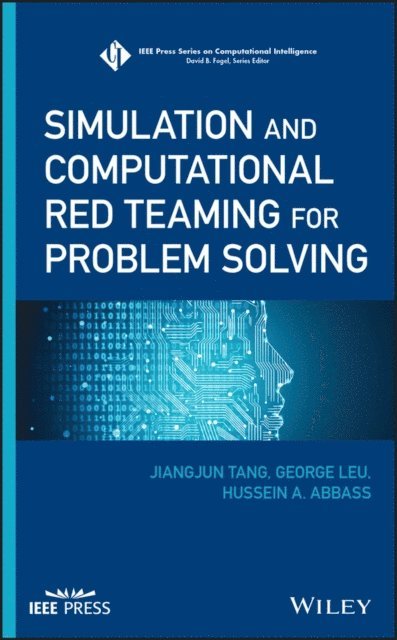
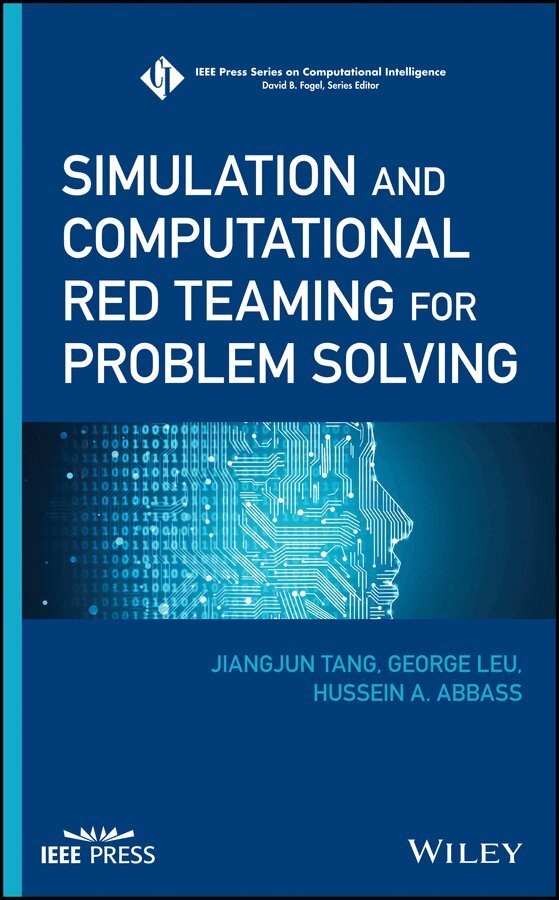
Simulation and Computational Red Teaming for Problem Solving
Av Jiangjun Tang, George Leu m. fl.
Inbunden, 2019
1687 kr
Lägg i varukorg
An authoritative guide to computer simulation grounded in a multi-disciplinary approach for solving complex problemsSimulation and Computational Red Teaming for Problem Solving offers a review of computer simulation that is grounded in a multi-disciplinary approach. The authors present the …
Simulation and Computational Red Teaming for Problem Solving
Av Hussein A. Abbass, George Leu m. fl.
E-bok, 2019
1898 kr
Lägg i varukorg
An authoritative guide to computer simulation grounded in a multi-disciplinary approach for solving complex problems Simulation and Computational Red Teaming for Problem Solving offers a review of computer simulation that is grounded in a multi-disciplinary approach. The authors present the …
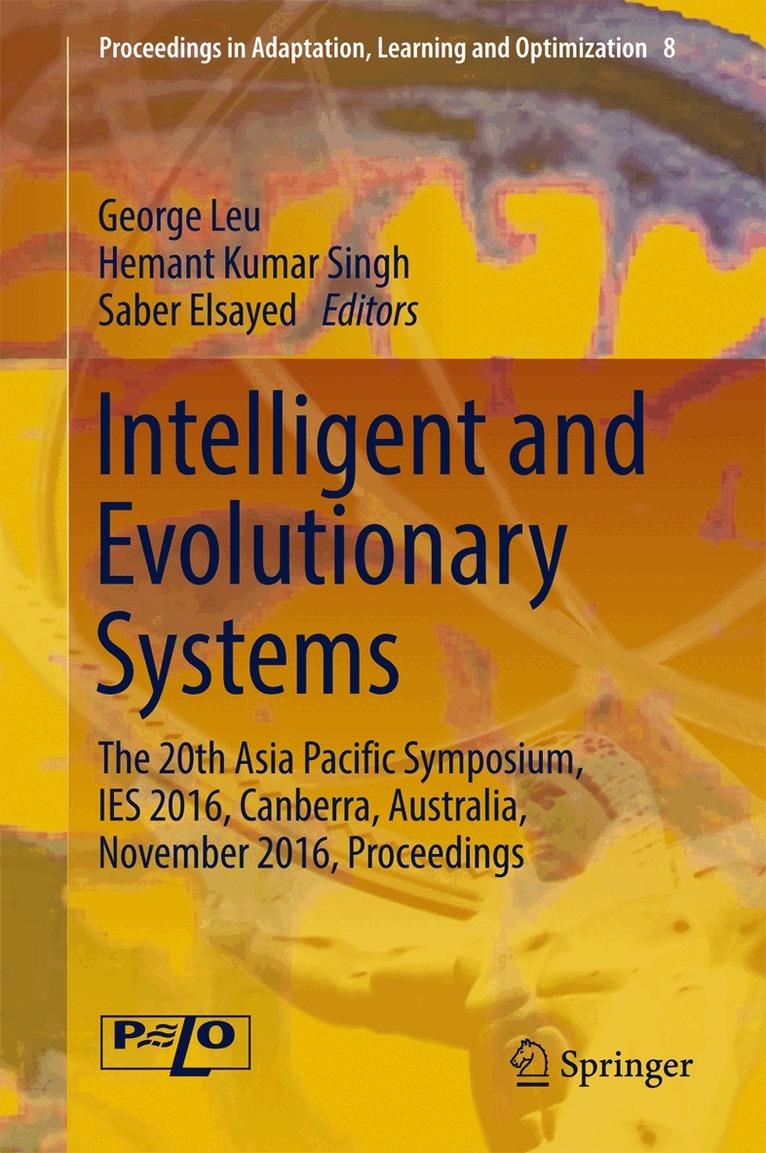
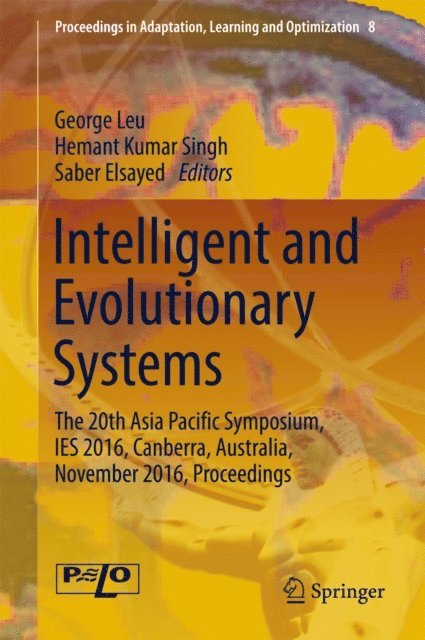
Intelligent and Evolutionary Systems
The 20th Asia Pacific Symposium, IES 2016, Canberra, Australia, November 2016, Proceedings
Av George Leu, Hemant Kumar Singh m. fl.
Inbunden, 2016
2254 kr
Lägg i varukorg
Over the last two decades the field of Intelligent Systems delivered to human kind significant achievements, while also facing major transformations. 20 years ago, automation and knowledge-based AI were still the dominant paradigms fueling the efforts of both researchers and practitioners. Later, …
Intelligent and Evolutionary Systems
The 20th Asia Pacific Symposium, IES 2016, Canberra, Australia, November 2016, Proceedings
Av Saber Elsayed, Hemant Kumar Singh m. fl.
E-bok, 2016
2948 kr
Lägg i varukorg
Over the last two decades the field of Intelligent Systems delivered to human kind significant achievements, while also facing major transformations. 20 years ago, automation and knowledge-based AI were still the dominant paradigms fueling the efforts of both researchers and practitioners. Later, …
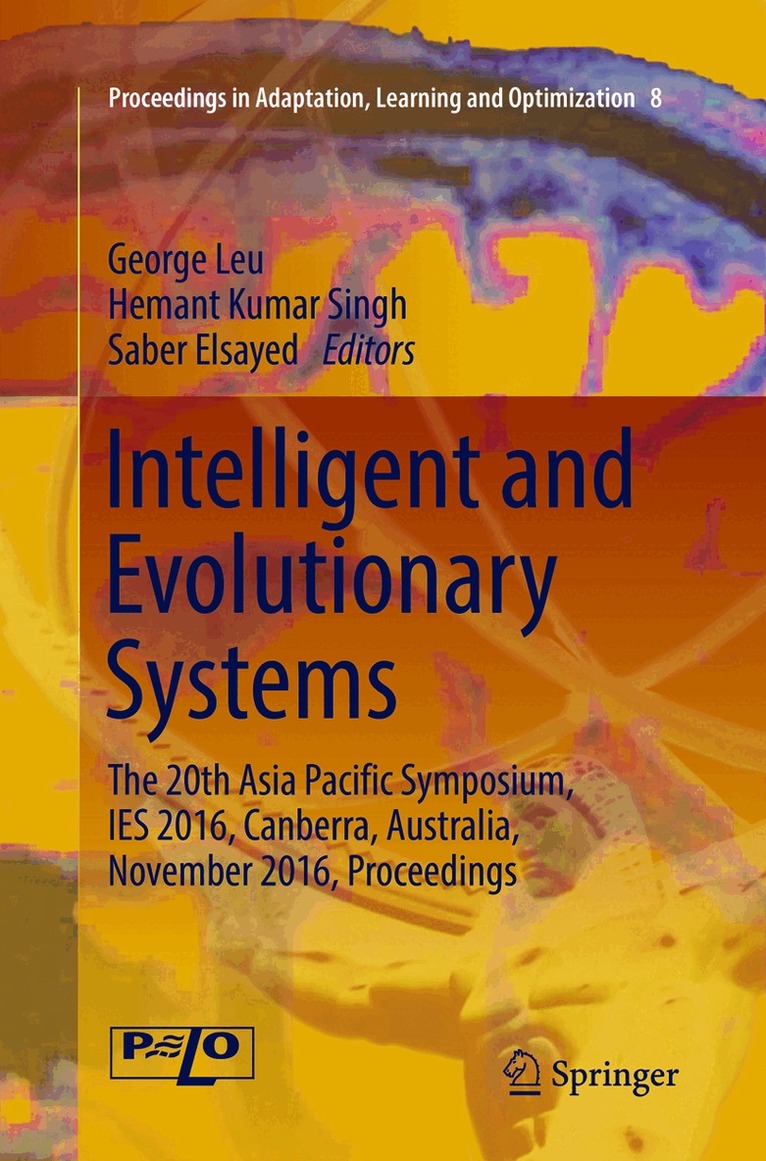
Intelligent and Evolutionary Systems
The 20th Asia Pacific Symposium, IES 2016, Canberra, Australia, November 2016, Proceedings
Av George Leu, Hemant Kumar Singh m. fl.
Häftad, 2018
2254 kr
Lägg i varukorg
Over the last two decades the field of Intelligent Systems delivered to human kind significant achievements, while also facing major transformations. 20 years ago, automation and knowledge-based AI were still the dominant paradigms fueling the efforts of both researchers and practitioners. Later, …
Simulation and Computational Red Teaming for Problem Solving oBook WOL(PDF)
Av Jiangjun Tang, George Leu m. fl.
2019
1989 kr
Tillfälligt slut