George T. Sipos – författare
Visar alla böcker från författaren George T. Sipos. Handla med fri frakt och snabb leverans.
7 produkter
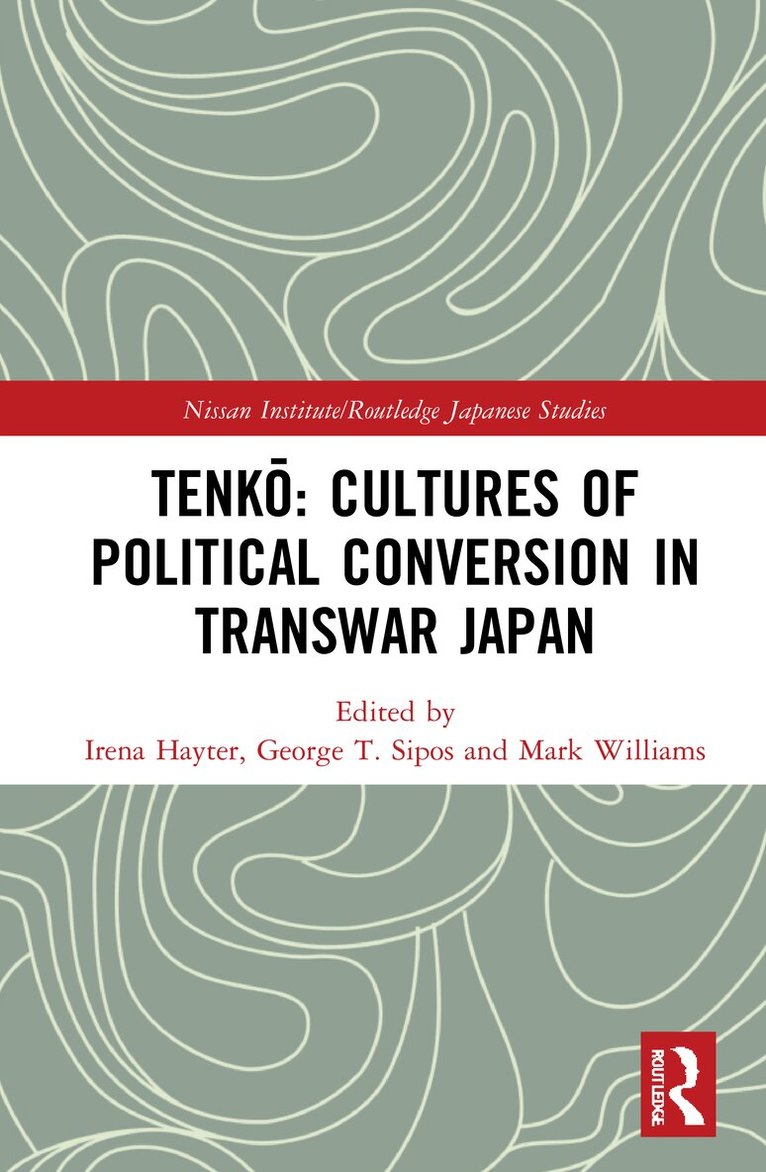
Tenkō: Cultures of Political Conversion in Transwar Japan
Av Irena Hayter, George T. Sipos m. fl.
Inbunden, 2021
2879 kr
Lägg i varukorg
This book approaches the concept of tenkō (political conversion) as a response to the global crisis of interwar modernity, as opposed to a distinctly Japanese experience in postwar debates.Tenkō connotes the expressions of ideological conversion performed by members of the Japanese Communist Party, …
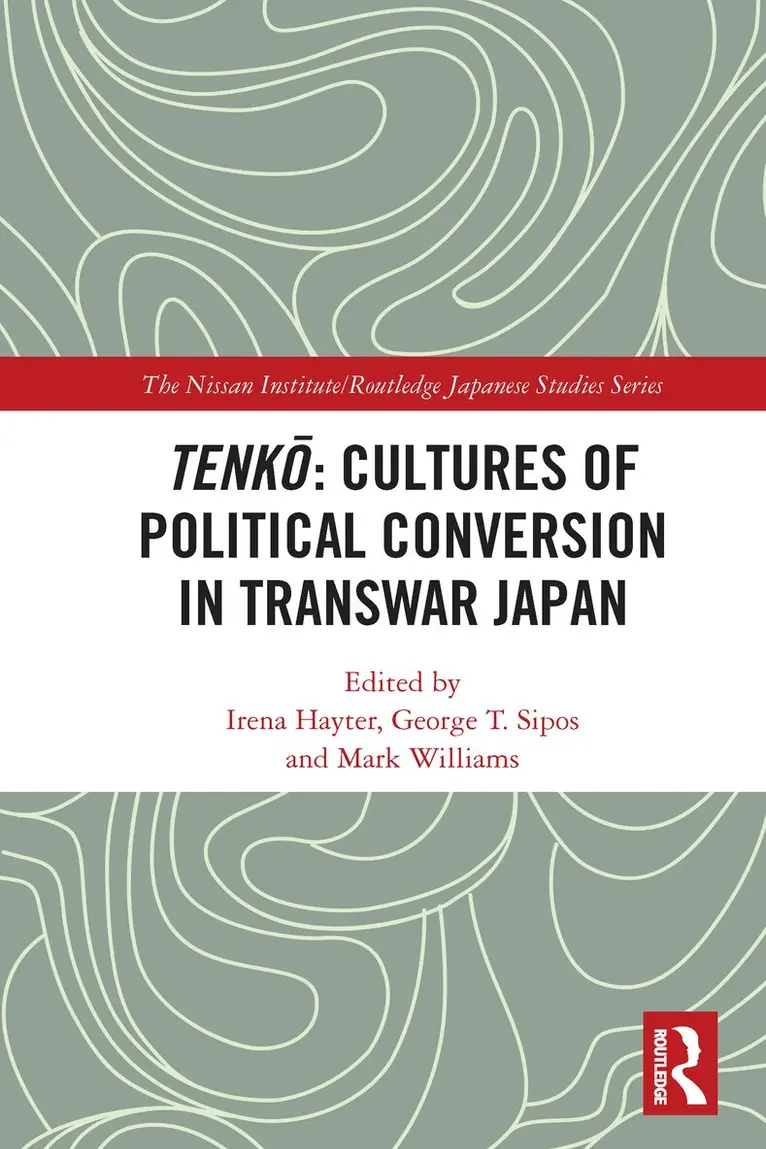
Tenkō: Cultures of Political Conversion in Transwar Japan
Av Irena Hayter, George T. Sipos m. fl.
Häftad, 2021
709 kr
Lägg i varukorg
This book approaches the concept of tenkō (political conversion) as a response to the global crisis of interwar modernity, as opposed to a distinctly Japanese experience in postwar debates.Tenkō connotes the expressions of ideological conversion performed by members of the Japanese Communist Party, …
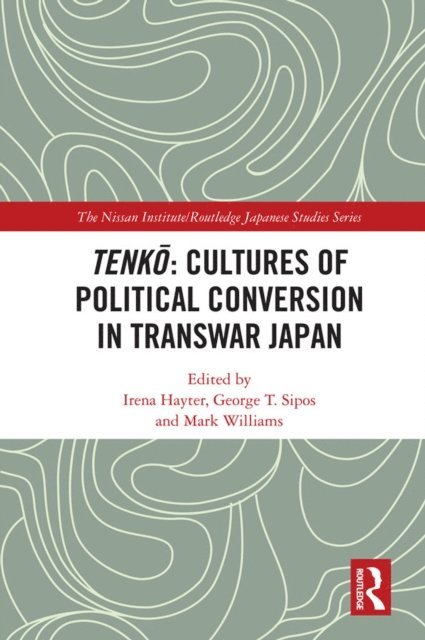
Tenko: Cultures of Political Conversion in Transwar Japan
Av Mark Williams, George T. Sipos m. fl.
E-bok, 2021
837 kr
Lägg i varukorg
This book approaches the concept of tenkō (political conversion) as a response to the global crisis of interwar modernity, as opposed to a distinctly Japanese experience in postwar debates. Tenkō connotes the expressions of ideological conversion performed by members of the Japanese Communist …
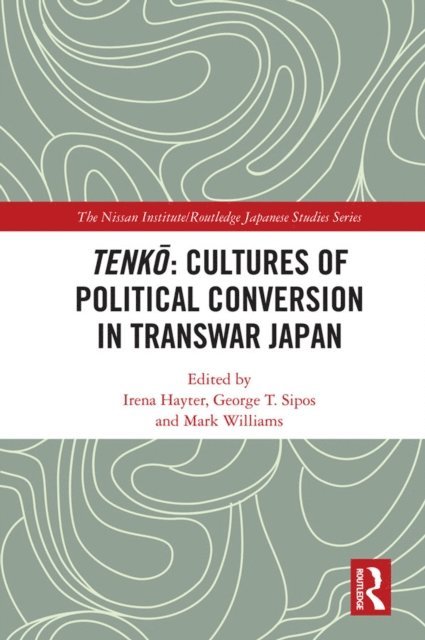
Tenko: Cultures of Political Conversion in Transwar Japan
Av Mark Williams, George T. Sipos m. fl.
E-bok, 2021
810 kr
Lägg i varukorg
This book approaches the concept of tenkō (political conversion) as a response to the global crisis of interwar modernity, as opposed to a distinctly Japanese experience in postwar debates. Tenkō connotes the expressions of ideological conversion performed by members of the Japanese Communist …
Literary and Artistic Japan behind the Iron Curtain
Av George T. Sipos, Irina Holca
E-bok, 2025
956 kr
Lägg i varukorg
This book examines the public perception, scholarly reception, and critical analysis of Japan through translations of its literature and artistic endeavors within the temporal frame and geopolitical confines of the countries that were either occupied or left under the influence of the Soviet Union …
Literary and Artistic Japan behind the Iron Curtain
Av George T. Sipos, Irina Holca
E-bok, 2025
935 kr
Lägg i varukorg
This book examines the public perception, scholarly reception, and critical analysis of Japan through translations of its literature and artistic endeavors within the temporal frame and geopolitical confines of the countries that were either occupied or left under the influence of the Soviet Union …
Literary and Artistic Japan behind the Iron Curtain
Av Irina Holca, George T. Sipos
Inbunden, 2025
2879 kr
Lägg i varukorg
This book examines the public perception, scholarly reception, and critical analysis of Japan through translations of its literature and artistic endeavors within the temporal frame and geopolitical confines of the countries that were either occupied or left under the influence of the Soviet Union …