Georgi Derluguian - Böcker
Visar alla böcker från författaren Georgi Derluguian. Handla med fri frakt och snabb leverans.
8 produkter
8 produkter
1 801 kr
Skickas inom 5-8 vardagar
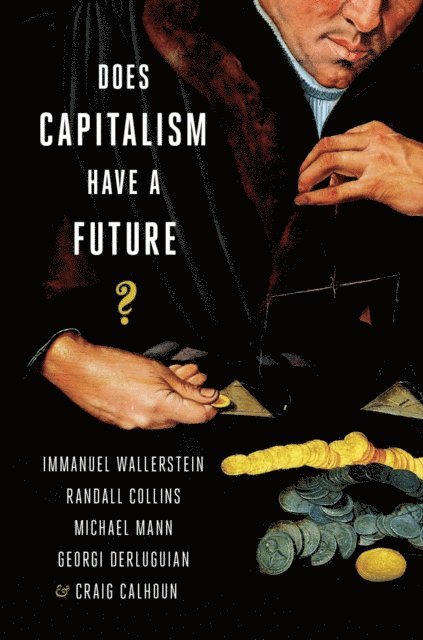
The Great Recession has prompted a reassessment of the specific mode of capitalist accumulation that achieved dominance in the era of globalization. Yet just about all of this literature has focused on one of two issues: why things went wrong, and what we need to do in order to return the system to stability. Outside of a contingent of radical socialists on the fringes of the debate, virtually no one questioned whether capitalism could continue. In Does Capitalism Have a Future?, the prominent theorist Georgi Derleugian has gathered together a quintet of eminent macrosociologists to assess whether the capitalist system can survive. The prevalent common wisdom, for all its current gloom, nevertheless safely assumes that capitalism cannot break down permanently because there is no alternative. The authors shatter this assumption, arguing that this generalization is not supported by theory but is rather an outgrowth of the optimistic nineteenth-century claim that human history ascends through stages to an enlightened equilibrium of liberal capitalism. Yet as they point out, just about all major historical systems have broken down in the end (e.g., the Roman empire). In the modern epoch there have been several cataclysmic events-notably the French revolution, World War I, and the collapse of the Soviet bloc--that came to pass mainly because contemporary political elites had spectacularly failed to calculate the consequences of the processes they presumed to govern. At present, none of our governing elites and very few of our intellectuals can fathom an ending to our current reigning system. Considering whether a collapse is possible is the task that the quintet--Derleugian, Michael Mann, Randall Collins, Craig Calhoun, and Immanuel Wallerstein--sets out to explore. While all of the contributors arrive at different conclusions, they are in constant dialogue with each other and therefore able to construct relatively seamless--if open-ended--whole. For instance, Wallerstein (who accurately predicted the collapse of the Soviet system in 1979) and Collins, identify fatal structural faults in twenty-first century capitalism. Mann, on the other hand, does not think that there is any serious alternative to the market dynamic, but he does identify other serious threats to the system, including environmental degradation. Calhoun and Derluguian are more circumspect and focus on the role of politics in steering the system toward either revival or collapse.This most ambitious of books, written by the highest caliber of sociologists, asks the biggest of questions: are we on the cusp of a radical world historical shift or not?
355 kr
Skickas inom 5-8 vardagar
The Great Recession has prompted a reassessment of the specific mode of capitalist accumulation that achieved dominance in the era of globalization. Yet just about all of this literature has focused on one of two issues: why things went wrong, and what we need to do in order to return the system to stability. Outside of a contingent of radical socialists on the fringes of the debate, virtually no one questioned whether capitalism could continue. In Does Capitalism Have a Future?, the prominent theorist Georgi Derleugian has gathered together a quintet of eminent macrosociologists to assess whether the capitalist system can survive. The prevalent common wisdom, for all its current gloom, nevertheless safely assumes that capitalism cannot break down permanently because there is no alternative. The authors shatter this assumption, arguing that this generalization is not supported by theory but is rather an outgrowth of the optimistic nineteenth-century claim that human history ascends through stages to an enlightened equilibrium of liberal capitalism. Yet as they point out, just about all major historical systems have broken down in the end (e.g., the Roman empire). In the modern epoch there have been several cataclysmic events-notably the French revolution, World War I, and the collapse of the Soviet bloc--that came to pass mainly because contemporary political elites had spectacularly failed to calculate the consequences of the processes they presumed to govern. At present, none of our governing elites and very few of our intellectuals can fathom an ending to our current reigning system. Considering whether a collapse is possible is the task that the quintet--Derleugian, Michael Mann, Randall Collins, Craig Calhoun, and Immanuel Wallerstein--sets out to explore. While all of the contributors arrive at different conclusions, they are in constant dialogue with each other and therefore able to construct relatively seamless--if open-ended--whole. For instance, Wallerstein (who accurately predicted the collapse of the Soviet system in 1979) and Collins, identify fatal structural faults in twenty-first century capitalism. Mann, on the other hand, does not think that there is any serious alternative to the market dynamic, but he does identify other serious threats to the system, including environmental degradation. Calhoun and Derluguian are more circumspect and focus on the role of politics in steering the system toward either revival or collapse.This most ambitious of books, written by the highest caliber of sociologists, asks the biggest of questions: are we on the cusp of a radical world historical shift or not?
912 kr
Skickas inom 10-15 vardagar
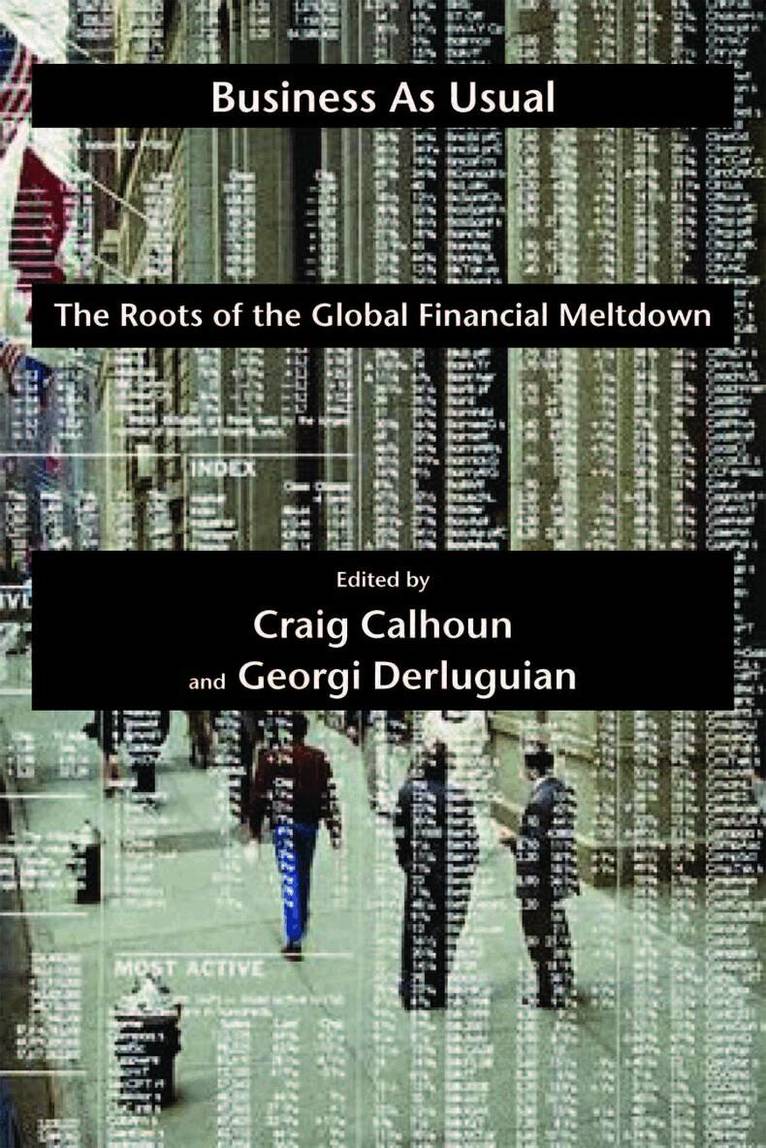
Situates the current crisis in the historical trajectory of the capitalist world-system, showing how the crisis was made possible not only by neoliberal financial reforms but by a massive turn away from manufacturing things of value towards seeking profit from financial exchange and credit. Much more basic than the result of a few financial traders cheating the system, this is a potential historical turning point. In original essays, the contributors establish why the system was ripe for crisis of the past, and yet why this meltdown was different. The volume concludes by asking whether as deep as the crisis is, it may contain seeds of a new global economy, what role the US will play, and whether China or other countries will rise to global leadership.Contributors include: Giovanni Arrighi, Gopal Balakrishnan, Manuel Castells, Daniel Chirot, Fernando Coronil, Nancy Fraser, James K. Galbraith, David Harvey, Caglar Keyder, Beverly J. Silver, and Immanuel Wallerstein.The three volumes can purchased individually or as a set.Business as Usual is the first part of a trilogy comprised of the first three books in the Possible Future series. Volume 1: Business as UsualVolume 2: The Deepening CrisisVolume 3: AftermathThe three volumes are linked by a common introduction and can be purchased individually or as a set.
361 kr
Skickas inom 7-10 vardagar
Situates the current crisis in the historical trajectory of the capitalist world-system, showing how the crisis was made possible not only by neoliberal financial reforms but by a massive turn away from manufacturing things of value towards seeking profit from financial exchange and credit. Much more basic than the result of a few financial traders cheating the system, this is a potential historical turning point. In original essays, the contributors establish why the system was ripe for crisis of the past, and yet why this meltdown was different. The volume concludes by asking whether as deep as the crisis is, it may contain seeds of a new global economy, what role the US will play, and whether China or other countries will rise to global leadership.Contributors include: Giovanni Arrighi, Gopal Balakrishnan, Manuel Castells, Daniel Chirot, Fernando Coronil, Nancy Fraser, James K. Galbraith, David Harvey, Caglar Keyder, Beverly J. Silver, and Immanuel Wallerstein.The three volumes can purchased individually or as a set.Business as Usual is the first part of a trilogy comprised of the first three books in the Possible Future series. Volume 1: Business as UsualVolume 2: The Deepening CrisisVolume 3: AftermathThe three volumes are linked by a common introduction and can be purchased individually or as a set.
871 kr
Skickas inom 10-15 vardagar
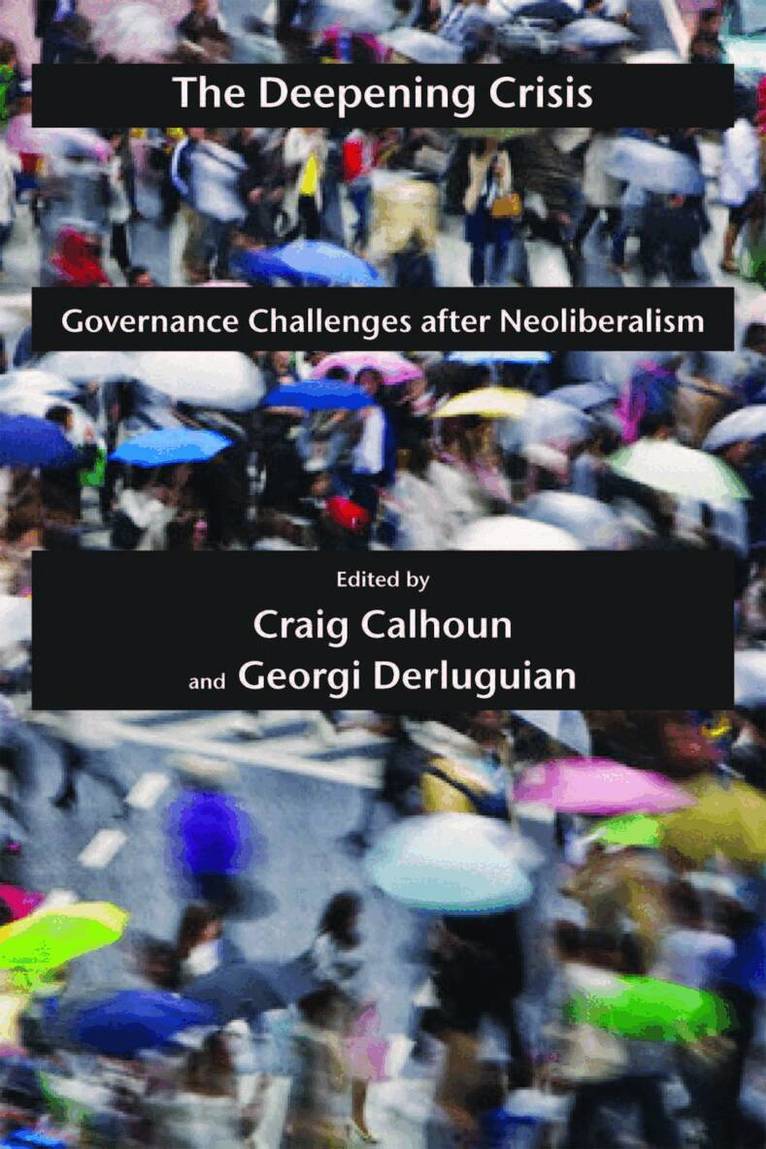
Response to financial meltdown is entangled with basic challenges to global governance. Environment, global security and ethnicity and nationalism are all global issues today. Focusing on the political and social dimensions of the crisis, contributors examine changes in relationships between the world's richer and poorer countries, efforts to strengthen global institutions, and difficulties facing states trying to create stability for their citizens.Contributors include: William Barnes, Rogers Brubaker, Vincent Della Sala, Nils Gilman, David Held, Mary Kaldor, Adrian Pabst, Ravi Sundaram, Vadim Volkov, Michael Watts, and Kevin Young. The Deepening Crisis is the second part of a trilogy comprised of the first three books in the Possible Future series. Volume 1: Business as UsualVolume 2: The Deepening CrisisVolume 3: AftermathThe three volumes are linked by a common introduction and can be purchased individually or as a set.
372 kr
Skickas inom 7-10 vardagar
Response to financial meltdown is entangled with basic challenges to global governance. Environment, global security and ethnicity and nationalism are all global issues today. Focusing on the political and social dimensions of the crisis, contributors examine changes in relationships between the world's richer and poorer countries, efforts to strengthen global institutions, and difficulties facing states trying to create stability for their citizens.Contributors include: William Barnes, Rogers Brubaker, Vincent Della Sala, Nils Gilman, David Held, Mary Kaldor, Adrian Pabst, Ravi Sundaram, Vadim Volkov, Michael Watts, and Kevin Young. The Deepening Crisis is the second part of a trilogy comprised of the first three books in the Possible Future series. Volume 1: Business as UsualVolume 2: The Deepening CrisisVolume 3: AftermathThe three volumes are linked by a common introduction and can be purchased individually or as a set.
912 kr
Skickas inom 10-15 vardagar
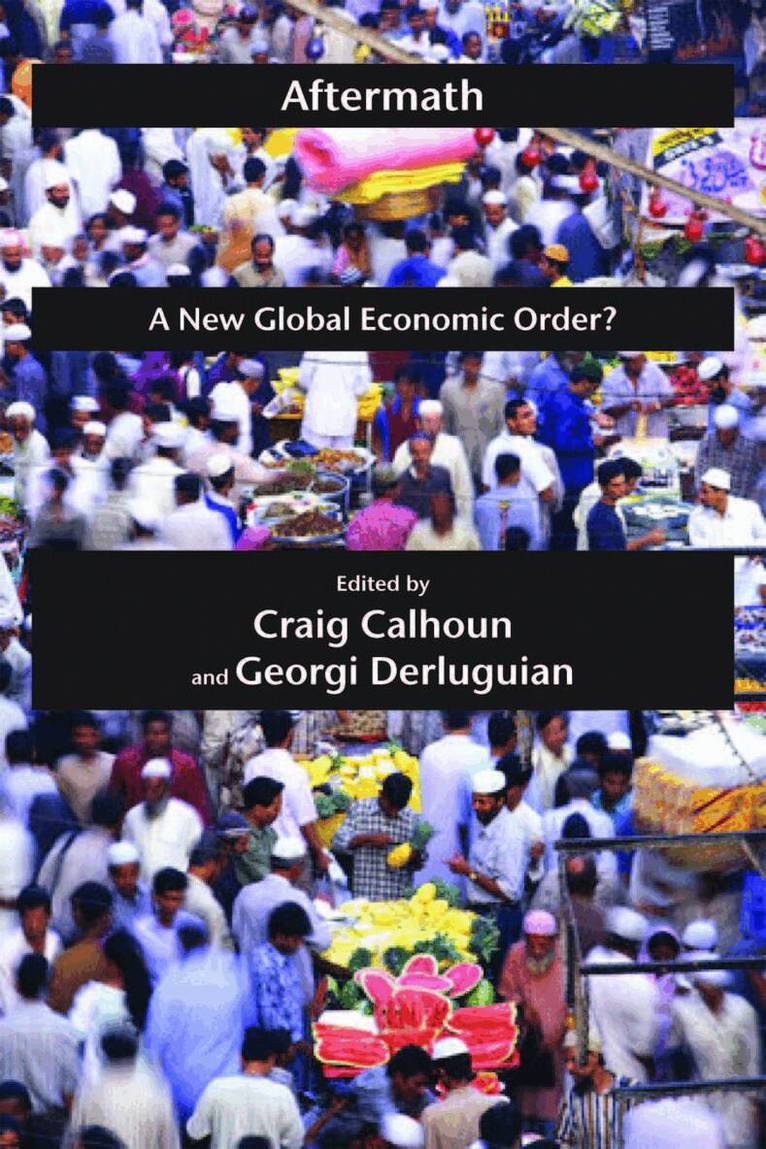
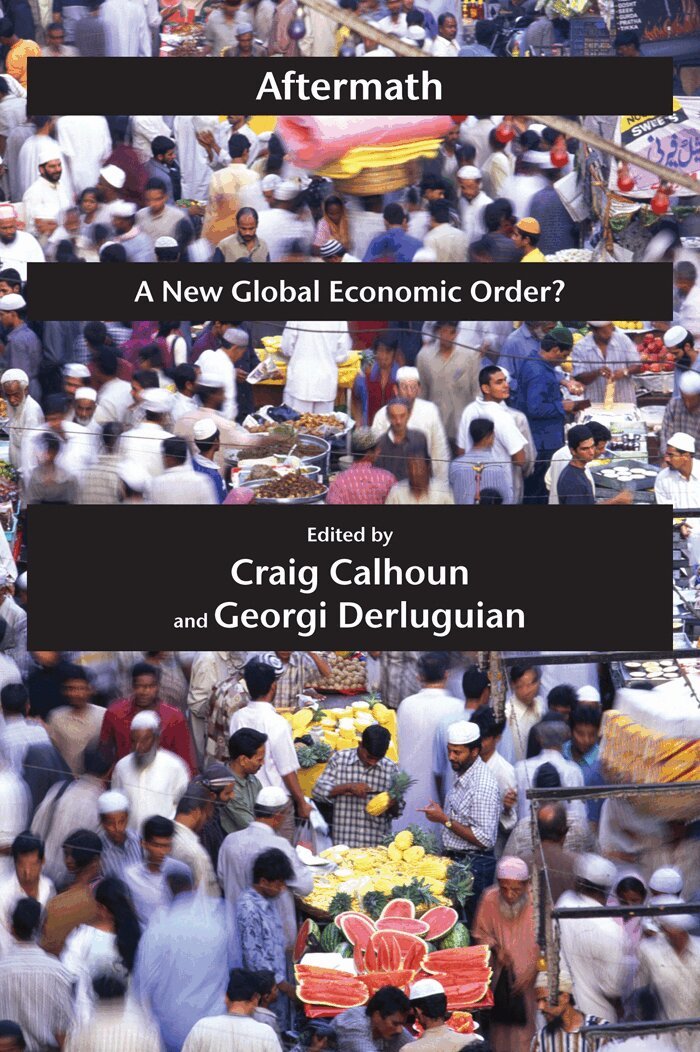
The global financial crisis showed deep problems with mainstream economic predictions, as well as the vulnerability of the world's richest countries and the enormous potential of some poorer ones. China, India, Brazil, and other counties are growing faster than Europe or America and have weathered the crisis better. Is their growth due to following conventional economic guidelines or to strong state leadership and sometimes protectionism? These issues are basic to the question of which countries will grow in comind decades, as well as the likely conflicts over global trade policy, currency standards, and economic cooperation.Contributors include: Ha-Joon Chang, Piotr Dutkiewicz, Alexis Habiyaremye, James K. Galbraith, Grzegorz Gorzelak, Jomo Kwame Sundaram, Manuel Montes, Vladimir Popov, Felice Noelle Rodriguez, Dani Rodrik, Saskia Sassen, Luc Soete, and R. Bin Wong.Aftermath is the third part of a trilogy comprised of the first three books in the Possible Future series. Volume 1: Business as UsualVolume 2: The Deepening CrisisVolume 3: AftermathThe three volumes are linked by a common introduction and can be purchased individually or as a set.
361 kr
Skickas inom 7-10 vardagar
The global financial crisis showed deep problems with mainstream economic predictions, as well as the vulnerability of the world's richest countries and the enormous potential of some poorer ones. China, India, Brazil, and other counties are growing faster than Europe or America and have weathered the crisis better. Is their growth due to following conventional economic guidelines or to strong state leadership and sometimes protectionism? These issues are basic to the question of which countries will grow in comind decades, as well as the likely conflicts over global trade policy, currency standards, and economic cooperation.Contributors include: Ha-Joon Chang, Piotr Dutkiewicz, Alexis Habiyaremye, James K. Galbraith, Grzegorz Gorzelak, Jomo Kwame Sundaram, Manuel Montes, Vladimir Popov, Felice Noelle Rodriguez, Dani Rodrik, Saskia Sassen, Luc Soete, and R. Bin Wong.Aftermath is the third part of a trilogy comprised of the first three books in the Possible Future series. Volume 1: Business as UsualVolume 2: The Deepening CrisisVolume 3: AftermathThe three volumes are linked by a common introduction and can be purchased individually or as a set.