Giacomo Macola - Böcker
Visar alla böcker från författaren Giacomo Macola. Handla med fri frakt och snabb leverans.
9 produkter
9 produkter
Del 15 - Fontes Historiae Africanae
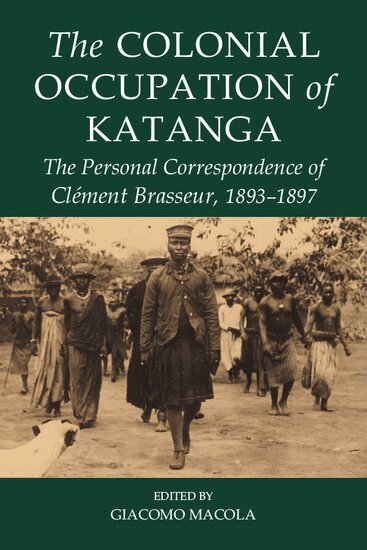
The Colonial Occupation of Katanga
The Personal Correspondence of Clément Brasseur, 1893-1897
Inbunden, Engelska, 2018
1 823 kr
Skickas inom 7-10 vardagar
The Colonial Occupation of Katanga consists of a translated and richly annotated edition of the personal correspondence of Lieutenant (later Captain) Clément Brasseur, the military officer in charge of Lofoi, the first post of the Congo Free State in Katanga. The letters date from September 1893, the month of his arrival in the region, and continue up to 9 November 1897, the day before his career of conquest and subjugation came to a violent end outside the trader Kiwala's fortified camp on the Luapula River. All of the seventeen long letters included in the volume are addressed to Brasseur's elder brother, Désiré, a fellow military officer; most of them take the form of regularly updated journals and travelogues.Brasseur's dense personal correspondence describes in exceptional detail both his day-to-day activities and administrative determinations and the numerous military operations that he and/or his local allies undertook with a view to impressing upon Katangese communities the need to comply with instructions relating to taxation in kind and labour. The striking candidness and directness of the records presented in this edition challenge top-down understandings of the violent workings of the Congo Free State, cast unprecedented light on early colonial state-building in Katanga and show that the latter process was deeply informed by African strategies and interests. These themes are systematically pursued in the volume's extensive introduction, which advances the idea that the Congo Free State is best understood as a continuation of the nineteenth-century warlord order in Central Africa, rather than the embodiment of a 'modern' colonial project.
990 kr
Skickas inom 10-15 vardagar
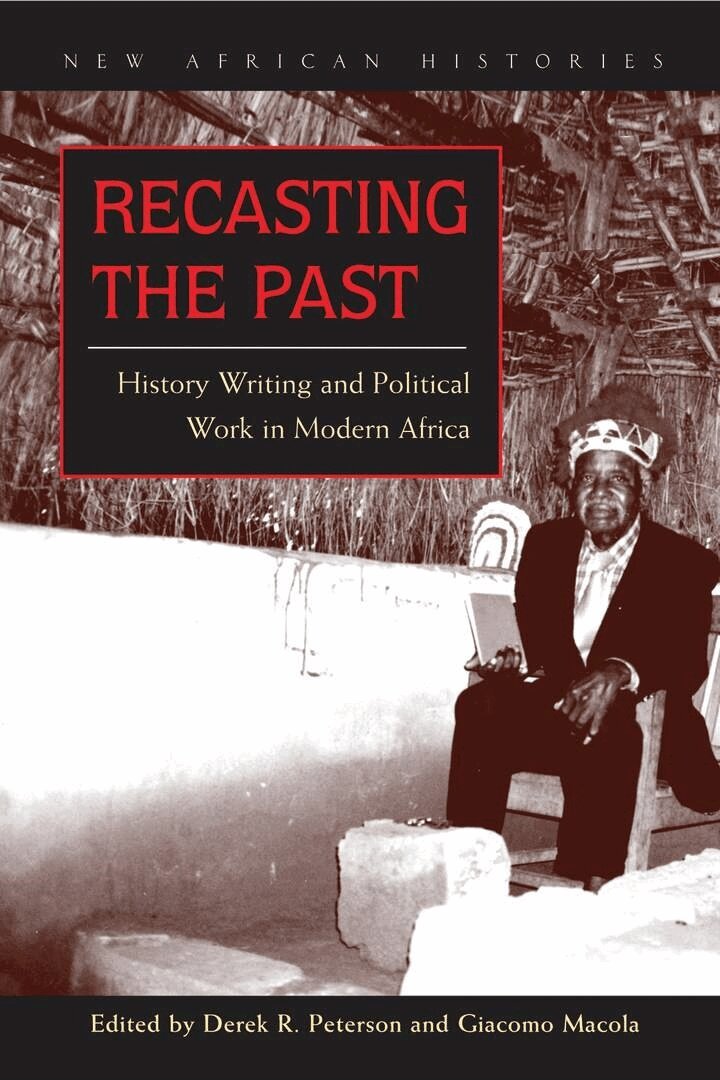
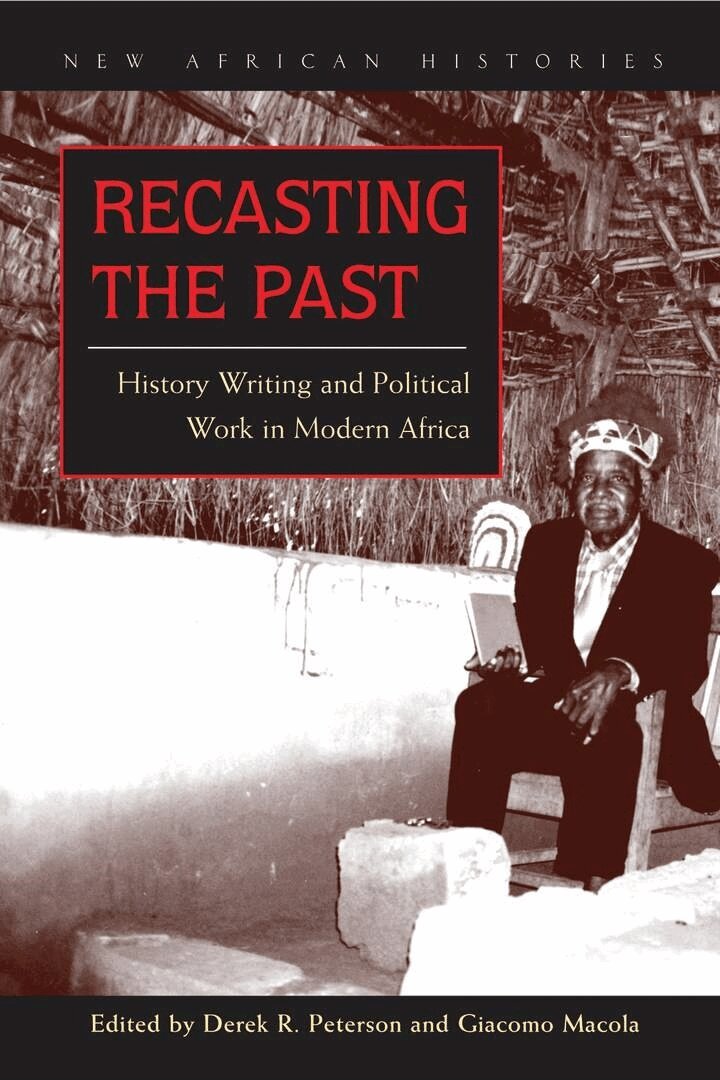
The study of intellectual history in Africa is in its infancy. We know very little about what Africa's thinkers made of their times. Recasting the Past brings one field of intellectual endeavor into view. The book takes its place alongside a small but growing literature that highlights how, in autobiographies, historical writing, fiction, and other literary genres, African writers intervened creatively in their political world.The past has already been worked over by the African interpreters that the present volume brings into view. African brokers—pastors, journalists, kingmakers, religious dissidents, politicians, entrepreneurs all—have been doing research, conducting interviews, reading archives, and presenting their results to critical audiences. Their scholarly work makes it impossible to think of African history as an inert entity awaiting the attention of professional historians. Professionals take their place in a broader field of interpretation, where Africans are already reifying, editing, and representing the past.The essays collected in Recasting the Past study the warp and weft of Africa's homespun historical work. Contributors trace the strands of discourse from which historical entrepreneurs drew, highlighting the sources of inspiration and reference that enlivened their work. By illuminating the conventions of the past, Africa's history writers set their contemporary constituents on a path toward a particular future. History writing was a means by which entrepreneurs conjured up constituencies, claimed legitimate authority, and mobilized people around a cause. By illuminating the spheres of debate in which Africa's own scholars participated, Recasting the Past repositions the practice of modern history.
413 kr
Skickas
The study of intellectual history in Africa is in its infancy. We know very little about what Africa's thinkers made of their times. Recasting the Past brings one field of intellectual endeavor into view. The book takes its place alongside a small but growing literature that highlights how, in autobiographies, historical writing, fiction, and other literary genres, African writers intervened creatively in their political world.The past has already been worked over by the African interpreters that the present volume brings into view. African brokers—pastors, journalists, kingmakers, religious dissidents, politicians, entrepreneurs all—have been doing research, conducting interviews, reading archives, and presenting their results to critical audiences. Their scholarly work makes it impossible to think of African history as an inert entity awaiting the attention of professional historians. Professionals take their place in a broader field of interpretation, where Africans are already reifying, editing, and representing the past.The essays collected in Recasting the Past study the warp and weft of Africa's homespun historical work. Contributors trace the strands of discourse from which historical entrepreneurs drew, highlighting the sources of inspiration and reference that enlivened their work. By illuminating the conventions of the past, Africa's history writers set their contemporary constituents on a path toward a particular future. History writing was a means by which entrepreneurs conjured up constituencies, claimed legitimate authority, and mobilized people around a cause. By illuminating the spheres of debate in which Africa's own scholars participated, Recasting the Past repositions the practice of modern history.
874 kr
Skickas inom 7-10 vardagar
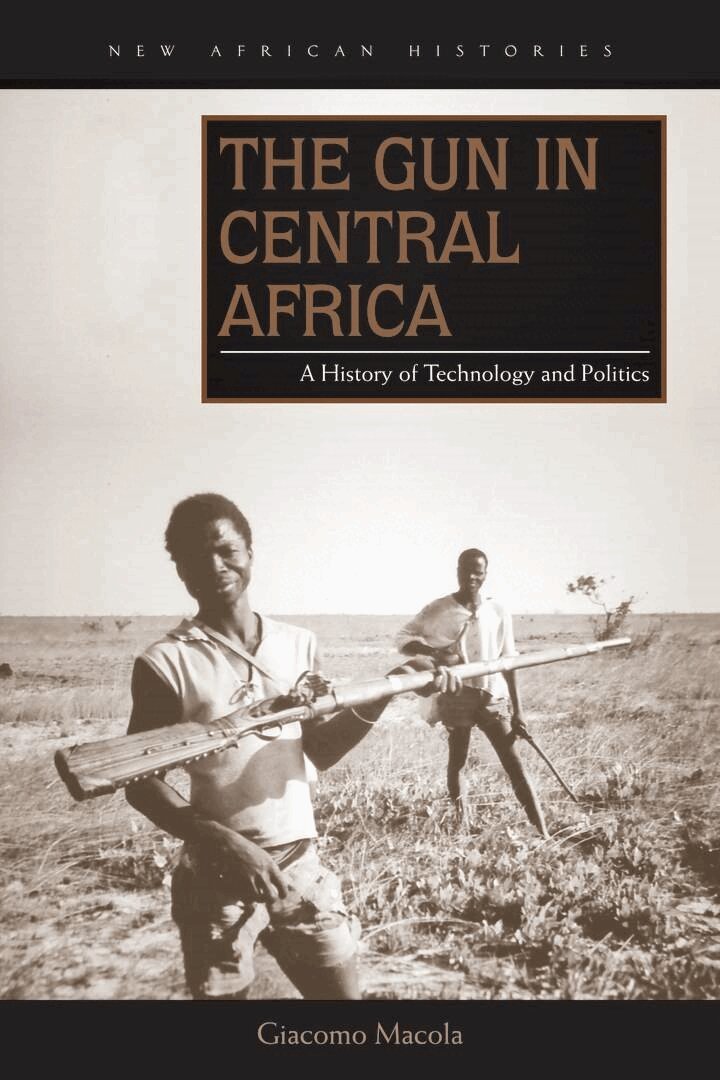
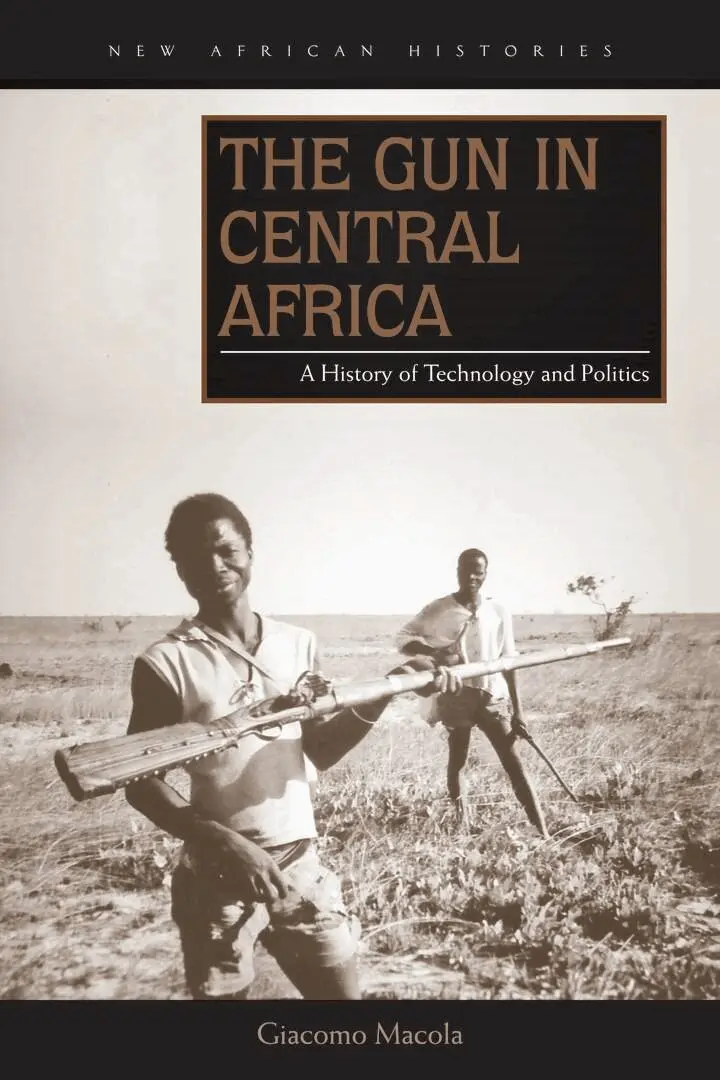
Why did some central African peoples embrace gun technology in the nineteenth century, and others turn their backs on it? In answering this question, The Gun in Central Africa offers a thorough reassessment of the history of firearms in central Africa. Marrying the insights of Africanist historiography with those of consumption and science and technology studies, Giacomo Macola approaches the subject from a culturally sensitive perspective that encompasses both the practical and the symbolic attributes of firearms.Informed by the view that the power of objects extends beyond their immediate service functions, The Gun in Central Africa presents Africans as agents of technological re-innovation who understood guns in terms of their changing social structures and political interests. By placing firearms at the heart of the analysis, this volume casts new light on processes of state formation and military revolution in the era of the long-distance trade, the workings of central African gender identities and honor cultures, and the politics of the colonial encounter.
373 kr
Skickas inom 7-10 vardagar
Why did some central African peoples embrace gun technology in the nineteenth century, and others turn their backs on it? In answering this question, The Gun in Central Africa offers a thorough reassessment of the history of firearms in central Africa. Marrying the insights of Africanist historiography with those of consumption and science and technology studies, Giacomo Macola approaches the subject from a culturally sensitive perspective that encompasses both the practical and the symbolic attributes of firearms.Informed by the view that the power of objects extends beyond their immediate service functions, The Gun in Central Africa presents Africans as agents of technological re-innovation who understood guns in terms of their changing social structures and political interests. By placing firearms at the heart of the analysis, this volume casts new light on processes of state formation and military revolution in the era of the long-distance trade, the workings of central African gender identities and honor cultures, and the politics of the colonial encounter.
579 kr
Skickas inom 10-15 vardagar
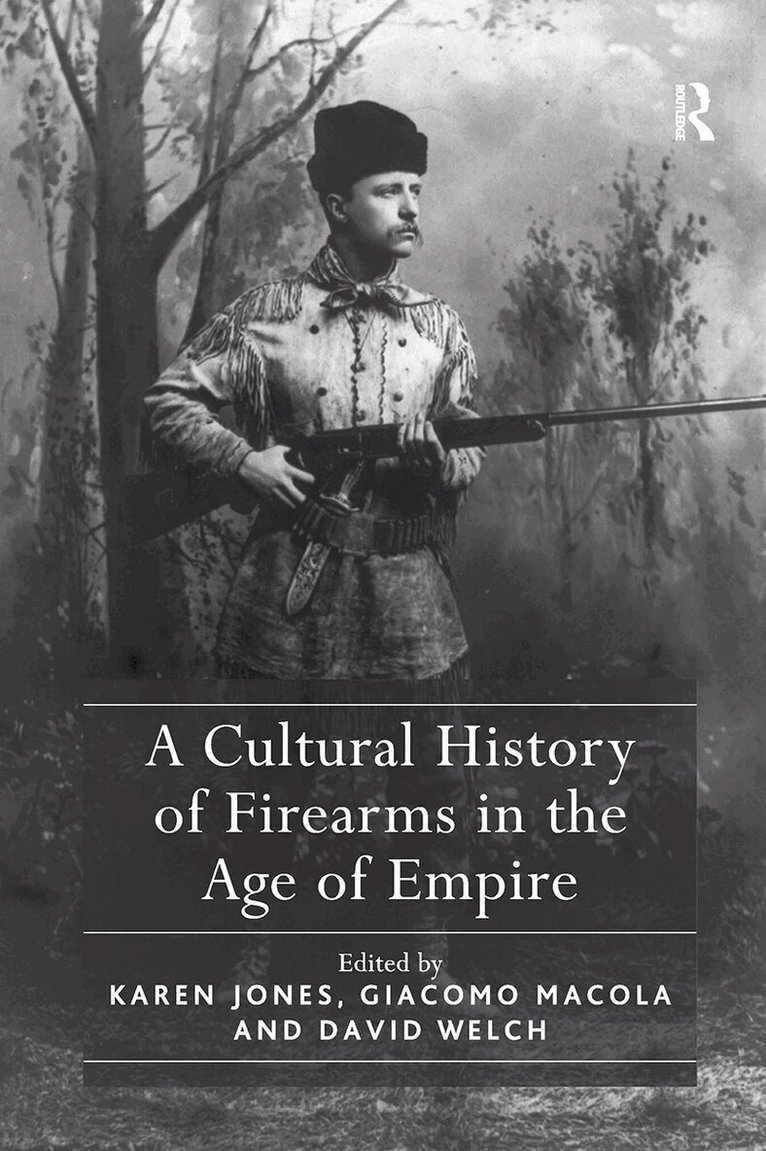
Firearms have been studied by imperial historians mainly as means of human destruction and material production. Yet firearms have always been invested with a whole array of additional social and symbolical meanings. By placing these meanings at the centre of analysis, the essays presented in this volume extend the study of the gun beyond the confines of military history and the examination of its impact on specific colonial encounters. By bringing cultural perspectives to bear on this most pervasive of technological artefacts, the contributors explore the densely interwoven relationships between firearms and broad processes of social change. In so doing, they contribute to a fuller understanding of some of the most significant consequences of British and American imperial expansions. Not the least original feature of the book is its global frame of reference. Bringing together historians of different periods and regions, A Cultural History of Firearms in the Age of Empire overcomes traditional compartmentalisations of historical knowledge and encourages the drawing of novel and illuminating comparisons across time and space.
2 219 kr
Skickas inom 10-15 vardagar
Firearms have been studied by imperial historians mainly as means of human destruction and material production. Yet firearms have always been invested with a whole array of additional social and symbolical meanings. By placing these meanings at the centre of analysis, the essays presented in this volume extend the study of the gun beyond the confines of military history and the examination of its impact on specific colonial encounters. By bringing cultural perspectives to bear on this most pervasive of technological artefacts, the contributors explore the densely interwoven relationships between firearms and broad processes of social change. In so doing, they contribute to a fuller understanding of some of the most significant consequences of British and American imperial expansions. Not the least original feature of the book is its global frame of reference. Bringing together historians of different periods and regions, A Cultural History of Firearms in the Age of Empire overcomes traditional compartmentalisations of historical knowledge and encourages the drawing of novel and illuminating comparisons across time and space.
Violent History
Power and Conflict in the Congo Basin from the Nineteenth Century to the Present
Häftad, Engelska, 2025
637 kr
Skickas inom 5-8 vardagar
The first long-durée history of large-scale violence in the Congo BasinSince the early nineteenth century, political and military violence has played an exceptionally significant role in the territory corresponding to the present-day Democratic Republic of Congo. By emphasising the periodic re-occurrence of “warlordism” and the economy of plunder that characterises it, Giacomo Macola offers new analytical tools to interpret the history of the societies of the Congo Basin over the past two hundred years. In the concluding chapters, the author dwells on more recent events, detailing the collapse of Mobutu’s Zaire, the “Great African War” and the reasons for the continuing armed instability in the east of the country. Supplementing analyses of the contemporary dimension of African conflicts, Macola makes a case for the enduring importance of studying precolonial history.This book will be made open access within three years of publication thanks to Path to Open, a program developed in partnership between JSTOR, the American Council of Learned Societies (ACLS), University of Michigan Press, and The University of North Carolina Press to bring about equitable access and impact for the entire scholarly community, including authors, researchers, libraries, and university presses around the world. Learn more at https://about.jstor.org/path-to-open/
487 kr
Skickas inom 5-8 vardagar