Gianni Paganini – författare
Visar alla böcker från författaren Gianni Paganini. Handla med fri frakt och snabb leverans.
16 produkter
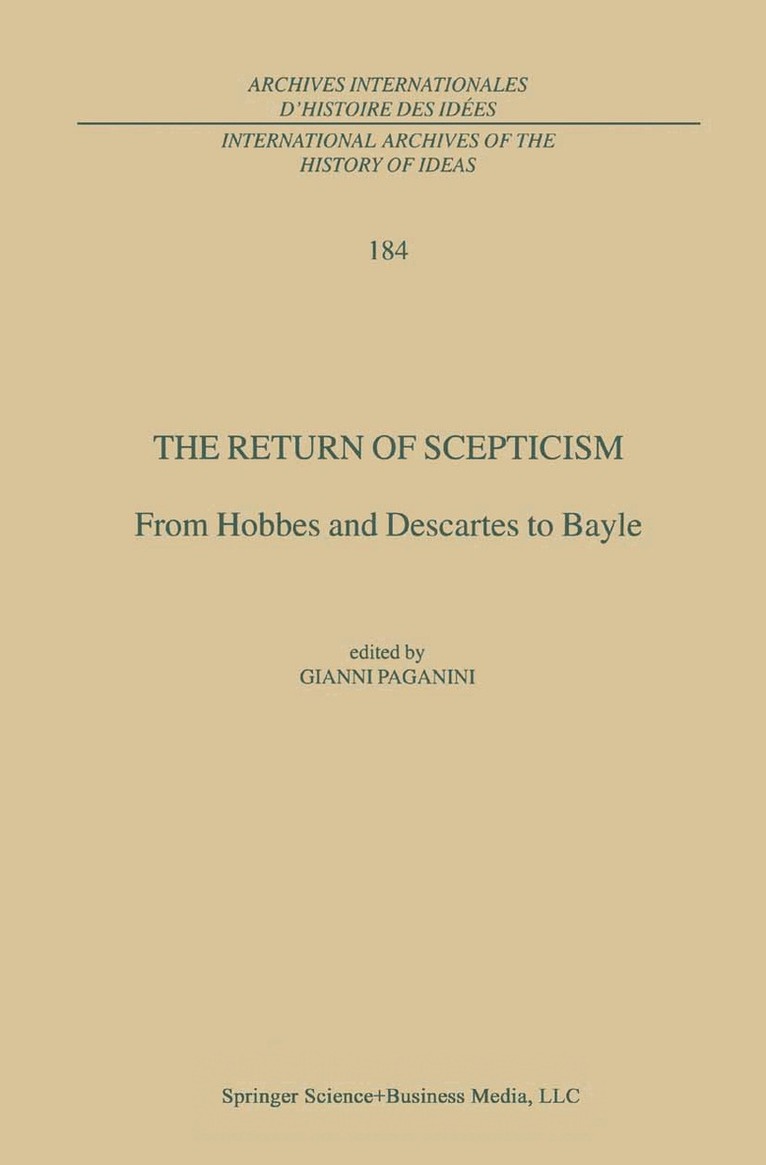
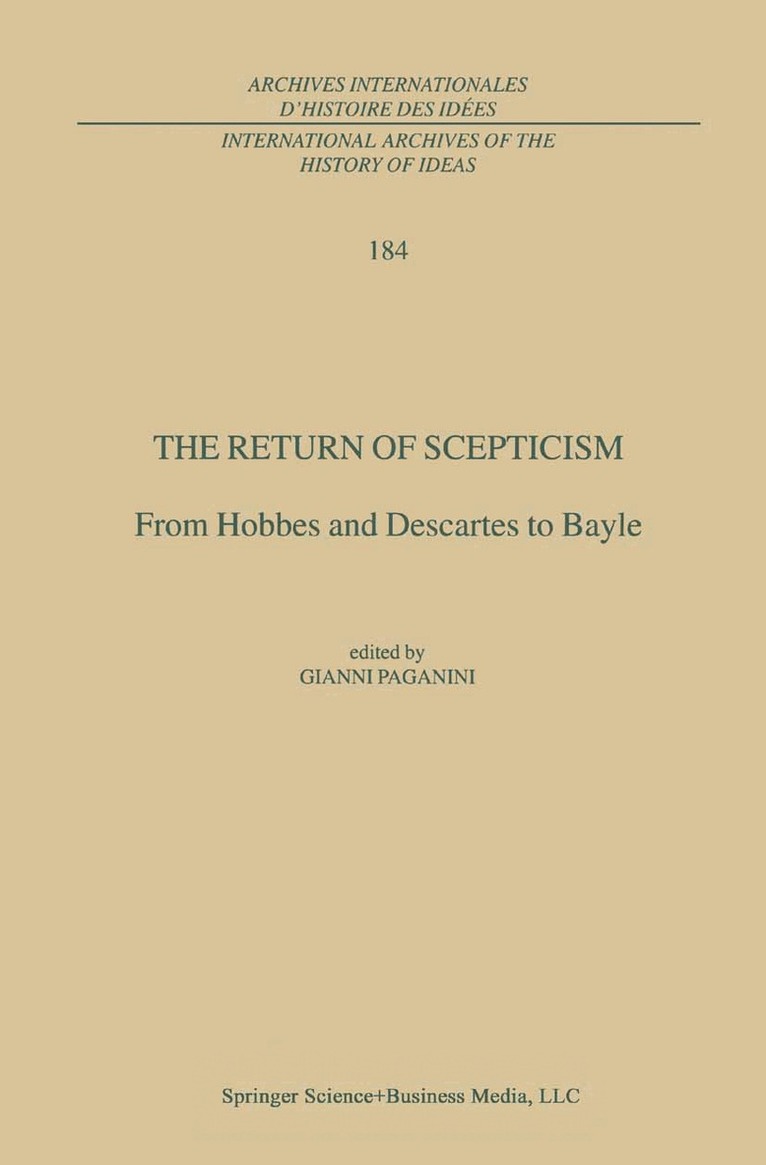
Return of Scepticism
From Hobbes and Descartes to Bayle
Inbunden, 2003
2185 kr
Lägg i varukorg
This collection of articles (the Vercelli conference proceedings) places the theme of scepticism within its philosophical tradition. It explores the English philosophical thinkers, the French context, as well as major Italian figures and Spanish culture. It pays special attention to the …
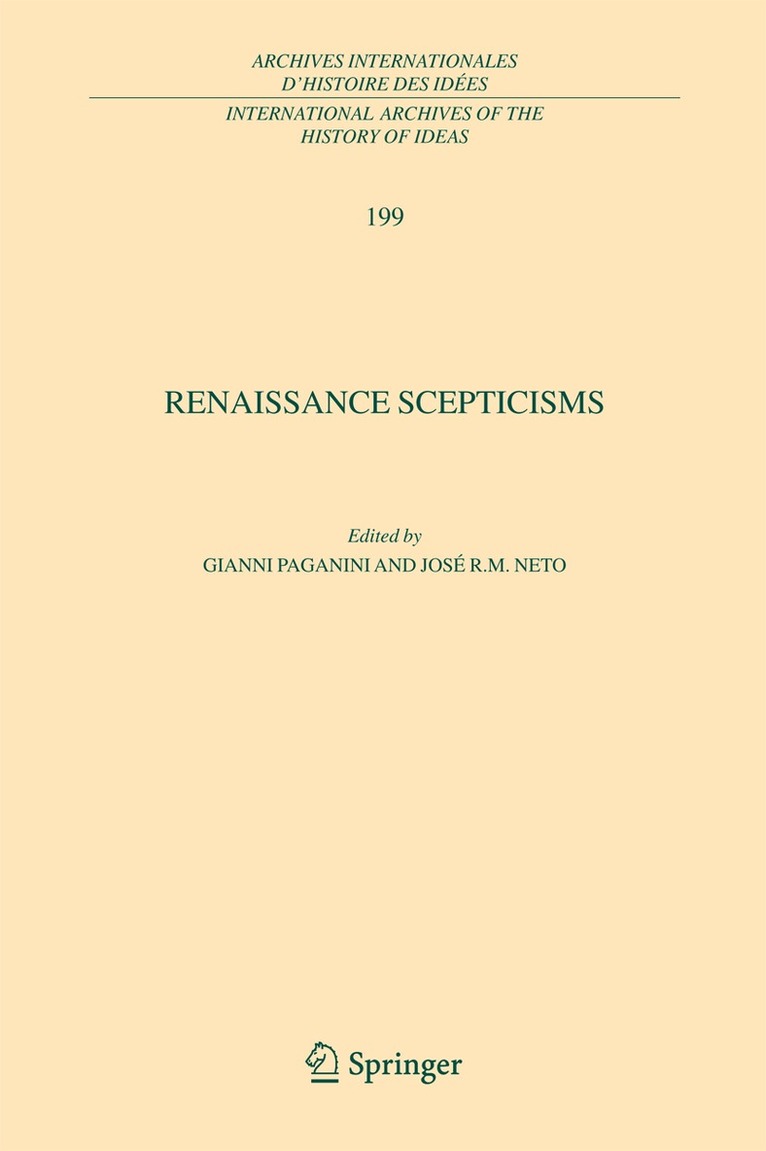
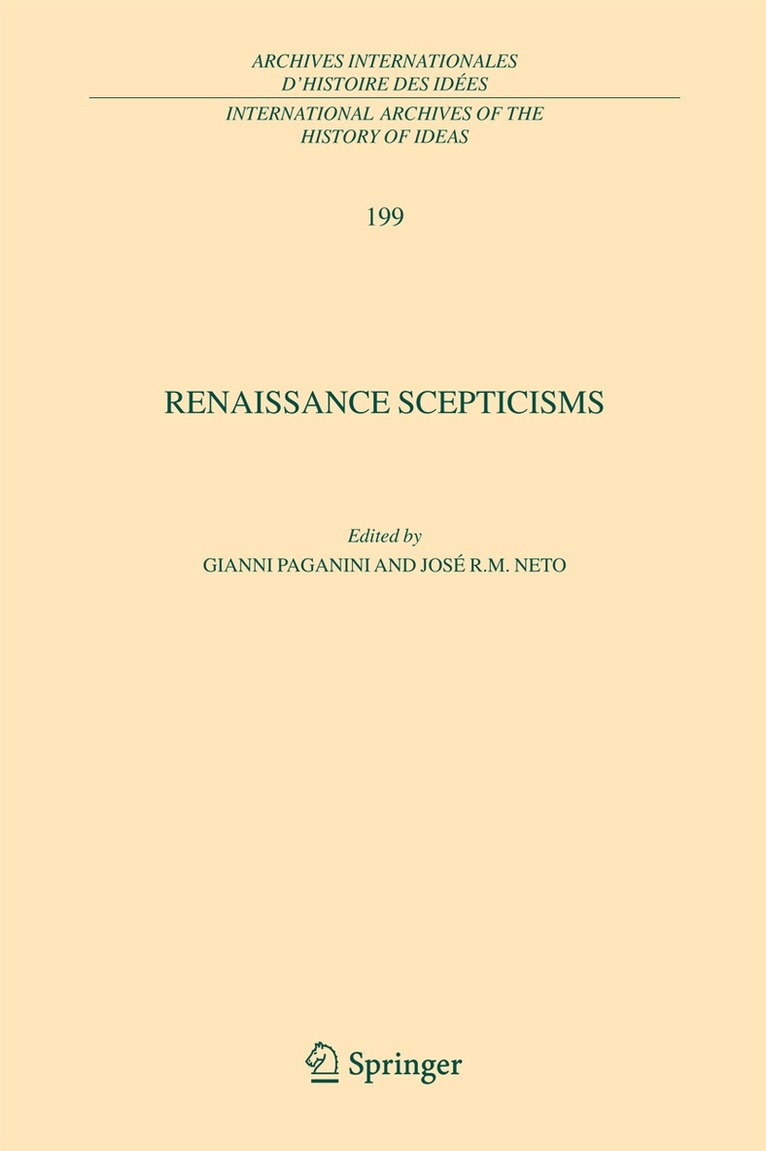
Renaissance Scepticisms
Av Gianni Paganini, José R. M. Neto
Inbunden, 2008
3601 kr
Lägg i varukorg
Even if specific pieces of research (on the sources or on individual authors, such as Pico, Agrippa, Erasmus, Montaigne, Sanches etc.) have given and are still producing significant results on Renaissance scepticism, an overall synthesis comprising the entire period has not been achieved yet. No …
Renaissance Scepticisms
Av Jose R. M. Neto, Gianni Paganini
E-bok, 2008
3251 kr
Lägg i varukorg
Even if specific pieces of research (on the sources or on individual authors, such as Pico, Agrippa, Erasmus, Montaigne, Sanches etc.) have given and are still producing significant results on Renaissance scepticism, an overall synthesis comprising the entire period has not been achieved yet. No …
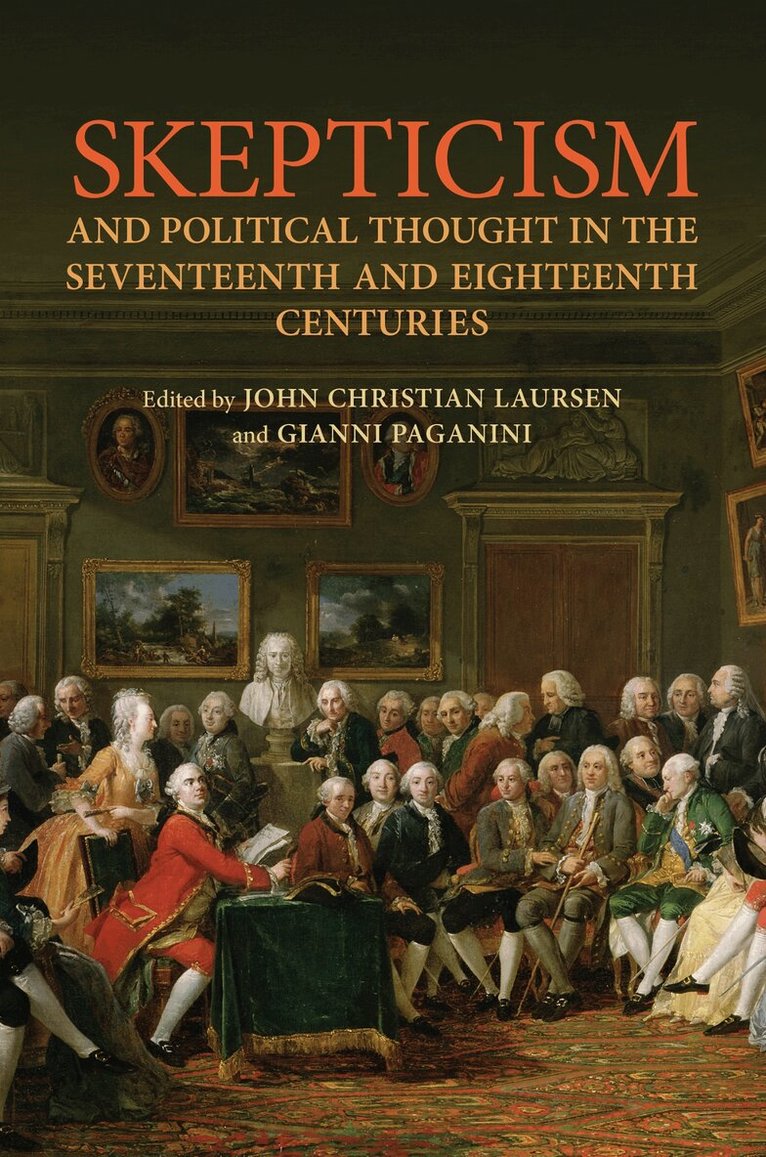
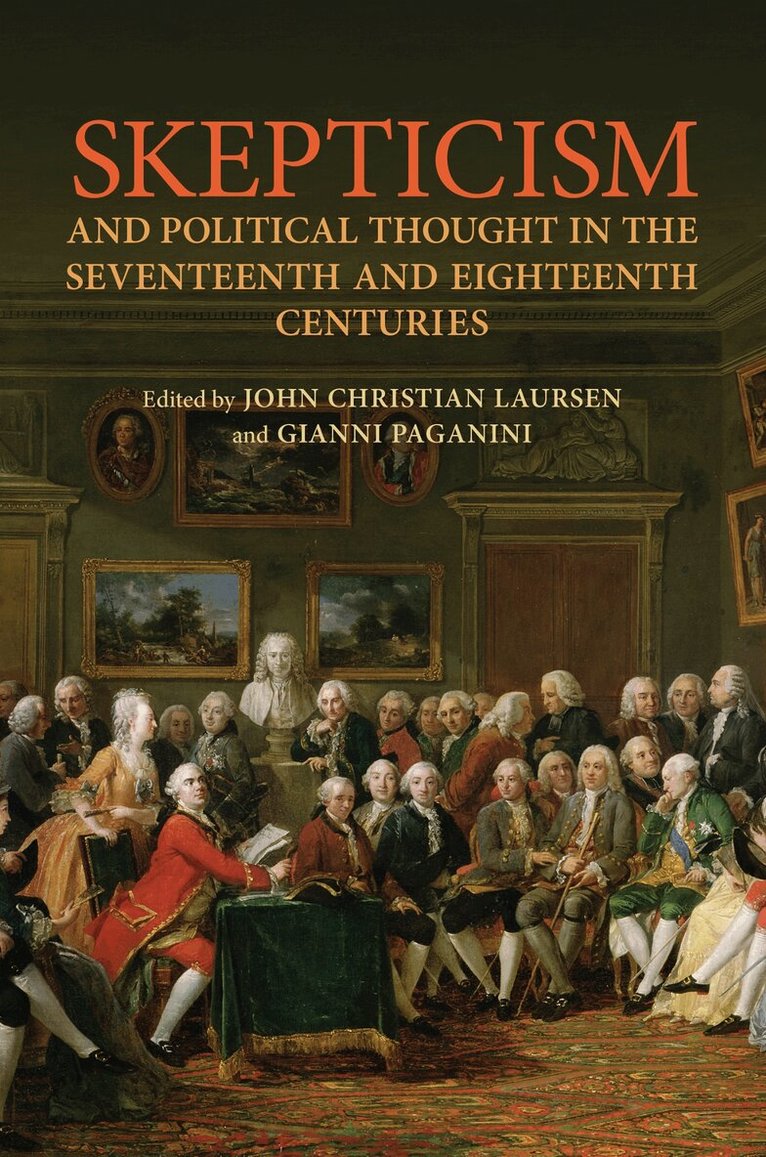
Skepticism and Political Thought in the Seventeenth and Eighteenth Centuries
Av J.C. Laursen, Gianni Paganini
E-bok, 2015
900 kr
Lägg i varukorg
In this collection, thirteen distinguished contributors examine the influence of the ancient skeptical philosophy of Pyrrho of Elis and Sextus Empiricus on early modern political thought. Classical skepticism argues that in the absence of certainty one must either suspend judgment and live by habit …
Skepticism and Political Thought in the Seventeenth and Eighteenth Centuries
Av J.C. Laursen, Gianni Paganini
E-bok, 2015
1043 kr
Lägg i varukorg
In this collection, thirteen distinguished contributors examine the influence of the ancient skeptical philosophy of Pyrrho of Elis and Sextus Empiricus on early modern political thought. Classical skepticism argues that in the absence of certainty one must either suspend judgment and live by habit …
Skepticism and Political Thought in the Seventeenth and Eighteenth Centuries
Av J.C. Laursen, Gianni Paganini
Inbunden, 2015
806 kr
Lägg i varukorg
In this collection, thirteen distinguished contributors examine the influence of the ancient skeptical philosophy of Pyrrho of Elis and Sextus Empiricus on early modern political thought. Classical skepticism argues that in the absence of certainty one must either suspend judgment and live by habit …
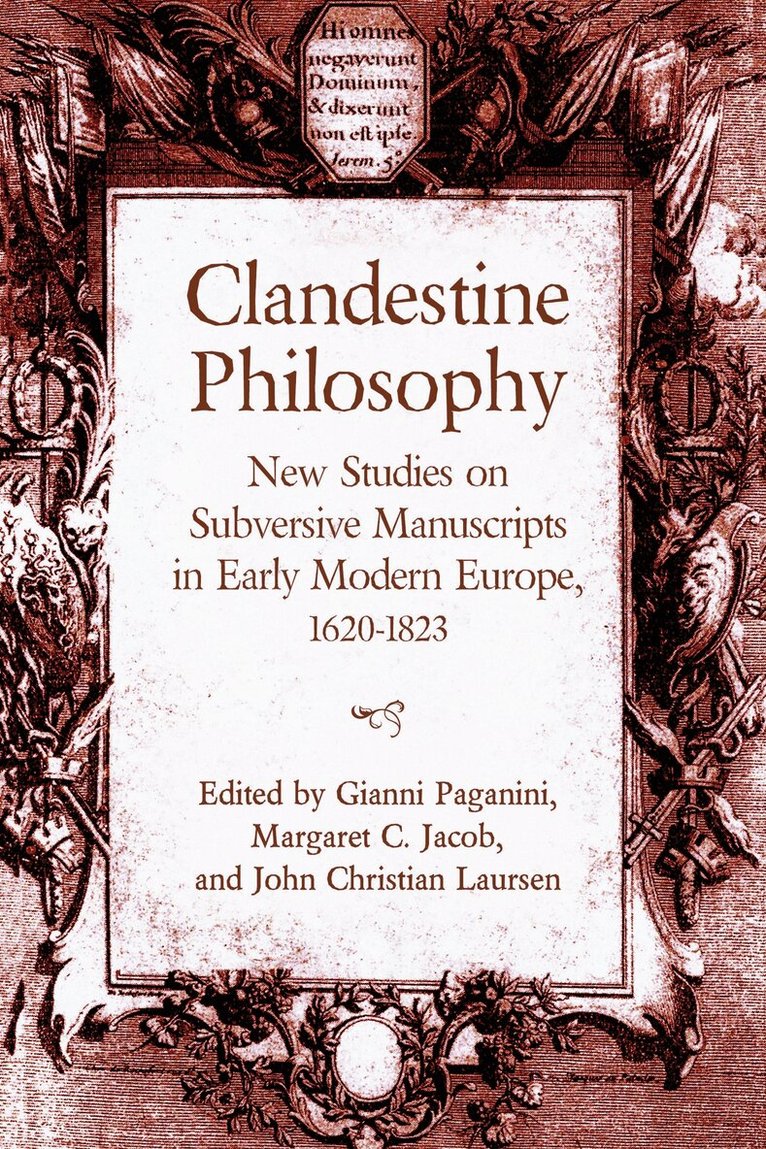
Clandestine Philosophy
New Studies on Subversive Manuscripts in Early Modern Europe, 1620-1823
Av Gianni Paganini, Margaret C. Jacob m. fl.
Inbunden, 2020
890 kr
Lägg i varukorg
Clandestine philosophical manuscripts, made up of forbidden works including erotic texts, political pamphlets, satires of court life, forbidden religious texts, and books about the occult, had an avid readership in the seventeenth and eighteenth centuries, becoming objects of historical research by …
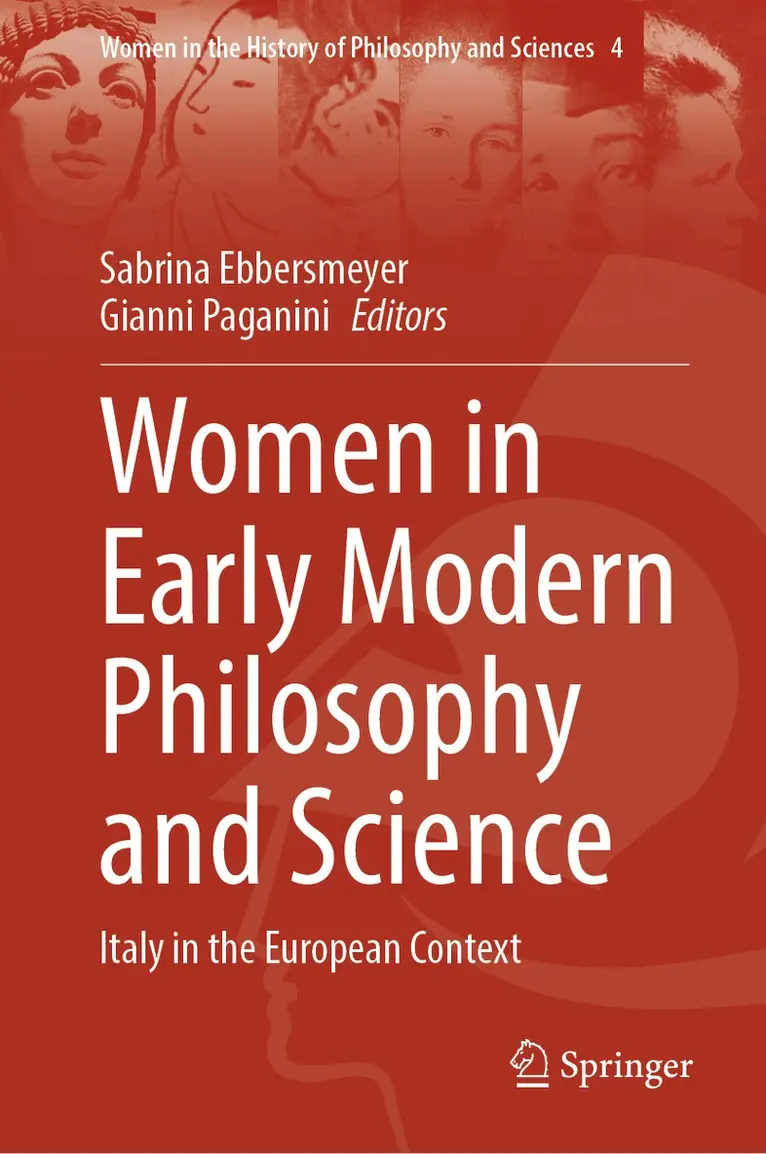
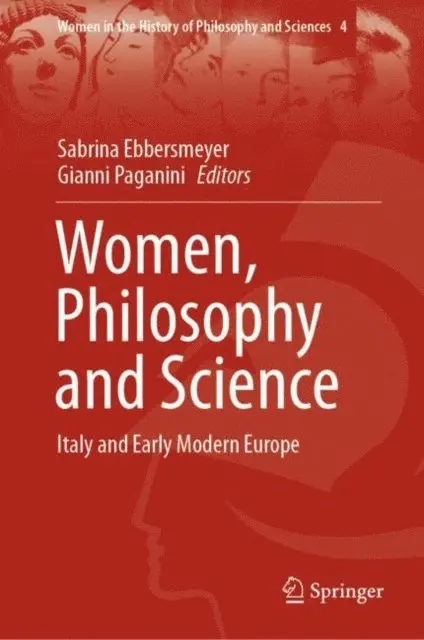
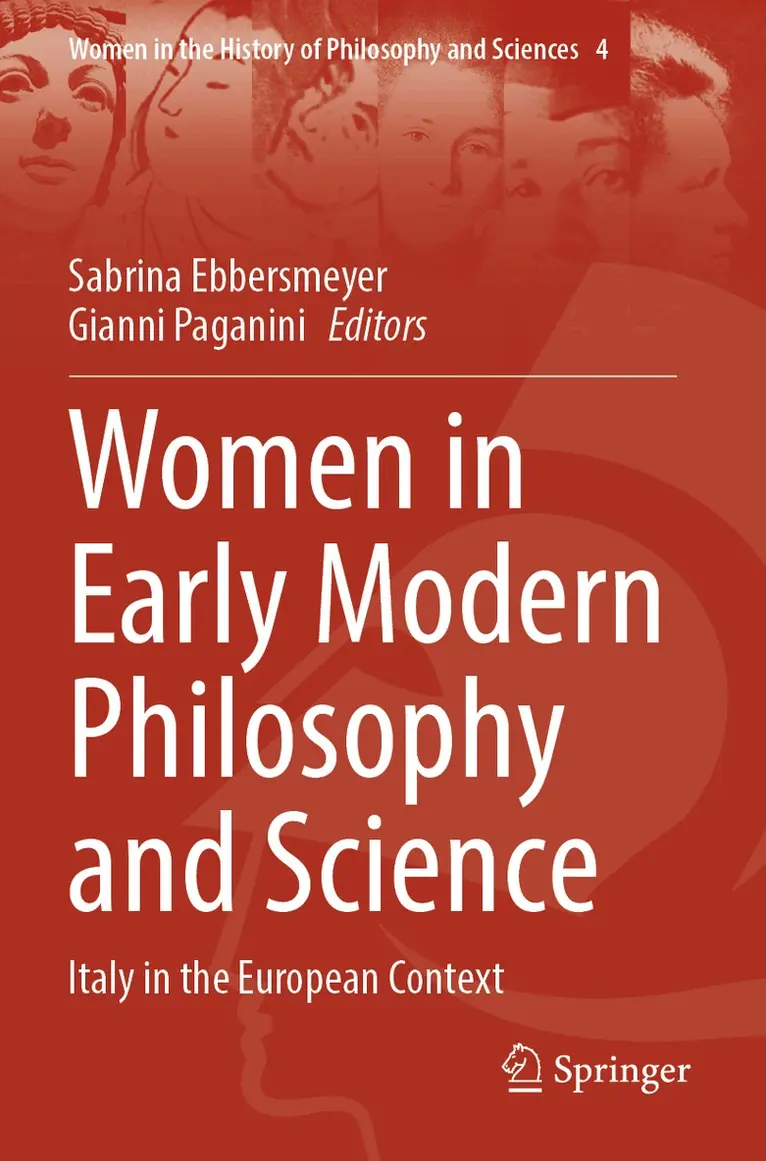
Women, Philosophy and Science
Italy and Early Modern Europe
Av Sabrina Ebbersmeyer, Gianni Paganini
Inbunden, 2020
1314 kr
Lägg i varukorg
This book sheds light on the originality and historical significance of women’s philosophical, moral, political and scientific ideas in Italy and early modern Europe. Divided into three sections, it starts by discussing the women philosophers’ engagement with the classical inheritance with regard …
Women, Philosophy and Science
Italy and Early Modern Europe
Av Gianni Paganini, Sabrina Ebbersmeyer
E-bok, 2020
1785 kr
Lägg i varukorg
This book sheds light on the originality and historical significance of women’s philosophical, moral, political and scientific ideas in Italy and early modern Europe. Divided into three sections, it starts by discussing the women philosophers’ engagement with the classical inheritance with regard …
Women, Philosophy and Science
Italy and Early Modern Europe
Av Sabrina Ebbersmeyer, Gianni Paganini
Häftad, 2021
1314 kr
Lägg i varukorg
This book sheds light on the originality and historical significance of women’s philosophical, moral, political and scientific ideas in Italy and early modern Europe. Divided into three sections, it starts by discussing the women philosophers’ engagement with the classical inheritance with regard …
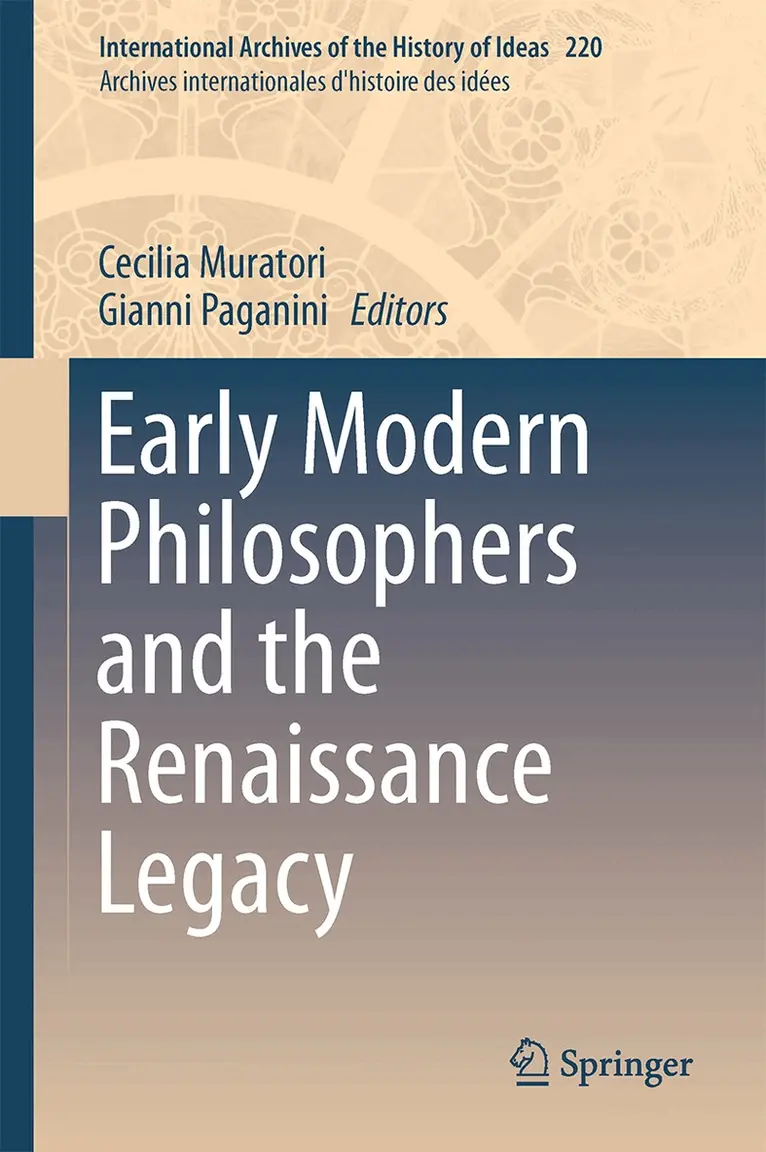
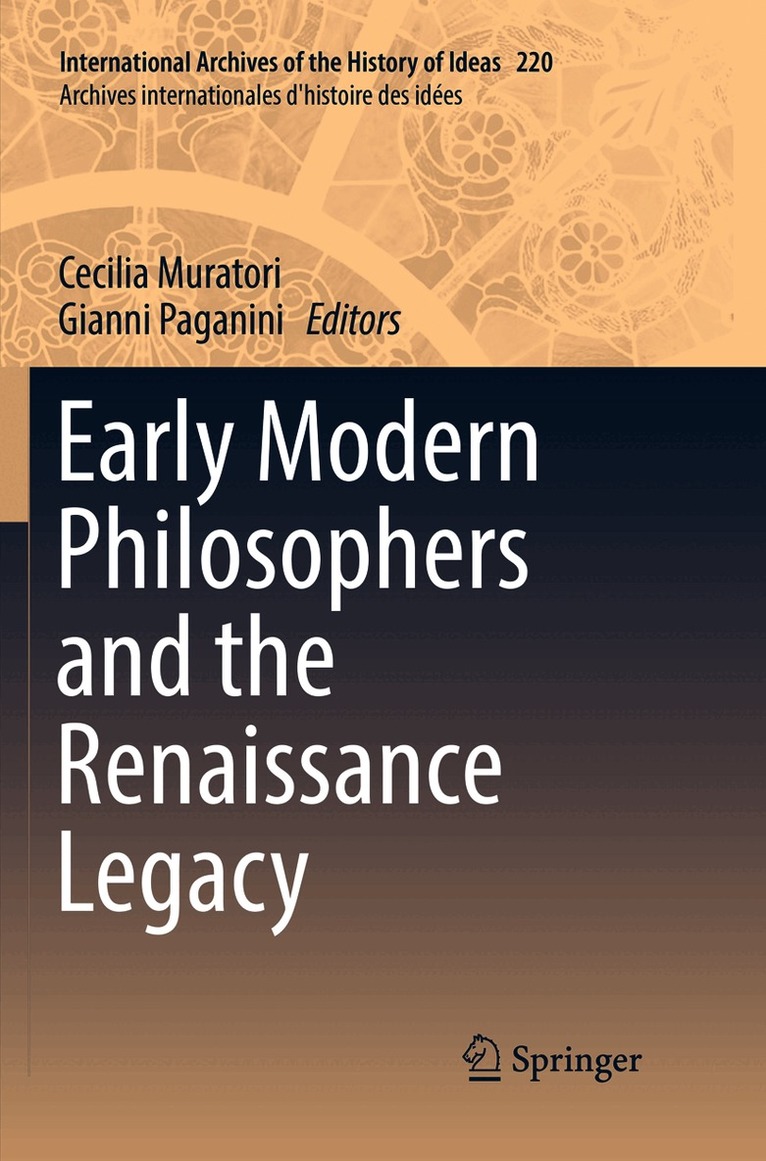
Early Modern Philosophers and the Renaissance Legacy
Av Cecilia Muratori, Gianni Paganini
Inbunden, 2016
1096 kr
Lägg i varukorg
When does Renaissance philosophy end, and Early Modern philosophy begin? Do Renaissance philosophers have something in common, which distinguishes them from Early Modern philosophers? And ultimately, what defines the modernity of the Early Modern period, and what role did the Renaissance play in …
Early Modern Philosophers and the Renaissance Legacy
Av Gianni Paganini, Cecilia Muratori
E-bok, 2016
1427 kr
Lägg i varukorg
When does Renaissance philosophy end, and Early Modern philosophy begin? Do Renaissance philosophers have something in common, which distinguishes them from Early Modern philosophers? And ultimately, what defines the modernity of the Early Modern period, and what role did the Renaissance play in …
Early Modern Philosophers and the Renaissance Legacy
Av Cecilia Muratori, Gianni Paganini
Häftad, 2018
1096 kr
Lägg i varukorg
When does Renaissance philosophy end, and Early Modern philosophy begin? Do Renaissance philosophers have something in common, which distinguishes them from Early Modern philosophers? And ultimately, what defines the modernity of the Early Modern period, and what role did the Renaissance play in …
Return of Scepticism
From Hobbes and Descartes to Bayle
Häftad, 2012
2185 kr
Lägg i varukorg
This collection of articles (the Vercelli conference proceedings) places the theme of scepticism within its philosophical tradition. It explores the English philosophical thinkers, the French context, as well as major Italian figures and Spanish culture. It pays special attention to the …
Renaissance Scepticisms
Av Gianni Paganini, José R. M. Neto
Häftad, 2010
2610 kr
Lägg i varukorg
Even if specific pieces of research (on the sources or on individual authors, such as Pico, Agrippa, Erasmus, Montaigne, Sanches etc.) have given and are still producing significant results on Renaissance scepticism, an overall synthesis comprising the entire period has not been achieved yet. No …