Margaret C. Jacob – författare
Visar alla böcker från författaren Margaret C. Jacob. Handla med fri frakt och snabb leverans.
19 produkter
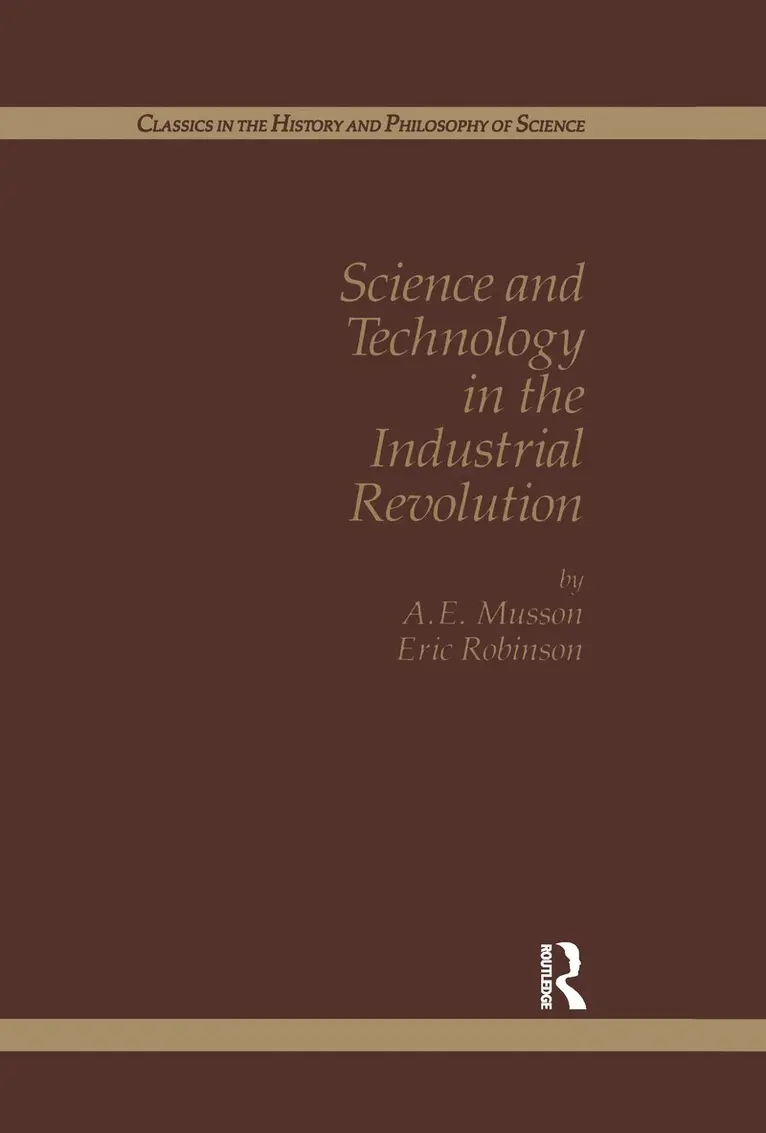
Science And Technology In The
Av Eric Robinson, Margaret C. Jacob m. fl.
Häftad, 1969
1013 kr
Lägg i varukorg
First Published in 1969. The Industrial Revolution in Great Britain has probably attracted more attention than any other historical period or phenomenon. Students of economic growth, of business history, and of social revolution have long delved in this rich and fascinating field. Yet new veins …
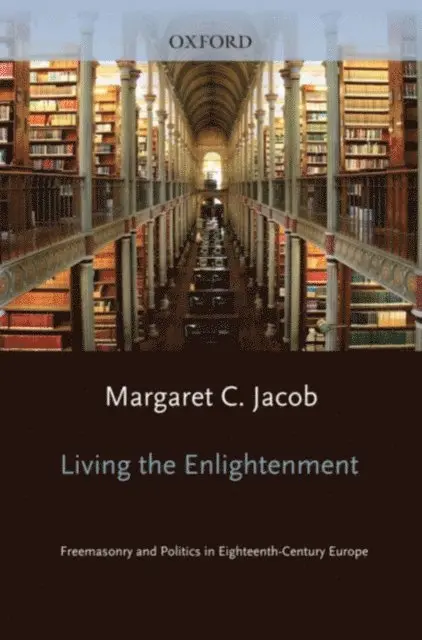
Living the Enlightenment
Freemasonry and Politics in Eighteenth-Century Europe
E-bok, 1991
472 kr
Lägg i varukorg
Long recognized as more than the writings of a dozen or so philosophes , the Enlightenment created a new secular culture populated by the literate and the affluent. Enamoured of British institutions, Continental Europeans turned to the imported masonic lodges and found in them a new forum that was …
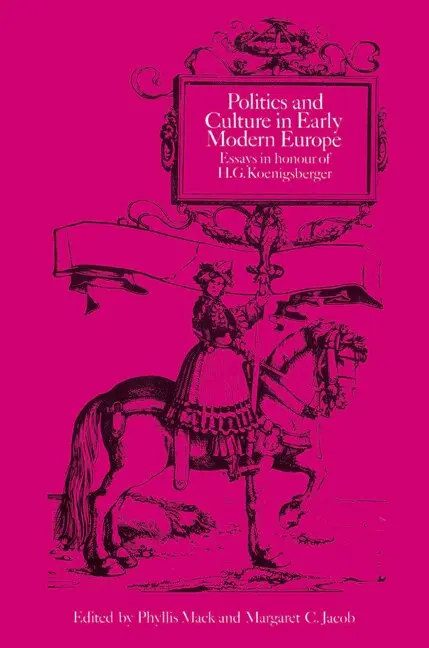
Politics and Culture in Early Modern Europe
Essays in Honour of H. G. Koenigsberger
Av Phyllis Mack, Margaret C. Jacob
Häftad, 2002
586 kr
Lägg i varukorg
This volume of essays reflects the interests and expertise of H. G. Koenigsberger, Professor of History at King's College London, who has written and taught widely on early modern Europe, from Sicily and Spain to Germany, France and the Netherlands. The contributors pay tribute to Koenigsberger's …
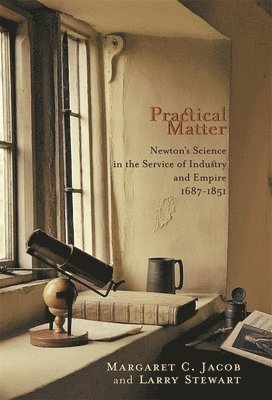
Practical Matter
Newton’s Science in the Service of Industry and Empire, 1687–1851
Av Margaret C. Jacob, Larry Stewart
Häftad, 2006
314 kr
Lägg i varukorg
Margaret Jacob and Larry Stewart examine the profound transformation that began in 1687. From the year when Newton published his Principia to the Crystal Palace Exhibition of 1851, science gradually became central to Western thought and economic development. The book aims at a general audience and …
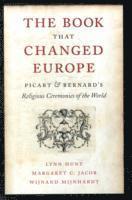
Book That Changed Europe
Picart and Bernard’s Religious Ceremonies of the World
Av Lynn Hunt, Margaret C. Jacob m. fl.
Inbunden, 2010
418 kr
Lägg i varukorg
Two French Protestant refugees in eighteenth-century Amsterdam gave the world an extraordinary work that intrigued and outraged readers across Europe. In this captivating account, Lynn Hunt, Margaret Jacob, and Wijnand Mijnhardt take us to the vibrant Dutch Republic and its flourishing book trade …
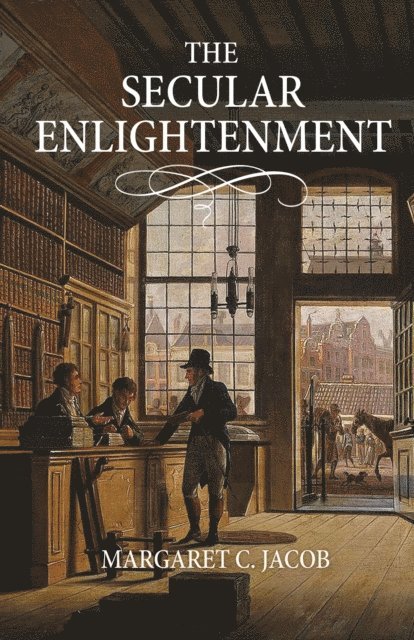
Secular Enlightenment
E-bok, 2019
286 kr
Lägg i varukorg
A major new history of how the Enlightenment transformed people’s everyday lives The Secular Enlightenment is a panoramic account of the radical ways that life began to change for ordinary people in the age of Locke, Voltaire, and Rousseau. In this landmark book, familiar Enlightenment figures …
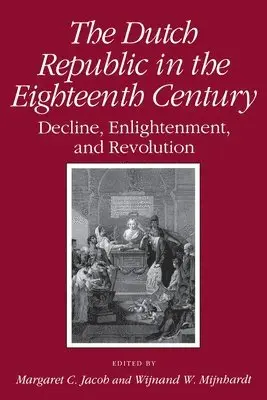
Dutch Republic in the Eighteenth Century
Decline, Enlightenment, and Revolution
Av Margaret Jacob, Margaret C. Jacob m. fl.
Häftad, 1992
398 kr
Lägg i varukorg
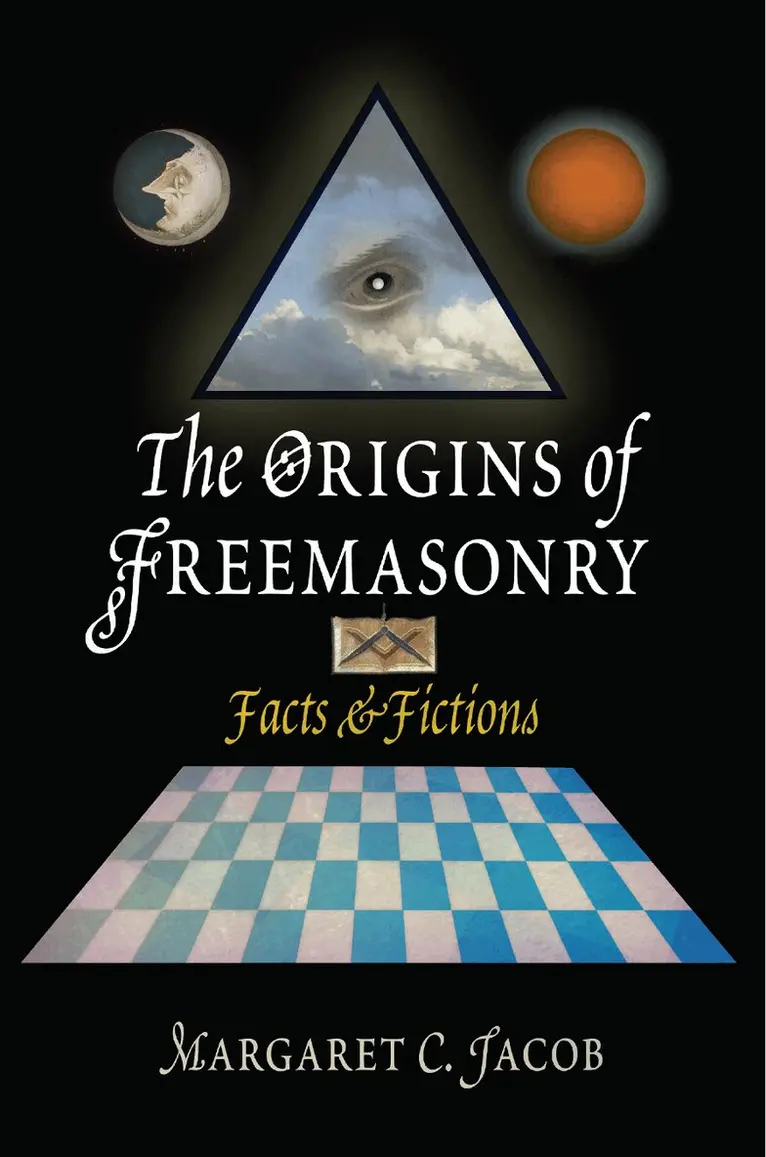
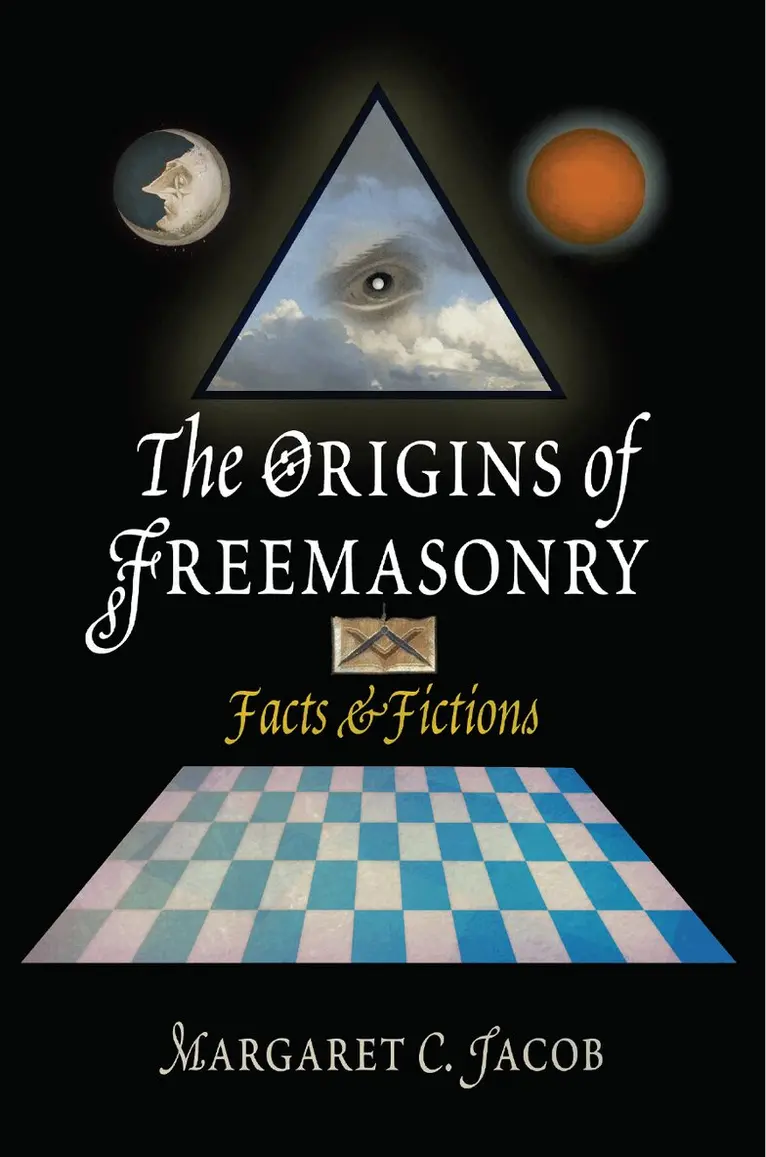
Origins of Freemasonry
Facts and Fictions
Häftad, 2007
342 kr
Lägg i varukorg
Can the ancestry of freemasonry really be traced back to the Knights Templar? Is the image of the eye in a triangle on the back of the dollar bill one of its cryptic signs? Is there a conspiracy that stretches through centuries and generations to align this shadow organization and its secret …
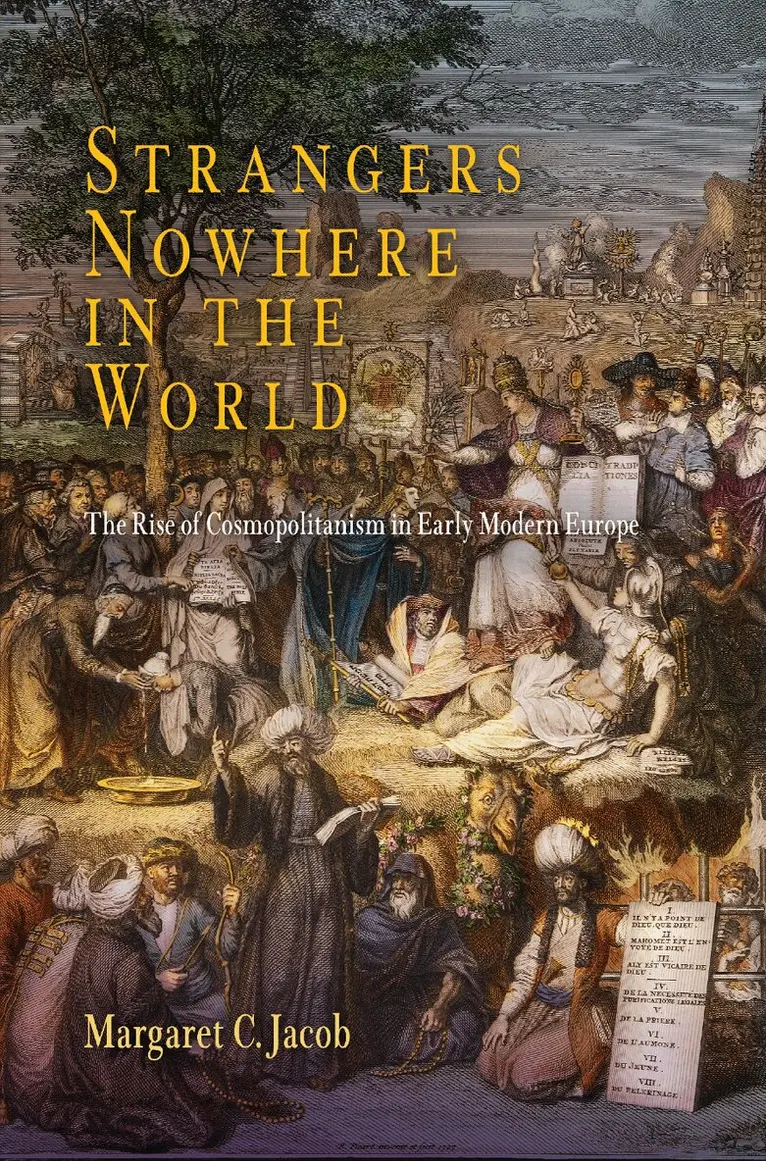
Strangers Nowhere in the World
The Rise of Cosmopolitanism in Early Modern Europe
Häftad, 2016
342 kr
Lägg i varukorg
The mingling of aristocrats and commoners in a southern French city, the jostling of foreigners in stock markets across northern and western Europe, the club gatherings in Paris and London of genteel naturalists busily distilling plants or making air pumps, the ritual fraternizing of "brothers" in …
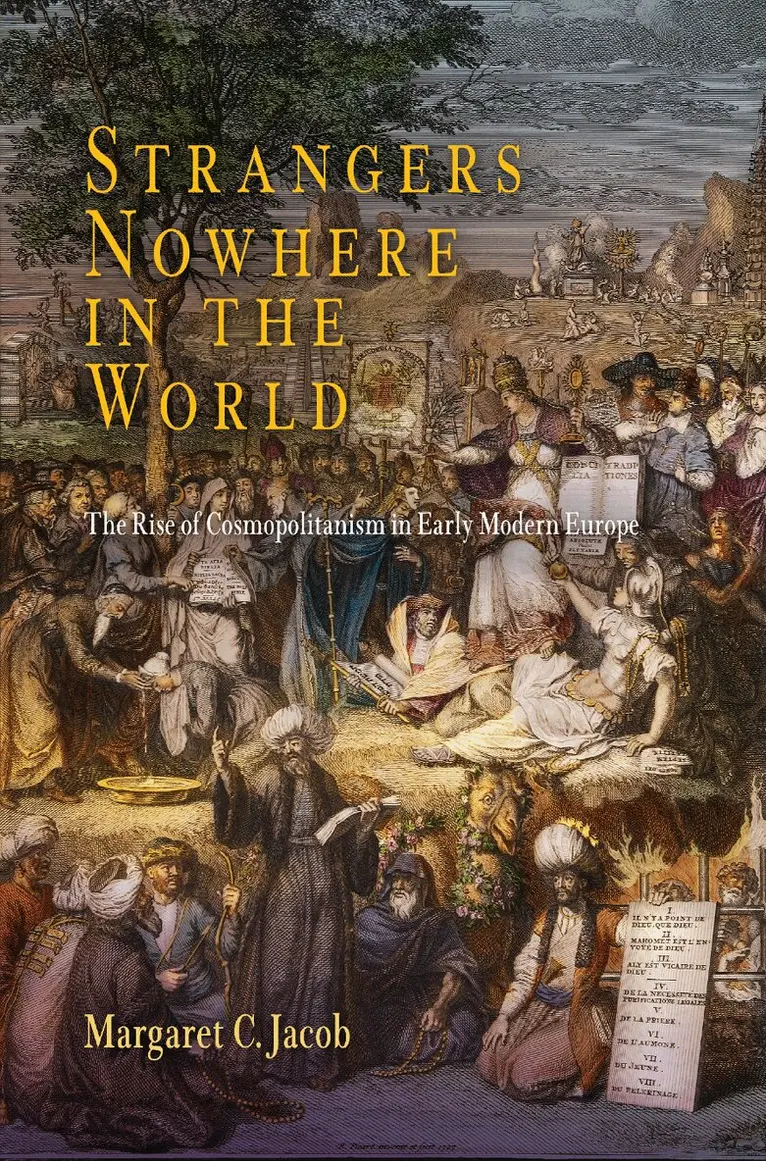
Strangers Nowhere in the World
The Rise of Cosmopolitanism in Early Modern Europe
E-bok, 2016
437 kr
Lägg i varukorg
The mingling of aristocrats and commoners in a southern French city, the jostling of foreigners in stock markets across northern and western Europe, the club gatherings in Paris and London of genteel naturalists busily distilling plants or making air pumps, the ritual fraternizing of "brothers" in …
Origins of Freemasonry
Facts and Fictions
E-bok, 2016
424 kr
Lägg i varukorg
Can the ancestry of freemasonry really be traced back to the Knights Templar? Is the image of the eye in a triangle on the back of the dollar bill one of its cryptic signs? Is there a conspiracy that stretches through centuries and generations to align this shadow organization and its secret …
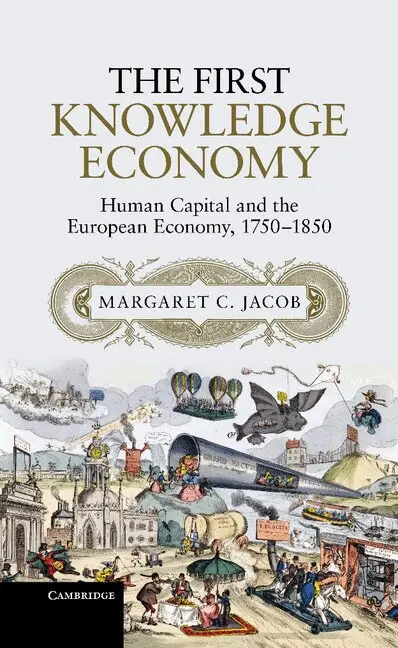
The First Knowledge Economy
Human Capital and the European Economy, 1750-1850
Inbunden, 2014
1341 kr
Lägg i varukorg
Ever since the Industrial Revolution debate has raged about the sources of the new, sustained western prosperity. Margaret Jacob here argues persuasively for the critical importance of knowledge in Europe's economic transformation during the period from 1750 to 1850, first in Britain and then in …
First Knowledge Economy
Human Capital and the European Economy, 1750–1850
E-bok, 2014
477 kr
Lägg i varukorg
Ever since the Industrial Revolution debate has raged about the sources of the new, sustained western prosperity. Margaret Jacob here argues persuasively for the critical importance of knowledge in Europe''s economic transformation during the period from 1750 to 1850, first in Britain and then in …
The First Knowledge Economy
Human Capital and the European Economy, 1750-1850
Häftad, 2014
502 kr
Lägg i varukorg
Ever since the Industrial Revolution debate has raged about the sources of the new, sustained western prosperity. Margaret Jacob here argues persuasively for the critical importance of knowledge in Europe's economic transformation during the period from 1750 to 1850, first in Britain and then in …
First Knowledge Economy
Human Capital and the European Economy, 1750–1850
E-bok, 2014
487 kr
Lägg i varukorg
Ever since the Industrial Revolution debate has raged about the sources of the new, sustained western prosperity. Margaret Jacob here argues persuasively for the critical importance of knowledge in Europe''s economic transformation during the period from 1750 to 1850, first in Britain and then in …
Freemasonry and Civil Society
Europe and the Americas (North and South)
Av Margaret C. Jacob, María Eugenia Vázquez Semadeni
Inbunden, 2023
877 kr
Lägg i varukorg
This is the first comprehensive account of freemasonry in the Western world, written by two of the field’s foremost scholars. It embraces every country in the Americas, with a particular focus on the American experience. The authors devote significant attention to the Scottish origins of the lodges …
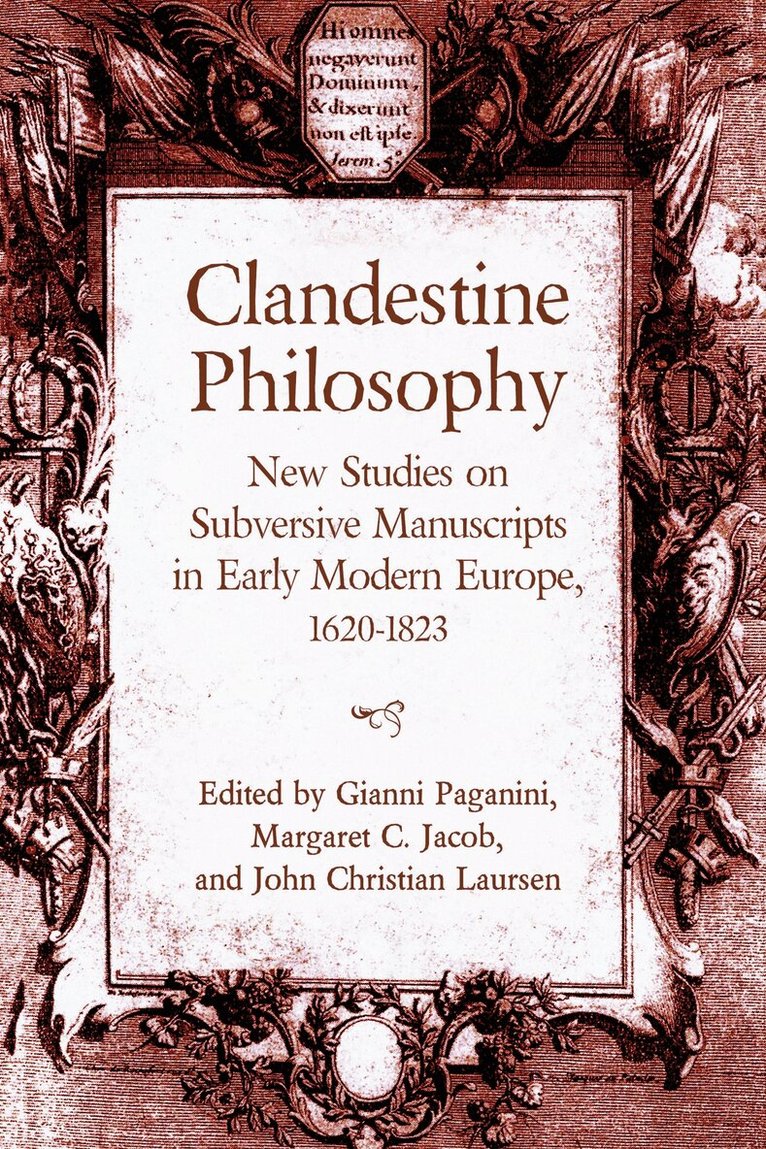
Clandestine Philosophy
New Studies on Subversive Manuscripts in Early Modern Europe, 1620-1823
Av Gianni Paganini, Margaret C. Jacob m. fl.
Inbunden, 2020
890 kr
Lägg i varukorg
Clandestine philosophical manuscripts, made up of forbidden works including erotic texts, political pamphlets, satires of court life, forbidden religious texts, and books about the occult, had an avid readership in the seventeenth and eighteenth centuries, becoming objects of historical research by …
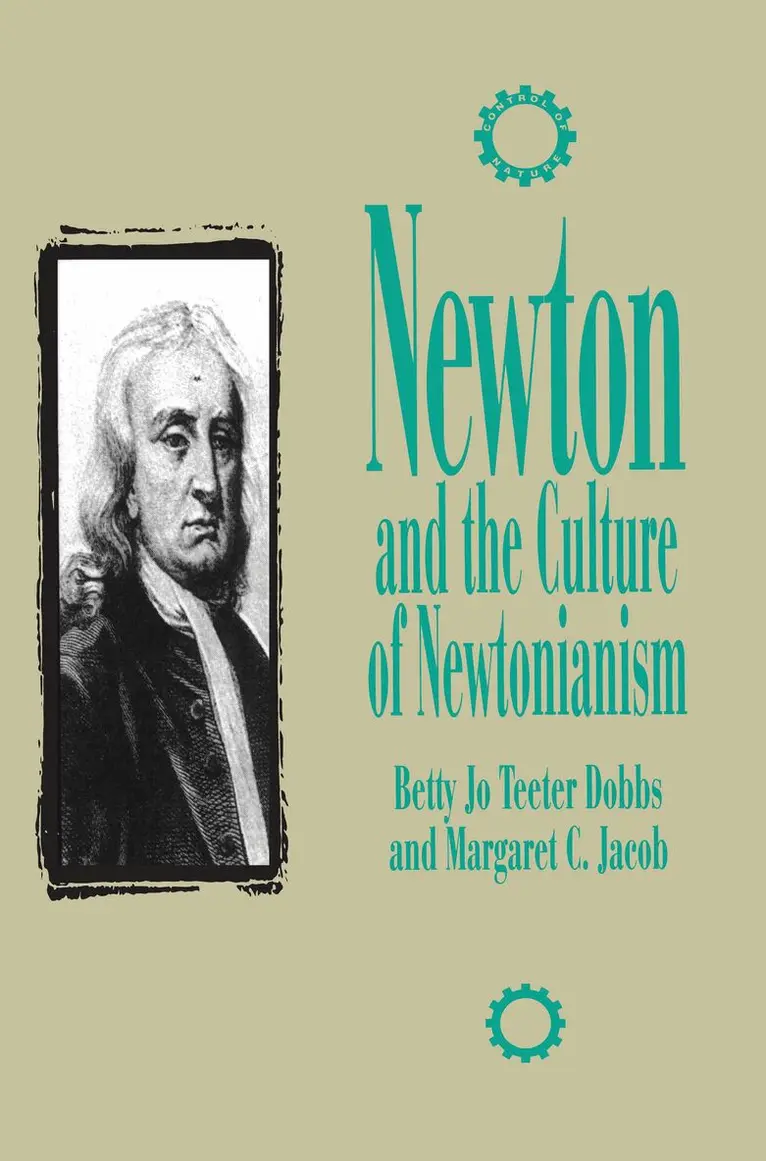
Newton and the Culture of Newtonianism
Av Betty Jo Teeter Dobbs, Margaret C. Jacob
Häftad, 1995
374 kr
Lägg i varukorg
This insightful work examines what happened to Newton's science as it was interpreted by his major followers. The authors also look at the scientific culture that Newton helped to create and the impact that his ideas had on the rapidly developing technology that led to the Industrial Revolution.