Gilberto Vinicius de Melo Pereira – författare
Visar alla böcker från författaren Gilberto Vinicius de Melo Pereira. Handla med fri frakt och snabb leverans.
5 produkter
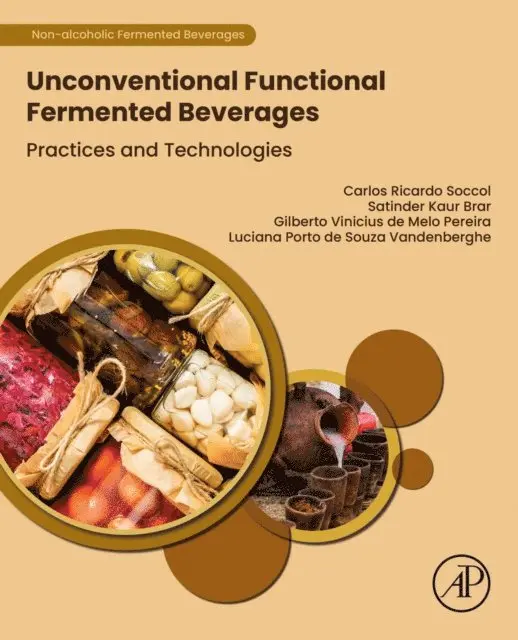
Unconventional Functional Fermented Beverages
Practices and Technologies
Av Luciana Porto de Souza Vandenberghe, Gilberto Vinicius de Melo Pereira m. fl.
E-bok, 2024
2298 kr
Lägg i varukorg
Unconventional Functional Fermented Beverages: Practices and Technologies addresses the technological and functional aspects of fermented beverages that are being produced and consumed around the world. A wide array of unconventional, unique beverages are covered, from new, non-dairy kefir …
Unconventional Functional Fermented Beverages
Practices and Technologies
Av Carlos Ricardo Soccol, Satinder Kaur Brar m. fl.
Häftad, 2024
1816 kr
Lägg i varukorg
Unconventional Functional Fermented Beverages: Practices and Technologies addresses the technological and functional aspects of fermented beverages that are being produced and consumed around the world. A wide array of unconventional, unique beverages are covered, from new, non-dairy kefir …
Trending Topics on Fermented Foods
Av José Guilherme Prado Martin, Juliano De Dea Lindner m. fl.
Inbunden, 2024
3056 kr
Lägg i varukorg
This book presents the trends in research on fermented foods, introducing successful cases related to the fermentation of foods in restaurants, ideas for popularizing fermented foods among the population, as well as pioneering and inspiring initiatives aimed at regulating the production and …
Trending Topics on Fermented Foods
Av Ramesh C. Ray, Gilberto Vinicius de Melo Pereira m. fl.
E-bok, 2024
3948 kr
Lägg i varukorg
This book presents the trends in research on fermented foods, introducing successful cases related to the fermentation of foods in restaurants, ideas for popularizing fermented foods among the population, as well as pioneering and inspiring initiatives aimed at regulating the production and …
Trending Topics on Fermented Foods
Av José Guilherme Prado Martin, Juliano De Dea Lindner m. fl.
Häftad, 2025
3056 kr
Lägg i varukorg
This book presents the trends in research on fermented foods, introducing successful cases related to the fermentation of foods in restaurants, ideas for popularizing fermented foods among the population, as well as pioneering and inspiring initiatives aimed at regulating the production and …