Glenn Parry - Böcker
Visar alla böcker från författaren Glenn Parry. Handla med fri frakt och snabb leverans.
7 produkter
7 produkter
1 590 kr
Skickas inom 10-15 vardagar
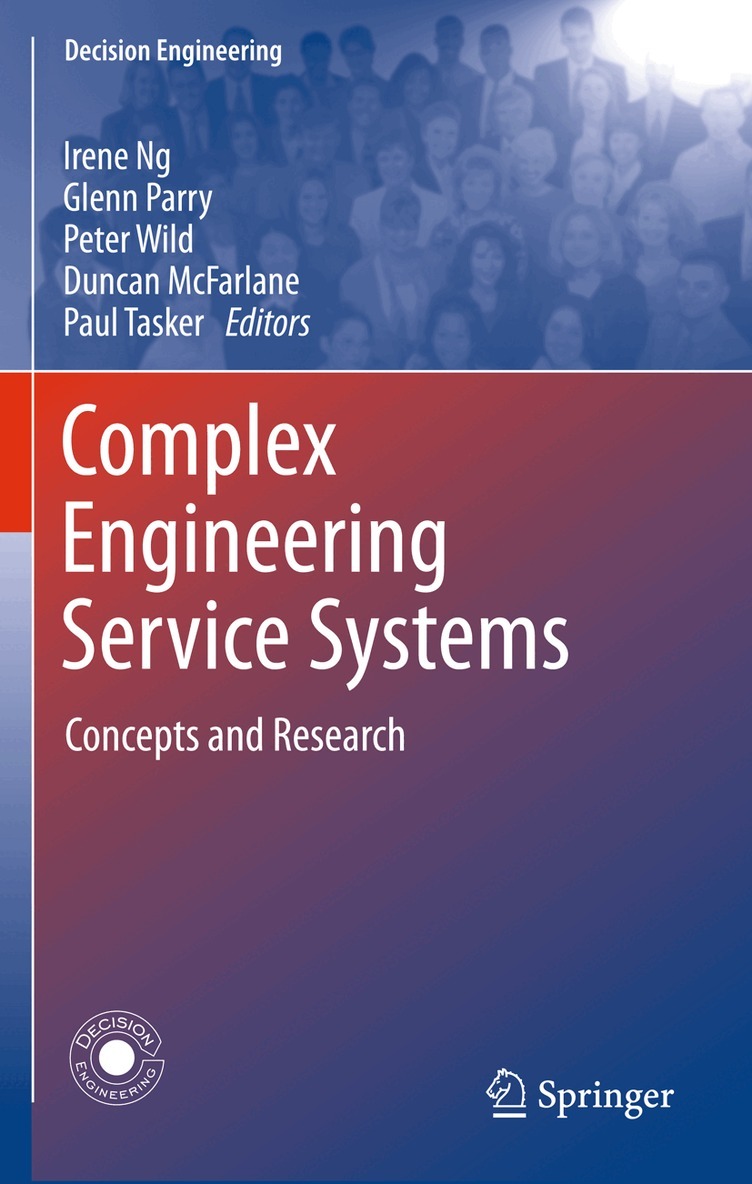
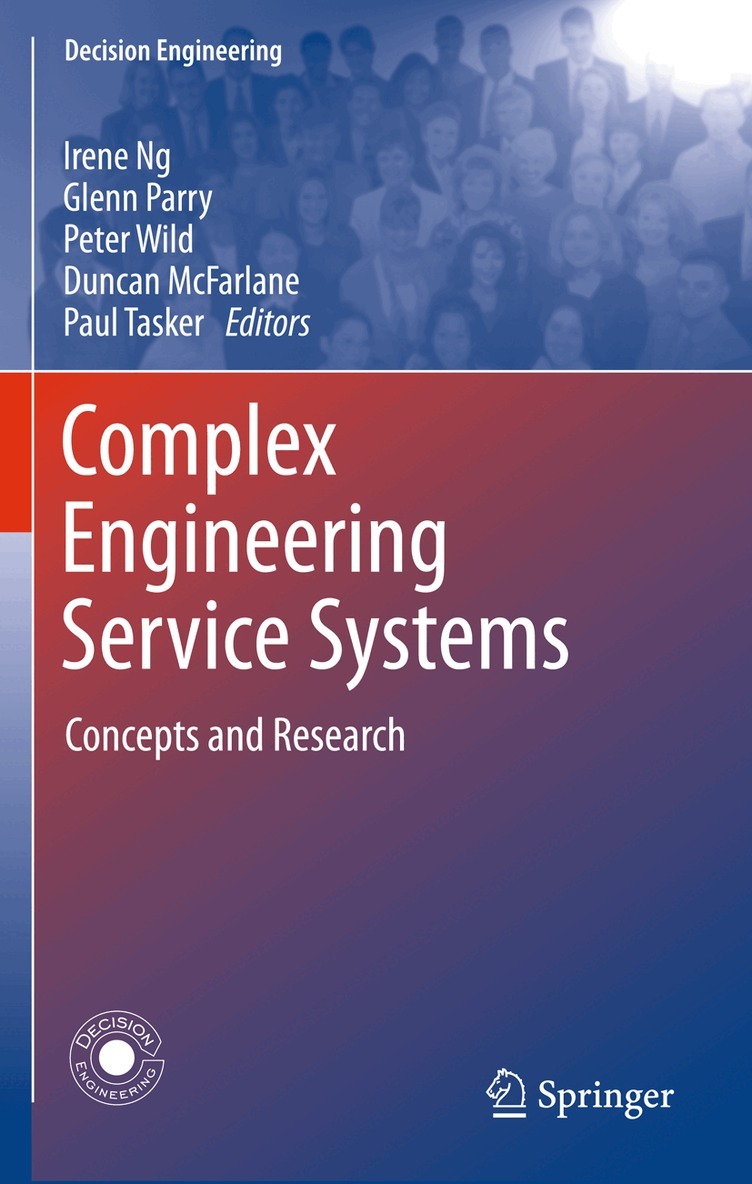
For manufacturers of complex engineering equipment, the focus on service and achieving outcomes for customers is the key to growth. Yet, the capability to provide service for complex engineered products is less understood.Taking a trans-disciplinary approach, Complex Engineering Service Systems covers various aspects of service in complex engineering systems, with perspectives from engineering, management, design, operations research, strategy, marketing and operations management that are relevant to different disciplines, organisation functions, and geographic locations. The focus is on the many facets of complex engineering service systems around a core integrative framework of three value transformations – that of material/equipment, information and people.Complex Engineering Service Systems is the outcome of the EPSRC/BAE Systems S4T (Service Support Solutions: Strategy and Transition) research programme of 10 universities and 27 researchers, which examined how high-value manufacturers of complex engineering products adapt to a multi-partnered environment to design and deliver value in a service system. Complex Engineering Service Systems aims to be the main source of knowledge for academics and professionals in the research and practice of contracting, managing, designing, leading, and delivering complex engineering service systems. The book takes a value-based approach to integrating equipment and human factors into a total service provision. In doing so, it aims to advance the field of service systems and engineering.
1 105 kr
Skickas inom 10-15 vardagar
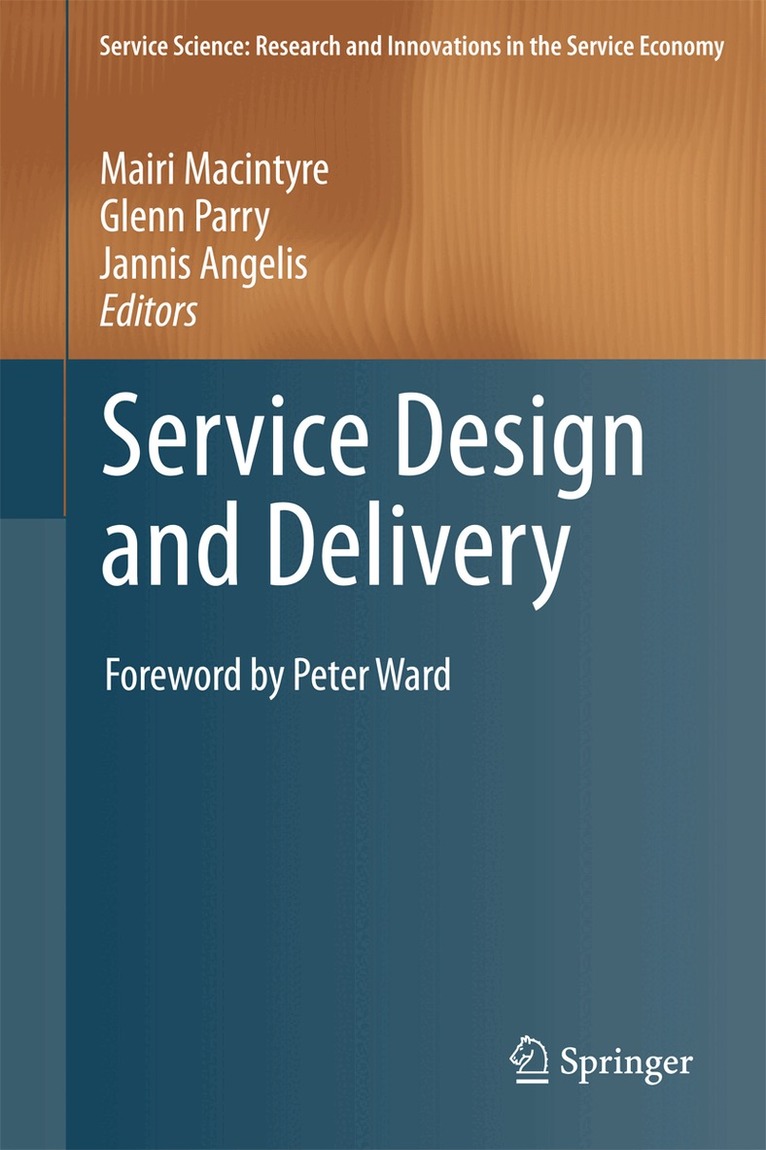
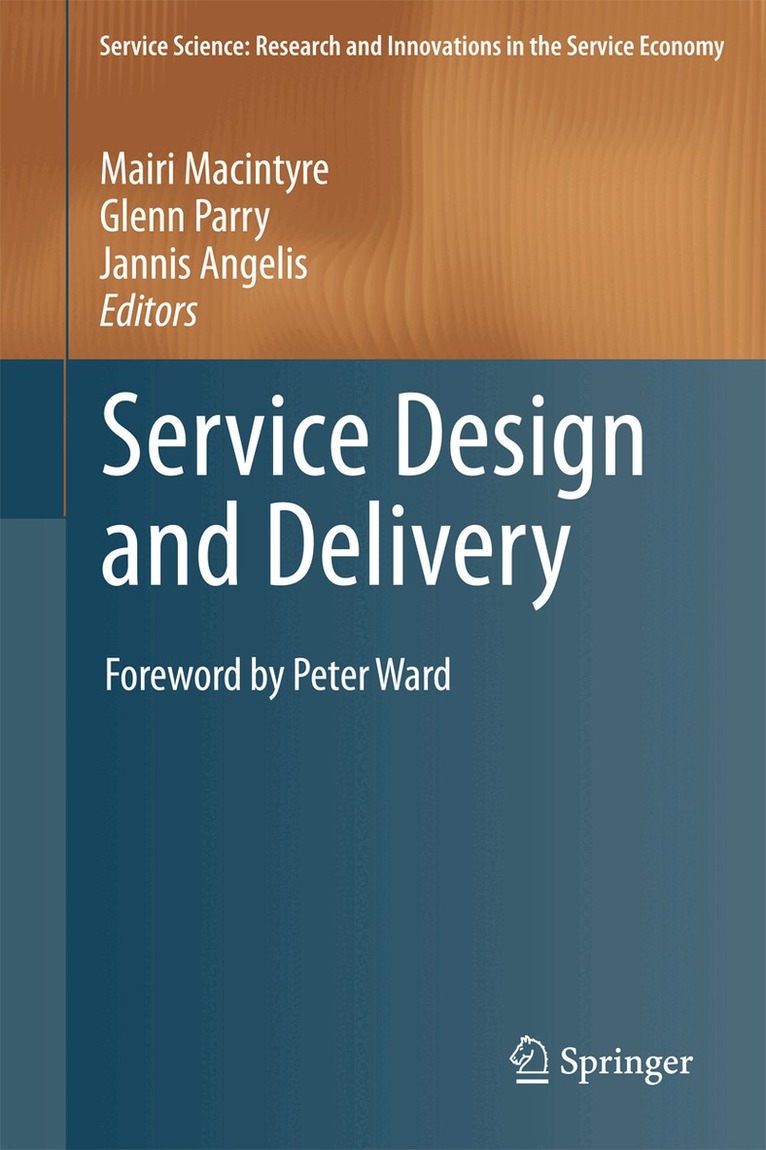
Service Design and Delivery provides a comprehensive overview of the increasingly important role played by the service industry. Focusing on the development of different processes employed by service organizations, the book emphasizes management of service in relation to products. It not only explores the complexity of this relationship, but also introduces strategies used in the design and management of service across various sectors, highlighting where tools, techniques and processes applicable to one sector may prove useful in another. The implementation methods introduced in the book also illustrate how and why companies can transform themselves into service organizations. While the book is primarily intended as a text for advanced-level courses in service design and delivery, it also contains theoretical and practical knowledge beneficial to both practitioners in the service sector and those in manufacturing contemplating moving towards service delivery.
1 590 kr
Skickas inom 10-15 vardagar
For manufacturers of complex engineering equipment, the focus on service and achieving outcomes for customers is the key to growth. Yet, the capability to provide service for complex engineered products is less understood.Taking a trans-disciplinary approach, Complex Engineering Service Systems covers various aspects of service in complex engineering systems, with perspectives from engineering, management, design, operations research, strategy, marketing and operations management that are relevant to different disciplines, organisation functions, and geographic locations. The focus is on the many facets of complex engineering service systems around a core integrative framework of three value transformations – that of material/equipment, information and people.Complex Engineering Service Systems is the outcome of the EPSRC/BAE Systems S4T (Service Support Solutions: Strategy and Transition) research programme of 10 universities and 27 researchers, which examined how high-value manufacturers of complex engineering products adapt to a multi-partnered environment to design and deliver value in a service system. Complex Engineering Service Systems aims to be the main source of knowledge for academics and professionals in the research and practice of contracting, managing, designing, leading, and delivering complex engineering service systems. The book takes a value-based approach to integrating equipment and human factors into a total service provision. In doing so, it aims to advance the field of service systems and engineering.
1 215 kr
Skickas inom 10-15 vardagar
Service Design and Delivery provides a comprehensive overview of the increasingly important role played by the service industry. Focusing on the development of different processes employed by service organizations, the book emphasizes management of service in relation to products. It not only explores the complexity of this relationship, but also introduces strategies used in the design and management of service across various sectors, highlighting where tools, techniques and processes applicable to one sector may prove useful in another. The implementation methods introduced in the book also illustrate how and why companies can transform themselves into service organizations. While the book is primarily intended as a text for advanced-level courses in service design and delivery, it also contains theoretical and practical knowledge beneficial to both practitioners in the service sector and those in manufacturing contemplating moving towards service delivery.
1 492 kr
Skickas inom 7-10 vardagar
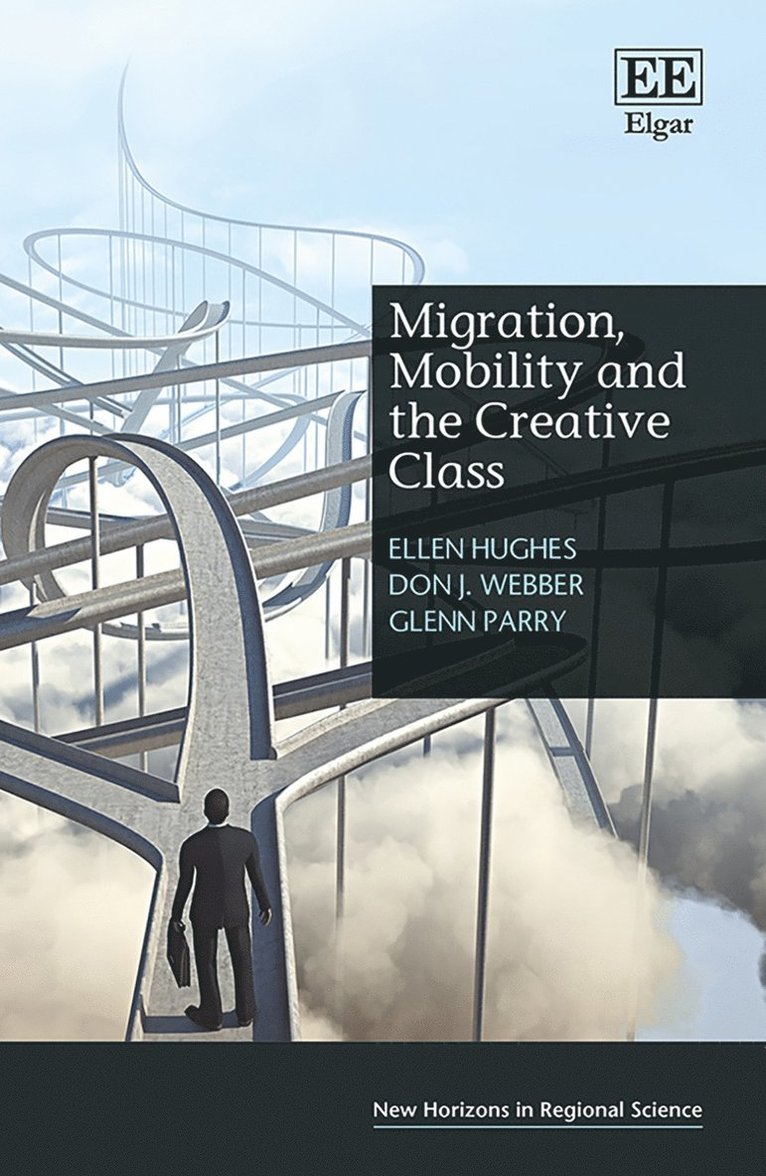
Migration, Mobility and the Creative Class challenges contemporary conceptions of the mobility of the creative worker. Exploring the differences between a range of historical, political, and social contexts, this forward-thinking book contests the validity and logic of policymakers’ strategies to attract the creative class, and emphasises the need for a reassessment of the plans employed for local and regional development.Drawing on detailed biographical life-course information obtained through in-depth interviews with creative workers, this book refutes established ideas that creative workers are a unique, autonomous and highly mobile group. Documenting empirical findings, it highlights how the migration and occupation patterns of creative workers are intimately connected with their early family experiences and to their social class. Ultimately, this innovative book recommends that policy should redirect its focus away from migration and towards creating places with good schools, affordable housing, sustainable jobs and strong connections across communities.Pairing in-depth case studies with established theoretical grounding, this book will be a fascinating read for academics, researchers and students specialising in economic geography, regional economics, migration and human geography. Its unique insights and practical policy recommendations will also be of benefit to those working in town planning, regional policy development and the creative industries.
1 073 kr
Skickas inom 10-15 vardagar
Over the past 100 years the European Automotive Industry has been repeatedly challenged by best practice. First by the United States, through the development of ‘mass production’ pioneered by Henry Ford and more recently by ‘lean production techniques’ as practised by the leading Japanese producers, particularly Toyota. It has consistently risen to these challenges and has shown it can compete and even outperform its competitors with world-class products. However, the European - dustry is now faced with growing competition and growth from new emerging low-cost countries and needs to re-define its competitive advantage to remain at the forefront of the sector. Automotive growth is driven by two factors, new m- kets and new technologies. Global competition is increasing, with technology and product differentiation becoming the most important sales factors, but with c- tinued cost pressure. Within the market the winners will be more profitable and the losers will disappear. The Automotive Industry makes a significant contribution to the socio-economic fabric of the European Union. Manufacturing output represents €700 billion and research and development spending €24 billion. European automotive suppliers number 5000 member companies and represent 5 million employees and generate €500 billion in revenues. These are significant figures that generate wealth and high value employment within the EU. European firms must consistently improve their competitive position to ensure that the industry does not migrate to growing new markets.
1 073 kr
Skickas inom 10-15 vardagar
Over the past 100 years the European Automotive Industry has been repeatedly challenged by best practice. First by the United States, through the development of ‘mass production’ pioneered by Henry Ford and more recently by ‘lean production techniques’ as practised by the leading Japanese producers, particularly Toyota. It has consistently risen to these challenges and has shown it can compete and even outperform its competitors with world-class products. However, the European - dustry is now faced with growing competition and growth from new emerging low-cost countries and needs to re-define its competitive advantage to remain at the forefront of the sector. Automotive growth is driven by two factors, new m- kets and new technologies. Global competition is increasing, with technology and product differentiation becoming the most important sales factors, but with c- tinued cost pressure. Within the market the winners will be more profitable and the losers will disappear. The Automotive Industry makes a significant contribution to the socio-economic fabric of the European Union. Manufacturing output represents €700 billion and research and development spending €24 billion. European automotive suppliers number 5000 member companies and represent 5 million employees and generate €500 billion in revenues. These are significant figures that generate wealth and high value employment within the EU. European firms must consistently improve their competitive position to ensure that the industry does not migrate to growing new markets.