Graham R. Hamborg – författare
Visar alla böcker från författaren Graham R. Hamborg. Handla med fri frakt och snabb leverans.
5 produkter
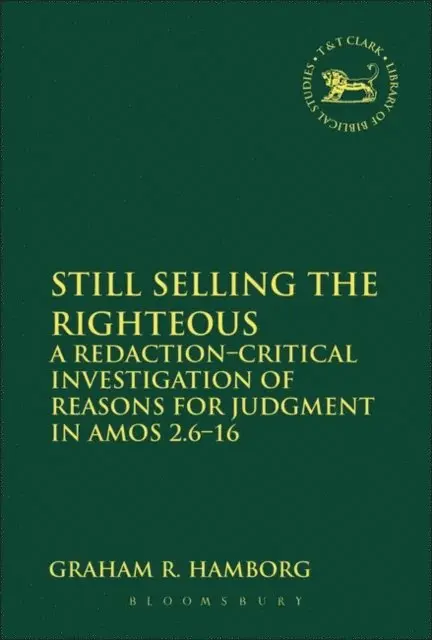
Still Selling the Righteous
A Redaction-Critical Investigation of Reasons for Judgment in Amos 2.6-16
E-bok, 2012
608 kr
Lägg i varukorg
This redaction-critical study interprets the reasons for judgment in Amos 2.6-16 in the literary context of each of the redactional compositions which, it is argued, underlie the Amos-text. It is proposed that the Amos-text is both a theological work and a tractate of social criticism. In earlier …
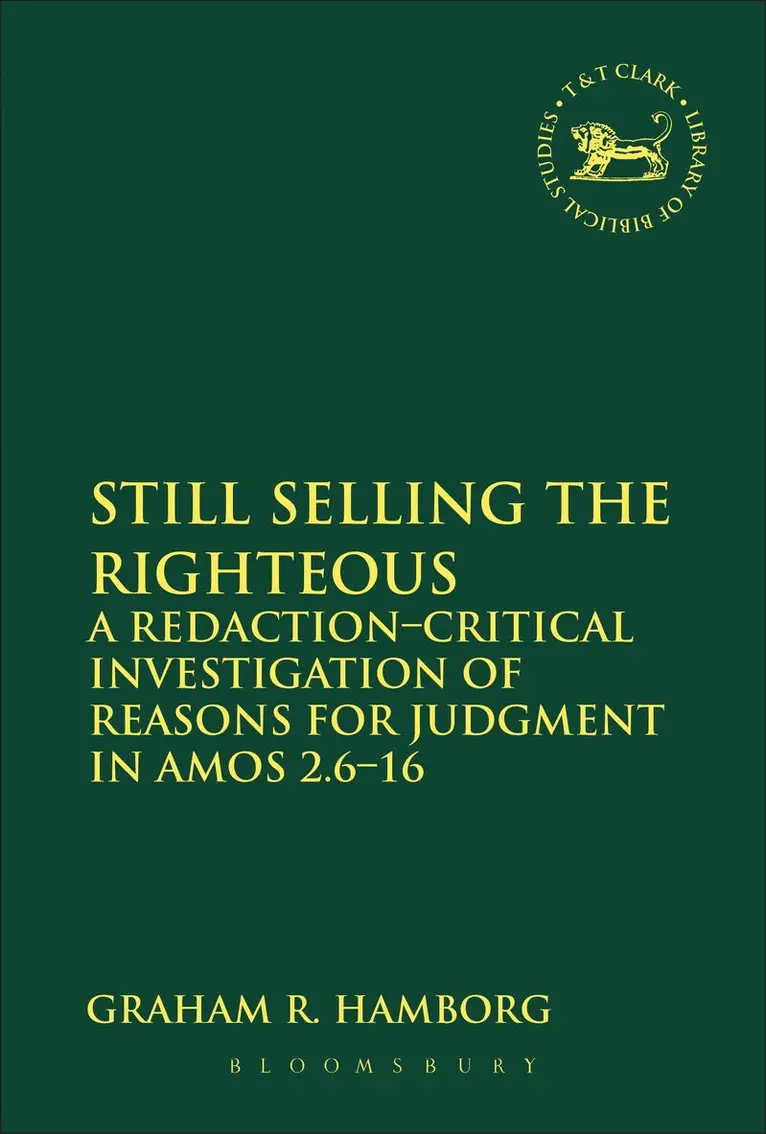
Still Selling the Righteous
A Redaction-critical Investigation of Reasons for Judgment in Amos 2.6-16
Av Graham R. Hamborg, Laura Quick
Häftad, 2014
565 kr
Lägg i varukorg
This redaction-critical study interprets the reasons for judgment in Amos 2.6-16 in the literary context of each of the redactional compositions which, it is argued, underlie the Amos-text. It is proposed that the Amos-text is both a theological work and a tractate of social criticism. In earlier …
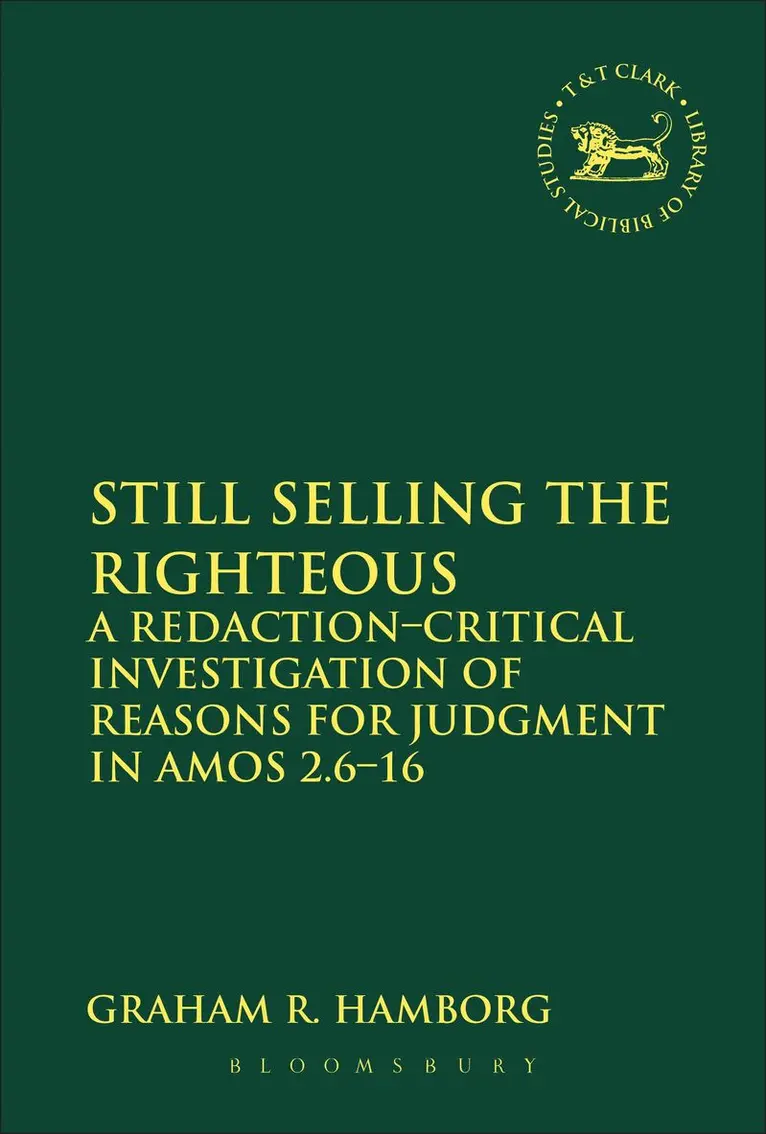
Still Selling the Righteous
A Redaction-critical Investigation of Reasons for Judgment in Amos 2.6-16
Av Graham R. Hamborg, Laura Quick
Inbunden, 2012
2440 kr
Lägg i varukorg
This title investigates the composition history of the "Amos-text" by drawing on the influential works of Hans W Wolff and J Jeremias. This redaction-critical study interprets the reasons for judgment in "Amos" 2.6-16 in the literary context of each of the redactional compositions which, it is …
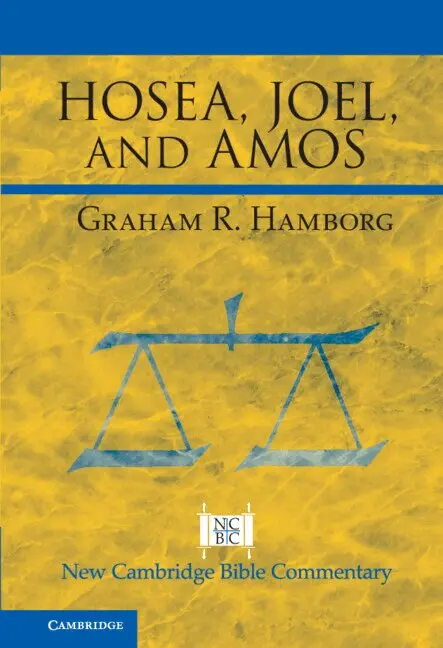
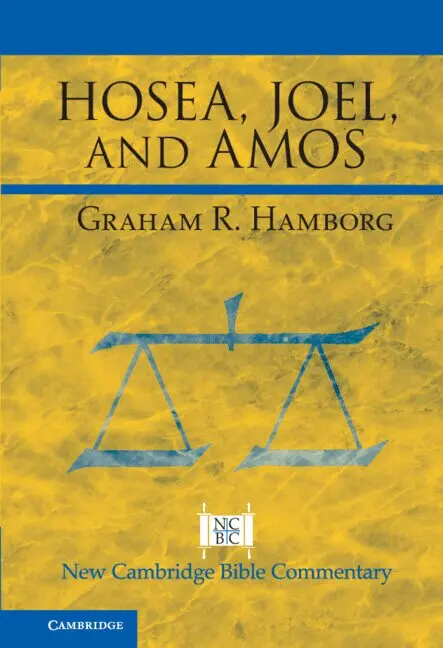
Hosea, Joel, and Amos
Inbunden, 2023
1592 kr
Lägg i varukorg
In this commentary, Graham Hamborg offers a timely and up to date assessment of the books of Hosea, Joel and Amos. Recognising that each had a compositional history leading to the final forms by which we know them, he brings a literary approach to the texts and connects them to other parts of the …
Hosea, Joel, and Amos
Häftad, 2023
581 kr
Lägg i varukorg
In this commentary, Graham Hamborg offers a timely and up to date assessment of the books of Hosea, Joel and Amos. Recognising that each had a compositional history leading to the final forms by which we know them, he brings a literary approach to the texts and connects them to other parts of the …