Gunther S. Stent – författare
Visar alla böcker från författaren Gunther S. Stent. Handla med fri frakt och snabb leverans.
7 produkter
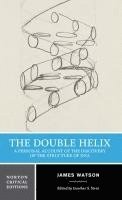
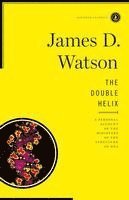
Double Helix: A Personal Account of the Discovery of the Structure of DNA
A Norton Critical Edition
Av James D. Watson, Gunther S. Stent
Häftad, 1980
189 kr
Lägg i varukorg
Background materials include reproductions of the original scientific papers in which the double helical structure of DNA was first presented in 1953 and 1954.In Criticism, which begins with "A Review of the Reviews" by Gunther Stent, other scientists and scholars reveal their own experiences and …
Paradoxes of Free Will
Transactions, American Philosophical Society (vol. 92, Part 6)
Häftad, 2002
503 kr
Lägg i varukorg
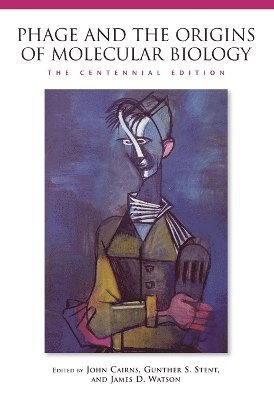
Phage and the Origins of Molecular Biology, the Centennial Edition
Av John Cairns, Gunther S Stent m. fl.
Häftad, 2017
756 kr
Lägg i varukorg
Phagen Und Die Entwicklung Der Molekularbiologie
Av John Cairns, Erhard Geißler m. fl.
Inbunden, 1972
2311 kr
Lägg i varukorg
Phagen und die Entwicklung der Molekularbiologie
Av James D. Watson, Gunther S. Stent m. fl.
E-bok, 2024
1761 kr
Lägg i varukorg
Keine ausführliche Beschreibung für "Phagen und die Entwicklung der Molekularbiologie" verfügbar.
Double Helix
A Personal Account of the Discovery of the Structure of DNA
Av Gunther S. Stent, James D. Watson
Inbunden, 1998
282 kr
Tillfälligt slut
The classic personal account of Watson and Crick’s groundbreaking discovery of the structure of DNA, now with an introduction by Sylvia Nasar, author of A Beautiful Mind . By identifying the structure of DNA, the molecule of life, Francis Crick and James Watson revolutionized biochemistry and won …
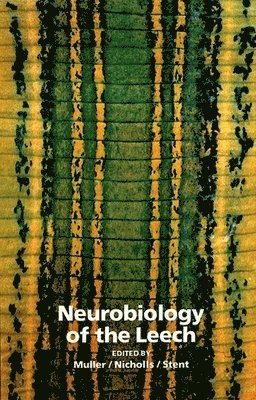
Neurobiology of the Leech
Av Kenneth J Muller, John G Nicholls m. fl.
Inbunden, 2010
1097 kr
Tillfälligt slut