Gustavs Strenga – författare
Visar alla böcker från författaren Gustavs Strenga. Handla med fri frakt och snabb leverans.
6 produkter
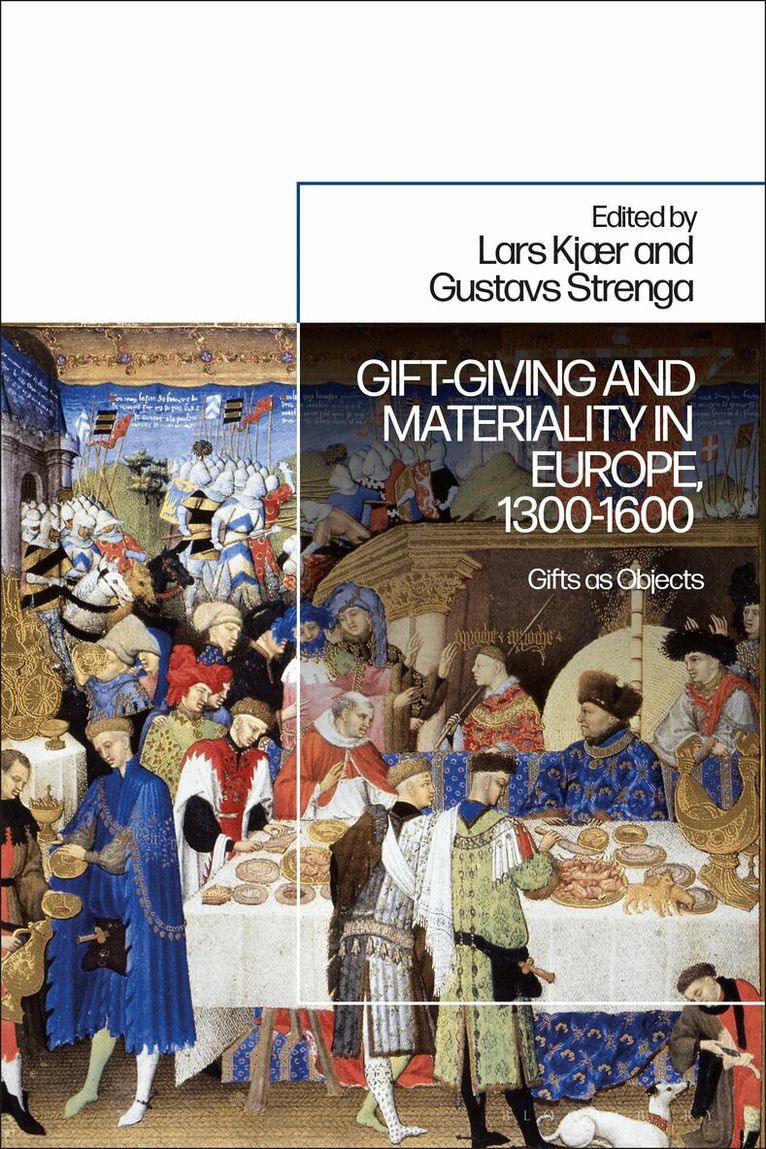
Gift-Giving and Materiality in Europe, 1300-1600
Gifts as Objects
Av Lars Kjaer, Gustavs Strenga
Inbunden, 2022
1385 kr
Lägg i varukorg
Gift-giving played an important role in political, social and religious life in medieval and early modern Europe. This volume explores an under-examined and often-overlooked aspect of this phenomenon: the material nature of the gift.Drawing on examples from both medieval and early modern Europe, …
Gift-Giving and Materiality in Europe, 1300-1600
Gifts as Objects
Av Lars Kjaer, Gustavs Strenga
E-bok, 2022
471 kr
Lägg i varukorg
Gift-giving played an important role in political, social and religious life in medieval and early modern Europe. This volume explores an under-examined and often-overlooked aspect of this phenomenon: the material nature of the gift. Drawing on examples from both medieval and early modern Europe, …
Gift-Giving and Materiality in Europe, 1300-1600
Gifts as Objects
Av Lars Kjaer, Gustavs Strenga
E-bok, 2022
482 kr
Lägg i varukorg
Gift-giving played an important role in political, social and religious life in medieval and early modern Europe. This volume explores an under-examined and often-overlooked aspect of this phenomenon: the material nature of the gift. Drawing on examples from both medieval and early modern Europe, …
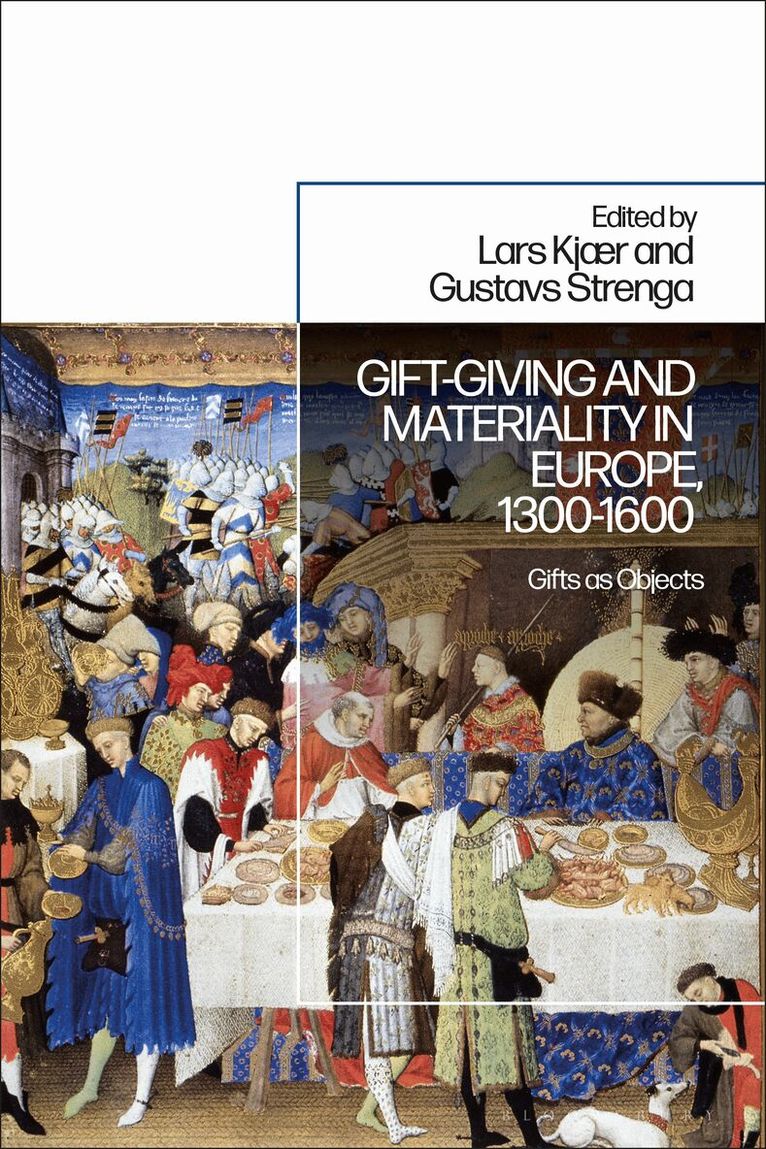
Gift-Giving and Materiality in Europe, 1300-1600
Gifts as Objects
Av Lars Kjaer, Gustavs Strenga
Häftad, 2024
442 kr
Lägg i varukorg
Gift-giving played an important role in political, social and religious life in medieval and early modern Europe. This volume explores an under-examined and often-overlooked aspect of this phenomenon: the material nature of the gift.Drawing on examples from both medieval and early modern Europe, …
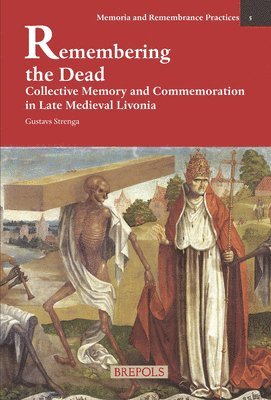
Remembering the Dead
Collective Memory and Commemoration in Late Medieval Livonia
Inbunden, 2023
1425 kr
Lägg i varukorg
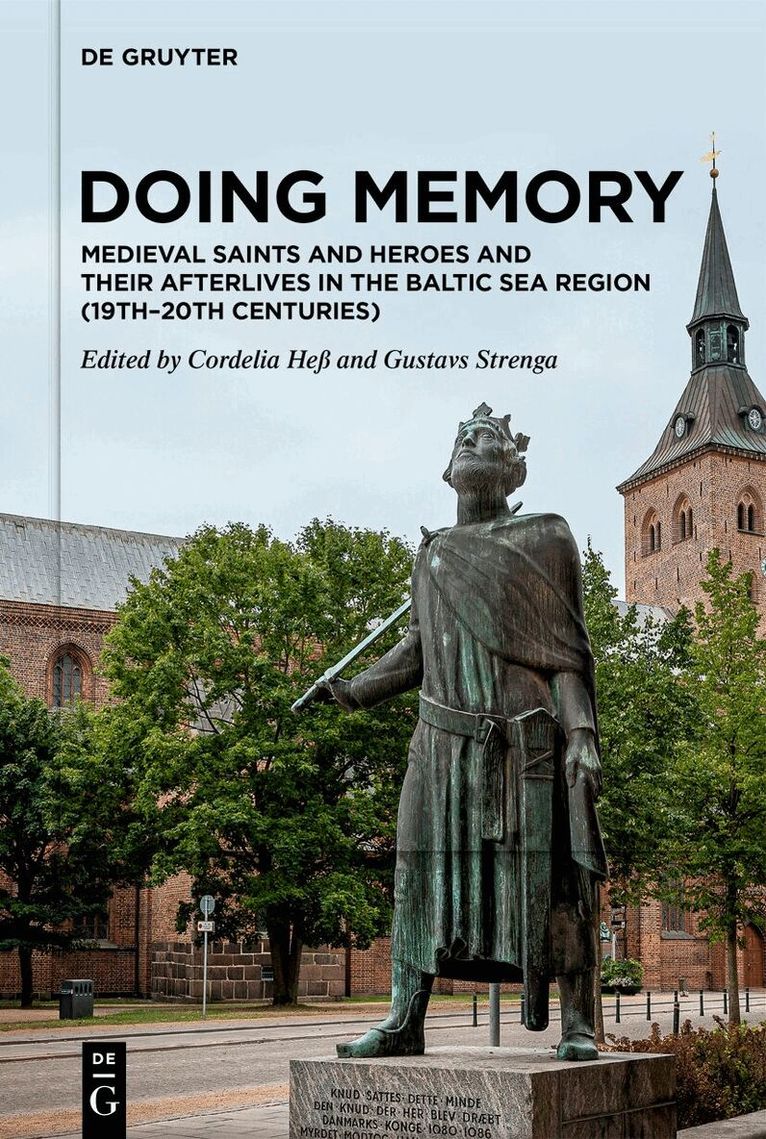
Doing Memory: Medieval Saints and Heroes and Their Afterlives in the Baltic Sea Region (19th–20th centuries)
Av Cordelia Heß, Gustavs Strenga
Inbunden, 2024
1842 kr
Lägg i varukorg
This anthology is about the representations and uses of medieval saints, heroes, and heroic events as elements of popular, local, and national culture during the 19th and 20th centuries in the Baltic Sea region: Scandinavia, Finland, Baltic countries, Northern Germany and North-Western Russia. …