• Fri frakt över 249 kr
  • •
  • Snabba leveranser
  • •
  • Billiga böcker
Kundservice

Du är på sajten för privatpersoner.

Företag, bibliotek eller offentlig verksamhet?

Du handlar på classic.bokus.com, där alla dina funktioner finns intakta.
Till classic.bokus.com
Bokus logotyp. Gå till startsidan.
  • Erbjudanden
  • Nyheter
  • Student
  • Topplistor
  • Barn & ungdom
  • Bokus Play
  • E-böcker
  • Pocketböcker
  • Spel & pussel

10% rabatt på allt med kod: NYSTART10 →

Sidfot

Mina sidor

    Hjälp

    • Kundservice
    • Vanliga frågor och svar
    • Frakt och leverans
    • Retur vid ångerrätt
    • Reklamera vara
    • Betalning
    • Köpvillkor
    • Allmänna villkor
    • Information om webbplatsens tillgänglighet

    Om Bokus

    • Om oss
    • Pressrum
    • För studenter
    • För företag
    • För bibliotek och offentlig verksamhet
    • För leverantörer
    • Hållbarhet

    Populärt

    • Aktuella erbjudanden
    • Presentkort
    • Studentlitteratur
    • Nya böcker
    • Topplistor
    • Signerade böcker
    • Engelska böcker

    Inspiration

    • Boktips
    • BookTok
    • Populära bokserier
    • Barnbokskaraktärer
    • Populära författare
    Logotyp för Bokus
    Följ oss på Facebook (extern länk)Följ oss på Instagram (extern länk)Följ oss på YouTube (extern länk)Följ oss på TikTok (extern länk)
    bokus @ CookiesAnpassa cookiesIntegritetspolicyKöpvillkor
    Till Citymail hemsida (extern länk)Till Budbee hemsida (extern länk)Till Postnord hemsida (extern länk)Till Schenker hemsida (extern länk)Till Early Bird hemsida (extern länk)Till Walleys hemsida (extern länk)
    1. Samhälle och politik
    2. Samhälle och kultur
    3. Kultur och medier
    4. Kulturvetenskap

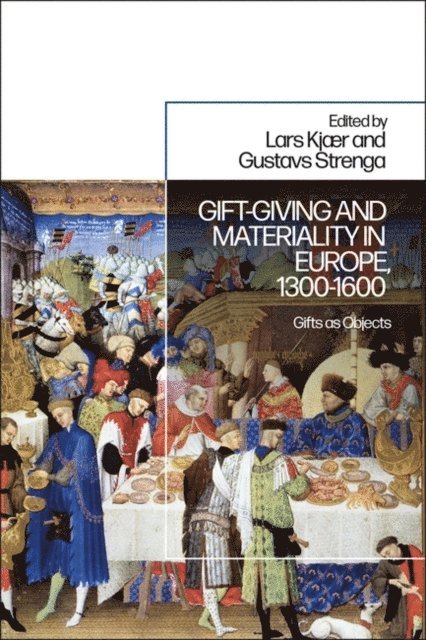
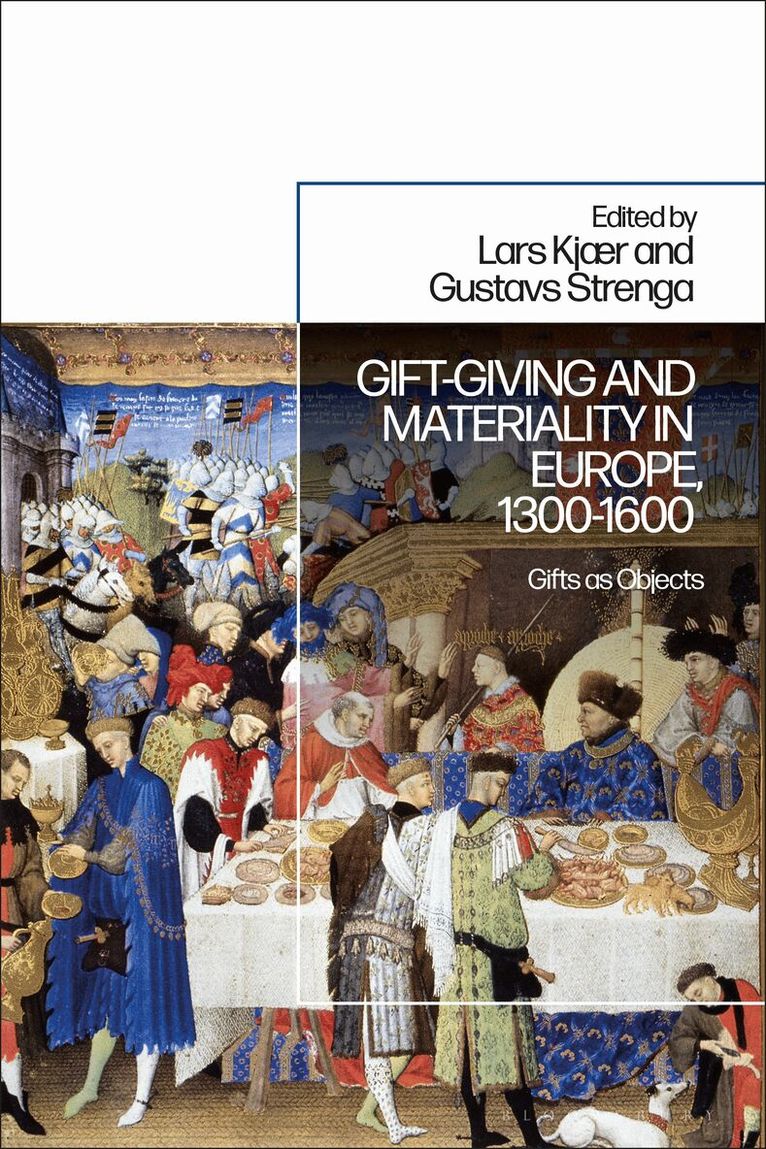
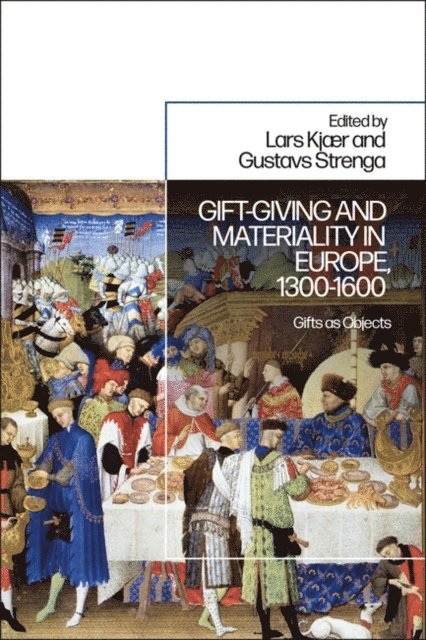
    Gift-Giving and Materiality in Europe, 1300-1600

    Gifts as Objects

    AvLars Kjaer,Gustavs Strenga

    Inbunden, Engelska, 2022

    1 365 kr

    Beställningsvara. Skickas inom 10-15 vardagar. Fri frakt över 249 kr.

    Beskrivning

    Gift-giving played an important role in political, social and religious life in medieval and early modern Europe. This volume explores an under-examined and often-overlooked aspect of this phenomenon: the material nature of the gift.Drawing on examples from both medieval and early modern Europe, the authors from the UK and across Europe explore the craftsmanship involved in the production of gifts and the use of exotic objects and animals, from elephant bones to polar bears and ‘living’ holy objects, to communicate power, class and allegiance. Gifts were publicly given, displayed and worn and so the book explores the ways in which, as tangible objects, gifts could help to construct religious and social worlds. But the beauty and material richness of the gift could also provoke anxieties. Classical and Christian authorities agreed that, in gift-giving, it was supposed to be the thought that counted and consequently wealth and grandeur raised worries about greed and corruption: was a valuable ring payment for sexual services or a token of love and a promise of marriage? Over three centuries, Gift-Giving and Materiality in Europe, 1300-1600: Gifts as Objects reflects on the possibilities, practicalities and concerns raised by the material character of gifts.

    Produktinformation

    • Utgivningsdatum:2022-10-06
    • Mått:162 x 236 x 22 mm
    • Vikt:560 g
    • Format:Inbunden
    • Språk:Engelska
    • Antal sidor:272
    • Förlag:Bloomsbury Publishing PLC
    • ISBN:9781350183698

    Utforska kategorier

    • Kulturvetenskap inom Samhälle och politik
    • Socialhistoria och kulturhistoria inom Historia och arkeologi
    • Europas historia inom Historia och arkeologi

    Mer om författaren

    Lars Kjaer is Associate Professor in Medieval History at the New College of the Humanities, UK. He is the author of The Medieval Gift and the Classical Tradition (2019) and the co-editor of Denmark and Europe in the Middle Ages (2014).Gustavs Strenga is a Postdoctoral Researcher at University of Greifswald, Germany. He has previously worked as a Postdoctoral Research Fellow at Tallinn University, Estonia, and Researcher at the National Library of Latvia.

    Recensioner i media

    This deeply learned and theoretically nuanced collection of essays explores the importance of materiality in the study of gift and counter-gift. From rings to chairs to banners, relics, elephant bones, and one’s self, the specificity of the object given was essential in creating the lasting relationships cemented in gift exchange, ensuring that the giver remained physically present with the receiver. And yet these objects had lives of their own, their significance changing over time in relationship to the communities that preserved them. The essays discuss not only the gifts themselves but objects such as poor boxes and images that were integral to gift-giving. Spanning the late Middle Ages to the early modern period, the volume also considers the changing meaning of gift giving brought about by the Reformation.

    Innehållsförteckning

    • List of Illustrations1. Introduction: The Matter of the Gift – Lars Kjaer (New College of the Humanities, UK)2. Of Ivory, Gold and Elephants: Materiality and Agency of Pre-modern Chairs as Gifts - Sabine Sommerer (University of Zurich, Switzerland)3. Rituals, Objects and Conflicts: Gifts Given during the Entry of Archbishop Silvester Stodewescher in the Riga Cathedral (1449) - Gustavs Strenga (Tallinn University, Estonia)4. (Re)moving Relics and Performing Gift Exchange between Early Modern Tuscany and Lithuania - Ruth S. Noyes (National Museum of Denmark, Denmark)5. Gift-giving and the Cult of Living Matter in Late Medieval Europe - Mads Heilskov (EHESS, France)6. With this Rynge’: The Materiality and Meaning of Late Medieval Marriage Rings - Anna Boeles Rowland(University of Leuven, Netherlands)7. Votive Offerings as Communication: Gift Exchange with Saint Nicholas of Tolentino (14th–16th Centuries) - Sari Katajala-Peltomaa (Tampere University, Finland)8. Alms Boxes and Charity: Giving to the Poor after the Lutheran Reformation in Denmark – Poul Grinder-Hansen (National Museum of Denmark, Denmark)9. Beyond Materiality: Circulating Objects and the Semantics of Violent Transactions in Late Medieval Baltic Urban Spaces - Philipp Höhn (University of Halle-Wittenberg, Germany)10. Conclusion - Miri Rubin (Queen Mary University of London, UK)Index