Guy Ben-Porat – författare
546 kr
Skickas inom 10-15 vardagar
687 kr
Läs direkt efter köp
3 677 kr
Skickas inom 10-15 vardagar
2 269 kr
Skickas inom 10-15 vardagar
329 kr
Skickas inom 7-10 vardagar
666 kr
Skickas inom 7-10 vardagar
790 kr
Läs direkt efter köp
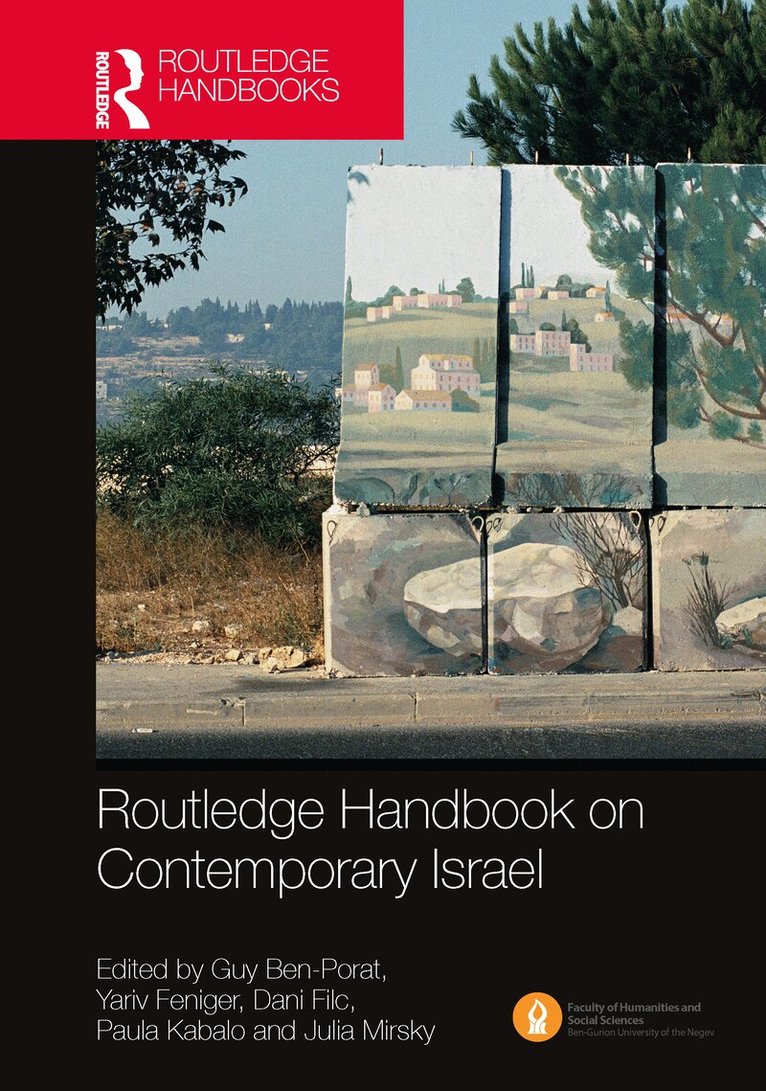
This Handbook provides a comprehensive overview of contemporary Israel, accounting for changes, developments and contemporary debates. The different chapters offer both a historical background and an updated analysis of politics, economy, society and culture.
Across five sections, a multidisciplinary group of experts, including sociologists, political scientists, historians and social scientists, engage in a wide variety of topics through different perspectives and insights. The book opens with a historical section outlining the formation of Israel and Jewish nationalism. The second section examines contemporary institutions in Israel, their developments and the contemporary challenges they face in light of social, economic, political and cultural changes. The third section explores geopolitics and Israel’s foreign relations, exploring conflicts, alliances and foreign policy with neighbors and powers. The fourth section engages with Israel’s internal divisions and schisms, highlighting questions of identity and inequality while also outlining processes of integration and marginalization between groups. The final section explores matters of culture, through the social and demographic shifts in contemporary music, poetry and cuisine, along with the struggles for inclusion and the impact of globalization on Israeli culture.
The Routledge Handbook on Contemporary Israel is designed for academics along with undergraduate and postgraduate students taking courses on Israel, Israeli politics, and culture and society in modern Israel.
790 kr
Läs direkt efter köp
This Handbook provides a comprehensive overview of contemporary Israel, accounting for changes, developments and contemporary debates. The different chapters offer both a historical background and an updated analysis of politics, economy, society and culture.
Across five sections, a multidisciplinary group of experts, including sociologists, political scientists, historians and social scientists, engage in a wide variety of topics through different perspectives and insights. The book opens with a historical section outlining the formation of Israel and Jewish nationalism. The second section examines contemporary institutions in Israel, their developments and the contemporary challenges they face in light of social, economic, political and cultural changes. The third section explores geopolitics and Israel’s foreign relations, exploring conflicts, alliances and foreign policy with neighbors and powers. The fourth section engages with Israel’s internal divisions and schisms, highlighting questions of identity and inequality while also outlining processes of integration and marginalization between groups. The final section explores matters of culture, through the social and demographic shifts in contemporary music, poetry and cuisine, along with the struggles for inclusion and the impact of globalization on Israeli culture.
The Routledge Handbook on Contemporary Israel is designed for academics along with undergraduate and postgraduate students taking courses on Israel, Israeli politics, and culture and society in modern Israel.
699 kr
Skickas inom 10-15 vardagar
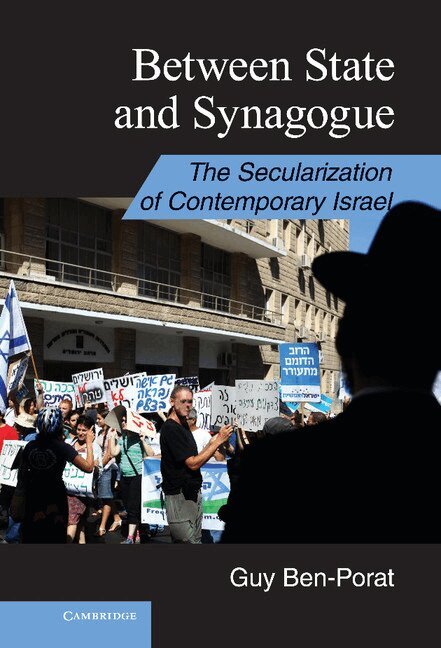
Between State and Synagogue
The Secularization of Contemporary Israel
1 071 kr
Skickas inom 7-10 vardagar
478 kr
Skickas inom 7-10 vardagar
1 378 kr
Skickas inom 7-10 vardagar
858 kr
Läs direkt efter köp
This book provides an integrated analysis of the complex nature of citizenship in Israel. Contributions from leading social and political theorists explore different aspects of citizenship through the demands and struggles of minority groups to provide a comprehensive picture of the dynamics of Israeli citizenship and the dilemmas that emerge at the collective and individual levels.
Considering the many complex layers of membership in the state of Israel including gender, ethnicity and religion, the book identifies and explores processes of inclusion and exclusion that are general issues in any modern polity with a highly diverse civil society. While the focus is unambiguously on modern Israel, the interpretations of citizenship are relevant to many other modern societies that face similar contradictory tendencies in membership. As such, the book will be of great interest to students and scholars of political science, political sociology and law.
858 kr
Läs direkt efter köp
This book provides an integrated analysis of the complex nature of citizenship in Israel. Contributions from leading social and political theorists explore different aspects of citizenship through the demands and struggles of minority groups to provide a comprehensive picture of the dynamics of Israeli citizenship and the dilemmas that emerge at the collective and individual levels.
Considering the many complex layers of membership in the state of Israel including gender, ethnicity and religion, the book identifies and explores processes of inclusion and exclusion that are general issues in any modern polity with a highly diverse civil society. While the focus is unambiguously on modern Israel, the interpretations of citizenship are relevant to many other modern societies that face similar contradictory tendencies in membership. As such, the book will be of great interest to students and scholars of political science, political sociology and law.
2 266 kr
Skickas inom 10-15 vardagar
783 kr
Skickas inom 10-15 vardagar
727 kr
Skickas inom 10-15 vardagar
925 kr
Läs direkt efter köp
Political debates in many Mediterranean countries today are increasingly framed in dichotomous terms, highlighting divisions between religious and secular worldviews. The role of religion in public life or, put another way, the ‘public return of religion’, is a pertinent and controversial political question everywhere in the Mediterranean region. How do we explain this phenomenon? On the one hand, we can point to both economic and demographic changes, while, on the other, we can trace the impact of continuing secularisation. Together these two sets of developments produce new challenges to existing political arrangements.
This book examines the contemporary interaction of religion and politics in the Mediterranean region with a specific focus on democratization and democracy and the role in this context of selected religious actors. Individual contributions focus on several European countries (France, Italy and Turkey), while others are concerned with states in the Middle East and North Africa (Egypt, Israel, Morocco, and Tunisia). Among European countries, France is widely regarded as a highly secular country, with over 50% of people regarding themselves as ‘without religion’. Morocco, on the other hand, is a much more religious country, measured by the fact that an estimated 94.5% of Moroccans self-identify themselves as Muslims. The specific country studies were selected because, whether they are ‘religious’ or not, each case has current controversies involving both religious and secular actors which impact upon key political relationships, centrally involving religion, secularization and democratization/democracy.
This book was published as a special issue of Mediterranean Politics.
925 kr
Läs direkt efter köp
Political debates in many Mediterranean countries today are increasingly framed in dichotomous terms, highlighting divisions between religious and secular worldviews. The role of religion in public life or, put another way, the ‘public return of religion’, is a pertinent and controversial political question everywhere in the Mediterranean region. How do we explain this phenomenon? On the one hand, we can point to both economic and demographic changes, while, on the other, we can trace the impact of continuing secularisation. Together these two sets of developments produce new challenges to existing political arrangements.
This book examines the contemporary interaction of religion and politics in the Mediterranean region with a specific focus on democratization and democracy and the role in this context of selected religious actors. Individual contributions focus on several European countries (France, Italy and Turkey), while others are concerned with states in the Middle East and North Africa (Egypt, Israel, Morocco, and Tunisia). Among European countries, France is widely regarded as a highly secular country, with over 50% of people regarding themselves as ‘without religion’. Morocco, on the other hand, is a much more religious country, measured by the fact that an estimated 94.5% of Moroccans self-identify themselves as Muslims. The specific country studies were selected because, whether they are ‘religious’ or not, each case has current controversies involving both religious and secular actors which impact upon key political relationships, centrally involving religion, secularization and democratization/democracy.
This book was published as a special issue of Mediterranean Politics.
545 kr
Skickas inom 10-15 vardagar