Hakan Gülerce – författare
Visar alla böcker från författaren Hakan Gülerce. Handla med fri frakt och snabb leverans.
4 produkter
4 produkter
Inbunden, Engelska, 2024
2 182 kr
Skickas inom 10-15 vardagar
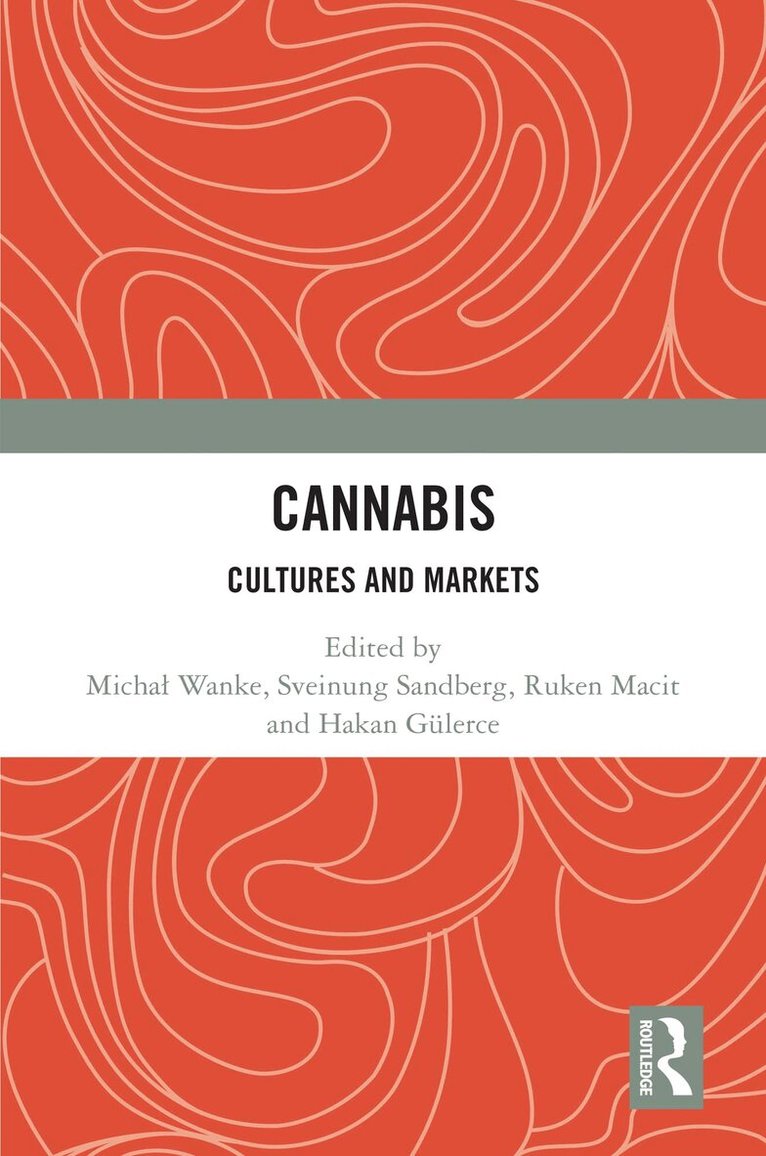
This book demonstrates how culture matters for the understanding of cannabis use. It stems from the growing body of research on how users manoeuvre stigmatisation and celebrate the subcultural status of cannabis amid rapid transformation of the substance and its societal reception. The volume presents international studies that challenge the normalisation thesis and simplified views on patterns of use, as well as the Western bias in social research of cannabis.Chapters in this book map the variability of cannabis cultures and markets on a global scale including digital, regulated and illicit markets in transformation. They study cannabis through stigmatisation, gender, social worlds, symbolic boundaries, subcultures, and identity work. The chapters address diverse themes, such as how Latvian, Polish, Nigerian or Mexican users negotiate mainstream conservative, and sometimes gendered societal reactions to cannabis - and how Nordic users’ identities are played out in more progressive contexts. Chapters also cover cannabis use by older people and small growers’ cultures in the US and the interconnections between the established cultures and their digital augmentation in Australia. Synthetic cannabis use is studied in New Zealand and the many contradictions of contemporary cannabis policies are highlighted throughout.Taken together, this book offers an assortment of studies that provide a descriptive and conceptual snapshot of ongoing transitions of paradoxically stable cannabis cultures. It was originally published as a special issue of Drugs: Education, Prevention and Policy.
Häftad, Engelska, 2025
652 kr
Skickas inom 10-15 vardagar
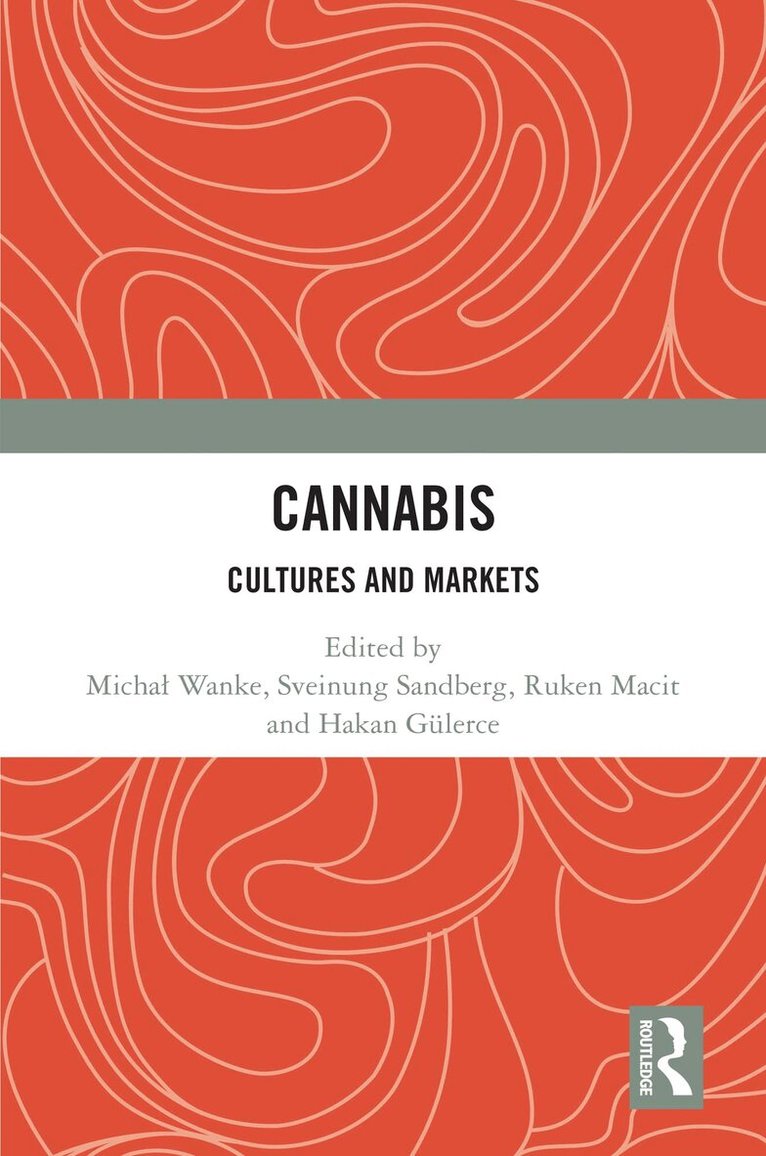
This book demonstrates how culture matters for the understanding of cannabis use. It stems from the growing body of research on how users manoeuvre stigmatisation and celebrate the subcultural status of cannabis amid rapid transformation of the substance and its societal reception. The volume presents international studies that challenge the normalisation thesis and simplified views on patterns of use, as well as the Western bias in social research of cannabis.Chapters in this book map the variability of cannabis cultures and markets on a global scale including digital, regulated and illicit markets in transformation. They study cannabis through stigmatisation, gender, social worlds, symbolic boundaries, subcultures, and identity work. The chapters address diverse themes, such as how Latvian, Polish, Nigerian or Mexican users negotiate mainstream conservative, and sometimes gendered societal reactions to cannabis - and how Nordic users’ identities are played out in more progressive contexts. Chapters also cover cannabis use by older people and small growers’ cultures in the US and the interconnections between the established cultures and their digital augmentation in Australia. Synthetic cannabis use is studied in New Zealand and the many contradictions of contemporary cannabis policies are highlighted throughout.Taken together, this book offers an assortment of studies that provide a descriptive and conceptual snapshot of ongoing transitions of paradoxically stable cannabis cultures. It was originally published as a special issue of Drugs: Education, Prevention and Policy.
E-bok
PDF, Engelska, 2024746 kr
Läs direkt efter köp
This book demonstrates how culture matters for the understanding of cannabis use. It stems from the growing body of research on how users manoeuvre stigmatisation and celebrate the subcultural status of cannabis amid rapid transformation of the substance and its societal reception. The volume presents international studies that challenge the normalisation thesis and simplified views on patterns of use, as well as the Western bias in social research of cannabis.Chapters in this book map the variability of cannabis cultures and markets on a global scale including digital, regulated and illicit markets in transformation. They study cannabis through stigmatisation, gender, social worlds, symbolic boundaries, subcultures, and identity work. The chapters address diverse themes, such as how Latvian, Polish, Nigerian or Mexican users negotiate mainstream conservative, and sometimes gendered societal reactions to cannabis - and how Nordic users' identities are played out in more progressive contexts. Chapters also cover cannabis use by older people and small growers' cultures in the US and the interconnections between the established cultures and their digital augmentation in Australia. Synthetic cannabis use is studied in New Zealand and the many contradictions of contemporary cannabis policies are highlighted throughout.Taken together, this book offers an assortment of studies that provide a descriptive and conceptual snapshot of ongoing transitions of paradoxically stable cannabis cultures. It was originally published as a special issue of Drugs: Education, Prevention and Policy.
E-bok
Engelska, 2024746 kr
Läs direkt efter köp
This book demonstrates how culture matters for the understanding of cannabis use. It stems from the growing body of research on how users manoeuvre stigmatisation and celebrate the subcultural status of cannabis amid rapid transformation of the substance and its societal reception. The volume presents international studies that challenge the normalisation thesis and simplified views on patterns of use, as well as the Western bias in social research of cannabis.Chapters in this book map the variability of cannabis cultures and markets on a global scale including digital, regulated and illicit markets in transformation. They study cannabis through stigmatisation, gender, social worlds, symbolic boundaries, subcultures, and identity work. The chapters address diverse themes, such as how Latvian, Polish, Nigerian or Mexican users negotiate mainstream conservative, and sometimes gendered societal reactions to cannabis - and how Nordic users' identities are played out in more progressive contexts. Chapters also cover cannabis use by older people and small growers' cultures in the US and the interconnections between the established cultures and their digital augmentation in Australia. Synthetic cannabis use is studied in New Zealand and the many contradictions of contemporary cannabis policies are highlighted throughout.Taken together, this book offers an assortment of studies that provide a descriptive and conceptual snapshot of ongoing transitions of paradoxically stable cannabis cultures. It was originally published as a special issue of Drugs: Education, Prevention and Policy.