Hana Lahr - Böcker
Visar alla böcker från författaren Hana Lahr. Handla med fri frakt och snabb leverans.
2 produkter
2 produkter
380 kr
Tillfälligt slut
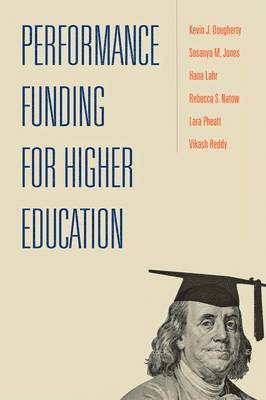
Seeking greater accountability in higher education, many states have adopted performance funding, tying state financial support of colleges and universities directly to institutional performance based on specific outcomes such as student retention, progression, and graduation. Now in place in over thirty states, performance funding for higher education has been endorsed by the US Department of Education and major funders like the Gates and Lumina foundations. Focusing on three states that are regarded as leaders in the movement-Indiana, Ohio, and Tennessee- Performance Funding for Higher Education presents the findings of a three-year research study on its implementation and impacts.Written by leading authorities and drawing on extensive interviews with government officials and college and university staff members, this book * describes the policy instruments states use to implement performance funding; * explores the organizational processes colleges rely on to determine how to respond to performance funding; * analyzes the influence of performance funding on institutional policies and programs; * reviews the impacts of performance funding on student outcomes; * examines the obstacles institutions encounter in responding to performance funding demands;* investigates the unintended impacts of performance funding. The authors conclude that, while performance funding clearly grabs the attention of colleges and leads them to change their policies and practices, it also encounters major obstacles and has unintended impacts. Colleges subject to performance funding are hindered in posting good results by inappropriate performance measures, insufficient organizational infrastructure, and the commitment to enroll many students who are poorly prepared or not interested in degrees.These obstacles help explain why multivariate statistical studies have failed to date to find a significant impact of performance funding on student outcomes, and why colleges are tempted to resort to weakening academic quality and restricting the admission of less-prepared and less-advantaged students in order to improve their apparent performance. These findings have wide-ranging implications for policy and research. Ultimately, the authors recommend that states create new ways of helping colleges with many at-risk students, define performance indicators and measures better tailored to institutional missions, and improve the capacity of colleges to engage in organizational learning.
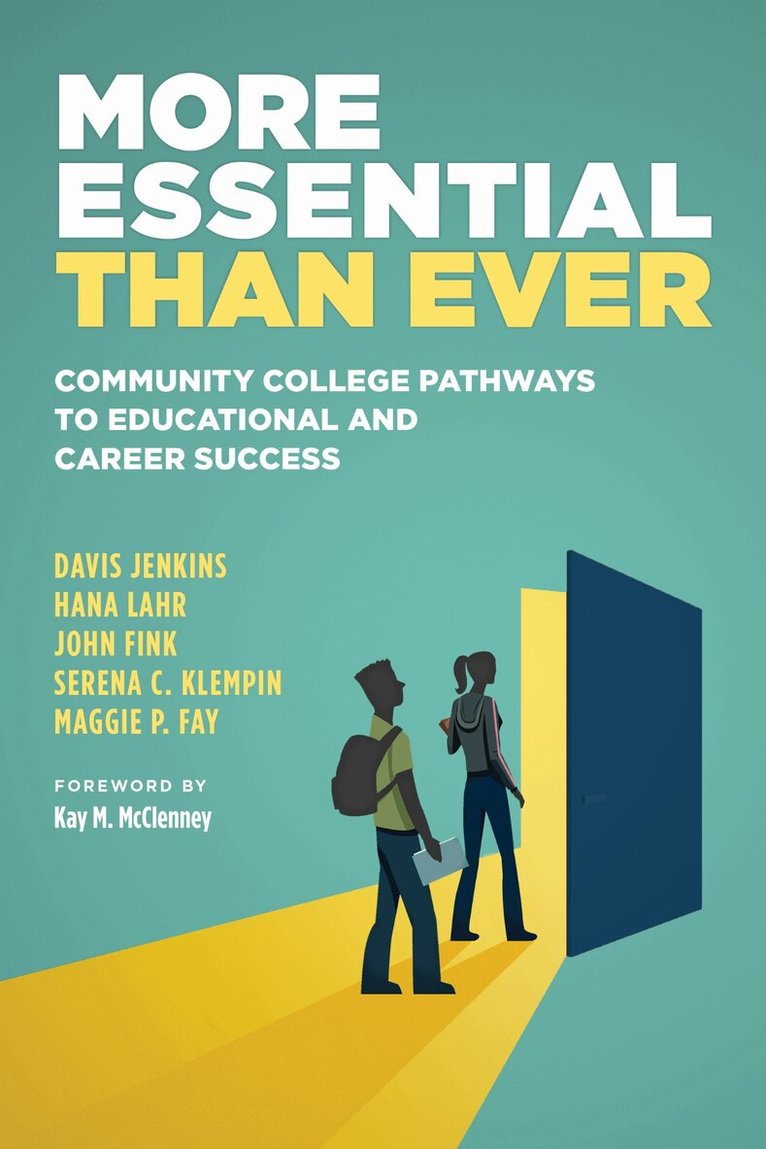
More Essential Than Ever
Community College Pathways to Educational and Career Success
Häftad, Engelska, 2025
353 kr
Skickas inom 7-10 vardagar
An evidence-based approach to community college transformation featuring innovative practices that strengthen offerings and foster student successIn More Essential Than Ever, researchers Davis Jenkins, Hana Lahr, John Fink, Serena C. Klempin, and Maggie P. Fay center US community colleges as critical to upward mobility and workforce development in their communities, highlighting new practices these institutions are using to build high-quality programs and support students’ educational and career success.Drawing on a decade of research on whole-college guided pathways reforms at more than 100 community colleges nationally, they illustrate how colleges have implemented large-scale changes to help students better navigate the journey to completion. They argue, however, that to achieve better and more equitable outcomes—and to recruit and retain more students in a highly competitive market—colleges must not only remove barriers to completion but also strengthen pathways to student goals after graduation, thus making their investment of money, time, and effort worth it.The book provides compelling case studies of how colleges are achieving this along five frontiers: strengthening program career and baccalaureate transfer outcomes, teaching students to be versatile learners, strengthening recruitment and onboarding, ensuring students complete in as little time and at as low a cost as possible, and building on-ramps to high-opportunity postsecondary pathways from high school. The book also gives practical guidance for college leaders on managing and funding these innovations and for state policymakers on encouraging and supporting them.