Hans Martin Niemeier – författare
1 944 kr
Skickas inom 10-15 vardagar
629 kr
Skickas inom 10-15 vardagar
2 215 kr
Skickas inom 10-15 vardagar
2 215 kr
Skickas inom 10-15 vardagar
668 kr
Skickas inom 10-15 vardagar
648 kr
Skickas inom 10-15 vardagar
629 kr
Skickas inom 10-15 vardagar
563 kr
Skickas inom 10-15 vardagar
1 835 kr
Skickas
672 kr
Läs direkt efter köp
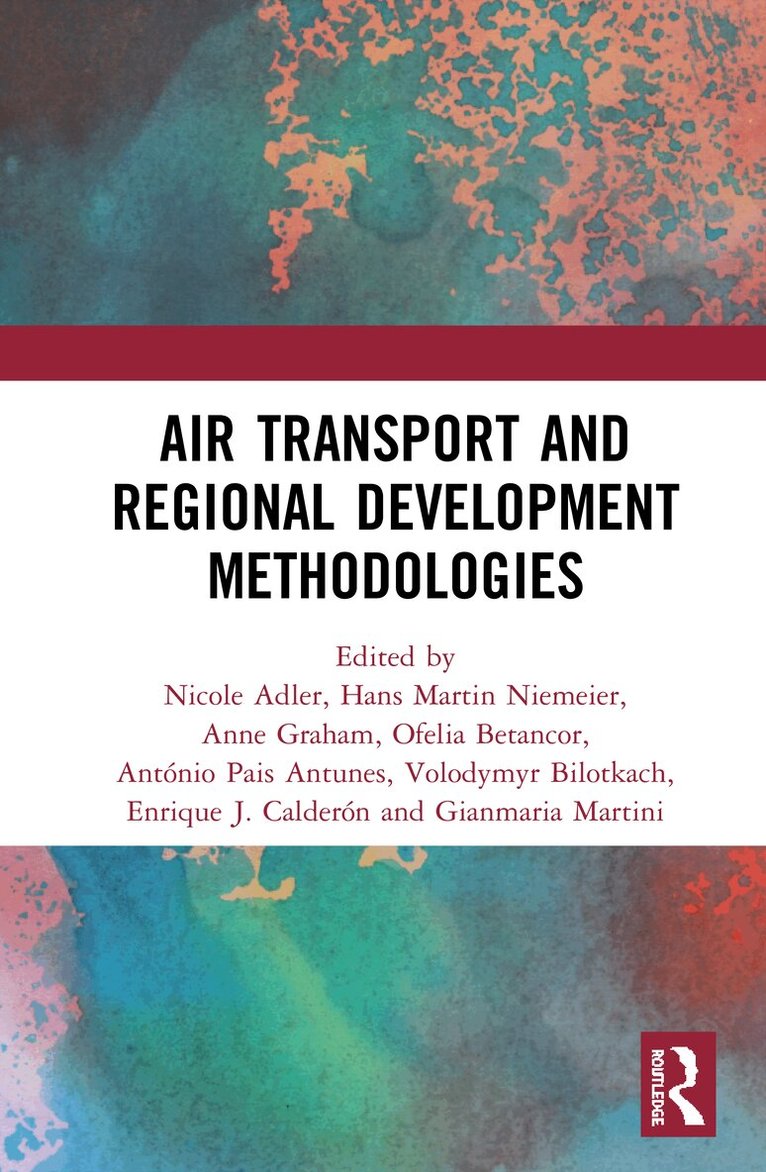
Air Transport and Regional Development Methodologies is one of three interconnected books related to a four-year European Cooperation in Science and Technology (COST) Action established in 2015. The action, called Air Transport and Regional Development (ATARD), aimed to promote a better understanding of how the air transport–related problems of core regions and remote regions should be addressed to enhance both economic competitiveness and social cohesion in Europe.
This book discusses key methodological approaches to assessing air transport and regional development, outlining their respective strengths and weaknesses. These include input- output analysis, cost benefit analysis, computable general equilibrium models, data envelopment analysis, stochastic frontier analysis, discrete choice models and game theory.
Air Transport and Regional Development Methodologies aims at becoming a major reference source on the topic, drawing from experienced researchers in the field, covering the diverse experience and knowledge of the members of the COST Action. The book will be of interest to several large groups. First, it will serve as an authoritative and comprehensive reference for academics, researchers and consultants. Second, it will advise policy- makers and government organizations at European, national and regional levels. Third, it presents invaluable insights to transport companies such as airports and airline operators. Along with the other two books (Air Transport and Regional Development Policies and Air Transport and Regional Development Case Studies), it fills a much-needed gap in the literature.
672 kr
Läs direkt efter köp
Air Transport and Regional Development Methodologies is one of three interconnected books related to a four-year European Cooperation in Science and Technology (COST) Action established in 2015. The action, called Air Transport and Regional Development (ATARD), aimed to promote a better understanding of how the air transport–related problems of core regions and remote regions should be addressed to enhance both economic competitiveness and social cohesion in Europe.
This book discusses key methodological approaches to assessing air transport and regional development, outlining their respective strengths and weaknesses. These include input- output analysis, cost benefit analysis, computable general equilibrium models, data envelopment analysis, stochastic frontier analysis, discrete choice models and game theory.
Air Transport and Regional Development Methodologies aims at becoming a major reference source on the topic, drawing from experienced researchers in the field, covering the diverse experience and knowledge of the members of the COST Action. The book will be of interest to several large groups. First, it will serve as an authoritative and comprehensive reference for academics, researchers and consultants. Second, it will advise policy- makers and government organizations at European, national and regional levels. Third, it presents invaluable insights to transport companies such as airports and airline operators. Along with the other two books (Air Transport and Regional Development Policies and Air Transport and Regional Development Case Studies), it fills a much-needed gap in the literature.
2 201 kr
Skickas inom 10-15 vardagar
2 137 kr
Skickas inom 10-15 vardagar
2 206 kr
Skickas inom 10-15 vardagar
2 137 kr
Skickas inom 10-15 vardagar
730 kr
Läs direkt efter köp
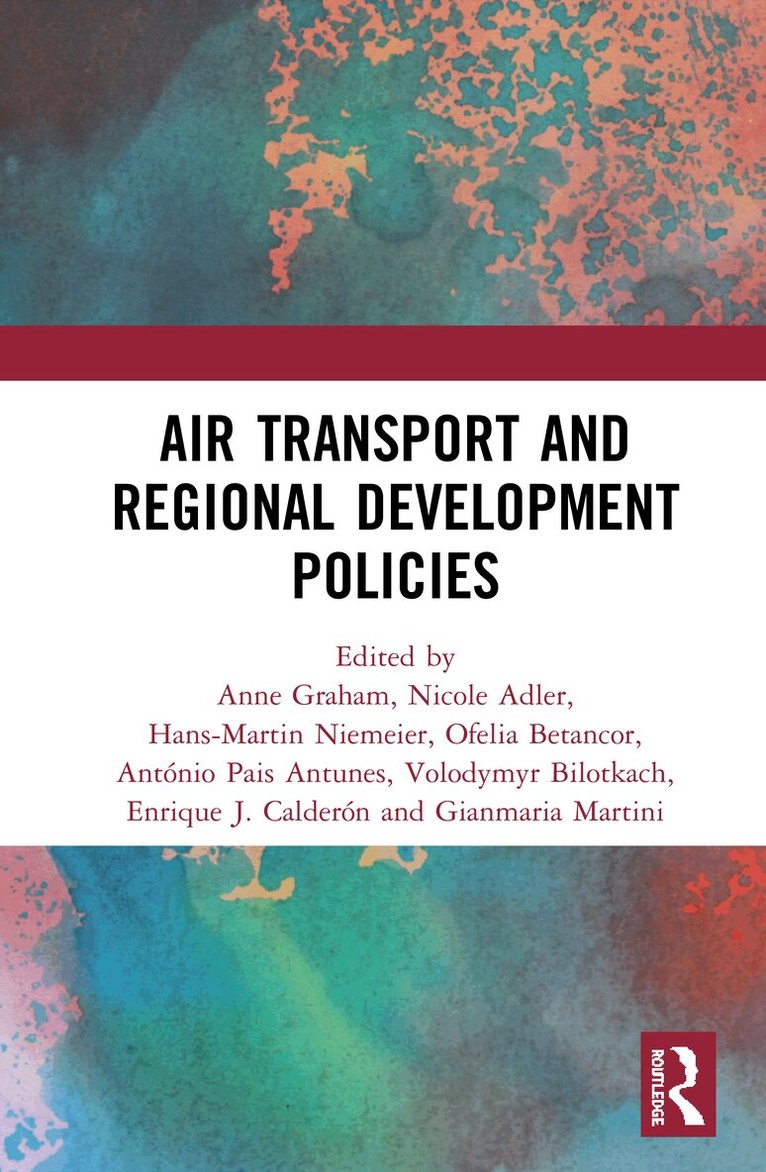
Air Transport and Regional Development Policies is one of three interconnected books related to a four-year European Cooperation in Science and Technology (COST) Action established in 2015. The Action, called Air Transport and Regional Development (ATARD), aimed to promote a better understanding of how the air transport–related problems of core regions and remote regions should be addressed in order to enhance both economic competitiveness and social cohesion in Europe.
This book focuses on policy implications related to air transport and regional development. It begins with chapters that generally discuss important policy issues related to air transport and regional development in relation to connectivity and accessibility; dependency; airport governance and regulation; and air traffic control frameworks. This is followed by a number of chapters that consider government subsidies and state aid. The final chapters focus on other policy implications (tourism development, airport expansion, passenger taxation and noise control). Currently, no other single source publication covers this topic area in such a comprehensive manner, insofar as it considers so many policies and examples.
The book aims at becoming a major reference source on the topic, drawing from experienced researchers in the field, covering the diverse experience and knowledge of the members of the COST Action. The book will appeal to academics, practitioners and government bodies who have a particular interest in acquiring detailed comparative knowledge and understanding of the policy implications of air transport and regional development. Along with the other two books (Air Transport and Regional Development Methodologies and Air Transport and Regional Development Case Studies) it fills a much-needed gap in the literature.
730 kr
Läs direkt efter köp
Air Transport and Regional Development Policies is one of three interconnected books related to a four-year European Cooperation in Science and Technology (COST) Action established in 2015. The Action, called Air Transport and Regional Development (ATARD), aimed to promote a better understanding of how the air transport–related problems of core regions and remote regions should be addressed in order to enhance both economic competitiveness and social cohesion in Europe.
This book focuses on policy implications related to air transport and regional development. It begins with chapters that generally discuss important policy issues related to air transport and regional development in relation to connectivity and accessibility; dependency; airport governance and regulation; and air traffic control frameworks. This is followed by a number of chapters that consider government subsidies and state aid. The final chapters focus on other policy implications (tourism development, airport expansion, passenger taxation and noise control). Currently, no other single source publication covers this topic area in such a comprehensive manner, insofar as it considers so many policies and examples.
The book aims at becoming a major reference source on the topic, drawing from experienced researchers in the field, covering the diverse experience and knowledge of the members of the COST Action. The book will appeal to academics, practitioners and government bodies who have a particular interest in acquiring detailed comparative knowledge and understanding of the policy implications of air transport and regional development. Along with the other two books (Air Transport and Regional Development Methodologies and Air Transport and Regional Development Case Studies) it fills a much-needed gap in the literature.
752 kr
Läs direkt efter köp
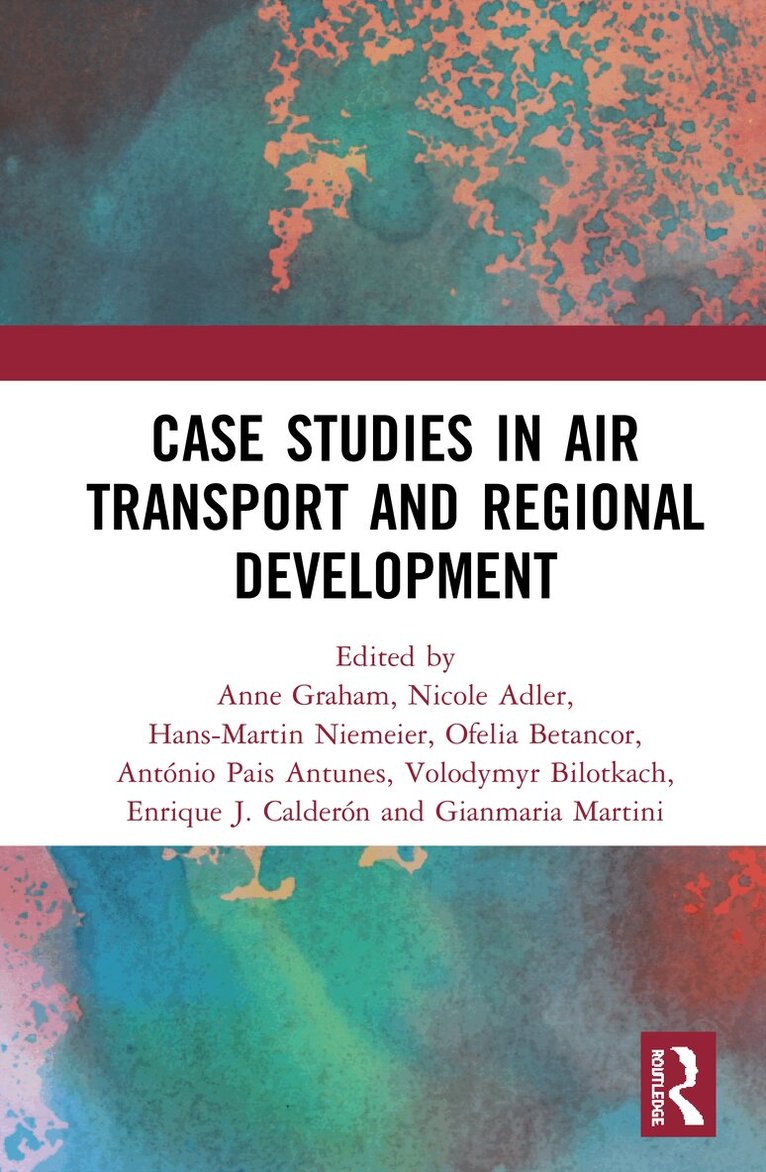
This book is one of three inter-connected books related to a four-year European Cooperation in Science and Technology (COST) Action established in 2015. The Action, called Air Transport and Regional Development (ATARD), aimed to promote a better understanding of how the air transport related problems of core regions and remote regions should be addressed in order to enhance both economic competitiveness and social cohesion in Europe.
This book focuses on case studies in Europe related to air transport and regional development. It is divided into four geographical regions after a general chapter that compares regional air transport connectivity between remote and central areas in Europe. The first region is Northern and Western Northern Europe (case studies related specifically to Norway, Finland, the United Kingdom, and Ireland); the second is Central and Eastern Europe, (Bulgaria, Bosnia and Herzegovina, and Poland); the third is Central Western Europe (Belgium and Switzerland); and finally, the fourth is Southern Europe (Portugal, Spain, and Italy). There is no other single source publication that currently covers this topic area in such a comprehensive manner by considering so many countries.
The book aims at becoming a major reference on the topic, drawing from experienced researchers in the field, covering the diverse experience and knowledge of the members of the COST Action. The book will appeal to academics, practitioners, and policymakers who have a particular interest in acquiring detailed comparative knowledge and understanding of air transport and regional development in many different European countries. Together with the other two books (Air Transport and Regional Development Methodologies and Air Transport and Regional Development Policies), it fills a much-needed gap in the literature.
752 kr
Läs direkt efter köp
This book is one of three inter-connected books related to a four-year European Cooperation in Science and Technology (COST) Action established in 2015. The Action, called Air Transport and Regional Development (ATARD), aimed to promote a better understanding of how the air transport related problems of core regions and remote regions should be addressed in order to enhance both economic competitiveness and social cohesion in Europe.
This book focuses on case studies in Europe related to air transport and regional development. It is divided into four geographical regions after a general chapter that compares regional air transport connectivity between remote and central areas in Europe. The first region is Northern and Western Northern Europe (case studies related specifically to Norway, Finland, the United Kingdom, and Ireland); the second is Central and Eastern Europe, (Bulgaria, Bosnia and Herzegovina, and Poland); the third is Central Western Europe (Belgium and Switzerland); and finally, the fourth is Southern Europe (Portugal, Spain, and Italy). There is no other single source publication that currently covers this topic area in such a comprehensive manner by considering so many countries.
The book aims at becoming a major reference on the topic, drawing from experienced researchers in the field, covering the diverse experience and knowledge of the members of the COST Action. The book will appeal to academics, practitioners, and policymakers who have a particular interest in acquiring detailed comparative knowledge and understanding of air transport and regional development in many different European countries. Together with the other two books (Air Transport and Regional Development Methodologies and Air Transport and Regional Development Policies), it fills a much-needed gap in the literature.
652 kr
Läs direkt efter köp
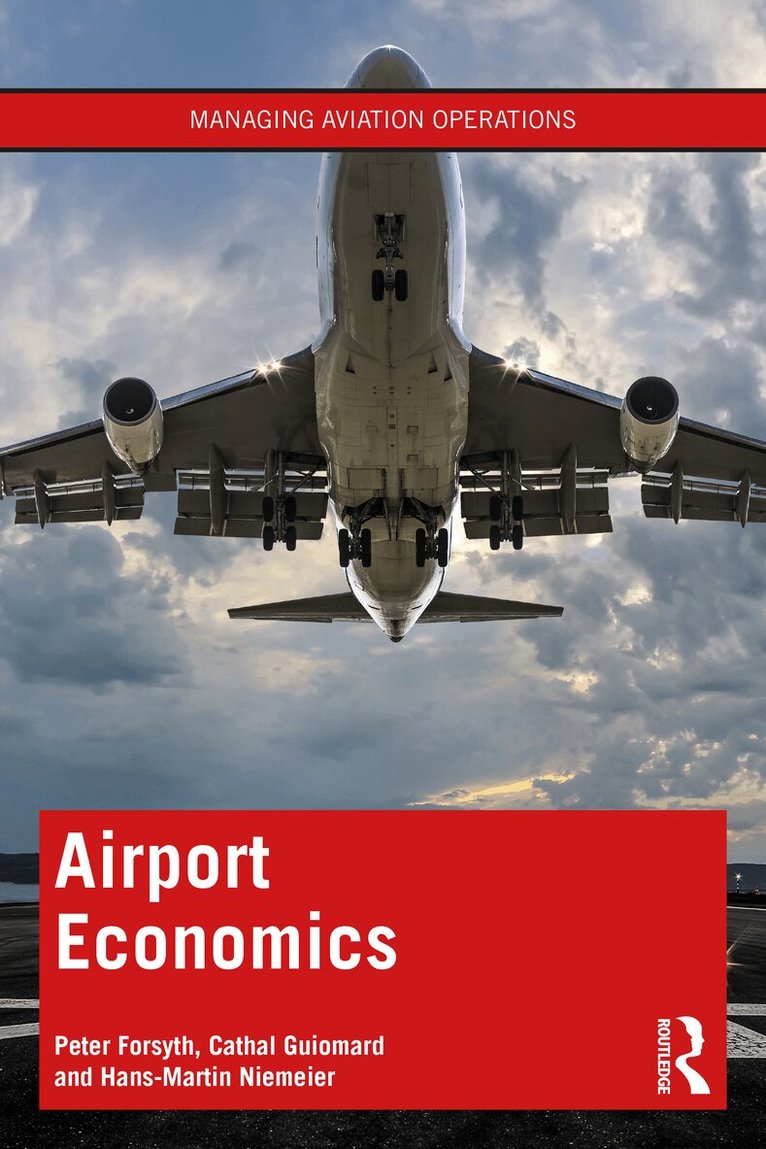
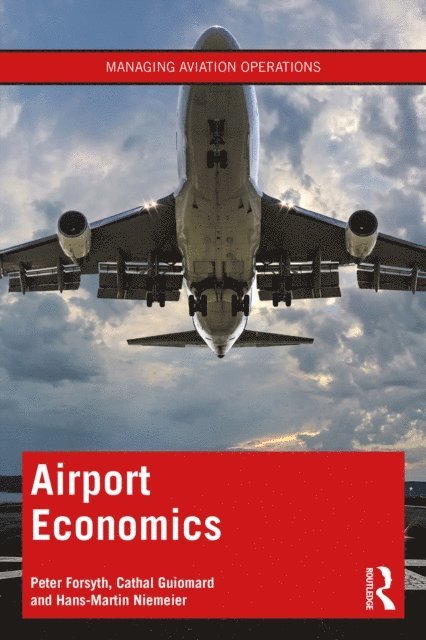
This book provides a comprehensive guide to the economics of airports for all managers, regulators and educators within the aviation industry. Written by three renowned experts but made accessible and relevant for all those working within the industry, or aspiring to do so, it is the perfect entry point for learning about the underlying economics of airports as a crucial component of the air transport system. It explains the cost structures of airports and then relates these to how airports determine their charges.
It explains how charges at different airports vary, whether this is due to different types of traffic, different input prices, ways of producing outputs or different levels of efficiency. Most airports are publicly owned or regulated, and there has been a trend towards privatisation. The book explains how airports have been regulated and assesses how well the regulatory structures have performed; it discusses the trend towards light-handed regulation and the reliance on competition where this exists. The book examines the problems of limited capacity at airports and how these are resolved through slots and charging systems, and the long-term solution of investment in airports—why it is controversial, and how it can be achieved effectively. It also considers the environmental impacts of airports and the issues these pose for managers, from the well-known problems of airport noise to the growing recognition of the impacts of air transport on climate change, and the roles airports play in mitigating these consequences.
Written for airport and airline managers, regulators and students, this book will suit Bachelor’s and Master’s programmes on air transport management.
652 kr
Läs direkt efter köp
This book provides a comprehensive guide to the economics of airports for all managers, regulators and educators within the aviation industry. Written by three renowned experts but made accessible and relevant for all those working within the industry, or aspiring to do so, it is the perfect entry point for learning about the underlying economics of airports as a crucial component of the air transport system. It explains the cost structures of airports and then relates these to how airports determine their charges.
It explains how charges at different airports vary, whether this is due to different types of traffic, different input prices, ways of producing outputs or different levels of efficiency. Most airports are publicly owned or regulated, and there has been a trend towards privatisation. The book explains how airports have been regulated and assesses how well the regulatory structures have performed; it discusses the trend towards light-handed regulation and the reliance on competition where this exists. The book examines the problems of limited capacity at airports and how these are resolved through slots and charging systems, and the long-term solution of investment in airports—why it is controversial, and how it can be achieved effectively. It also considers the environmental impacts of airports and the issues these pose for managers, from the well-known problems of airport noise to the growing recognition of the impacts of air transport on climate change, and the roles airports play in mitigating these consequences.
Written for airport and airline managers, regulators and students, this book will suit Bachelor’s and Master’s programmes on air transport management.
519 kr
Skickas inom 10-15 vardagar
823 kr
Skickas inom 10-15 vardagar
648 kr
Skickas inom 10-15 vardagar
909 kr
Läs direkt efter köp
909 kr
Läs direkt efter köp
730 kr
Läs direkt efter köp
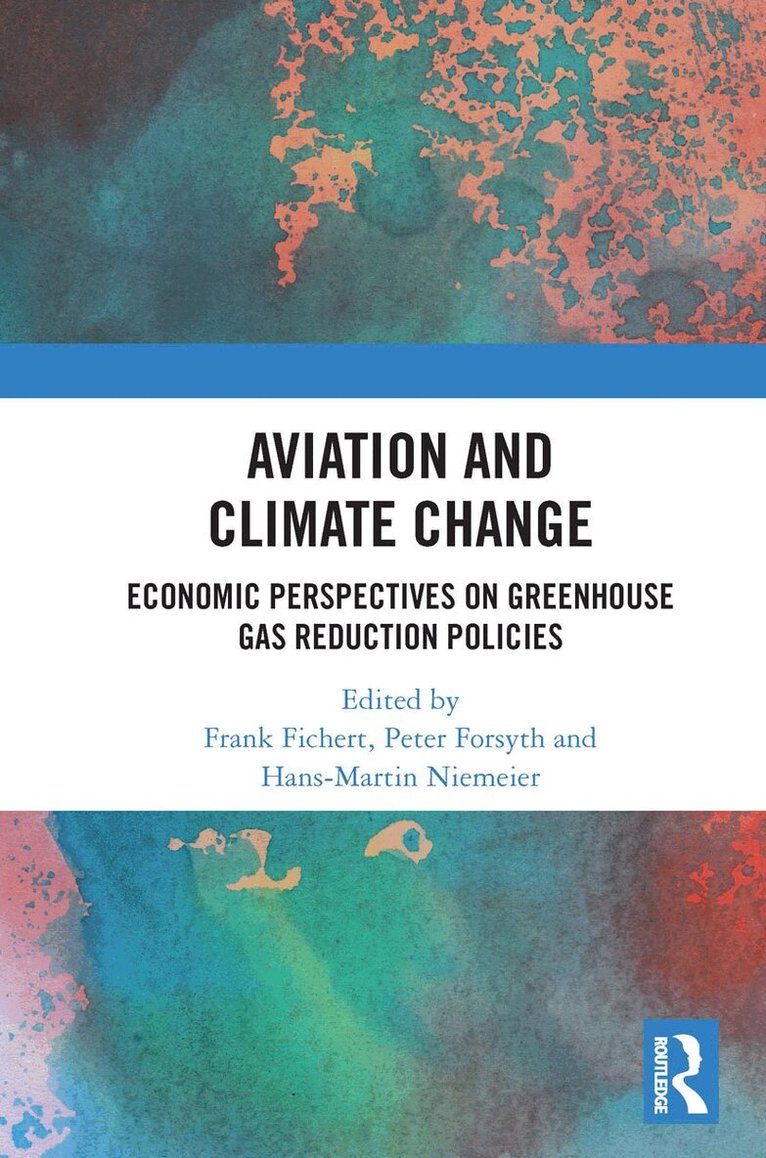
This book analyses the political, economic and managerial challenges for policy makers and the air transport industry as they face climate change.
Based on an overview of the scientific background and technological options for emissions reduction, Aviation and Climate Change provides an in-depth assessment of environmental regulation and management. It provides an up-to-the-minute analysis of the effects of aviation on climate change, and an economic analysis of policies to reduce or eliminate greenhouse gas emissions. The main emphasis of the book is on the economic mechanisms used to lessen emissions – carbon taxes, emissions trading schemes and offset schemes. It pays particular attention to the ways these policies work, and to the interaction between them – for instance, the interaction between taxes and emissions trading schemes. One feature of the book is that it analyses the Carbon Offsetting and Reduction Scheme for International Aviation (CORSIA) which has been developed by ICAO for international aviation, and which is due to commence operation shortly. The advantages and disadvantages of this controversial scheme are discussed.
This book will be of interest to researchers in diverse areas (economics, political science, engineering, natural sciences), to air transport policy makers, and to managers in the aviation industry.
730 kr
Läs direkt efter köp
This book analyses the political, economic and managerial challenges for policy makers and the air transport industry as they face climate change.
Based on an overview of the scientific background and technological options for emissions reduction, Aviation and Climate Change provides an in-depth assessment of environmental regulation and management. It provides an up-to-the-minute analysis of the effects of aviation on climate change, and an economic analysis of policies to reduce or eliminate greenhouse gas emissions. The main emphasis of the book is on the economic mechanisms used to lessen emissions – carbon taxes, emissions trading schemes and offset schemes. It pays particular attention to the ways these policies work, and to the interaction between them – for instance, the interaction between taxes and emissions trading schemes. One feature of the book is that it analyses the Carbon Offsetting and Reduction Scheme for International Aviation (CORSIA) which has been developed by ICAO for international aviation, and which is due to commence operation shortly. The advantages and disadvantages of this controversial scheme are discussed.
This book will be of interest to researchers in diverse areas (economics, political science, engineering, natural sciences), to air transport policy makers, and to managers in the aviation industry.
957 kr
Läs direkt efter köp
957 kr
Läs direkt efter köp