Hemanta Doloi - Böcker
Visar alla böcker från författaren Hemanta Doloi. Handla med fri frakt och snabb leverans.
8 produkter
8 produkter
2 098 kr
Skickas inom 10-15 vardagar
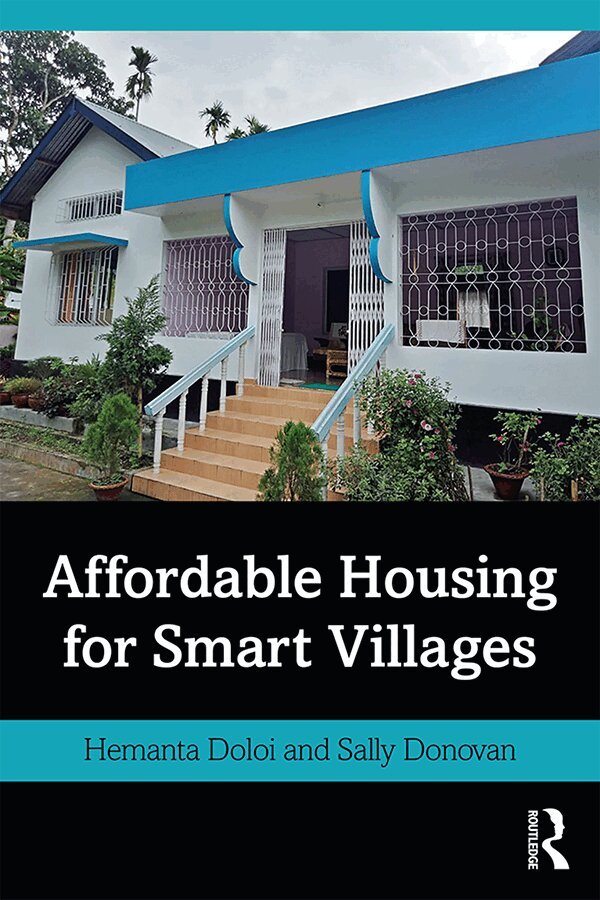
This book initiates a fresh discussion of affordability in rural housing set in the context of the rapidly shifting balance between rural and urban populations. It conceptualises affordability in rural housing along a spectrum that is interlaced with cultural and social values integral to rural livelihoods at both personal and community level. Developed around four intersecting themes: explaining houses and housing in rural settings; exploring affordability in the context of aspirations and vulnerability; rural development agendas involving housing and communities; and construction for resilience in rural communities, the book provides an overview of some of the little understood and sometimes counter-intuitive best practices on rural affordability and affordable housing that have emerged in developing economies over the last thirty years. Drawing on practice-based evidence this book presents innovative ideas for harnessing rural potential, and empowering rural communities with added affordability and progressive development in the context of housing and improved living standards. For a student aspiring to work in rural areas in developing countries it is an introduction to and map of some key solutions around the critical area of affordable housing For the rural development professional, it provides a map of a territory they rarely see because they are absorbed in a particular rural area or project For the academic looking to expand their activities into rural areas, especially in rural housing, it provides a handy introduction to a body of knowledge serving 47% of the world's population, and how this differs from urban practice For the policy makers, it provides a map for understanding the dynamics around rural affordability, growth potential and community aspirations helping them to devise appropriate intervention programs on rural housing and development
729 kr
Skickas inom 10-15 vardagar
This book initiates a fresh discussion of affordability in rural housing set in the context of the rapidly shifting balance between rural and urban populations. It conceptualises affordability in rural housing along a spectrum that is interlaced with cultural and social values integral to rural livelihoods at both personal and community level. Developed around four intersecting themes: explaining houses and housing in rural settings; exploring affordability in the context of aspirations and vulnerability; rural development agendas involving housing and communities; and construction for resilience in rural communities, the book provides an overview of some of the little understood and sometimes counter-intuitive best practices on rural affordability and affordable housing that have emerged in developing economies over the last thirty years. Drawing on practice-based evidence this book presents innovative ideas for harnessing rural potential, and empowering rural communities with added affordability and progressive development in the context of housing and improved living standards. For a student aspiring to work in rural areas in developing countries it is an introduction to and map of some key solutions around the critical area of affordable housing For the rural development professional, it provides a map of a territory they rarely see because they are absorbed in a particular rural area or project For the academic looking to expand their activities into rural areas, especially in rural housing, it provides a handy introduction to a body of knowledge serving 47% of the world's population, and how this differs from urban practice For the policy makers, it provides a map for understanding the dynamics around rural affordability, growth potential and community aspirations helping them to devise appropriate intervention programs on rural housing and development
2 098 kr
Skickas inom 10-15 vardagar
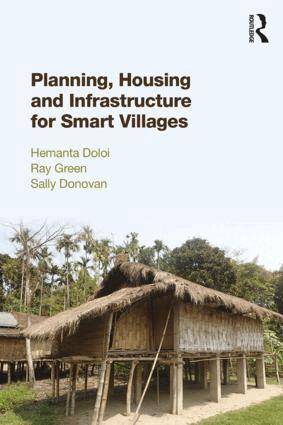
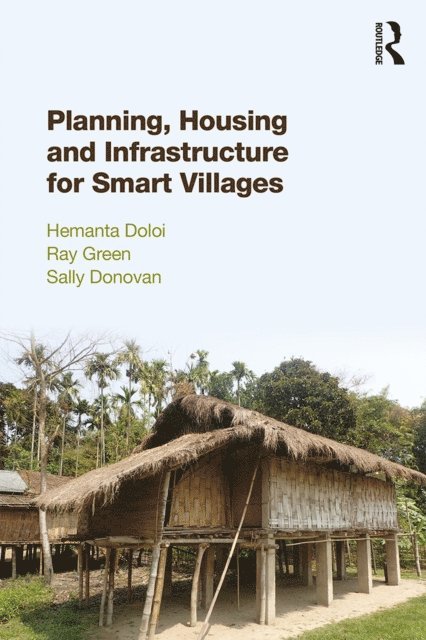
Some 7.3 billion people currently live on the planet. Of these, 3.4 billion live in rural areas. In just a few regions—Latin America, the Middle East and North Africa—less than 50 per cent of poverty is now located in rural areas. But for the rest of the world's regions between 55 per cent and 80 per cent of the poor continue to live in the countryside. Progress is being made, but much of the knowhow needed is not disseminated outside of a small coterie of professionals who work in the area. With urban development attracting a great deal of attention lately, poorer rural areas deserve the same and new knowledge for empowerment of rural communities is urgently needed. This book provides an overview of current thinking and practices that have emerged over the last thirty years for uplifting rural communities in developing economies. Drawing on a body of knowledge across a spectrum of relevant disciplines, this book provides a range of innovative ideas for rural planning, housing and infrastructure development. Governments in many emerging economies, where rural poverty is often most acute, have attempted to improve livelihoods. Approaches and techniques that have been used for urban development are often not applicable to rural communities. Studies show that money allocated for rural development is often not effectively spent due to distance, lack of infrastructure, lack of education, poverty and other factors. Meanwhile, the gap in development between the city and country continues to grow, sometimes leading to social and political instability, in both developing and developed countries. This book seeks to provide a guidebook for meeting such challenges. Through in-depth enquiry of global practices and thinking about rural development, and selected case studies, the authors argue that careful consideration must be given to incorporating issues of resilience, resourcefulness and the involvement of communities at grassroots levels in realising the transformation of rural settlements into Smart Villages.
701 kr
Skickas inom 10-15 vardagar
Some 7.3 billion people currently live on the planet. Of these, 3.4 billion live in rural areas. In just a few regions—Latin America, the Middle East and North Africa—less than 50 per cent of poverty is now located in rural areas. But for the rest of the world's regions between 55 per cent and 80 per cent of the poor continue to live in the countryside. Progress is being made, but much of the knowhow needed is not disseminated outside of a small coterie of professionals who work in the area. With urban development attracting a great deal of attention lately, poorer rural areas deserve the same and new knowledge for empowerment of rural communities is urgently needed. This book provides an overview of current thinking and practices that have emerged over the last thirty years for uplifting rural communities in developing economies. Drawing on a body of knowledge across a spectrum of relevant disciplines, this book provides a range of innovative ideas for rural planning, housing and infrastructure development. Governments in many emerging economies, where rural poverty is often most acute, have attempted to improve livelihoods. Approaches and techniques that have been used for urban development are often not applicable to rural communities. Studies show that money allocated for rural development is often not effectively spent due to distance, lack of infrastructure, lack of education, poverty and other factors. Meanwhile, the gap in development between the city and country continues to grow, sometimes leading to social and political instability, in both developing and developed countries. This book seeks to provide a guidebook for meeting such challenges. Through in-depth enquiry of global practices and thinking about rural development, and selected case studies, the authors argue that careful consideration must be given to incorporating issues of resilience, resourcefulness and the involvement of communities at grassroots levels in realising the transformation of rural settlements into Smart Villages.
729 kr
Skickas inom 10-15 vardagar
This book intends to initiate a fresh articulation of need-based infrastructure provisions in rural contexts. Departing from the conventional theories and practices of infrastructure planning and development applied in urban settings, the book presents a comprehensive suite of technical and non-technical indicators that rationalise fit-for-purpose planning, development, and operations of rural infrastructure. Drawing from global practices in public and private sectors and research-based evidence, a distinctive argument is put forward for promoting location-specific infrastructure development from effectiveness, practicality, affordability, and sustainability perspectives. The argument encompasses wider social, cultural, and economic contexts that are unique to rural settings and the book highlights a clear roadmap of how the UN’s sustainable development goals (SDGs) are at the core of developing rural communities with necessary infrastructure provisions that are purpose-built, affordable, risk averse, and resilient.This book will provide an overview of some of the little-understood and sometimes counter-intuitive best practices on rural infrastructure and value-based priorities that have emerged in uplifting rural communities in developing economies over the last 30 years. Drawing from the global literature and practice-based evidence across a complete spectrum of relevant disciplines, this book will provide readers with a clear articulation of the innovative ideas around harnessing rural potential, and empowering rural communities with added support in growth and progressive development in the context of interconnected infrastructure systems and improved living standards. It is key reading for development, planning, and infrastructure courses as well as professionals and researchers involved in international development, aid, and provision in rural areas.
2 233 kr
Skickas inom 10-15 vardagar
This book intends to initiate a fresh articulation of need-based infrastructure provisions in rural contexts. Departing from the conventional theories and practices of infrastructure planning and development applied in urban settings, the book presents a comprehensive suite of technical and non-technical indicators that rationalise fit-for-purpose planning, development, and operations of rural infrastructure. Drawing from global practices in public and private sectors and research-based evidence, a distinctive argument is put forward for promoting location-specific infrastructure development from effectiveness, practicality, affordability, and sustainability perspectives. The argument encompasses wider social, cultural, and economic contexts that are unique to rural settings and the book highlights a clear roadmap of how the UN’s sustainable development goals (SDGs) are at the core of developing rural communities with necessary infrastructure provisions that are purpose-built, affordable, risk averse, and resilient.This book will provide an overview of some of the little-understood and sometimes counter-intuitive best practices on rural infrastructure and value-based priorities that have emerged in uplifting rural communities in developing economies over the last 30 years. Drawing from the global literature and practice-based evidence across a complete spectrum of relevant disciplines, this book will provide readers with a clear articulation of the innovative ideas around harnessing rural potential, and empowering rural communities with added support in growth and progressive development in the context of interconnected infrastructure systems and improved living standards. It is key reading for development, planning, and infrastructure courses as well as professionals and researchers involved in international development, aid, and provision in rural areas.
Del 7 - Domain-specific Bodies Of Knowledge In Project Management
Smart Villages And Sustainable Rural Development: Building A Body Of Knowledge For A Climate-positive Future
Inbunden, Engelska, 2026
2 108 kr
Kommande
Smart Villages and Sustainable Rural Development is a comprehensive resource compiling existing and emerging knowledge for transforming rural areas into sustainable and resilient communities. The construction industry accounts for over 37% of greenhouse gas emissions globally. Moreover, rapid urbanisation, coupled with extending traditional construction practices to meet the needs of rural areas, risks further worsening current climate challenges. How can we satisfy this need for development, while not further damaging our environment?Departing from the conventional wisdom surrounding infrastructure planning and development that focuses on urban settings, the book consolidates a comprehensive suite of technical and non-technical resources, innovations and indicators that rationalise fit-for-purpose planning, development and operations of rural infrastructure. By doing so, it presents a fresh perspective on needs-based infrastructure provisions in a rural context.Drawing from global cross-sector practices and research-based evidence, the book argues for promoting location-specific infrastructure development, encompassing wider social, cultural and economic contexts unique to rural settings, across multiple perspectives. Dividing the chapters into four key sections, namely: Smart Villages, Sustainability and Development; Implementing Programmes and Strategies; Implementing Project-based Solutions; and Technological Systems, Policies and Governance in Smart Development, the book elaborates on how the United Nations' Sustainable Development Goals (SDGs) can be conceptualised for a context-specific implementation at the core of developing rural communities with necessary infrastructure provisions that are purpose-built, affordable, risk-averse and resilient.
Body Of Knowledge In Values-driven Infrastructure And Socially Inclusive Megaprojects
Inbunden, Engelska, 2027
2 168 kr
Kommande
This book reexamines the current school of thought on values-driven mega-infrastructure provisions, proposing a more inclusive approach to urban development positions community needs at the centre of decision-making. Drawing from emerging theories and practices across different sectors, it argues for a shift away from traditional planning methods and towards promoting location-specific and needs-based infrastructure development.The unprecedented upsurge of megaprojects in sectors such as building, transport and energy networks is transforming the urban landscape exponentially worldwide, especially in developing countries. Given disruptive climate change and limited natural resources, the rapid pace of industrialisation, and the scale and permanence of these megaprojects development, the need to balance long-term societal values against the need for growth and development in decision-making has become critical. A comprehensive approach taking multiple factors into account is hence needed to ensure sustainable development, foster social cohesion, and enhance the quality of life of communities at large.The book is divided into three key sections, namely: Values-Driven and Inclusive Infrastructure; Stakeholders, Communities and Societal Values; and Economic and Regulatory Implications. Through its pages, readers will learn more about the context-specific development of mega-infrastructure systems and the significance of social values, equity and accessibility, sustainable growth and societal well-being in infrastructure planning.