• Fri frakt över 249 kr
  • •
  • Snabba leveranser
  • •
  • Billiga böcker
Kundservice

Du är på sajten för privatpersoner.

Företag, bibliotek eller offentlig verksamhet?

Du handlar på classic.bokus.com, där alla dina funktioner finns intakta.
Till classic.bokus.com
Bokus logotyp. Gå till startsidan.
  • Erbjudanden
  • Nyheter
  • Student
  • Topplistor
  • Barn & ungdom
  • Bokus Play
  • E-böcker
  • Pocketböcker
  • Spel & pussel

10% rabatt på allt med kod: NYSTART10 →

Sidfot

Mina sidor

    Hjälp

    • Kundservice
    • Vanliga frågor och svar
    • Frakt och leverans
    • Retur vid ångerrätt
    • Reklamera vara
    • Betalning
    • Köpvillkor
    • Allmänna villkor
    • Information om webbplatsens tillgänglighet

    Om Bokus

    • Om oss
    • Pressrum
    • För studenter
    • För företag
    • För bibliotek och offentlig verksamhet
    • För leverantörer
    • Hållbarhet

    Populärt

    • Aktuella erbjudanden
    • Presentkort
    • Studentlitteratur
    • Nya böcker
    • Topplistor
    • Signerade böcker
    • Engelska böcker

    Inspiration

    • Boktips
    • BookTok
    • Populära bokserier
    • Barnbokskaraktärer
    • Populära författare
    Logotyp för Bokus
    Följ oss på Facebook (extern länk)Följ oss på Instagram (extern länk)Följ oss på YouTube (extern länk)Följ oss på TikTok (extern länk)
    bokus @ CookiesAnpassa cookiesIntegritetspolicyKöpvillkor
    Till Citymail hemsida (extern länk)Till Budbee hemsida (extern länk)Till Postnord hemsida (extern länk)Till Schenker hemsida (extern länk)Till Early Bird hemsida (extern länk)Till Walleys hemsida (extern länk)
    1. Samhälle och politik
    2. Samhälle och kultur
    3. Kultur och medier
    4. Referensverk och tvärvetenskap

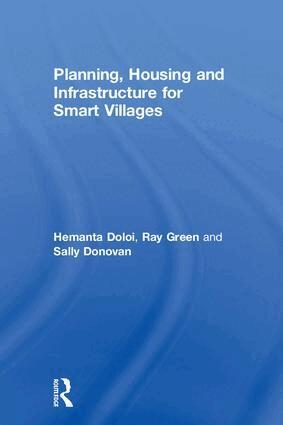
    Planning, Housing and Infrastructure for Smart Villages

    AvHemanta Doloi,Ray Green

    Inbunden, Engelska, 2018

    2 421 kr

    Beställningsvara. Skickas inom 10-15 vardagar. Fri frakt över 249 kr.

    Fler format och utgåvor

    Häftad

    765 kr

    Beskrivning

    Some 7.3 billion people currently live on the planet. Of these, 3.4 billion live in rural areas. In just a few regions—Latin America, the Middle East and North Africa—less than 50 per cent of poverty is now located in rural areas. But for the rest of the world's regions between 55 per cent and 80 per cent of the poor continue to live in the countryside. Progress is being made, but much of the knowhow needed is not disseminated outside of a small coterie of professionals who work in the area. With urban development attracting a great deal of attention lately, poorer rural areas deserve the same and new knowledge for empowerment of rural communities is urgently needed. This book provides an overview of current thinking and practices that have emerged over the last thirty years for uplifting rural communities in developing economies. Drawing on a body of knowledge across a spectrum of relevant disciplines, this book provides a range of innovative ideas for rural planning, housing and infrastructure development. Governments in many emerging economies, where rural poverty is often most acute, have attempted to improve livelihoods. Approaches and techniques that have been used for urban development are often not applicable to rural communities. Studies show that money allocated for rural development is often not effectively spent due to distance, lack of infrastructure, lack of education, poverty and other factors. Meanwhile, the gap in development between the city and country continues to grow, sometimes leading to social and political instability, in both developing and developed countries. This book seeks to provide a guidebook for meeting such challenges. Through in-depth enquiry of global practices and thinking about rural development, and selected case studies, the authors argue that careful consideration must be given to incorporating issues of resilience, resourcefulness and the involvement of communities at grassroots levels in realising the transformation of rural settlements into Smart Villages.

    Produktinformation

    • Utgivningsdatum:2018-12-11
    • Mått:156 x 234 x 16 mm
    • Vikt:500 g
    • Format:Inbunden
    • Språk:Engelska
    • Antal sidor:224
    • Förlag:Taylor & Francis Inc
    • ISBN:9780815365648

    Utforska kategorier

    • Referensverk och tvärvetenskap inom Samhälle och politik
    • Finansiering inom Ekonomi och Ledarskap
    • Regional planering inom Naturvetenskap och teknik

    Mer om författaren

    Hemanta Doloi is a senior lecturer in the Faculty of Architecture, Building and Planning at the University of Melbourne, Australia. Dr Doloi is the founding director of the Smart Villages Lab (SVL) and the lead investigator of the Smart Villages Project, sponsored by the Government of Assam, India, for developing solutions on affordable housing and infrastructure systems. Ray Green is a professor in the Faculty of Architecture, Building and Planning at the University of Melbourne, Australia. He is the author of Coastal Towns in Transition (2010) and co-author of The Green City: Sustainable Homes, Sustainable Suburbs (2005). His research has been published in urban planning, landscape architecture and environmental psychology journals.Sally Donovan is a research fellow with the Smart Villages Lab in the Faculty of Architecture, Building and Planning at the University of Melbourne, Australia. Dr Donovan has over ten years’ experience researching environmental management and environmental policy development.

    Innehållsförteckning

    • Chapter 1. Introduction Rural Settlements What is a Smart Village? Millennium Development Goals Making a Smart Village Chapter 2. Income Generation Introduction Businesses around Agriculture Non-Timber Forest Products Ecotourism Financing opportunities Recommendations for best practise Chapter 3. Education and Skills Development Introduction Providing a classroom experience Maintaining attendance Achieving educational attainment ICT and libraries Adult Education Reducing conflict through education Recommendations for best practise Chapter 4. Agriculture Introduction Crop Management Livestock management Recommendations for best practise Chapter 5. Housing Introduction Rural house and climatic responsiveness Building Designs Changes over time Smart Villages Recommendations for best practise Chapter 6. Energy Introduction Electricity Microgrid technology options Hybrid systems Electrical Energy Storage Recommendations for best practise Chapter 7. Waste Introduction Composting Anaerobic Digestion Recommendations for Best Practice Chapter 8. Water and Sanitation Introduction Provision of potable water Sanitation facilities Treatment of wastewater Balancing water resources Recommendations for best practise Chapter 9. Transportation Introduction Road infrastructure development Road maintenance Beyond roads: completing the picture of transport infrastructure Recommendations for best practise Chapter 10. Health and Wellbeing Introduction Foodborne illness Prevention and treatment of communicable diseases Access to health care Emergency response Recommendations for best practise Chapter 11. Environment Introduction What is Biodiversity and why does it matter? Can biodiversity loss be reversed? Forest preservation Permaculture Environmentally Friendly Energy? Recommendations for best practise Chapter 12. Governance Introduction Giving citizens a meaningful voice Government community partnerships/ local leadership Communication between governments and citizens Intergovernmental Communication The role of NGOs