Hervé This - Böcker
Visar alla böcker från författaren Hervé This. Handla med fri frakt och snabb leverans.
11 produkter
11 produkter
355 kr
Skickas inom 3-6 vardagar
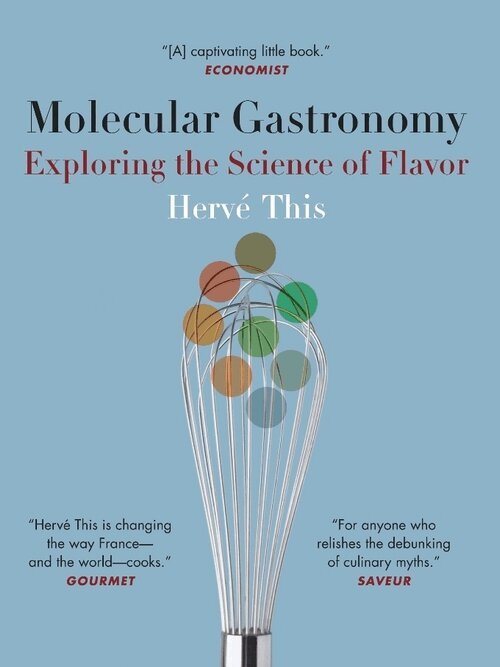
Herve This (pronounced "Teess") is an internationally renowned chemist, a popular French television personality, a bestselling cookbook author, a longtime collaborator with the famed French chef Pierre Gagnaire, and the only person to hold a doctorate in molecular gastronomy, a cutting-edge field he pioneered. Bringing the instruments and experimental techniques of the laboratory into the kitchen, This uses recent research in the chemistry, physics, and biology of food to challenge traditional ideas about cooking and eating. What he discovers will entertain, instruct, and intrigue cooks, gourmets, and scientists alike. Molecular Gastronomy, This's first work to appear in English, is filled with practical tips, provocative suggestions, and penetrating insights. This begins by reexamining and debunking a variety of time-honored rules and dictums about cooking and presents new and improved ways of preparing a variety of dishes from quiches and quenelles to steak and hard-boiled eggs. He goes on to discuss the physiology of flavor and explores how the brain perceives tastes, how chewing affects food, and how the tongue reacts to various stimuli.Examining the molecular properties of bread, ham, foie gras, and champagne, the book analyzes what happens as they are baked, cured, cooked, and chilled. Looking to the future, Herve This imagines new cooking methods and proposes novel dishes. A chocolate mousse without eggs? A flourless chocolate cake baked in the microwave? Molecular Gastronomy explains how to make them. This also shows us how to cook perfect French fries, why a souffle rises and falls, how long to cool champagne, when to season a steak, the right way to cook pasta, how the shape of a wine glass affects the taste of wine, why chocolate turns white, and how salt modifies tastes.
213 kr
Skickas inom 7-10 vardagar
Herve This (pronounced "Teess") is an internationally renowned chemist, a popular French television personality, a bestselling cookbook author, a longtime collaborator with the famed French chef Pierre Gagnaire, and the only person to hold a doctorate in molecular gastronomy, a cutting-edge field he pioneered. Bringing the instruments and experimental techniques of the laboratory into the kitchen, This uses recent research in the chemistry, physics, and biology of food to challenge traditional ideas about cooking and eating. What he discovers will entertain, instruct, and intrigue cooks, gourmets, and scientists alike. Molecular Gastronomy, This's first work to appear in English, is filled with practical tips, provocative suggestions, and penetrating insights. This begins by reexamining and debunking a variety of time-honored rules and dictums about cooking and presents new and improved ways of preparing a variety of dishes from quiches and quenelles to steak and hard-boiled eggs. He goes on to discuss the physiology of flavor and explores how the brain perceives tastes, how chewing affects food, and how the tongue reacts to various stimuli.Examining the molecular properties of bread, ham, foie gras, and champagne, the book analyzes what happens as they are baked, cured, cooked, and chilled. Looking to the future, Herve This imagines new cooking methods and proposes novel dishes. A chocolate mousse without eggs? A flourless chocolate cake baked in the microwave? Molecular Gastronomy explains how to make them. This also shows us how to cook perfect French fries, why a souffle rises and falls, how long to cool champagne, when to season a steak, the right way to cook pasta, how the shape of a wine glass affects the taste of wine, why chocolate turns white, and how salt modifies tastes.
289 kr
Skickas inom 3-6 vardagar
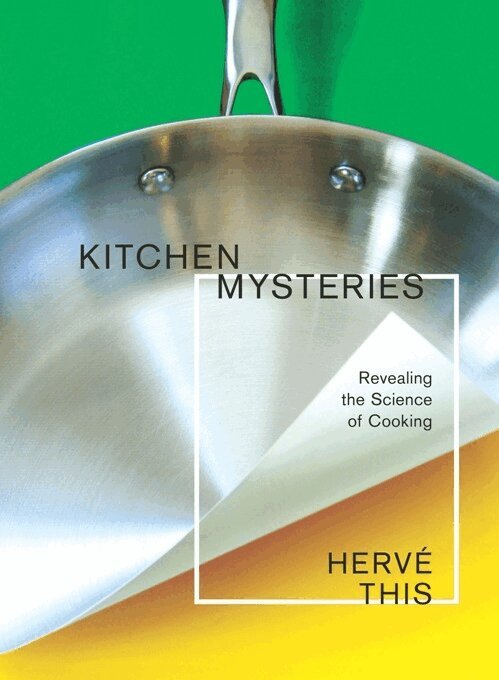
An international celebrity and founder of molecular gastronomy, or the scientific investigation of culinary practice, Herve This is known for his ground-breaking research into the chemistry and physics behind everyday cooking. His work is consulted widely by amateur cooks and professional chefs and has changed the way food is approached and prepared all over the world. In Kitchen Mysteries, Herve This offers a second helping of his world-renowned insight into the science of cooking, answering such fundamental questions as what causes vegetables to change color when cooked and how to keep a souffle from falling. He illuminates abstract concepts with practical advice and concrete examples--for instance, how sauteing in butter chemically alters the molecules of mushrooms--so that cooks of every stripe can thoroughly comprehend the scientific principles of food. Kitchen Mysteries begins with a brief overview of molecular gastronomy and the importance of understanding the physiology of taste. A successful meal depends as much on a cook's skilled orchestration of taste, odors, colors, consistencies, and other sensations as on the delicate balance of ingredients.Herve then dives into the main course, discussing the science behind many meals' basic components: eggs, milk, bread, sugar, fruit, yogurt, alcohol, and cheese, among other items. He also unravels the mystery of tenderizing enzymes and gelatins and the preparation of soups and stews, salads and sauces, sorbet, cakes, and pastries. Herve explores the effects of boiling, steaming, braising, roasting, deep-frying, sauteing, grilling, salting, and microwaving, and devotes a chapter to kitchen utensils, recommending the best way to refurbish silverware and use copper. By sharing the empirical principles chefs have valued for generations, Herve This adds another dimension to the suggestions of cookbook authors. He shows how to adapt recipes to available ingredients and how to modify proposed methods to the utensils at hand. His revelations make difficult recipes easier to attempt and allow for even more creativity and experimentation. Promising to answer your most compelling kitchen questions, Herve This continues to make the complex science of food digestible to the cook.
150 kr
Skickas inom 7-10 vardagar
An international celebrity and founder of molecular gastronomy, or the scientific investigation of culinary practice, Herve This is known for his ground-breaking research into the chemistry and physics behind everyday cooking. His work is consulted widely by amateur cooks and professional chefs and has changed the way food is approached and prepared all over the world. In Kitchen Mysteries, Herve This offers a second helping of his world-renowned insight into the science of cooking, answering such fundamental questions as what causes vegetables to change color when cooked and how to keep a souffle from falling. He illuminates abstract concepts with practical advice and concrete examples--for instance, how sauteing in butter chemically alters the molecules of mushrooms--so that cooks of every stripe can thoroughly comprehend the scientific principles of food. Kitchen Mysteries begins with a brief overview of molecular gastronomy and the importance of understanding the physiology of taste. A successful meal depends as much on a cook's skilled orchestration of taste, odors, colors, consistencies, and other sensations as on the delicate balance of ingredients.Herve then dives into the main course, discussing the science behind many meals' basic components: eggs, milk, bread, sugar, fruit, yogurt, alcohol, and cheese, among other items. He also unravels the mystery of tenderizing enzymes and gelatins and the preparation of soups and stews, salads and sauces, sorbet, cakes, and pastries. Herve explores the effects of boiling, steaming, braising, roasting, deep-frying, sauteing, grilling, salting, and microwaving, and devotes a chapter to kitchen utensils, recommending the best way to refurbish silverware and use copper. By sharing the empirical principles chefs have valued for generations, Herve This adds another dimension to the suggestions of cookbook authors. He shows how to adapt recipes to available ingredients and how to modify proposed methods to the utensils at hand. His revelations make difficult recipes easier to attempt and allow for even more creativity and experimentation. Promising to answer your most compelling kitchen questions, Herve This continues to make the complex science of food digestible to the cook.
170 kr
Skickas inom 7-10 vardagar
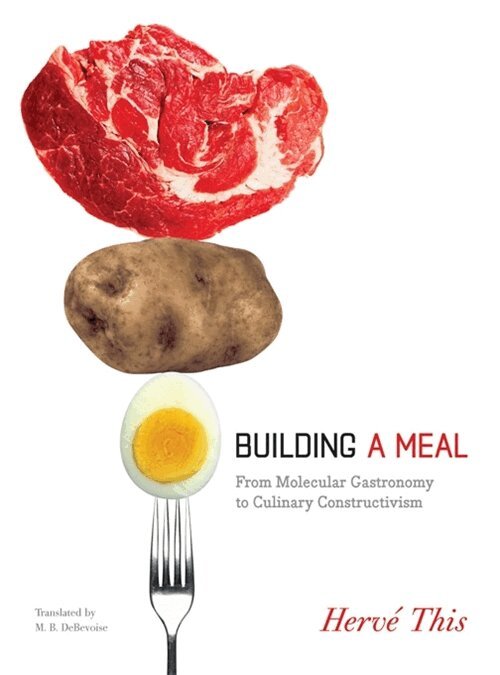
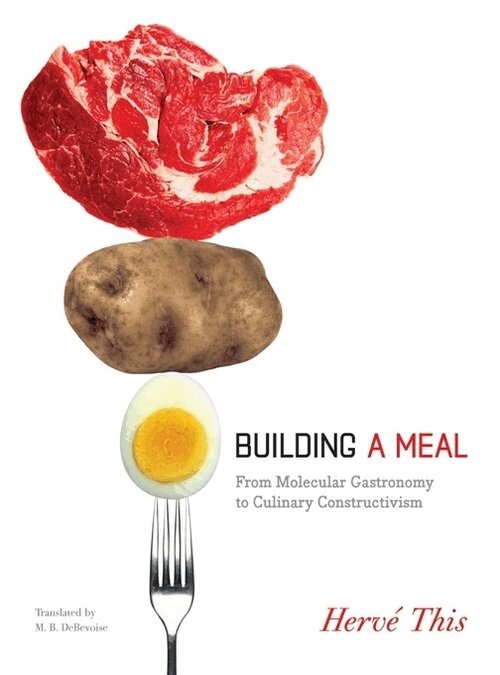
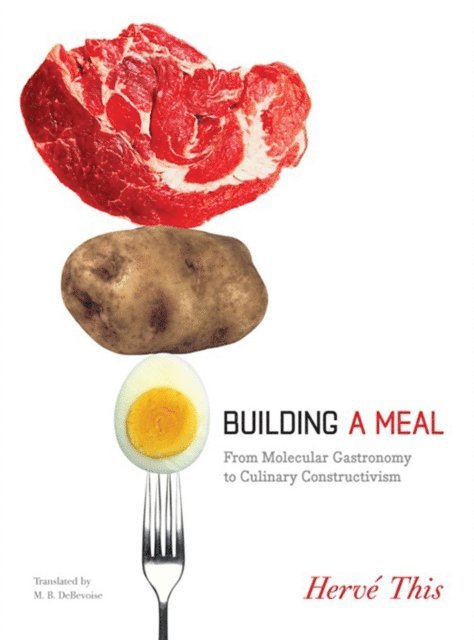
An internationally renowned chemist, popular television personality, and bestselling author, Herve This heads the first laboratory devoted to molecular gastronomy--the scientific exploration of cooking and eating. By testing recipes that have guided cooks for centuries, and the various dictums and maxims on which they depend, Herve This unites the head with the hand in order to defend and transform culinary practice. With this new book, Herve This's scientific project enters an exciting new phase. Considering the preparation of six bistro favorites--hard-boiled egg with mayonnaise, simple consomme, leg of lamb with green beans, steak with French fries, lemon meringue pie, and chocolate mousse--he isolates the exact chemical properties that tickle our senses and stimulate our appetites. More important, he connects the mind and the stomach, identifying methods of culinary construction that appeal to our memories, intelligence, and creativity. By showing that the creation of a meal is as satisfying as its consumption, Herve This recalibrates the balance between food and our imaginations.The result is a revolutionary perspective that will tempt even the most casual cooks to greater flights of experimentation.
129 kr
Skickas inom 7-10 vardagar
An internationally renowned chemist, popular television personality, and bestselling author, Herve This heads the first laboratory devoted to molecular gastronomy--the scientific exploration of cooking and eating. By testing recipes that have guided cooks for centuries, and the various dictums and maxims on which they depend, Herve This unites the head with the hand in order to defend and transform culinary practice. With this new book, Herve This's scientific project enters an exciting new phase. Considering the preparation of six bistro favorites--hard-boiled egg with mayonnaise, simple consomme, leg of lamb with green beans, steak with French fries, lemon meringue pie, and chocolate mousse--he isolates the exact chemical properties that tickle our senses and stimulate our appetites. More important, he connects the mind and the stomach, identifying methods of culinary construction that appeal to our memories, intelligence, and creativity. By showing that the creation of a meal is as satisfying as its consumption, Herve This recalibrates the balance between food and our imaginations.The result is a revolutionary perspective that will tempt even the most casual cooks to greater flights of experimentation.
142 kr
Skickas inom 7-10 vardagar
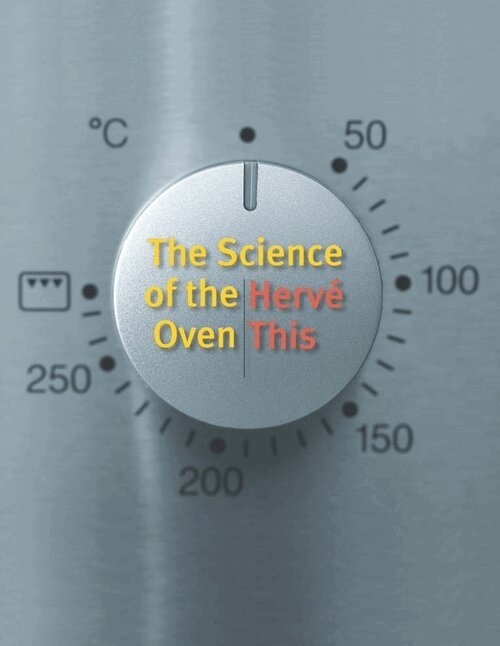
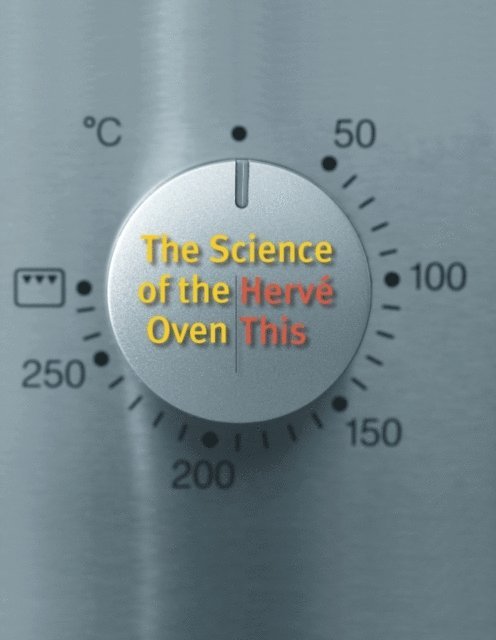
Mayonnaise "takes" when a series of liquids form a semisolid consistency. Eggs, a liquid, become solid as they are heated, whereas, under the same conditions, solids melt. When meat is roasted, its surface browns and it acquires taste and texture. What accounts for these extraordinary transformations? The answer: chemistry and physics. With his trademark eloquence and wit, Herve This launches a wry investigation into the chemical art of cooking. Unraveling the science behind common culinary technique and practice, Herve This breaks food down to its molecular components and matches them to cooking's chemical reactions. He translates the complex processes of the oven into everyday knowledge for professional chefs and casual cooks, and he demystifies the meaning of taste and the making of flavor. He describes the properties of liquids, salts, sugars, oils, and fats and defines the principles of culinary practice, which endow food with sensual as well as nutritional value.For fans of Herve This's popular volumes and for those new to his celebrated approach, The Science of the Oven expertly expands the possibilities of the kitchen, fusing the physiology of taste with the molecular structure of bodies and food.
243 kr
Skickas inom 7-10 vardagar
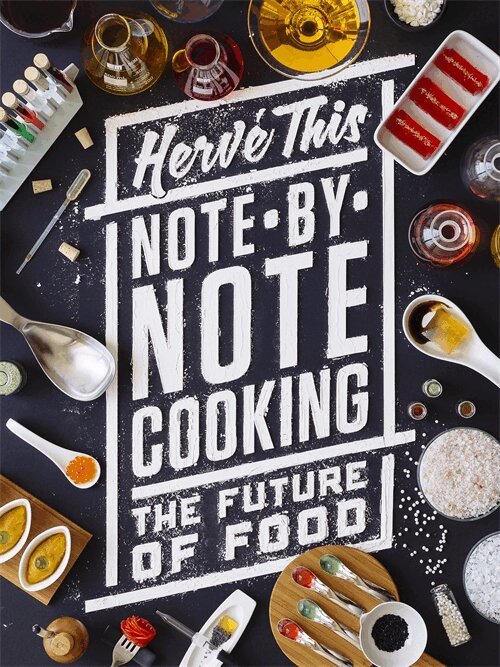
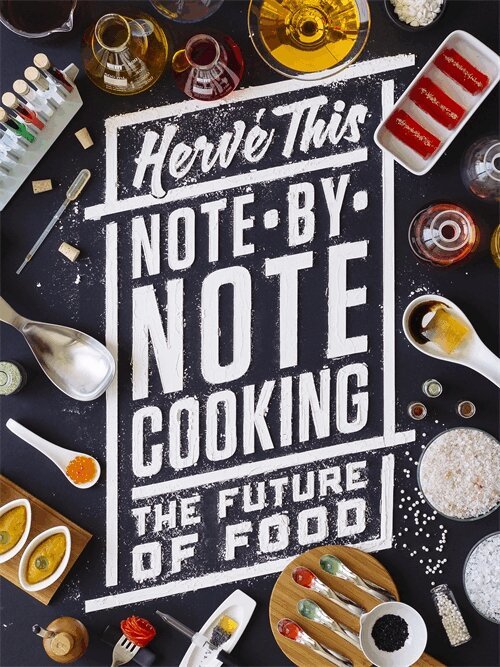
Note-by-Note Cooking is a landmark in the annals of gastronomy, liberating cooks from the constraints of traditional ingredients and methods through the use of pure molecular compounds. 1-Octen-3-ol, which has a scent of wild mushrooms; limonene, a colorless liquid hydrocarbon that has the smell of citrus; sotolon, whose fragrance at high concentrations resembles curry and at low concentrations, maple syrup or sugar; tyrosine, an odorless but flavorful amino acid present in cheese-these and many other substances, some occurring in nature, some synthesized in the laboratory, make it possible to create novel tastes and flavors in the same way that elementary sound waves can be combined to create new sounds. Note-by-note cooking promises to add unadulterated nutritional value to dishes of all kinds, actually improving upon the health benefits of so-called natural foods. Cooking with molecular compounds will be far more energy efficient and environmentally sustainable than traditional techniques of cooking. This new way of thinking about food heralds a phase of culinary evolution on which the long-term survival of a growing human population depends.Herve This clearly explains the properties of naturally occurring and synthesized compounds, dispels a host of misconceptions about the place of chemistry in cooking, and shows why note-by-note cooking is an obvious-and inevitable-extension of his earlier pioneering work in molecular gastronomy. An appendix contains a representative selection of recipes, vividly illustrated in color.
167 kr
Skickas inom 7-10 vardagar
Note-by-Note Cooking is a landmark in the annals of gastronomy, liberating cooks from the constraints of traditional ingredients and methods through the use of pure molecular compounds. 1-Octen-3-ol, which has a scent of wild mushrooms; limonene, a colorless liquid hydrocarbon that has the smell of citrus; sotolon, whose fragrance at high concentrations resembles curry and at low concentrations, maple syrup or sugar; tyrosine, an odorless but flavorful amino acid present in cheese-these and many other substances, some occurring in nature, some synthesized in the laboratory, make it possible to create novel tastes and flavors in the same way that elementary sound waves can be combined to create new sounds. Note-by-note cooking promises to add unadulterated nutritional value to dishes of all kinds, actually improving upon the health benefits of so-called natural foods. Cooking with molecular compounds will be far more energy efficient and environmentally sustainable than traditional techniques of cooking. This new way of thinking about food heralds a phase of culinary evolution on which the long-term survival of a growing human population depends.Herve This clearly explains the properties of naturally occurring and synthesized compounds, dispels a host of misconceptions about the place of chemistry in cooking, and shows why note-by-note cooking is an obvious-and inevitable-extension of his earlier pioneering work in molecular gastronomy. An appendix contains a representative selection of recipes, vividly illustrated in color.
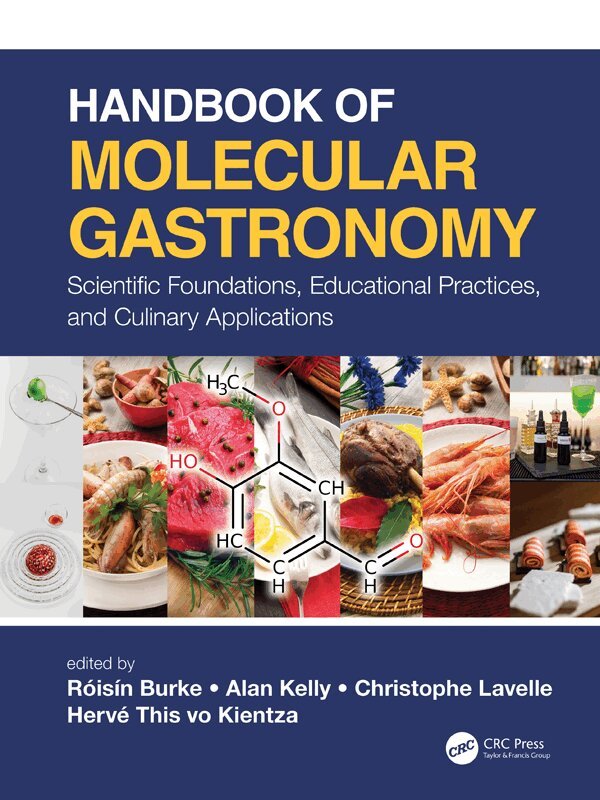
Handbook of Molecular Gastronomy
Scientific Foundations, Educational Practices, and Culinary Applications
Häftad, Engelska, 2025
2 362 kr
Skickas inom 10-15 vardagar
Handbook of Molecular Gastronomy: Scientific Foundations and Culinary Applications presents a unique overview of molecular gastronomy, the scientific discipline dedicated to the study of phenomena that occur during the preparation and consumption of dishes. It deals with the chemistry, biology and physics of food preparation, along with the physiology of food consumption. As such, it represents the first attempt at a comprehensive reference in molecular gastronomy, along with a practical guide, through selected examples, to molecular cuisine and the more recent applications named note by note cuisine. While several books already exist for a general audience, either addressing food science in general in a "light" way and/or dealing with modern cooking techniques and recipes, no book exists so far that encompasses the whole molecular gastronomy field, providing a strong interdisciplinary background in the physics, biology and chemistry of food and food preparation, along with good discussions on creativity and the art of cooking.Features: Gives A–Z coverage to the underlying science (physics, chemistry and biology) and technology, as well as all the key cooking issues (ingredients, tools and methods). Encompasses the science and practice of molecular gastronomy in the most accessible and up-to-date reference available. Contains a final section with unique recipes by famous chefs.The book is organized in three parts. The first and main part is about the scientific discipline of molecular and physical gastronomy; it is organized as an encyclopedia, with entries in alphabetical order, gathering the contributions of more than 100 authors, all leading scientists in food sciences, providing a broad overview of the most recent research in molecular gastronomy. The second part addresses educational applications of molecular gastronomy, from primary schools to universities. The third part provides some innovative recipes by chefs from various parts of the world.The authors have made a particular pedagogical effort in proposing several educational levels, from elementary introduction to deep scientific formalism, in order to satisfy the broadest possible audience (scientists and non-scientists). This new resource should be very useful to food scientists and chefs, as well as food and culinary science students and all lay people interested in gastronomy.
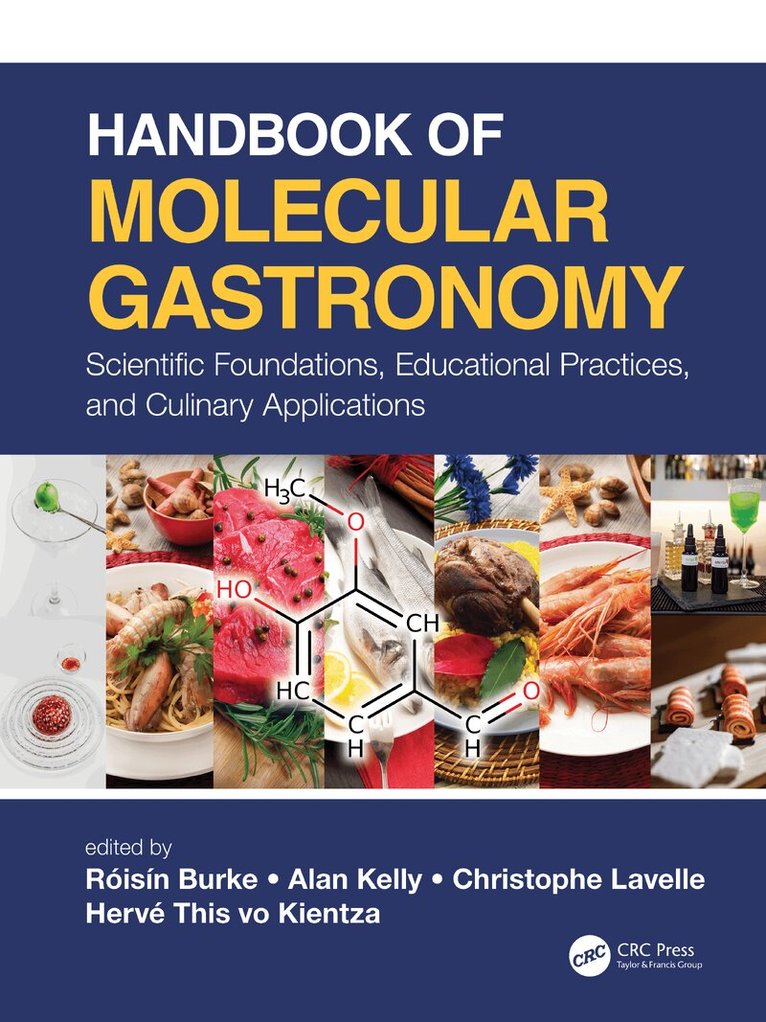
Handbook of Molecular Gastronomy
Scientific Foundations, Educational Practices, and Culinary Applications
Inbunden, Engelska, 2021
3 261 kr
Skickas inom 10-15 vardagar
Handbook of Molecular Gastronomy: Scientific Foundations and Culinary Applications presents a unique overview of molecular gastronomy, the scientific discipline dedicated to the study of phenomena that occur during the preparation and consumption of dishes. It deals with the chemistry, biology and physics of food preparation, along with the physiology of food consumption. As such, it represents the first attempt at a comprehensive reference in molecular gastronomy, along with a practical guide, through selected examples, to molecular cuisine and the more recent applications named note by note cuisine. While several books already exist for a general audience, either addressing food science in general in a "light" way and/or dealing with modern cooking techniques and recipes, no book exists so far that encompasses the whole molecular gastronomy field, providing a strong interdisciplinary background in the physics, biology and chemistry of food and food preparation, along with good discussions on creativity and the art of cooking.Features: Gives A–Z coverage to the underlying science (physics, chemistry and biology) and technology, as well as all the key cooking issues (ingredients, tools and methods). Encompasses the science and practice of molecular gastronomy in the most accessible and up-to-date reference available. Contains a final section with unique recipes by famous chefs.The book is organized in three parts. The first and main part is about the scientific discipline of molecular and physical gastronomy; it is organized as an encyclopedia, with entries in alphabetical order, gathering the contributions of more than 100 authors, all leading scientists in food sciences, providing a broad overview of the most recent research in molecular gastronomy. The second part addresses educational applications of molecular gastronomy, from primary schools to universities. The third part provides some innovative recipes by chefs from various parts of the world.The authors have made a particular pedagogical effort in proposing several educational levels, from elementary introduction to deep scientific formalism, in order to satisfy the broadest possible audience (scientists and non-scientists). This new resource should be very useful to food scientists and chefs, as well as food and culinary science students and all lay people interested in gastronomy.