Howard Lupovitch – författare
Visar alla böcker från författaren Howard Lupovitch. Handla med fri frakt och snabb leverans.
3 produkter
3 produkter
Häftad, Engelska, 2024
474 kr
Skickas inom 5-8 vardagar
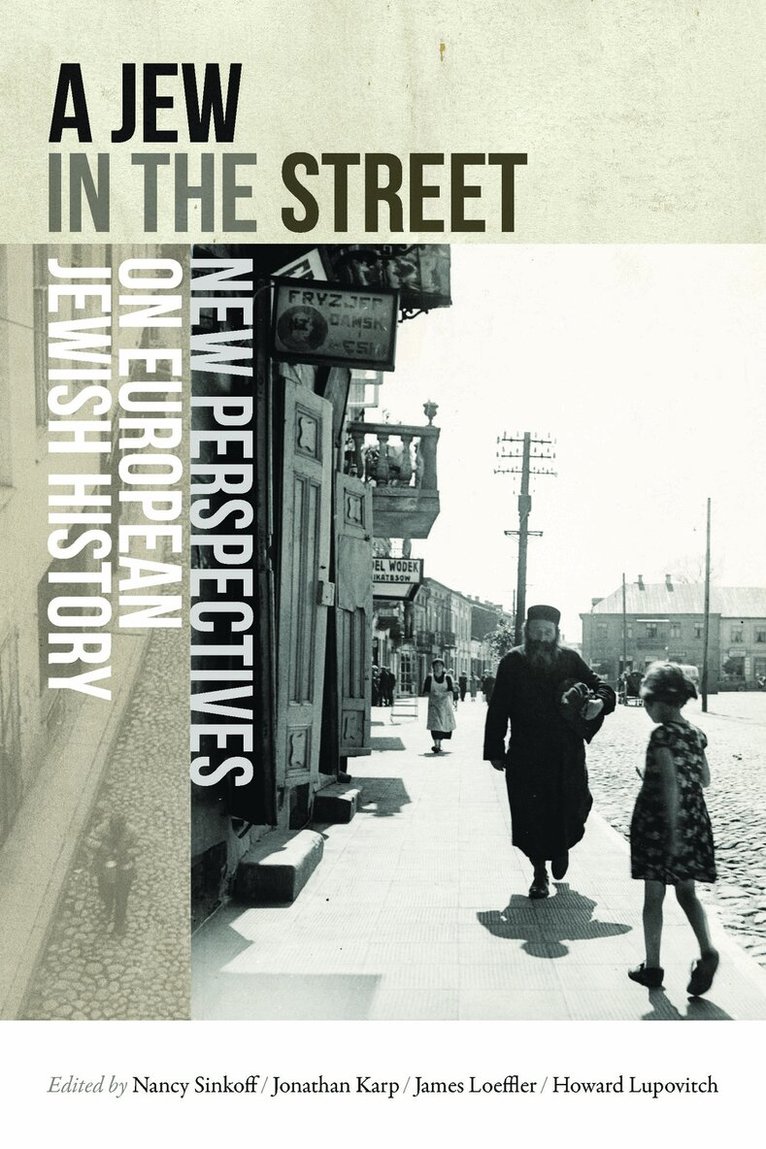
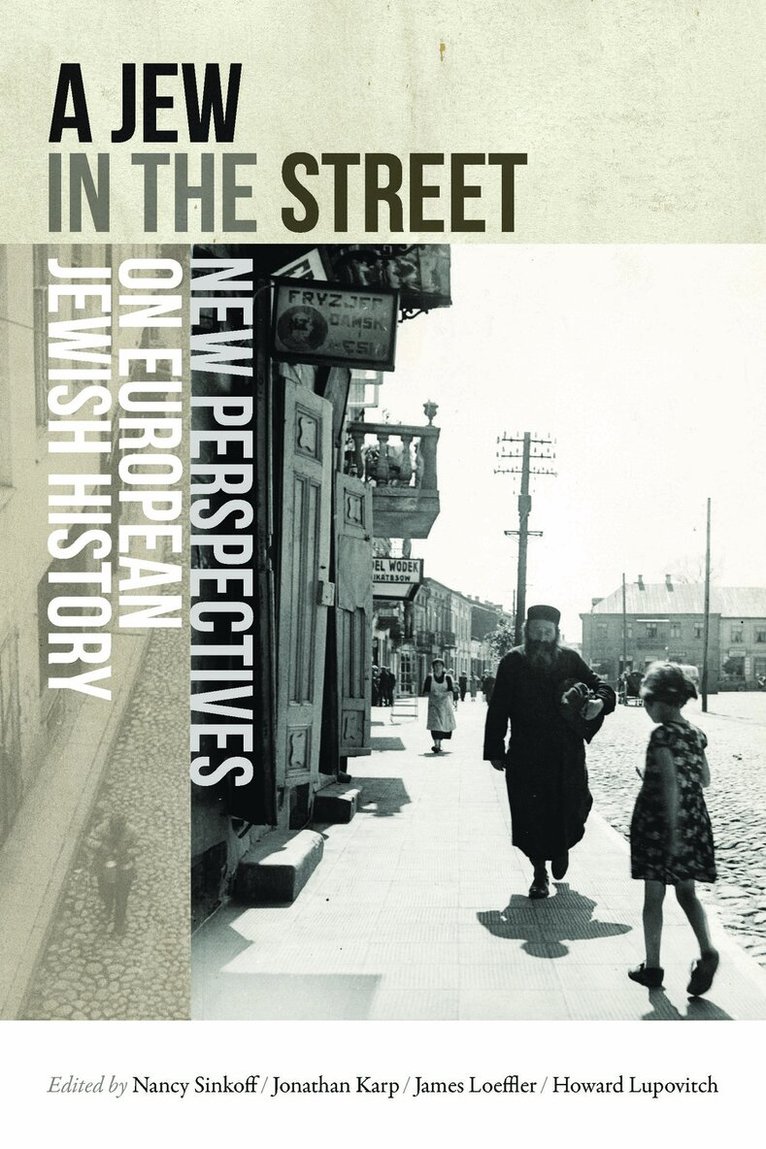
Reconsidering how early modern and modern Jews navigated schisms between Jewish community and European society.This collection brings together original scholarship by seventeen historians drawing on the pioneering research of their teacher and colleague, Michael Stanislawski. These essays explore a mosaic of topics in the history of modern European Jewry from early modern times to the present, including the role of Jewish participants in the European revolutions of 1848, the dynamics of Zionist and non-Zionist views in the early twentieth century, the origins of a magical charm against the evil eye, and more. Collectively, these works reject ideological and doctrinal clichés, demythologize the European Jewish past, and demonstrate that early modern and modern Jews responded creatively to modern forms of culture, religion, and the state from the eighteenth to the twentieth century. Contributors to this volume pose new questions about the relationship between the particular and universal, antisemitism and modernization, religious and secular life, and the bonds and competition between cultures and languages, especially Yiddish, Hebrew, and modern European languages. These investigations illuminate the entangled experiences of Jews who sought to balance the pull of communal, religious, and linguistic traditions with the demands and allure of full participation in European life.
Inbunden, Engelska, 2024
1 074 kr
Skickas inom 5-8 vardagar
Reconsidering how early modern and modern Jews navigated schisms between Jewish community and European society.This collection brings together original scholarship by seventeen historians drawing on the pioneering research of their teacher and colleague, Michael Stanislawski. These essays explore a mosaic of topics in the history of modern European Jewry from early modern times to the present, including the role of Jewish participants in the European revolutions of 1848, the dynamics of Zionist and non-Zionist views in the early twentieth century, the origins of a magical charm against the evil eye, and more. Collectively, these works reject ideological and doctrinal clichés, demythologize the European Jewish past, and demonstrate that early modern and modern Jews responded creatively to modern forms of culture, religion, and the state from the eighteenth to the twentieth century. Contributors to this volume pose new questions about the relationship between the particular and universal, antisemitism and modernization, religious and secular life, and the bonds and competition between cultures and languages, especially Yiddish, Hebrew, and modern European languages. These investigations illuminate the entangled experiences of Jews who sought to balance the pull of communal, religious, and linguistic traditions with the demands and allure of full participation in European life.
Del 31 - Polin: Studies in Polish Jewry
Polin: Studies in Polish Jewry Volume 31
Poland and Hungary: Jewish Realities Compared
Häftad, Engelska, 2018
520 kr
Skickas inom 5-8 vardagar
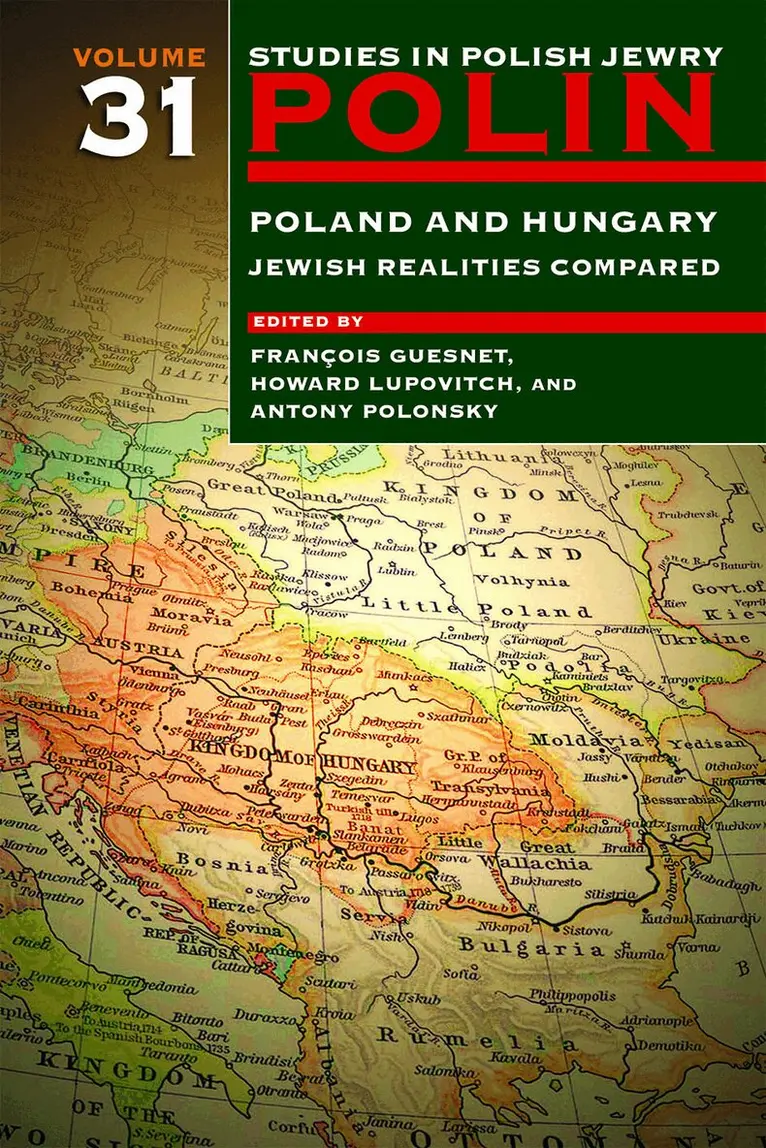
At the beginning of the twentieth century, the Jewish communities of Poland and Hungary were the largest in the world and arguably the most culturally vibrant, yet they have rarely been studied comparatively. Despite the obvious similarities, historians have mainly preferred to highlight the differences and emphasize instead the central European character of Hungarian Jewry. Collectively, these essays offer a different perspective. The volume has five sections. The first compares Jewish acculturation and integration in the two countries, analysing the symbiosis of magnates and Jews in each country’s elites and the complexity of integration in multi-ethnic environments. The second considers the similarities and differences in Jewish religious life, discussing the impact of Polish hasidism in Hungary and the nature of ‘progressive’ Judaism in Poland and the Neolog movement in Hungary. Jewish popular culture is the theme of the third section, with accounts of the Jewish involvement in Polish and Hungarian cabaret and film. The fourth examines the deterioration of the situation in both countries in the interwar years, while the final section compares the implementation of the Holocaust and the way it is remembered. The volume concludes with a long interview with the doyen of historians of Hungary, István Deák.