693 kr
Skickas inom 10-15 vardagar
693 kr
Skickas inom 10-15 vardagar
805 kr
Läs direkt efter köp
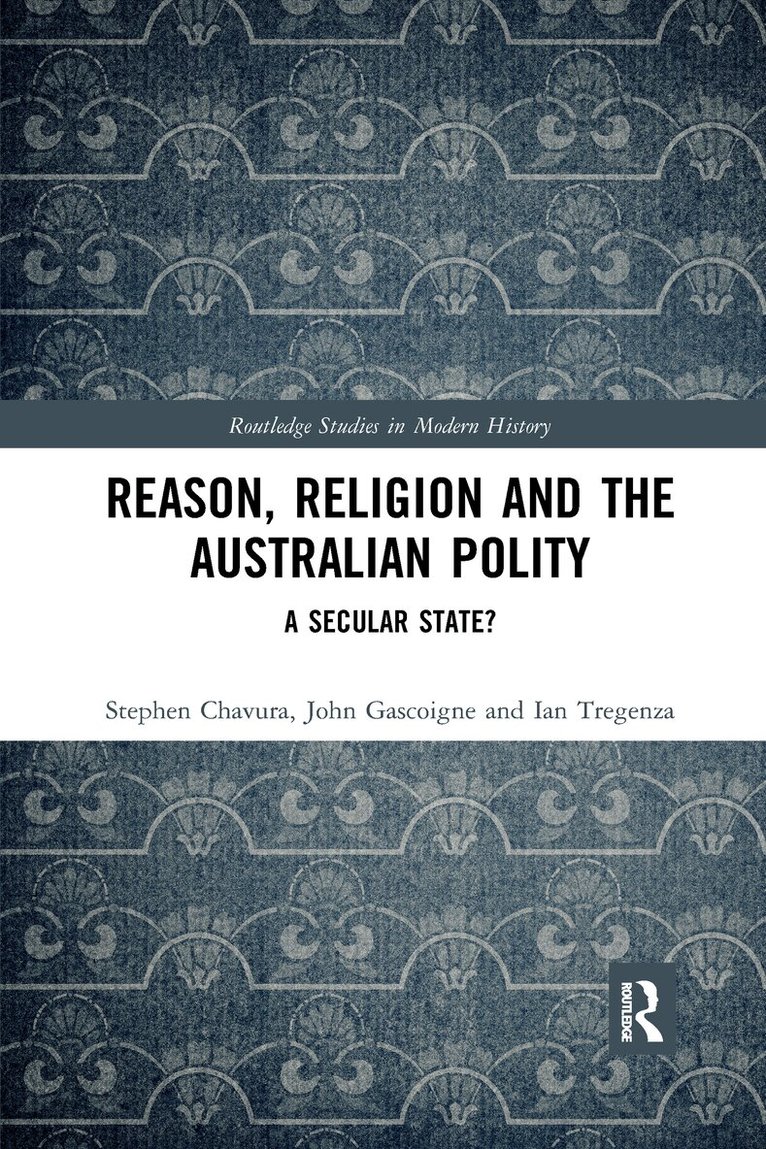
How did the concept of the secular state emerge and evolve in Australia and how has it impacted on its institutions? This is the most comprehensive study to date on the relationship between religion and the state in Australian history, focusing on the meaning of political secularity in a society that was from the beginning marked by a high degree of religious plurality.
This book tracks the rise and fall of the established Church of England, the transition to plural establishments, the struggle for a public Christian-secular education system, and the eventual separation of church and state throughout the colonies. The study is unique in that it does not restrict its concern with religion to the churches but also examines how religious concepts and ideals infused apparently secular political and social thought and movements making the case that much Australian thought and institution building has had a sacral-secular quality. Social welfare reform, nationalism, and emerging conceptions of citizenship and civilization were heavily influenced by religious ideals, rendering problematic traditional linear narratives of secularisation as the decline of religion. Finally the book considers present day pluralist Australia and new understandings of state secularity in light of massive social changes over recent generations.
813 kr
Läs direkt efter köp
How did the concept of the secular state emerge and evolve in Australia and how has it impacted on its institutions? This is the most comprehensive study to date on the relationship between religion and the state in Australian history, focusing on the meaning of political secularity in a society that was from the beginning marked by a high degree of religious plurality.
This book tracks the rise and fall of the established Church of England, the transition to plural establishments, the struggle for a public Christian-secular education system, and the eventual separation of church and state throughout the colonies. The study is unique in that it does not restrict its concern with religion to the churches but also examines how religious concepts and ideals infused apparently secular political and social thought and movements making the case that much Australian thought and institution building has had a sacral-secular quality. Social welfare reform, nationalism, and emerging conceptions of citizenship and civilization were heavily influenced by religious ideals, rendering problematic traditional linear narratives of secularisation as the decline of religion. Finally the book considers present day pluralist Australia and new understandings of state secularity in light of massive social changes over recent generations.
2 467 kr
Skickas inom 10-15 vardagar
426 kr
Tillfälligt slut
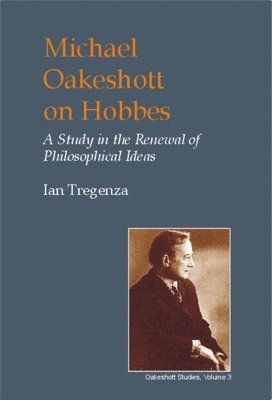
Michael Oakeshott is widely recognised to be one of the most original political philosophers of the twentieth century. He also developed a very influential interpretation of the ideas of the great seventeenth century philosopher Thomas Hobbes. While many commentators have noted the importance of Hobbes for understanding Oakeshott's thought itself, this is the first book to provide a systematic interpretation of Oakeshott’s philosophy by paying close attention to all facets of Oakeshott’s reading of Hobbes. On the surface, Oakeshott, the philosophical idealist and critic of rationalism in politics, would seem to have little in common with Hobbes, who is often regarded as a classic materialist and rationalist philosopher. This work shows, however, that despite appearances, there are many basic affinities between the two thinkers and that Oakeshott brought to the surface aspects of Hobbes’s thought that had previously been overlooked by Hobbes scholars. The development of Oakeshott’s own theory is shown to mirror changes in his reading of Hobbes and many of the distinctive features of Oakeshott’s thought including the modal and sceptical conception of human knowledge, the 'morality of individuality’, the theory of civil association, and the critique of rationalism all find a fascinating focal point in his writings on Hobbes. Some attention is also paid to Oakeshott’s religious ideas, indicating what they share with Hobbes’s philosophy of religion. The book situates Oakeshott’s reading in relation to some other important twentieth century interpretations of Hobbes and examines its significance for broader debates in political theory and the history of ideas.
693 kr
Skickas inom 10-15 vardagar
805 kr
Läs direkt efter köp
How did the concept of the secular state emerge and evolve in Australia and how has it impacted on its institutions? This is the most comprehensive study to date on the relationship between religion and the state in Australian history, focusing on the meaning of political secularity in a society that was from the beginning marked by a high degree of religious plurality.
This book tracks the rise and fall of the established Church of England, the transition to plural establishments, the struggle for a public Christian-secular education system, and the eventual separation of church and state throughout the colonies. The study is unique in that it does not restrict its concern with religion to the churches but also examines how religious concepts and ideals infused apparently secular political and social thought and movements making the case that much Australian thought and institution building has had a sacral-secular quality. Social welfare reform, nationalism, and emerging conceptions of citizenship and civilization were heavily influenced by religious ideals, rendering problematic traditional linear narratives of secularisation as the decline of religion. Finally the book considers present day pluralist Australia and new understandings of state secularity in light of massive social changes over recent generations.
813 kr
Läs direkt efter köp
How did the concept of the secular state emerge and evolve in Australia and how has it impacted on its institutions? This is the most comprehensive study to date on the relationship between religion and the state in Australian history, focusing on the meaning of political secularity in a society that was from the beginning marked by a high degree of religious plurality.
This book tracks the rise and fall of the established Church of England, the transition to plural establishments, the struggle for a public Christian-secular education system, and the eventual separation of church and state throughout the colonies. The study is unique in that it does not restrict its concern with religion to the churches but also examines how religious concepts and ideals infused apparently secular political and social thought and movements making the case that much Australian thought and institution building has had a sacral-secular quality. Social welfare reform, nationalism, and emerging conceptions of citizenship and civilization were heavily influenced by religious ideals, rendering problematic traditional linear narratives of secularisation as the decline of religion. Finally the book considers present day pluralist Australia and new understandings of state secularity in light of massive social changes over recent generations.
2 467 kr
Skickas inom 10-15 vardagar
426 kr
Tillfälligt slut
Michael Oakeshott is widely recognised to be one of the most original political philosophers of the twentieth century. He also developed a very influential interpretation of the ideas of the great seventeenth century philosopher Thomas Hobbes. While many commentators have noted the importance of Hobbes for understanding Oakeshott's thought itself, this is the first book to provide a systematic interpretation of Oakeshott’s philosophy by paying close attention to all facets of Oakeshott’s reading of Hobbes. On the surface, Oakeshott, the philosophical idealist and critic of rationalism in politics, would seem to have little in common with Hobbes, who is often regarded as a classic materialist and rationalist philosopher. This work shows, however, that despite appearances, there are many basic affinities between the two thinkers and that Oakeshott brought to the surface aspects of Hobbes’s thought that had previously been overlooked by Hobbes scholars. The development of Oakeshott’s own theory is shown to mirror changes in his reading of Hobbes and many of the distinctive features of Oakeshott’s thought including the modal and sceptical conception of human knowledge, the 'morality of individuality’, the theory of civil association, and the critique of rationalism all find a fascinating focal point in his writings on Hobbes. Some attention is also paid to Oakeshott’s religious ideas, indicating what they share with Hobbes’s philosophy of religion. The book situates Oakeshott’s reading in relation to some other important twentieth century interpretations of Hobbes and examines its significance for broader debates in political theory and the history of ideas.