Ian W. Campbell - Böcker
Visar alla böcker från författaren Ian W. Campbell. Handla med fri frakt och snabb leverans.
2 produkter
2 produkter
334 kr
Skickas inom 7-10 vardagar
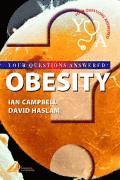
In the popular Q and A format of the Your Questions Answered series, this book provides succinct, expert information on obesity, and is the first to bring together all the different aspects of obesity from the primary care clinician's point of view. The authors, Dr Ian Campbell and Dr David Haslam, both of the National Obesity Forum, are practising GPs with a special interest in obesity and overweight management. With an emphasis on evidence-based, up-to-date knowledge, the authors discuss issues such as the costs of obesity to society and the individual, the role of lifestyle and drug therapies, surgical management and possible future developments. They also address many questions asked about obesity by other physicians, practice and community nurses, medical students and trainees, and indeed patients. Some frequently asked patient questions, in non-medical language, are included, and there is a list of sources of further information and patient support.
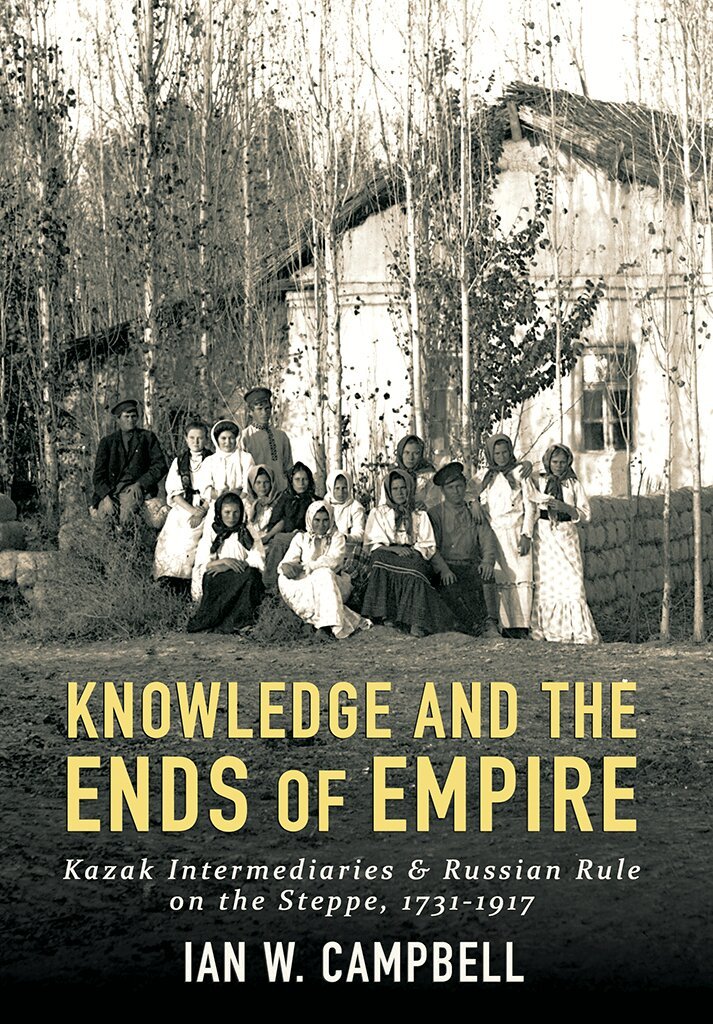
Knowledge and the Ends of Empire
Kazak Intermediaries and Russian Rule on the Steppe, 1731-1917
Inbunden, Engelska, 2017
749 kr
Skickas inom 10-15 vardagar
In Knowledge and the Ends of Empire, Ian W. Campbell investigates the connections between knowledge production and policy formation on the Kazak steppes of the Russian Empire. Hoping to better govern the region, tsarist officials were desperate to obtain reliable information about an unfamiliar environment and population. This thirst for knowledge created opportunities for Kazak intermediaries to represent themselves and their landscape to the tsarist state. Because tsarist officials were uncertain of what the steppe was, and disagreed on what could be made of it, Kazaks were able to be part of these debates, at times influencing the policies that were pursued.Drawing on archival materials from Russia and Kazakhstan and a wide range of nineteenth-century periodicals in Russian and Kazak, Campbell tells a story that highlights the contingencies of and opportunities for cooperation with imperial rule. Kazak intermediaries were at first able to put forward their own idiosyncratic views on whether the steppe was to be Muslim or secular, whether it should be a center of stock-raising or of agriculture, and the extent to which local institutions needed to give way to imperial institutions. It was when the tsarist state was most confident in its knowledge of the steppe that it committed its gravest errors by alienating Kazak intermediaries and placing unbearable stresses on pastoral nomads. From the 1890s on, when the dominant visions in St. Petersburg were of large-scale peasant colonization of the steppe and its transformation into a hearth of sedentary agriculture, the same local knowledge that Kazaks had used to negotiate tsarist rule was transformed into a language of resistance.