Igor Aleksander – författare
Visar alla böcker från författaren Igor Aleksander. Handla med fri frakt och snabb leverans.
19 produkter
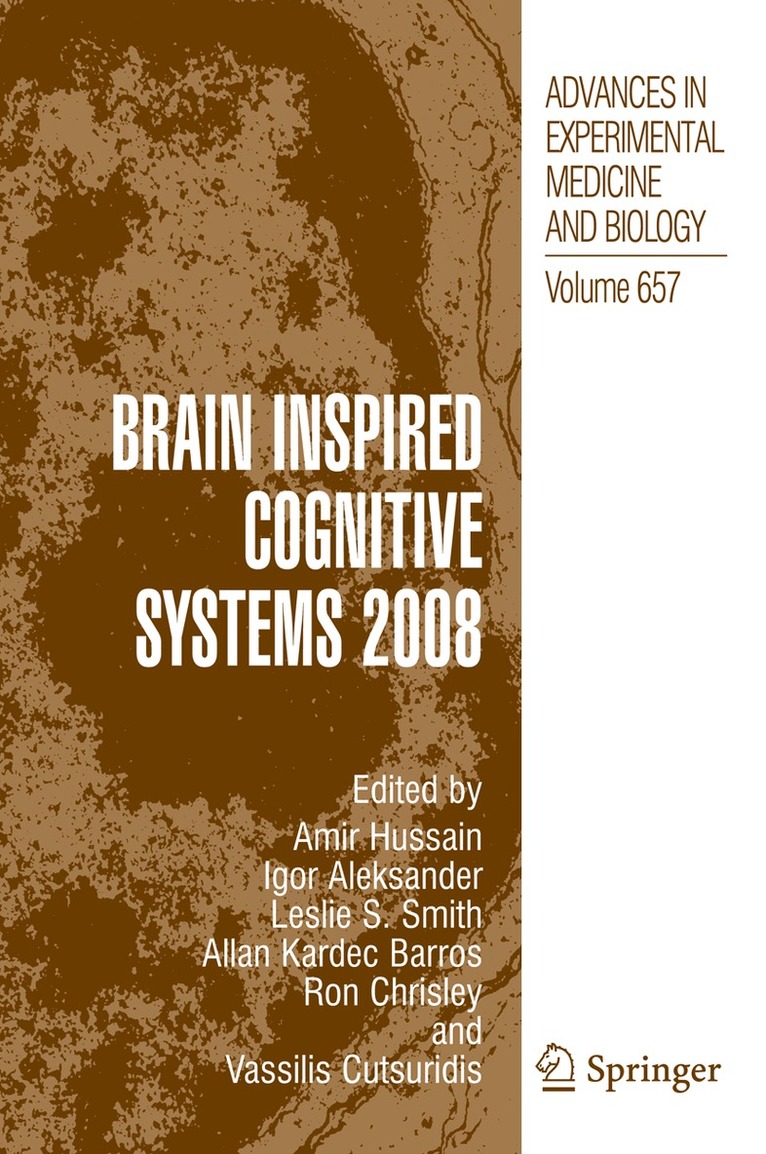
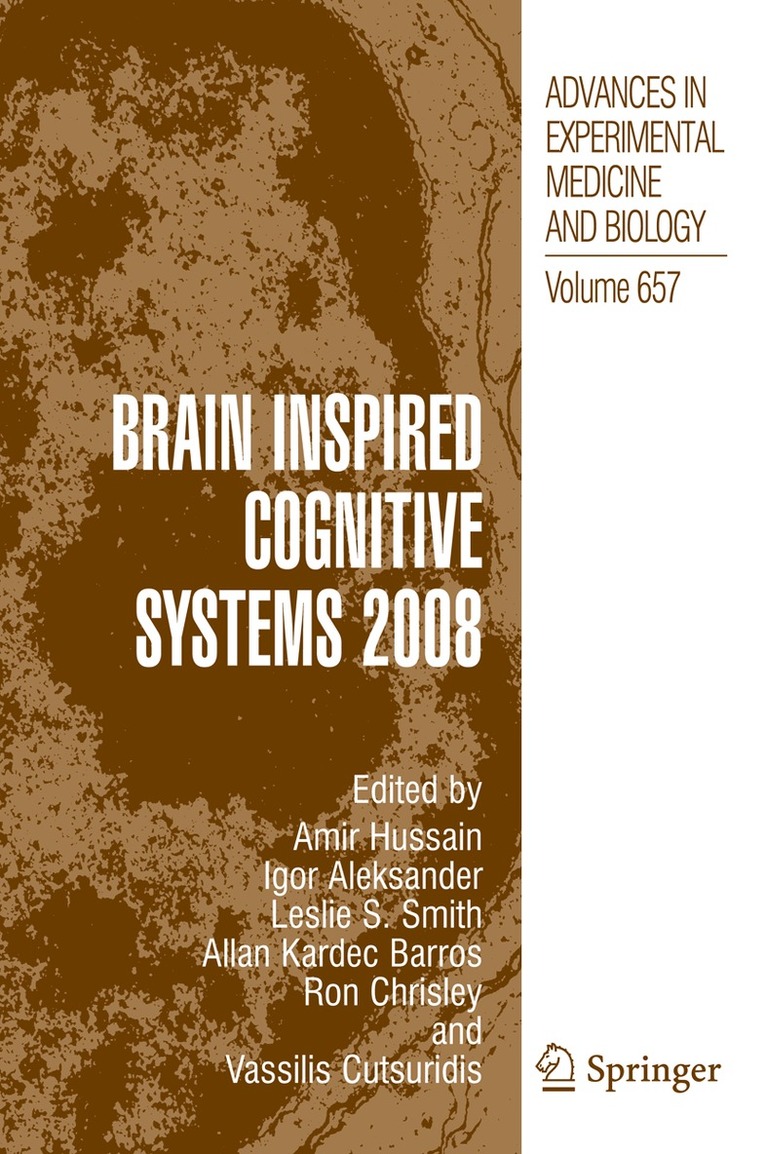
Brain Inspired Cognitive Systems 2008
Av Amir Hussain, Igor Aleksander m. fl.
Inbunden, 2009
2403 kr
Lägg i varukorg
Brain Inspired Cognitive Systems 2008 (June 24-27, 2008; São Luís, Brazil) brought together leading scientists and engineers who use analytic, syntactic and computational methods both to understand the prodigious processing properties of biological systems and, specifically, of the brain, and to …
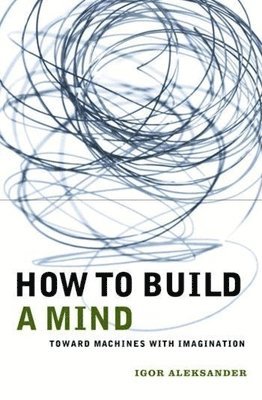
How to Build a Mind
Toward Machines with Imagination
Inbunden, 2001
1977 kr
Lägg i varukorg
Igor Aleksander heads a major British team that has applied engineering principles to the understanding of the human brain and has built several pioneering machines, culminating in MAGNUS, which he calls a machine with imagination. When he asks it (in words) to produce an image of a banana that is …
Brain Inspired Cognitive Systems 2008
Av Vassilis Cutsuridis, Ron Chrisley m. fl.
E-bok, 2009
3145 kr
Lägg i varukorg
Brain Inspired Cognitive Systems 2008 (June 24-27, 2008; São Luís, Brazil) brought together leading scientists and engineers who use analytic, syntactic and computational methods both to understand the prodigious processing properties of biological systems and, specifically, of the brain, and to …
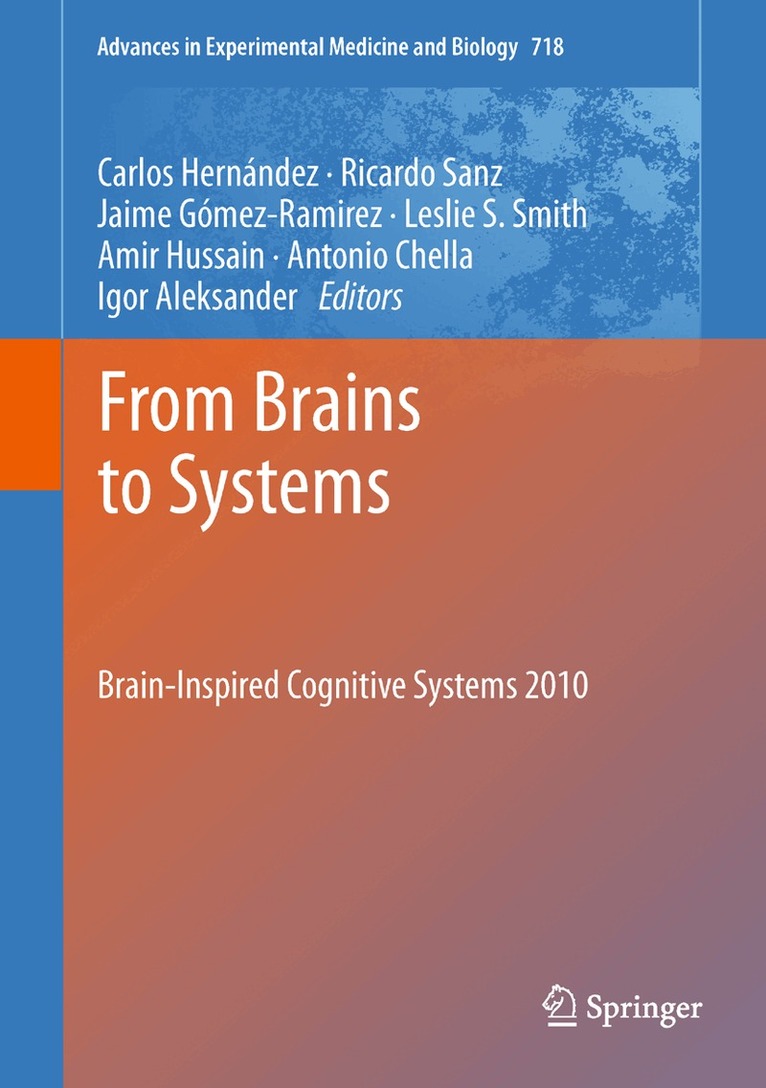
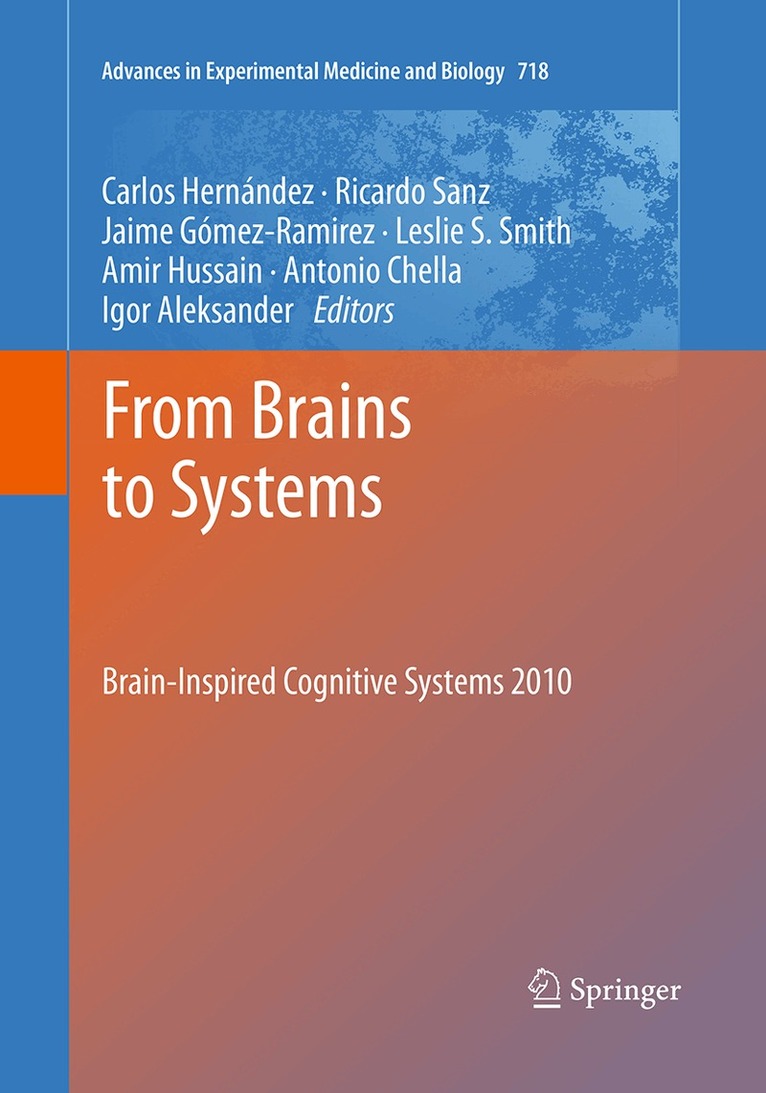
From Brains to Systems
Brain-Inspired Cognitive Systems 2010
Av Carlos Hernández, Ricardo Sanz m. fl.
Inbunden, 2011
2185 kr
Lägg i varukorg
Brain Inspired Cognitive Systems - BICS 2010 aims to bring together leading scientists and engineers who use analytic and synthetic methods both to understand the astonishing processing properties of biological systems and specifically of the brain, and to exploit such knowledge to advance …
From Brains to Systems
Brain-Inspired Cognitive Systems 2010
Av Igor Aleksander, Antonio Chella m. fl.
E-bok, 2011
2925 kr
Lägg i varukorg
Brain Inspired Cognitive Systems - BICS 2010 aims to bring together leading scientists and engineers who use analytic and synthetic methods both to understand the astonishing processing properties of biological systems and specifically of the brain, and to exploit such knowledge to advance …
Brain Inspired Cognitive Systems 2008
Av Amir Hussain, Igor Aleksander m. fl.
Häftad, 2012
2403 kr
Lägg i varukorg
Brain Inspired Cognitive Systems 2008 (June 24-27, 2008; São Luís, Brazil) brought together leading scientists and engineers who use analytic, syntactic and computational methods both to understand the prodigious processing properties of biological systems and, specifically, of the brain, and to …
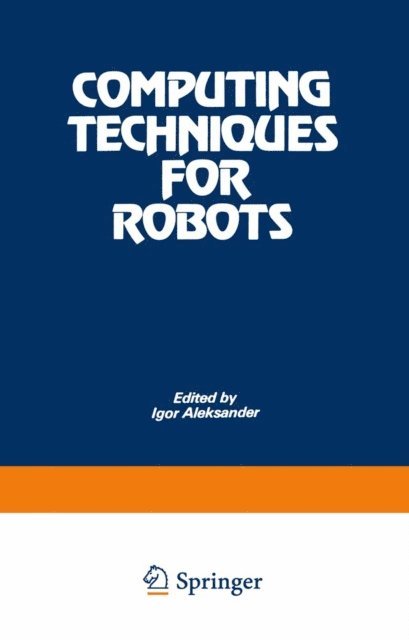
Computing Techniques for Robots
E-bok, 2012
700 kr
Lägg i varukorg
I. ALEKSANDER Kobler Unit for Information Technology Management, Imperial College of Science and Technology, London, England It is now over half a decade since Joseph Engelberger wrote: ''Given a six-articulation arm of any configuration, software can be powerful enough to think only in tool …
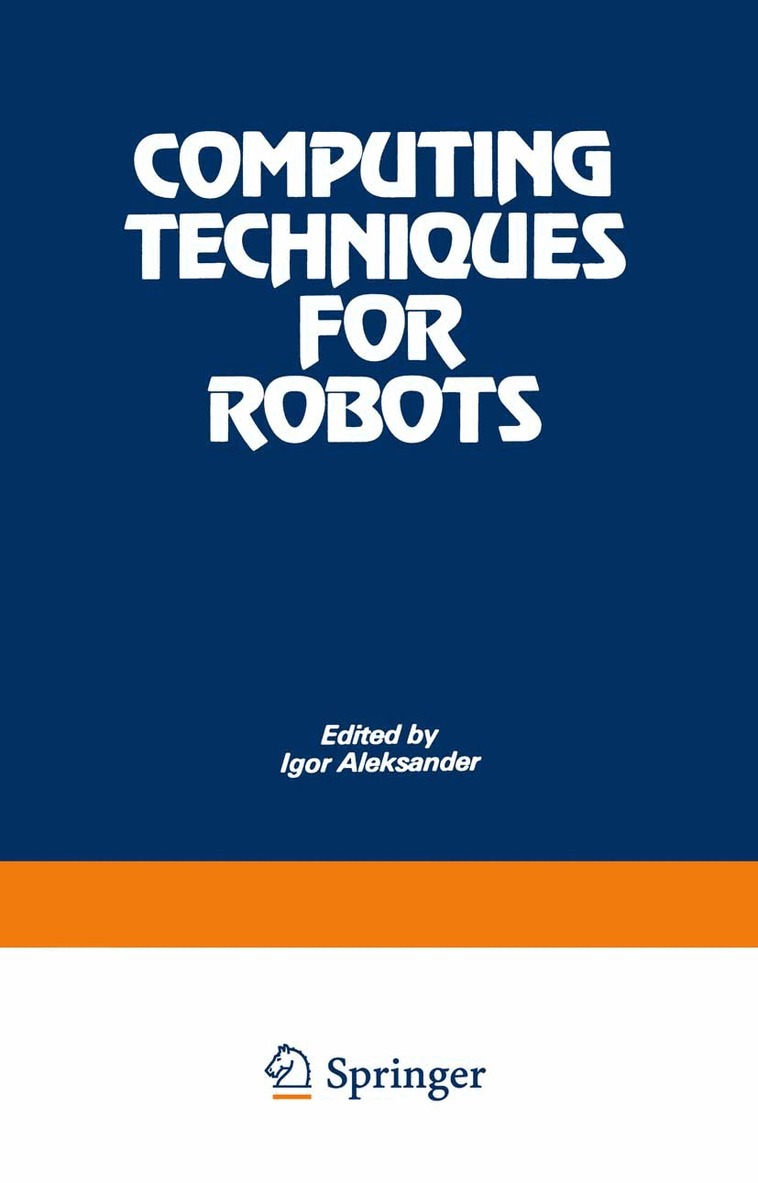
Computing Techniques for Robots
Häftad, 2014
552 kr
Lägg i varukorg
I. ALEKSANDER Kobler Unit for Information Technology Management, Imperial College of Science and Technology, London, England It is now over half a decade since Joseph Engelberger wrote: 'Given a six-articulation arm of any configuration, software can be powerful enough to think only in tool …
From Brains to Systems
Brain-Inspired Cognitive Systems 2010
Av Carlos Hernández, Ricardo Sanz m. fl.
Häftad, 2016
2339 kr
Lägg i varukorg
Brain Inspired Cognitive Systems - BICS 2010 aims to bring together leading scientists and engineers who use analytic and synthetic methods both to understand the astonishing processing properties of biological systems and specifically of the brain, and to exploit such knowledge to advance …
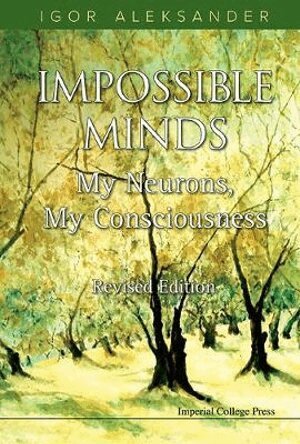
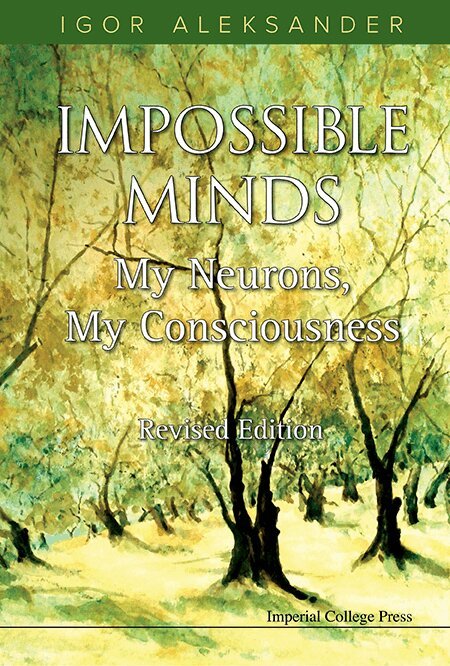
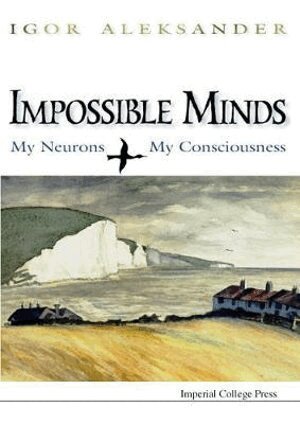
IMPOSSIBLE MINDS: MY NEURONS, MY CONSCIOUSNESS (REVISED EDITION)
Inbunden, 2015
1293 kr
Lägg i varukorg
Impossible Minds: My Neurons, My Consciousness has been written to satisfy the curiosity each and every one of us has about our own consciousness. It takes the view that the neurons in our heads are the source of consciousness and attempts to explain how this happens. Although it talks of neural …
IMPOSSIBLE MINDS: MY NEURONS, MY CONSCIOUSNESS (REVISED EDITION)
Häftad, 2015
618 kr
Lägg i varukorg
Impossible Minds: My Neurons, My Consciousness has been written to satisfy the curiosity each and every one of us has about our own consciousness. It takes the view that the neurons in our heads are the source of consciousness and attempts to explain how this happens. Although it talks of neural …
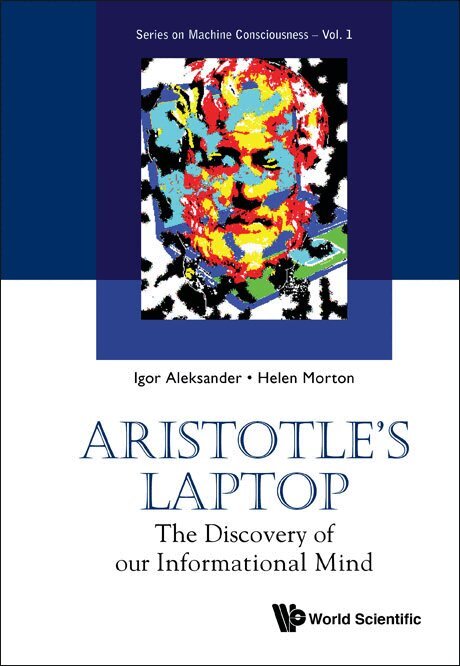
ARISTOTLE'S LAPTOP: THE DISCOVERY OF OUR INFORMATIONAL MIND
Av Igor Aleksander, Helen Morton
Inbunden, 2013
1274 kr
Lägg i varukorg
Aristotle's convincing philosophy is likely to have shaped (even indirectly) many of our current beliefs, prejudices and attitudes to life. This includes the way in which our mind (that is, our capacity to have private thoughts) appears to elude a scientific description. This book is about a …
World in My Mind, My Mind in the World
Key Mechanisms of Consciousness in People, Animals and Machines
Inbunden, 2005
263 kr
Tillfälligt slut
Not consciousness, but knowledge of consciousness: that is what this book communicates in a fascinating way. Consciousness is the thread that links the disappearing gorilla with the octopus suffering from a stomach ache, and the person under anaesthetic with a new born baby. How these are …
IMPOSSIBLE MINDS: MY NEURONS, MY CONSCIOUSNESS
Inbunden, 1996
605 kr
Tillfälligt slut
Impossible Minds: My Neurons, My Consciousness has been written to satisfy the curiosity each and every one of us has about our own consciousness. It takes the view that the neurons in our heads are the source of consciousness and attempts to explain how this happens. Although it talks of neural …
IMPOSSIBLE MINDS: MY NEURONS, MY CONSCIOUSNESS
Häftad, 1996
377 kr
Tillfälligt slut
Impossible Minds: My Neurons, My Consciousness has been written to satisfy the curiosity each and every one of us has about our own consciousness. It takes the view that the neurons in our heads are the source of consciousness and attempts to explain how this happens. Although it talks of neural …